Your bag is empty.
Playboy and Juxtapoz reunite to co-publish an original photo essay celebrating moments of connection, reflection and community on the front lines of the Black Lives Matter movement
“If I’m able to make people feel anything, then I’ve done my job,” says Alexis Hunley. The 29-year-old Los Angeles–based photographer, who is self-taught, first began taking photos in 2017 as a way to process grief after losing her grandmother. Out of that vulnerability, and Hunley’s background as a psychology student, emerged a remarkable gift for creating images that capture moments of healing and connection. “We are more than our pain and our struggles,” Hunley once said.
Last year, Hunley joined the front lines of various Black Lives Matter protests in Los Angeles in order to document the resilience of Black people fighting for their rights and lives. The resulting images—bright and buoyant scenes of affection and connection among friends, siblings, peers, neighbors and strangers—celebrate the joy in the movement as much as the fight.
A lot of the images I’m drawn to are ones that depict people embracing. Those are the moments, especially at protests, that call out to me.
“When I look at my work as a whole, I start to notice how important touch is,” Hunley tells Playboy. “A lot of the images I’m drawn to are ones that depict people embracing. Those are the moments, especially at protests, that call out to me.”
Hunley curated this photo essay for Playboy and Juxtapoz—two publications that throughout their collective 95-year-history have shared a commitment to giving artists total freedom on their pages. We’ve never shied away from sharing work that ignites important conversations: Playboy and Juxtapoz last collaborated on the 2019 Playboy Symposium on art and activism. This most recent collaboration illustrates a joint commitment to spotlighting artists who not only illuminate beauty in our world, but also have something to say about it.
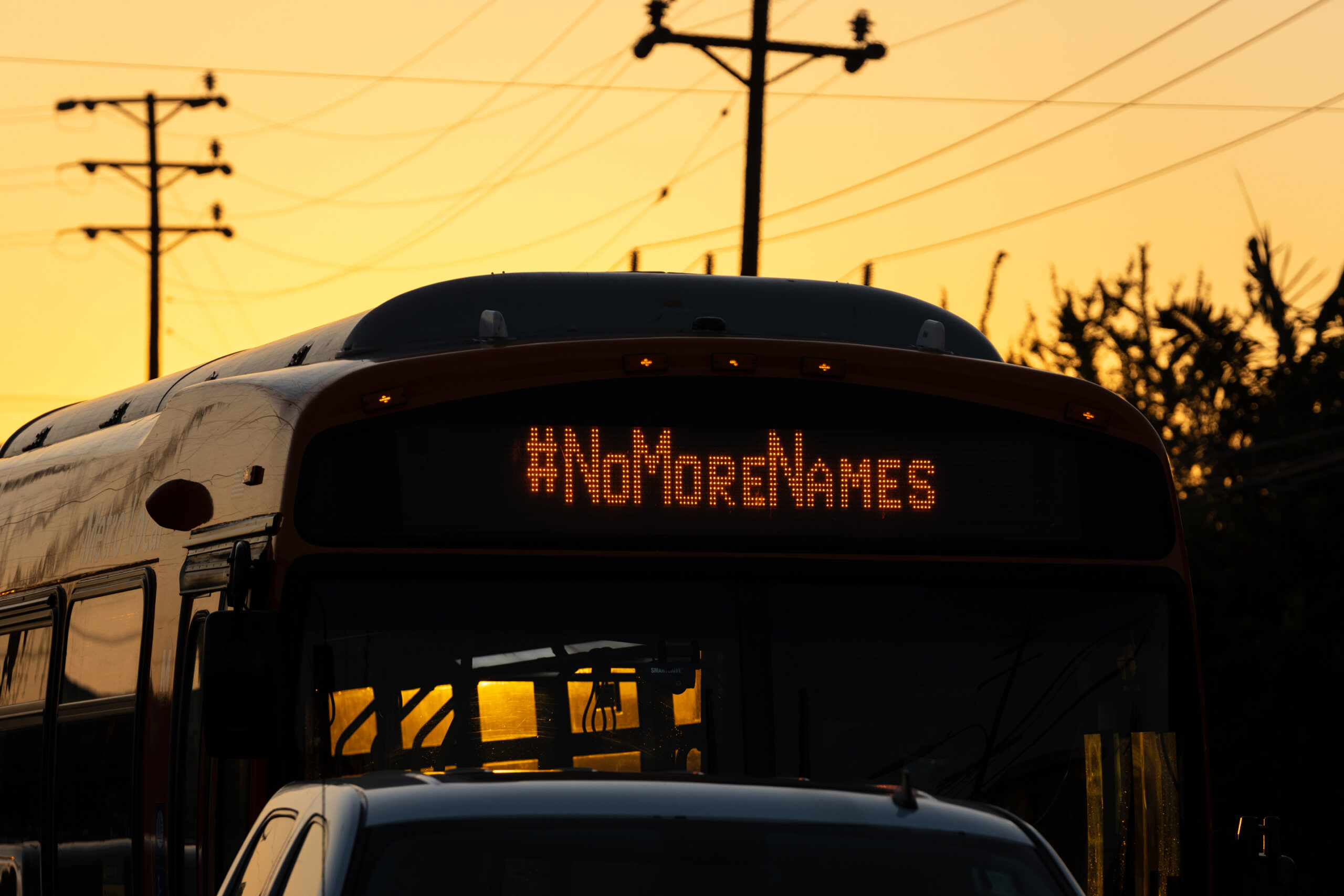
“I took this one the day after Dijon Kizzee was murdered. Everything was such a mess—so chaotic. Traffic was at a complete standstill, and then I saw the bus with the most beautiful sunset falling behind it and was mesmerized. This is one of my favorites.”
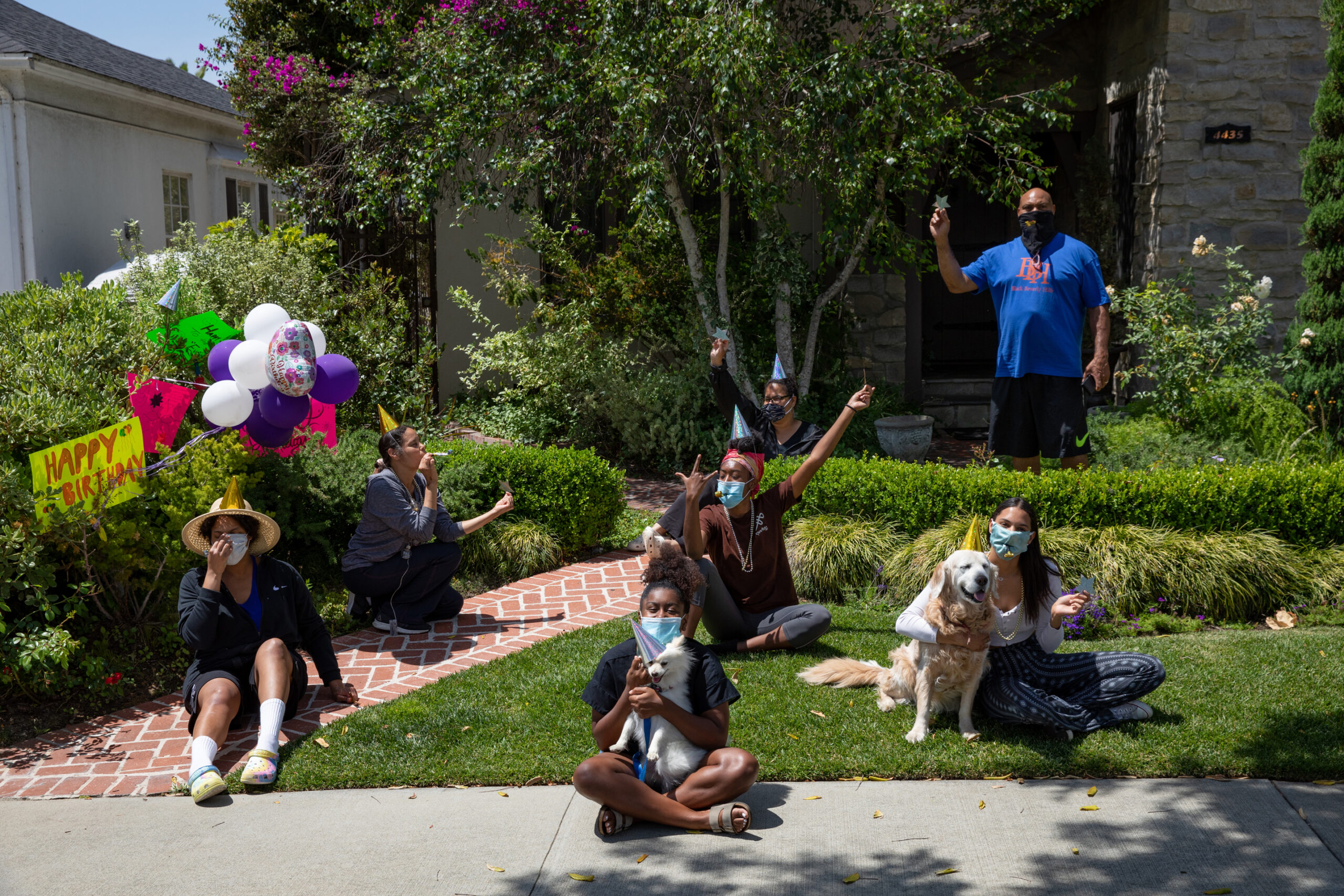
“My aunt’s birthday is a week before mine, but both of her kids are out of the house, so she’s all alone. So my family did a drive-by birthday celebration. It was one of the few times we all got to see each other since March. We got cake and hung out and shouted at each other from across the yard. We had all been having a rough couple of months following the passing of my grandfather, so it was really nice to spend an afternoon reconnecting.”
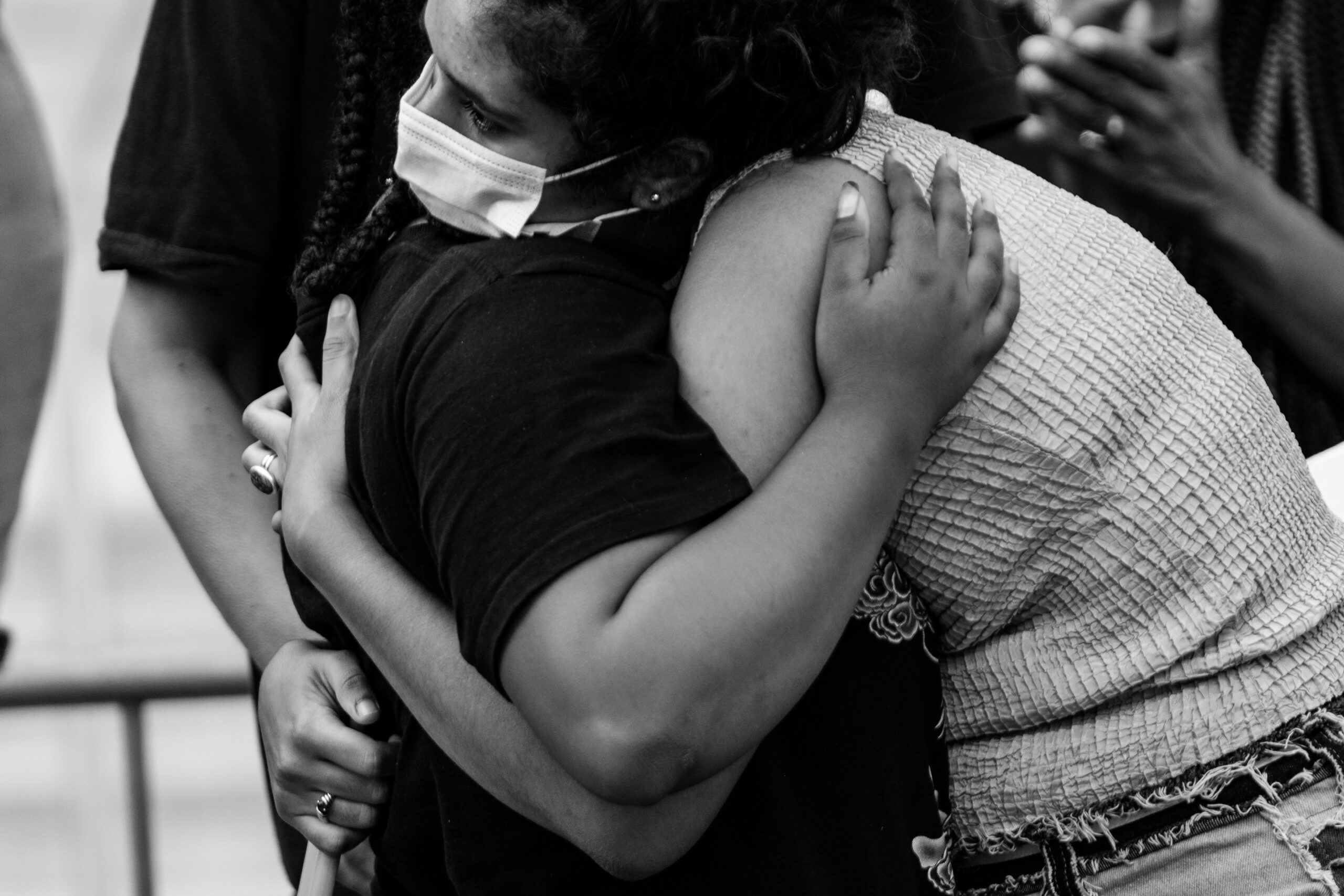
“Every Wednesday, Black Lives Matter Los Angeles would host an event outside the office of District Attorney Jackie Lacey. They gave people time to grieve and hold space for Dijon and his family. The young woman in the black T-shirt is Thandiwe Abdullah, a leader of the Black Lives Matter Youth Vanguard. She was talking on stage about how at the age of 15 or 16 she was already writing a will, because she didn’t feel safe. She just broke down in front of everybody, and when she got off stage people surrounded her with support and just held her.”
Above left: “I live a couple blocks from the Marathon store where Nipsey Hussle was murdered. A few weeks after he was killed, I went over there and was soaking everything in and I took this photo. I don’t really know how to put it into words, but this image is so haunting. His presence is still felt here, even two years later. He had a tremendous impact on this community and this neighborhood.”
Above right: “This is a continuation of the Lovers or Friends series. This was a more concerted effort that I put into continuing that conversation and asking myself what love among friends, peers and platonic relationships looks like.”
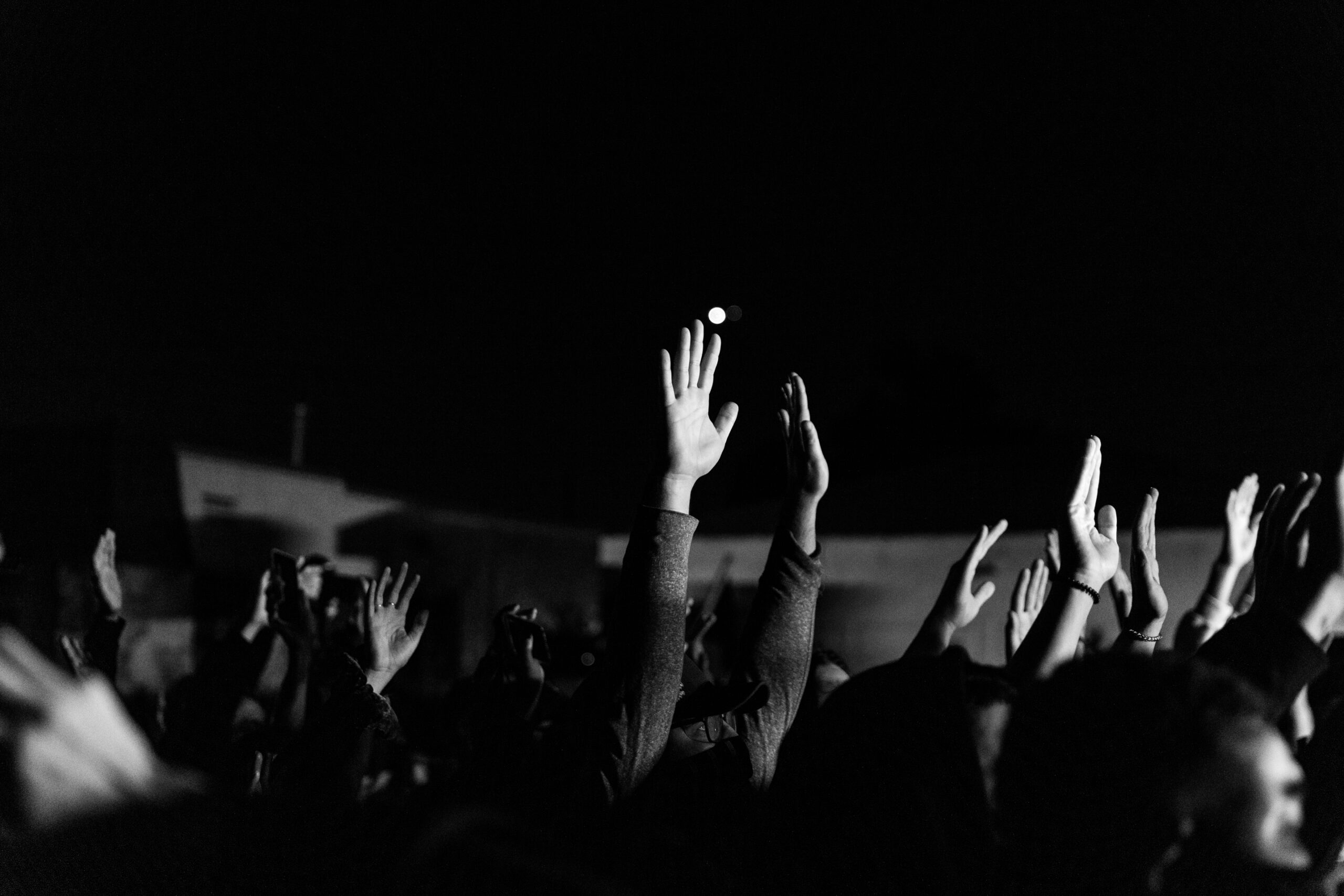
“I took this one the night Dijon Kizzee was murdered. A bunch of people—mostly non-Black people who weren’t from the neighborhood—showed up around the block where he was killed. All of the local residents were in a circle on the outskirts, while all of these organizers and people who showed up to show support were front and center standing off with the sheriff’s deputies. There was this disconnect between the people who came and really, truly believed they were showing support and the people who lived there who did not feel comfortable with all these people showing up and shouting at sheriff’s deputies who just murdered somebody in front of them. It was uncomfortable in a different way than a lot of other protests, because his body was on the ground the entire time we were there. He was still on the ground until very early in the morning the next day.”
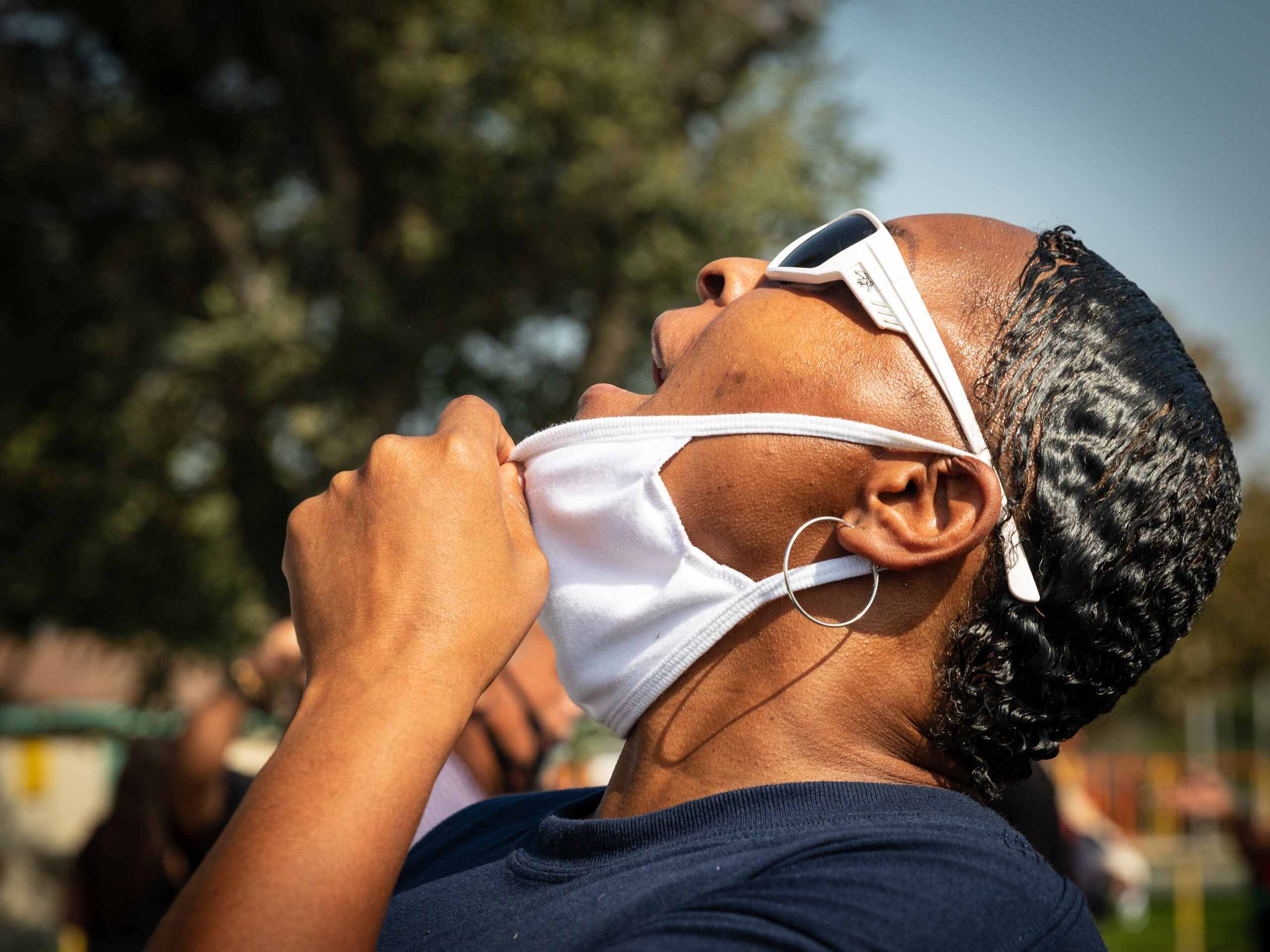
“This was during a press conference after Fred Williams was killed in Compton in October of last year. The woman captures how it feels to constantly be bombarded with all of this death. You just feel like screaming sometimes, but you have to keep pushing forward. I appreciated that she was so open with her emotions in such a public space.”
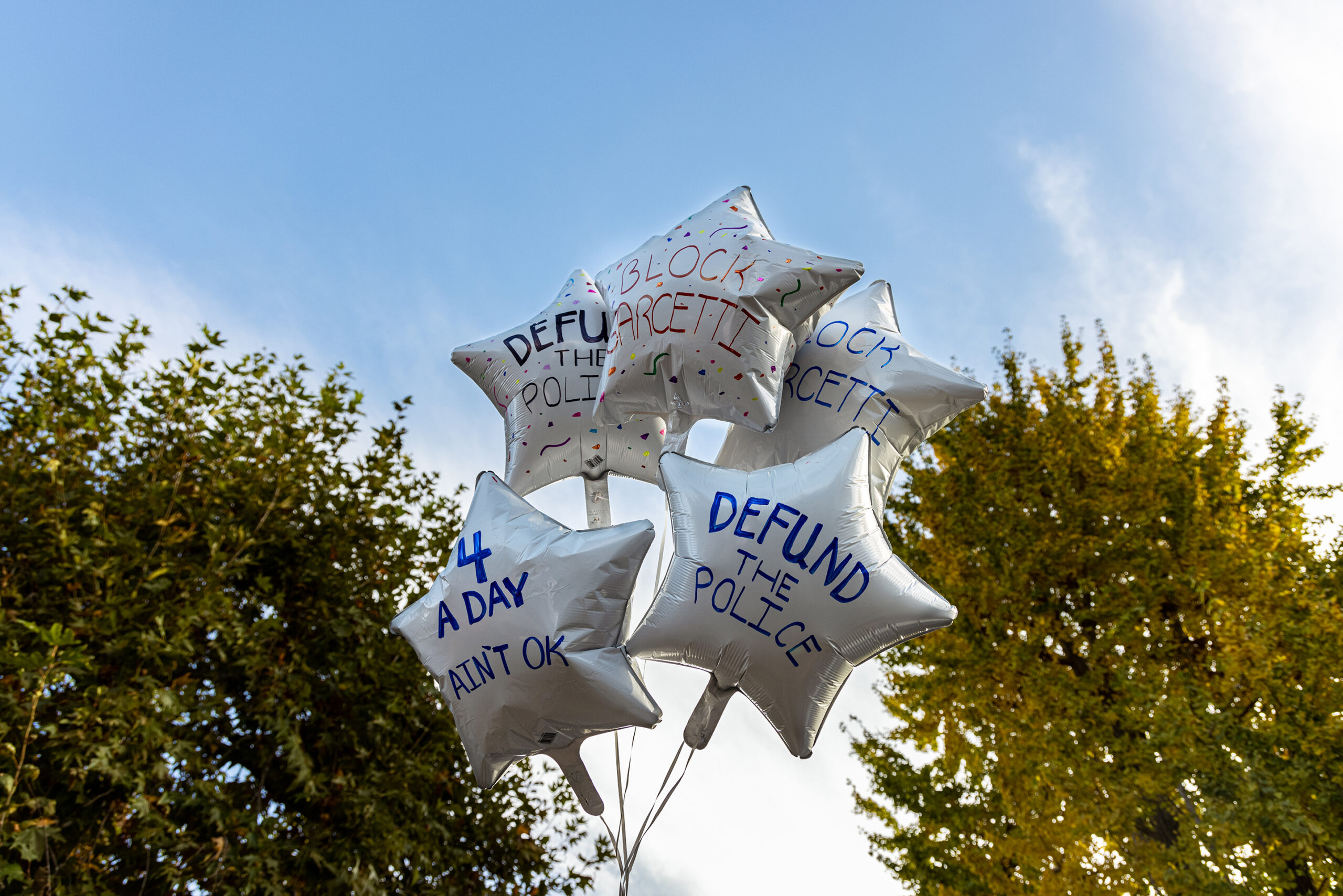
“Folks were protesting outside Mayor Eric Garcetti’s house to block him from receiving a cabinet appointment in President Joe Biden’s administration. I liked the composition of the balloons and the trees and the blue sky. It was truly a party filled with smiles and chants and laughter and community.”
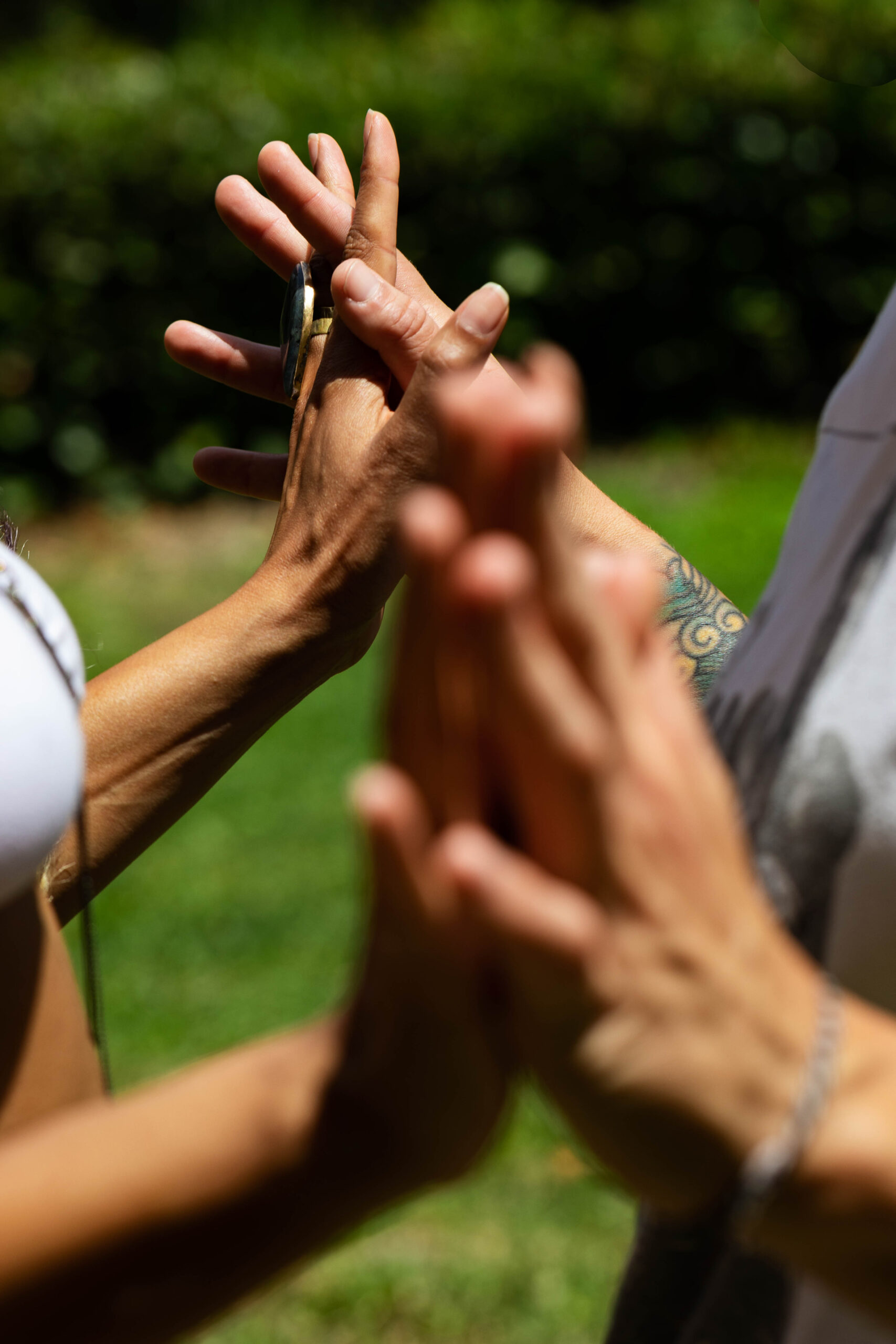
Above left: “I wanted to explore platonic love among queer people. Navigating intimacy within the queer community has opened up doors for me to feel fulfilled and loved outside of traditional romantic relationships.”
Above right: “This was toward the beginning part of quarantine, when everyone was adjusting to being at home. I was spending a lot of time with my parents and my sister. My dad is an extrovert, so he was really struggling being cooped up inside. He started going on long walks every day; I would go with him and we would just talk. It was really nice to have undivided attention from both of my parents and be able to hang out and have quality time together.”
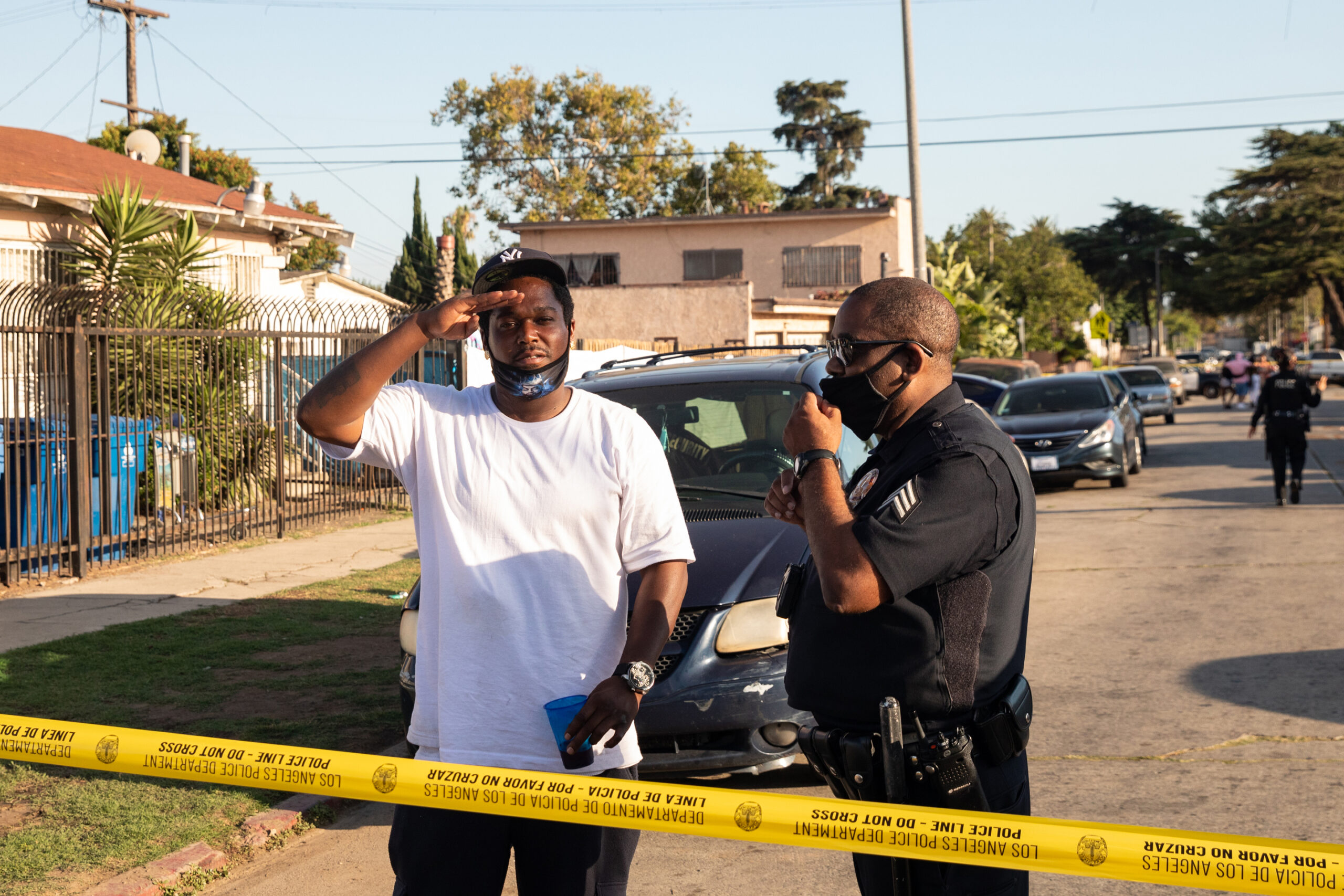
“A lot of times when I’m walking around with my camera, Black people will address me directly, in a way that makes me feel seen. I don’t usually experience that in spaces that aren’t predominantly Black.”
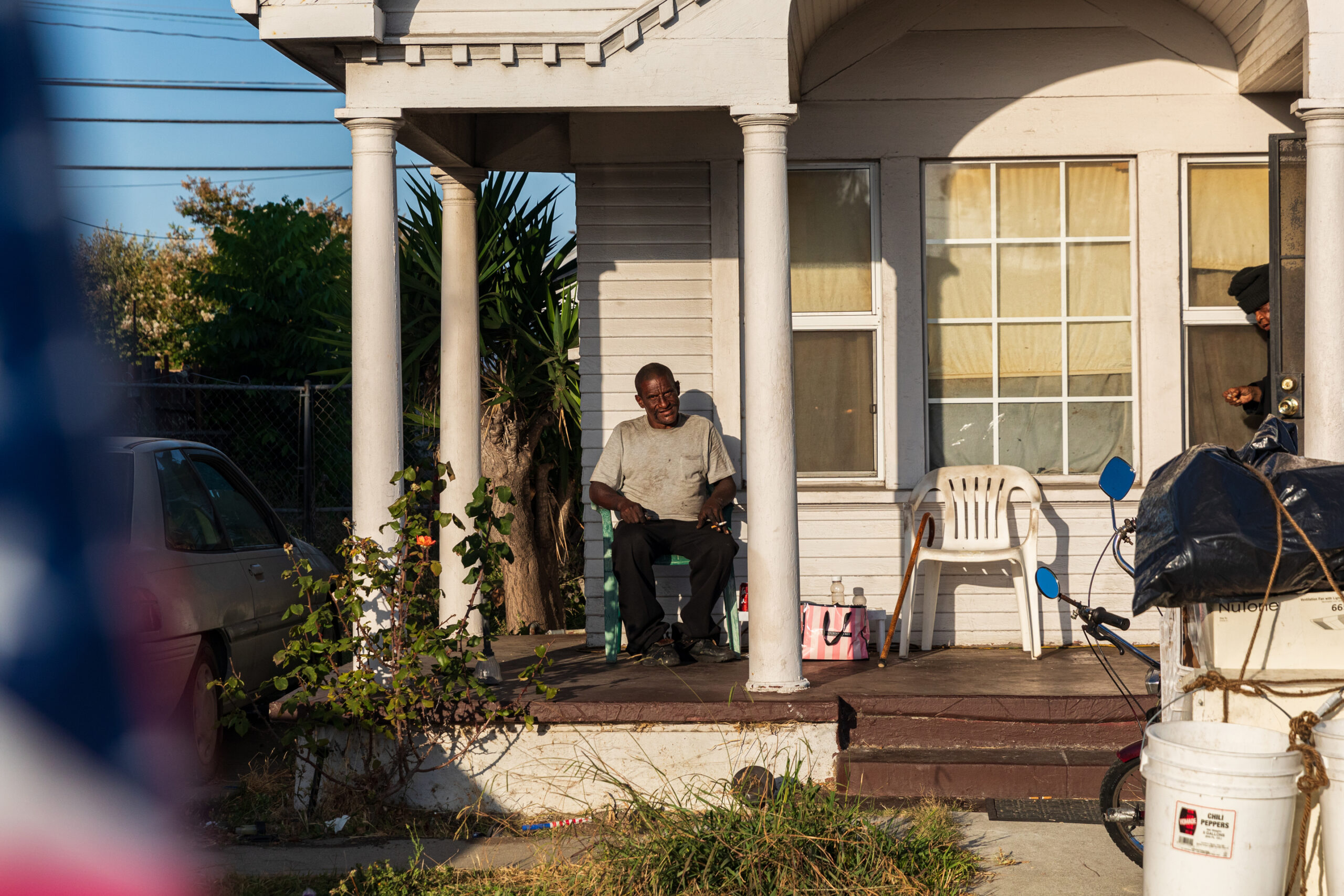
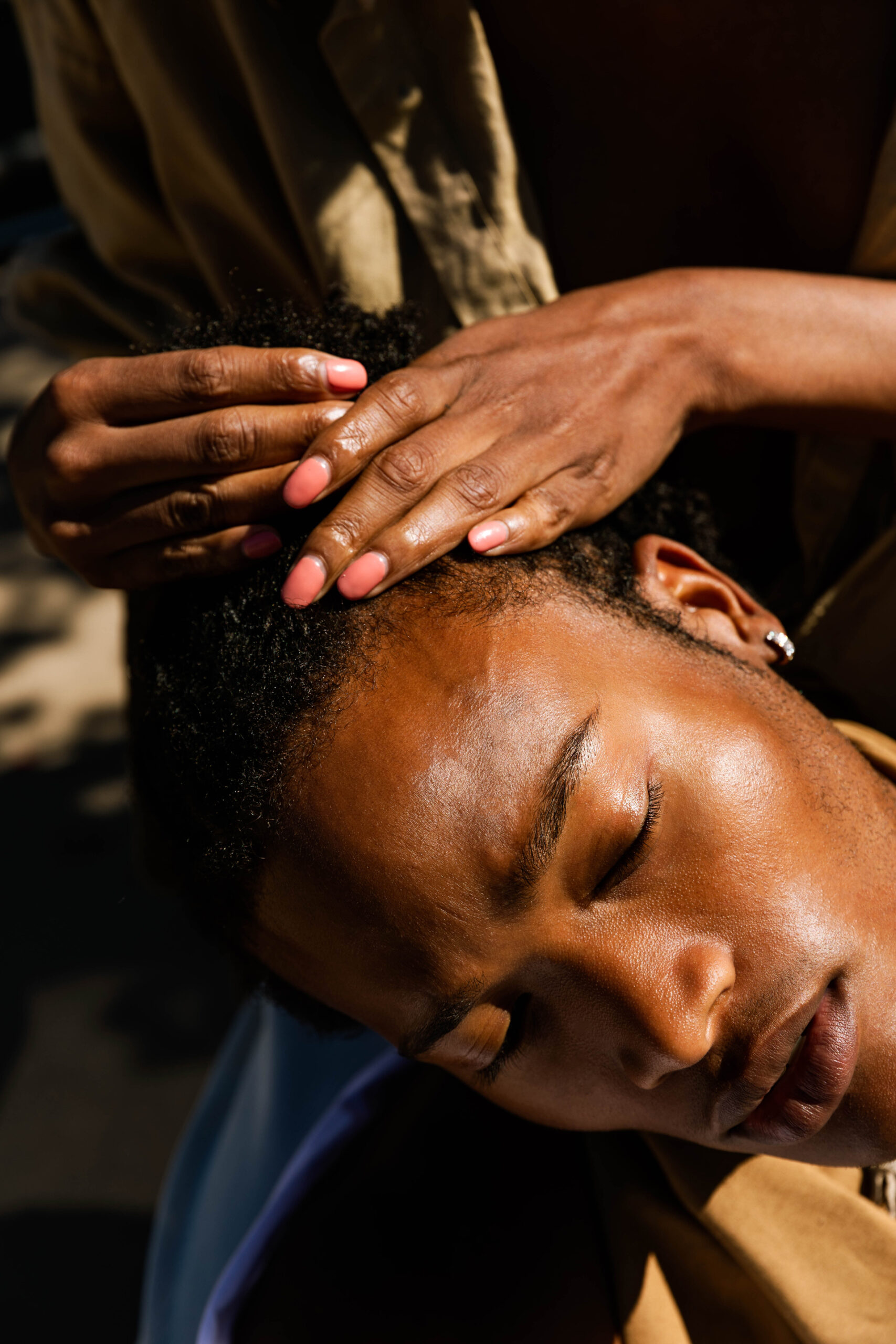
“This is one of my neighbors. I had never met him before, but I was just going on a photo walk through my neighborhood and there was something so peaceful about the way the sun was hitting him while he rested on his porch. I didn’t grow up in predominantly Black neighborhoods, so this isn’t something I grew up seeing. This is the kind of moment that I really cherish.”
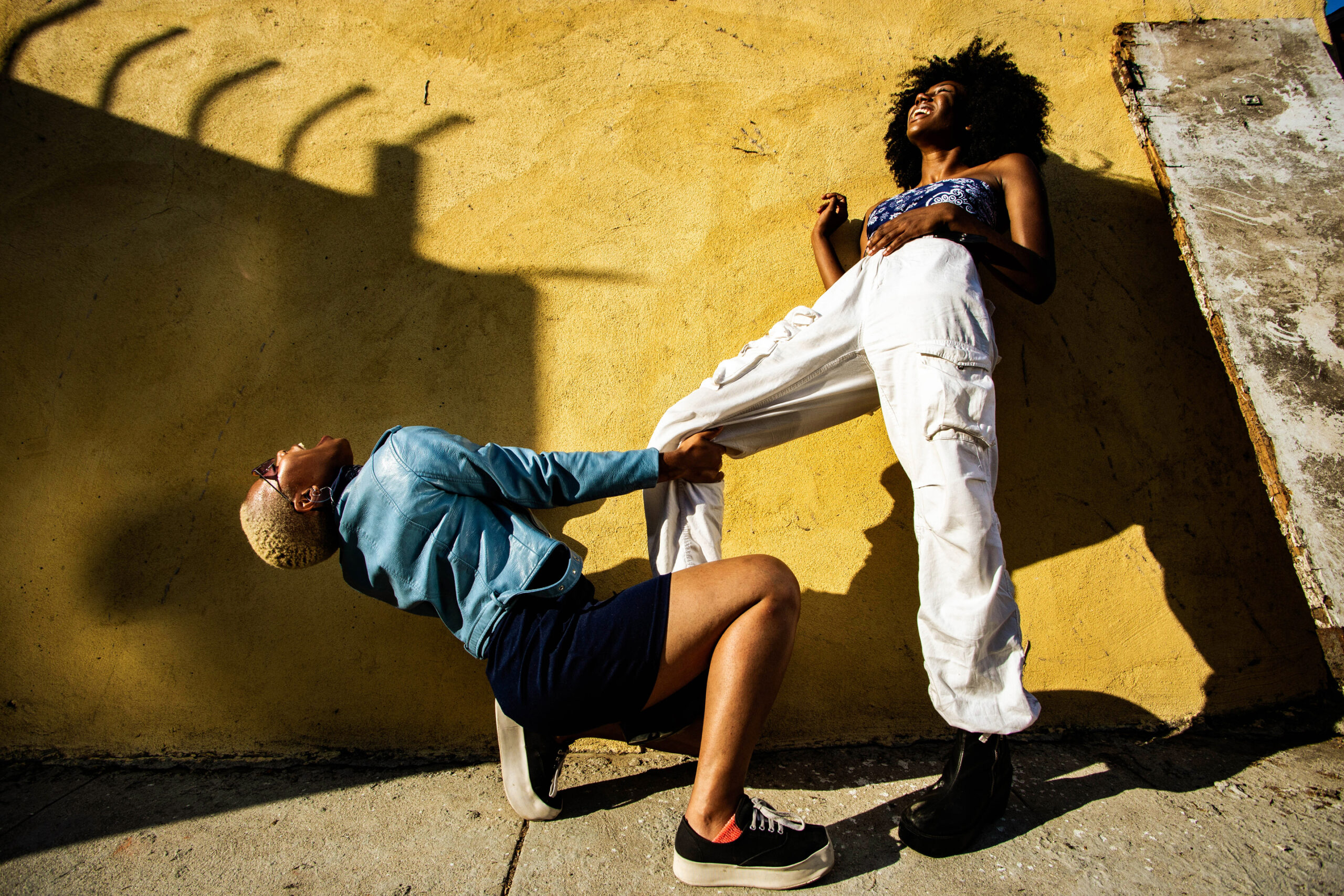
“This is my cousin and her friend. We were all hanging out, and I was looking for a way to visualize the intimacy within friendships as a kind of precursor to my 2019 series, Lovers or Friends.”
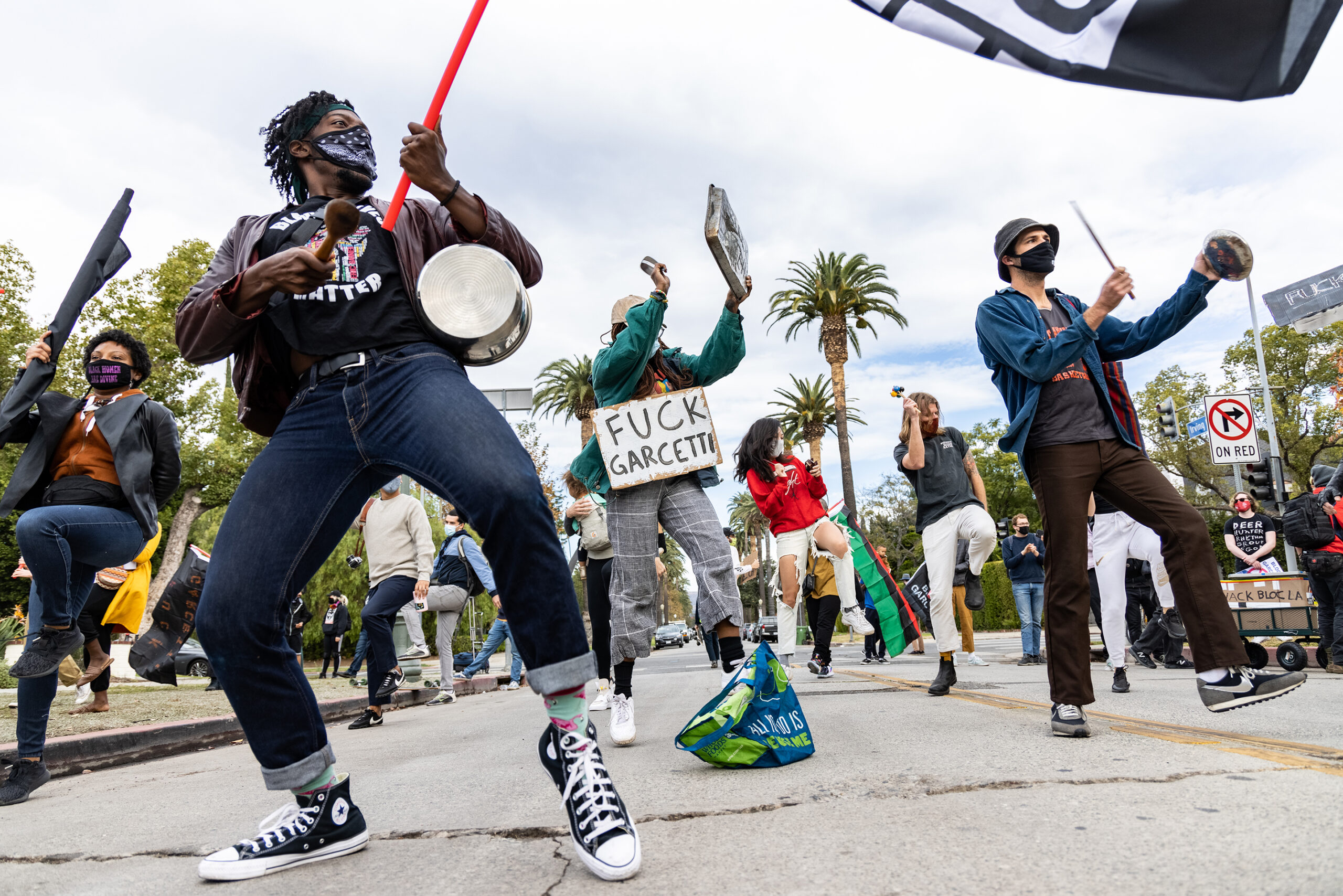
“This is another one from when people were protesting outside Getty House, Garcetti’s official residence. The energy was intense but watching folks come together to fight for what they believe in left me feeling so hopeful.”
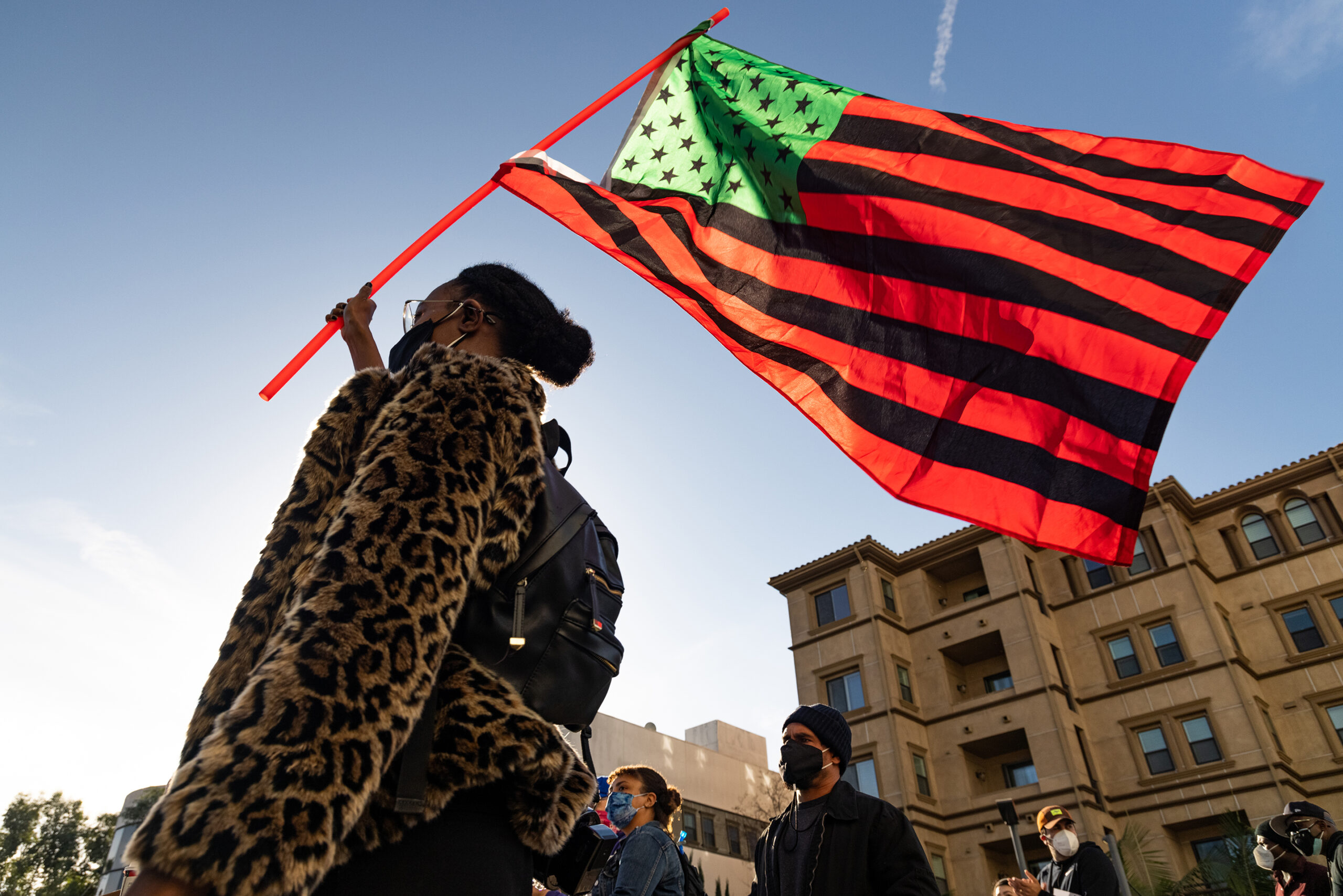
“For nearly three weeks folks gathered in front of Getty House calling for Garcetti to publicly state that he would not accept any position in Biden’s cabinet. The sound of chants and clanging pots and pans filled the air up and down Irving Boulevard.”