Your bag is empty.

Frieze Los Angeles 2020 proved, both in scale and representation, that the fine art world’s patriarchal old guard is losing ground
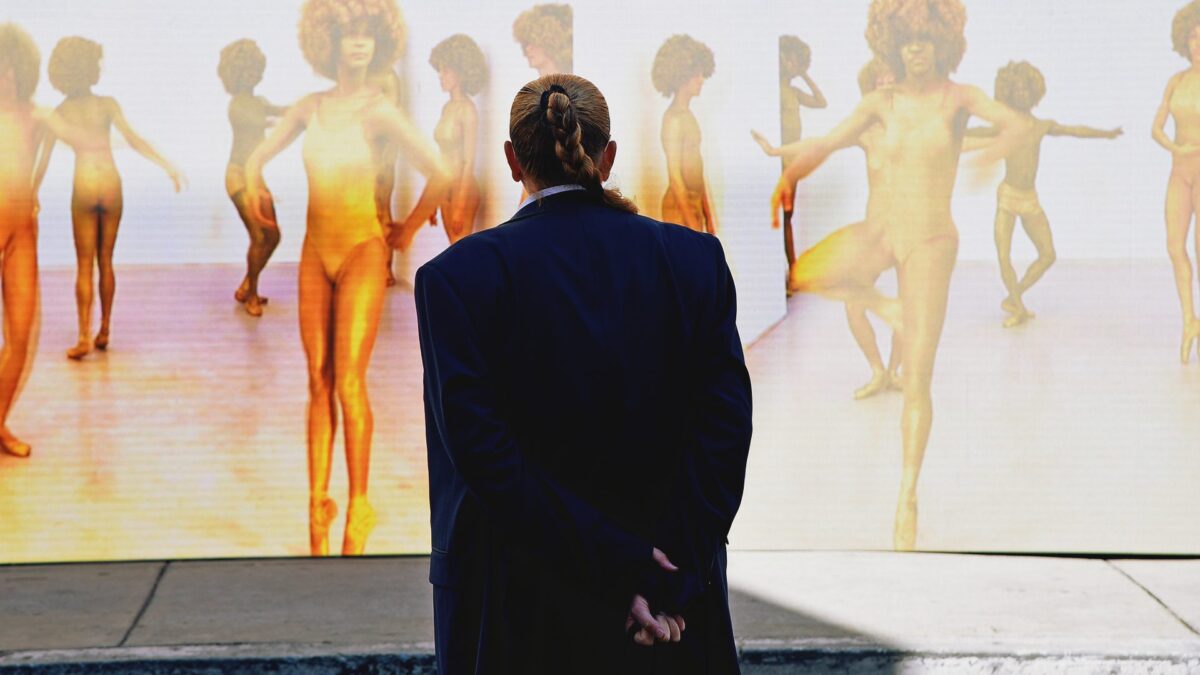
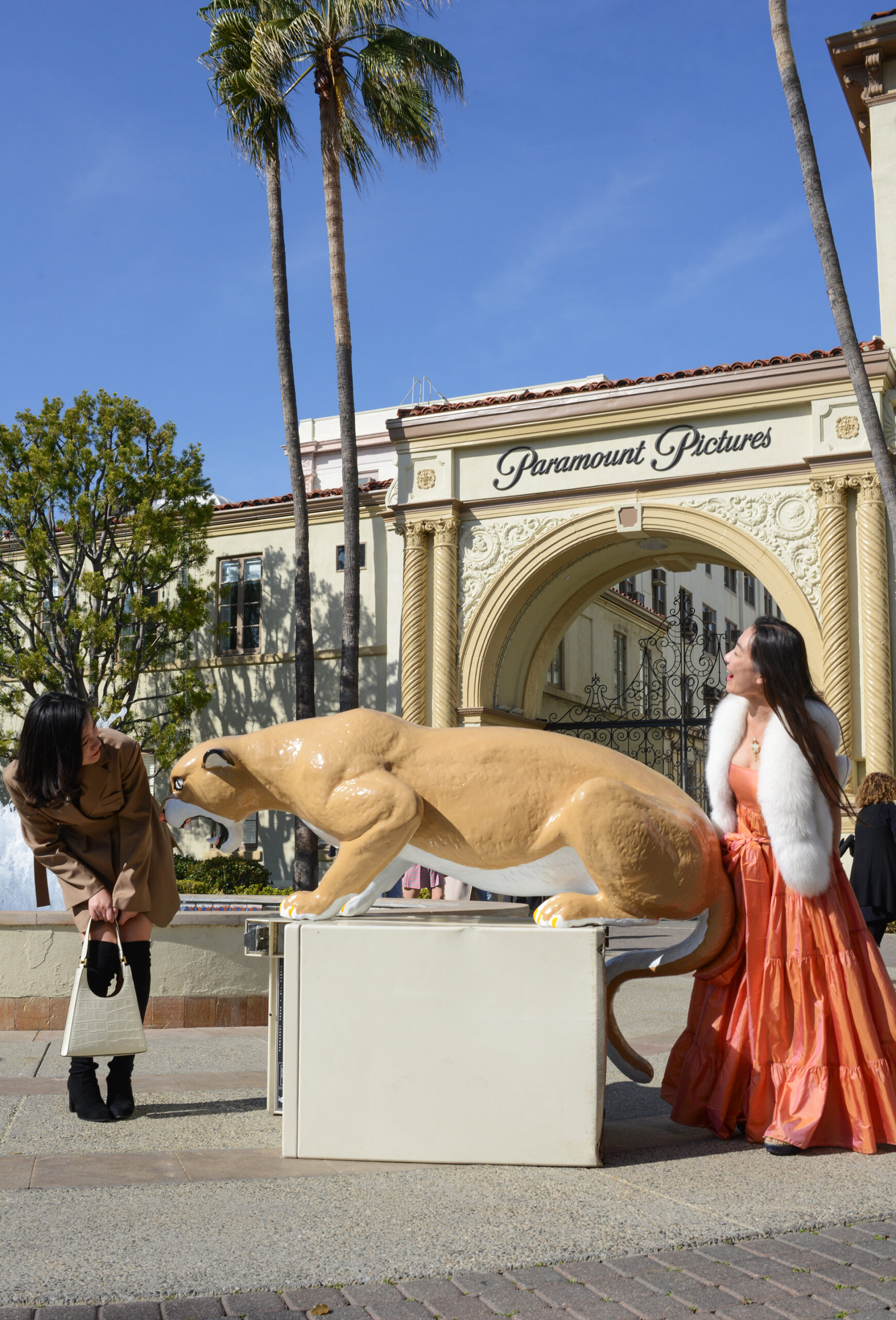
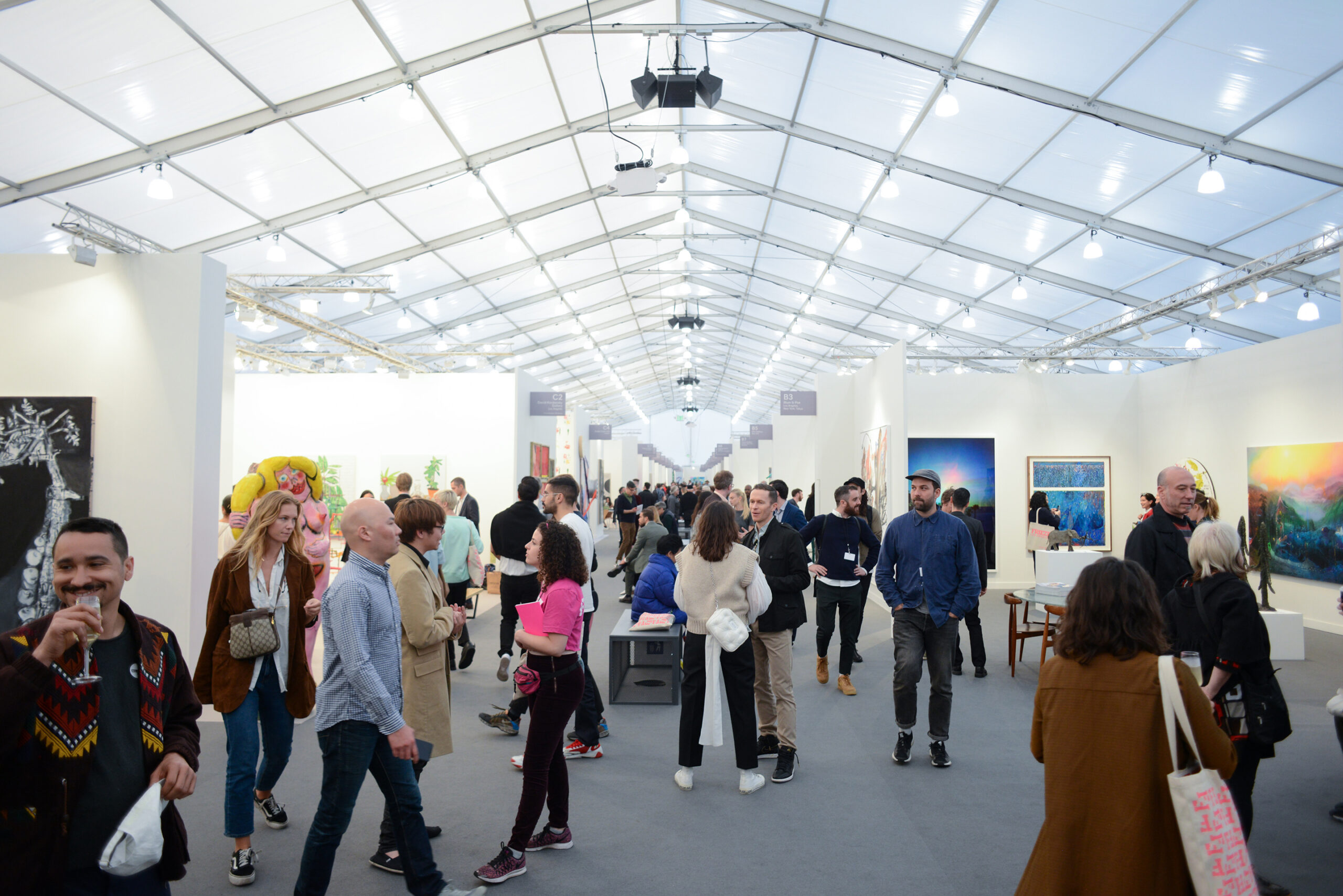
You may have enjoyed a romantic outing on Valentine’s Day, but February 14 also saw a sold-out crowd of some 35,000 art lovers and dozens of dealers gathering on Hollywood’s Paramount Pictures lot, hooking up in an entirely different way.
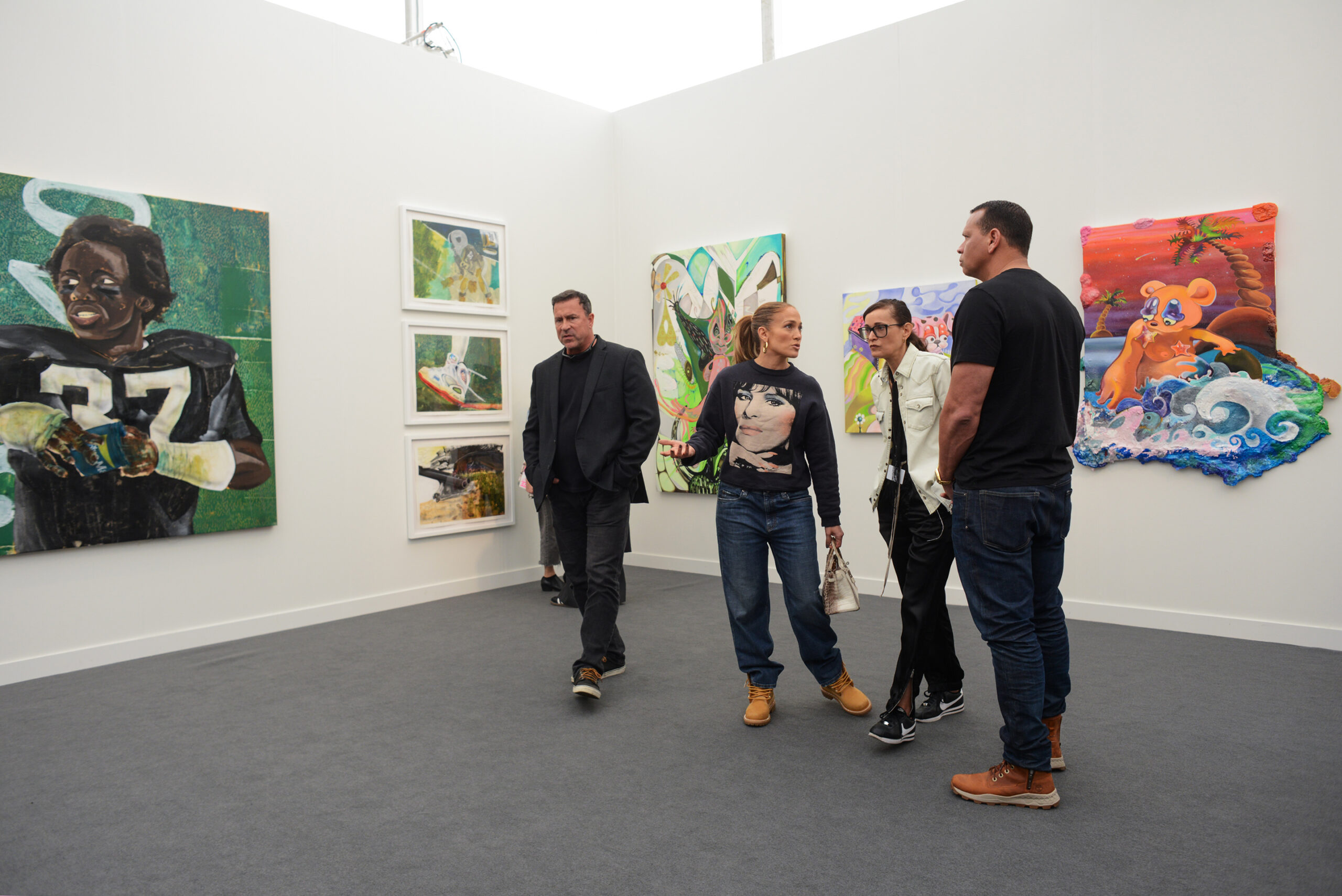
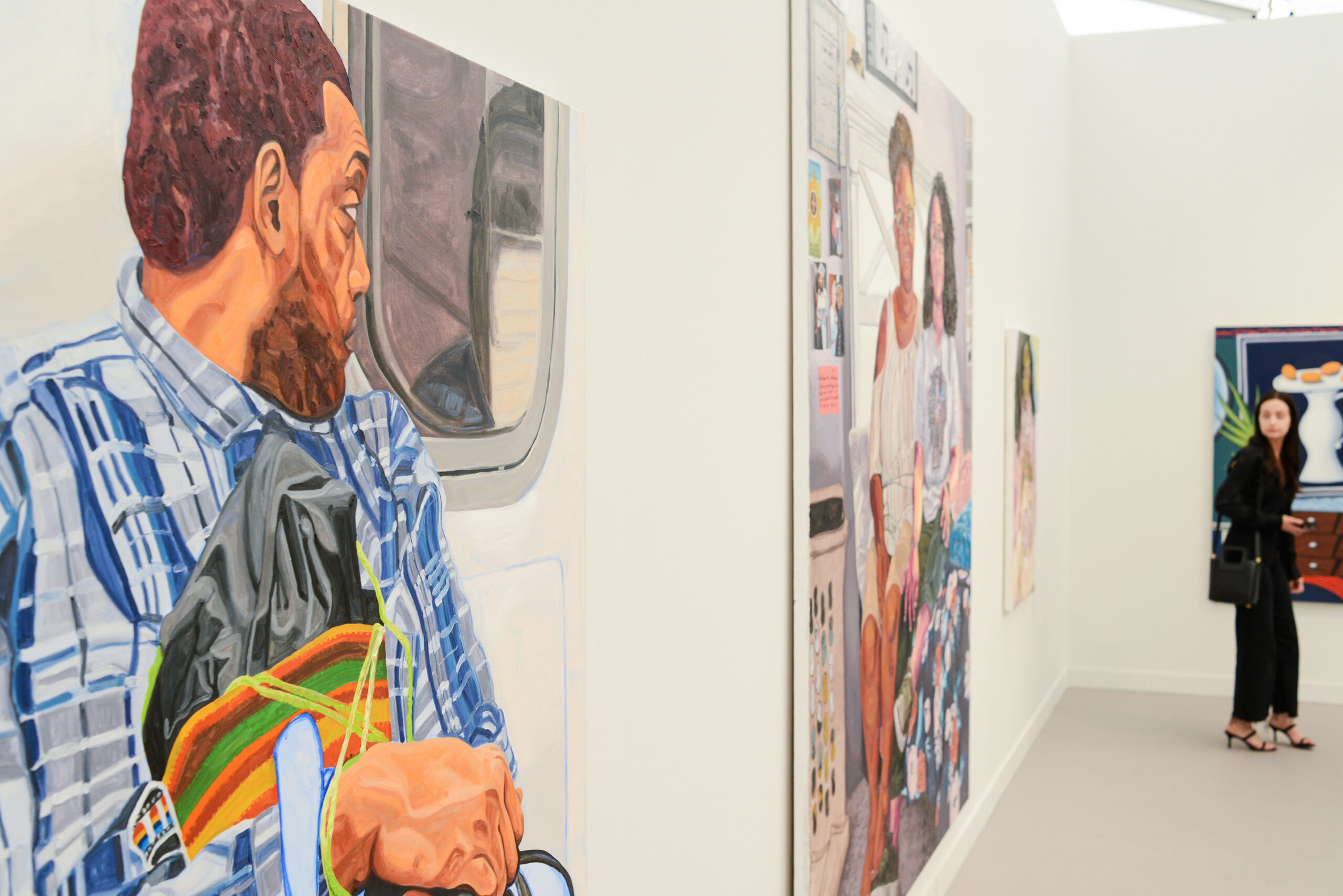
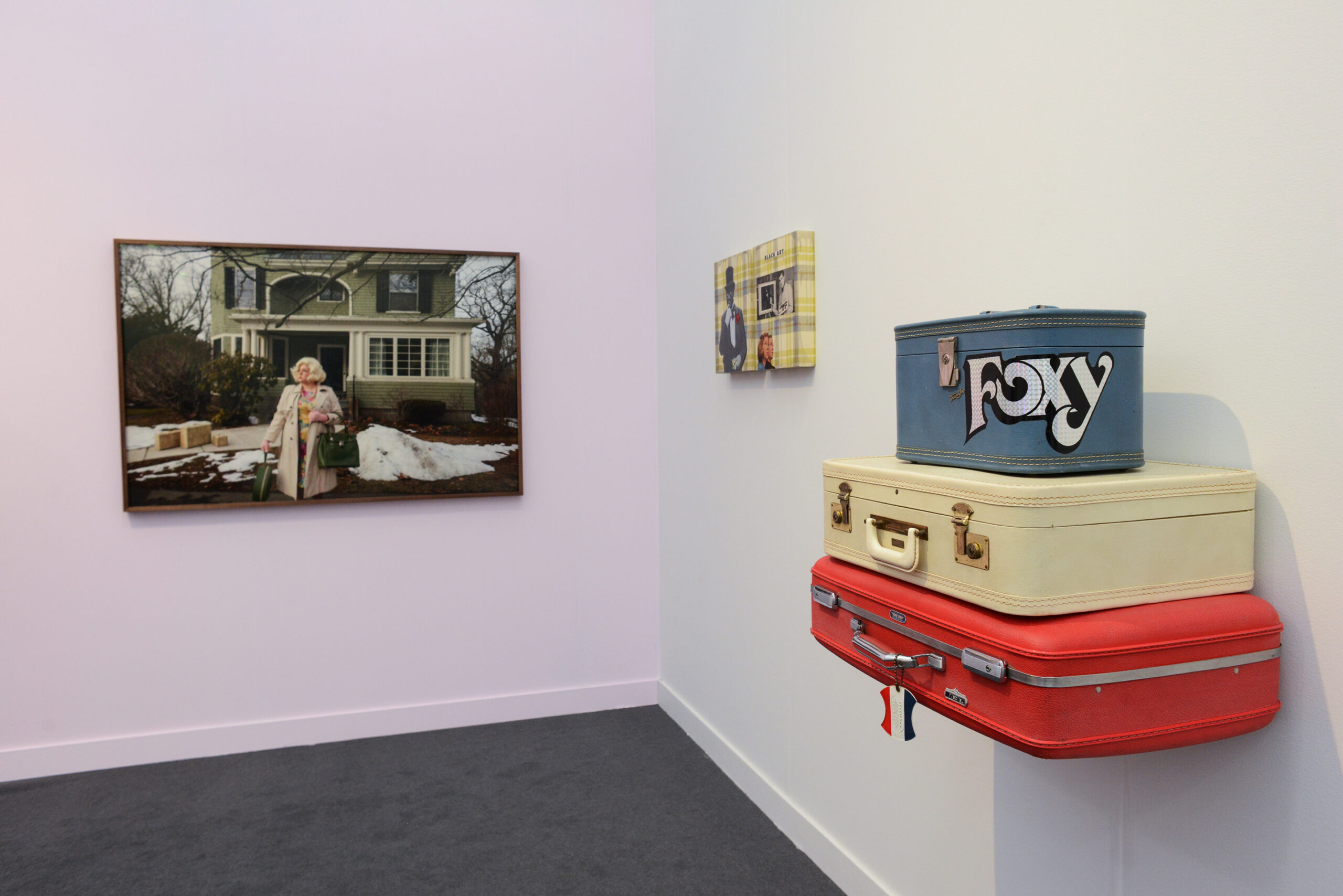
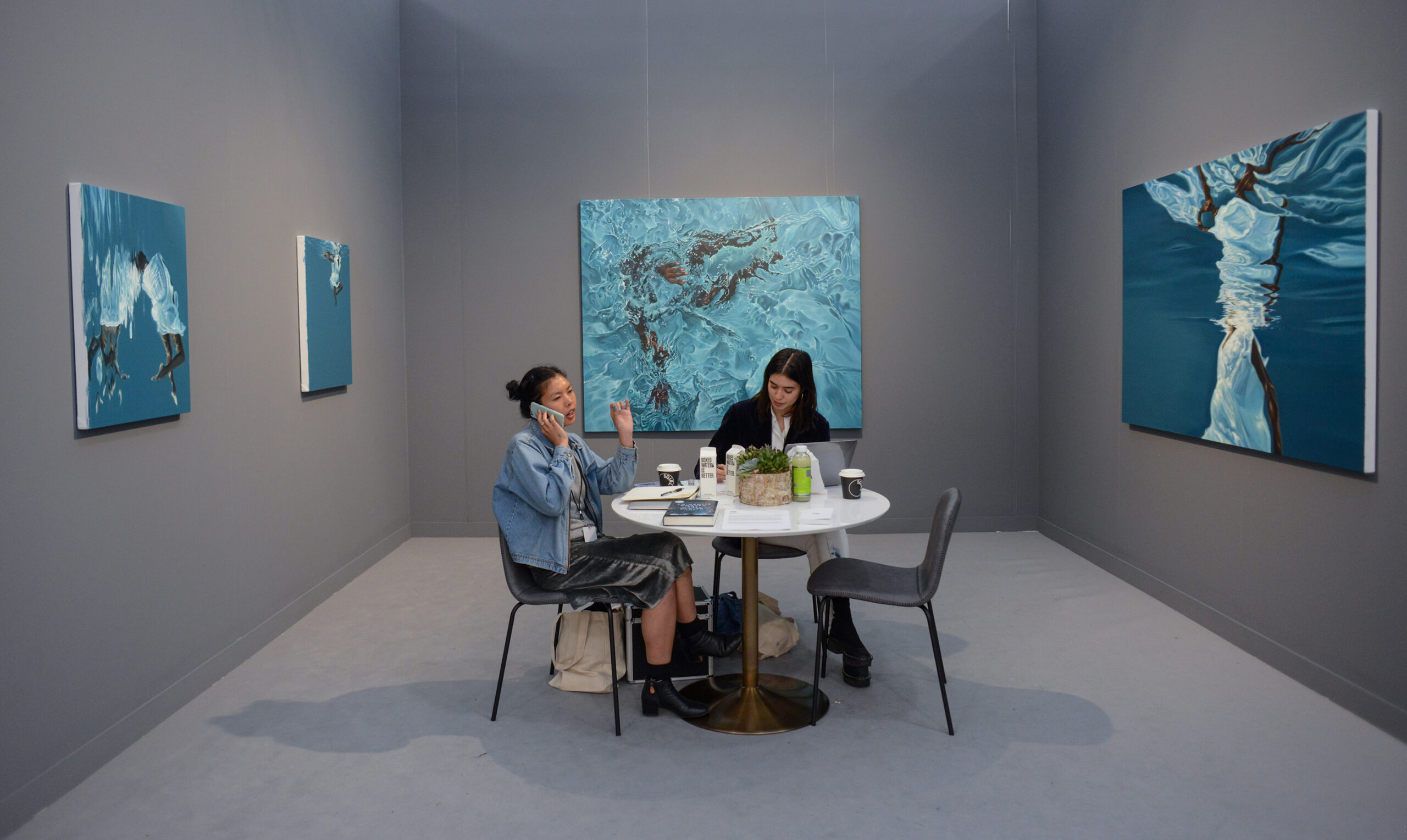
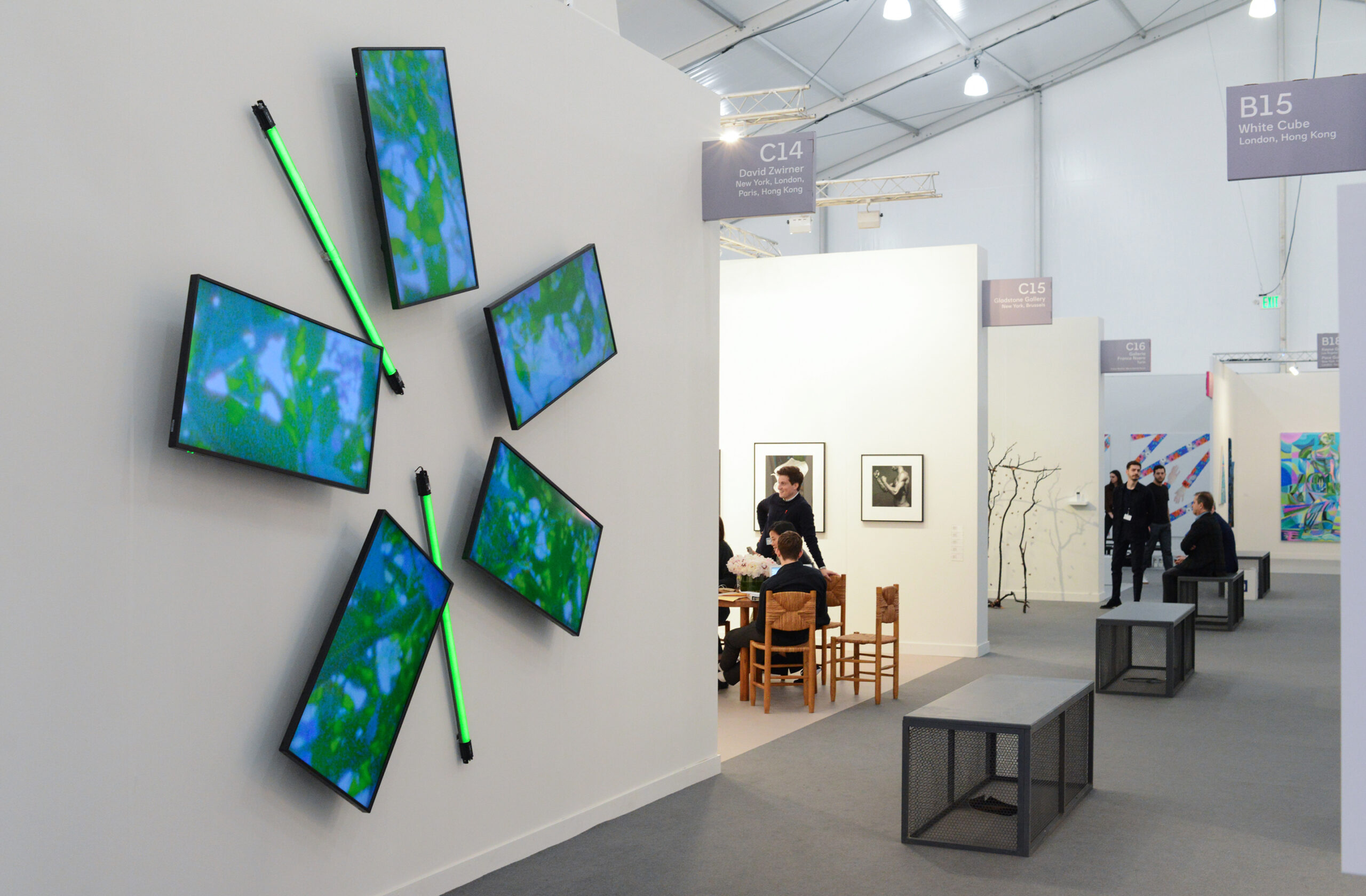
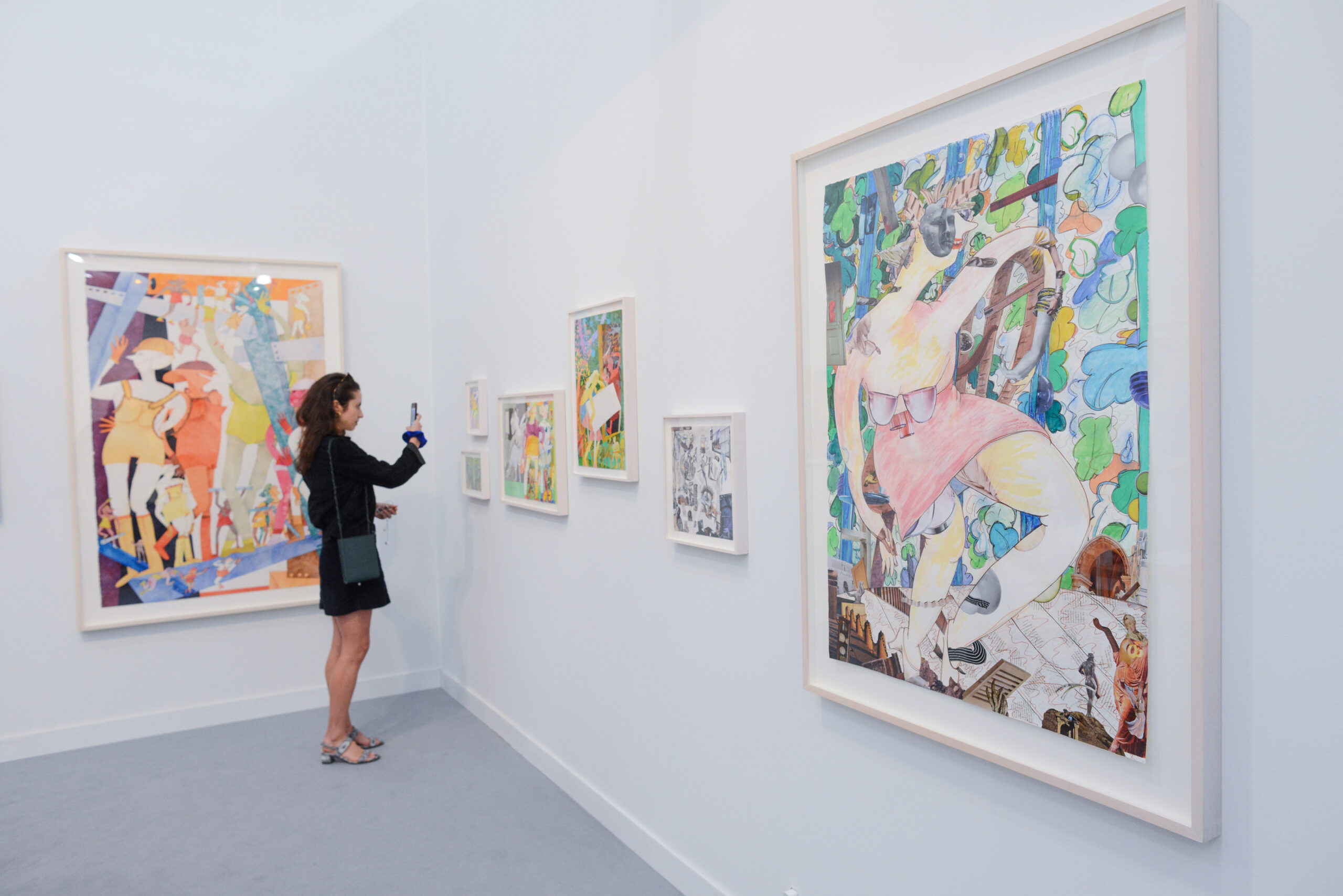
That was the opening day of Frieze Los Angeles, the sophomore edition of a nearly two-decade-old international art fair franchise. The event hosted 60 galleries, all by invitation, hailing from cities from L.A. to New York, Berlin to Tokyo, Seoul to São Paulo. Celebrity attendees included Leonardo DiCaprio, Natalie Portman, A-Rod and J.Lo, along with art-world royalty like collector Jean Pigozzi and artist Mark Grotjahn. But arguably the greatest success of the whole Frieze empire is that all of its fairs are run by women.
Another crucial metric of success is, of course, whether business is getting transacted, and in L.A. the galleries were selling big-time. While last year’s highest reported sale was $1.6 million, for a Yayoi Kusama painting at Lévy Gorvy, this year saw Gladstone Gallery notch $3.7 million for a Keith Haring painting and David Zwirner sell a $2 million Neo Rauch canvas. (It should be noted that these private transactions can’t be independently verified.)
Backed by Hollywood talent agency Endeavor and with a deep-pocketed host committee, which in its debut year featured Eli and Edythe Broad, Brian Grazer, Eugenio López, Tobey Maguire and Serena Williams, Frieze has been a major hit, bringing in blue-chip galleries like Gagosian and David Zwirner. Its female leadership isn’t unique among substantial, top-flight fairs—TEFAF (The European Fine Art Fair) just promoted Sofie Scheerlink to director, and FIAC (Foire Internationale D’Art Contemporain) is headed by Jennifer Flay—but Frieze, whose four fairs total 550 exhibitors, towers over those in size. Its most comparable fair is Art Basel, whose three editions host 800 dealers; former journalist Marc Spiegler runs that sprawling affair.
The art world may have a reputation for being generally progressive, but the situation on the ground does not always support that image. A recent in-depth study by Sotheby’s in-house publication In Other Words, in collaboration with industry website Artnet News (where, by way of disclosure, I am a contributor), found that over the last 10 years of auction sales, with nearly $200 billion worth of art changing hands, just $4 billion were by women—a mere two percent. The same study found that just 11 percent of acquisitions and 14 percent of exhibitions at more than two dozen major American museums over the same period were devoted to women.
So who are the women running the show? Heading the entire operation is Frieze fairs director Victoria Siddall, who also oversees Frieze London and Frieze Masters. Co-founder and executive director of Frieze Los Angeles is Bettina Korek, founder of L.A. art production organization ForYourArt. Artistic director for Americas and Asia and head honcho of the New York edition is Loring Randolph, formerly a director at New York gallery Casey Kaplan.
Siddall presides over a remarkable empire. Having started out in London in 2003, the fair reproduced itself twice in 2012, launching Frieze Masters for historical art (masterminded by Siddall herself) and Frieze New York, also for contemporary art. The company added Frieze Los Angeles to the portfolio in 2019. Some other major fairs are female-led, such as New York’s Armory Show and Artissima, in Turin, but those are one-date, one-site fairs; Frieze spans the 5,437-mile distance from London to L.A. and the months from February to October.
On the fair’s breezy opening day, Korek met with Playboy on Paramount Pictures’ New York-themed back lot. “For many years I had an exhibition space across from the Los Angeles County Museum of Art,” she said, “and we presented the artist Micol Hebron’s Gallery Tally project, an open call for artists and designers to create graphic representations of the gender makeup at galleries.” The numbers? Only about 30 percent of the artists represented by all the tallied galleries were women.
But Korek sees hope in the city’s art community.
“There’s a really strong network of women who support each other in the art world in Los Angeles,” she said. “Certainly there’s our leaders; [Hammer Museum director] Ann Philbin in particular, who goes out of her way to support other women. [Broad Museum founding director] Joanne Heyler is another legend, who established the Broad as a destination off the bat and made sure there was programming that supported different art worlds in Los Angeles. There are cohorts of dealers like Shaun Regen, another L.A. legend,”
She went on: “[Artist] Catherine Opie is another stalwart, and someone that I think many of us rely on for advice. I’ve been so lucky to work with Barbara Kruger. I always consider, ‘What would Barbara think?’”
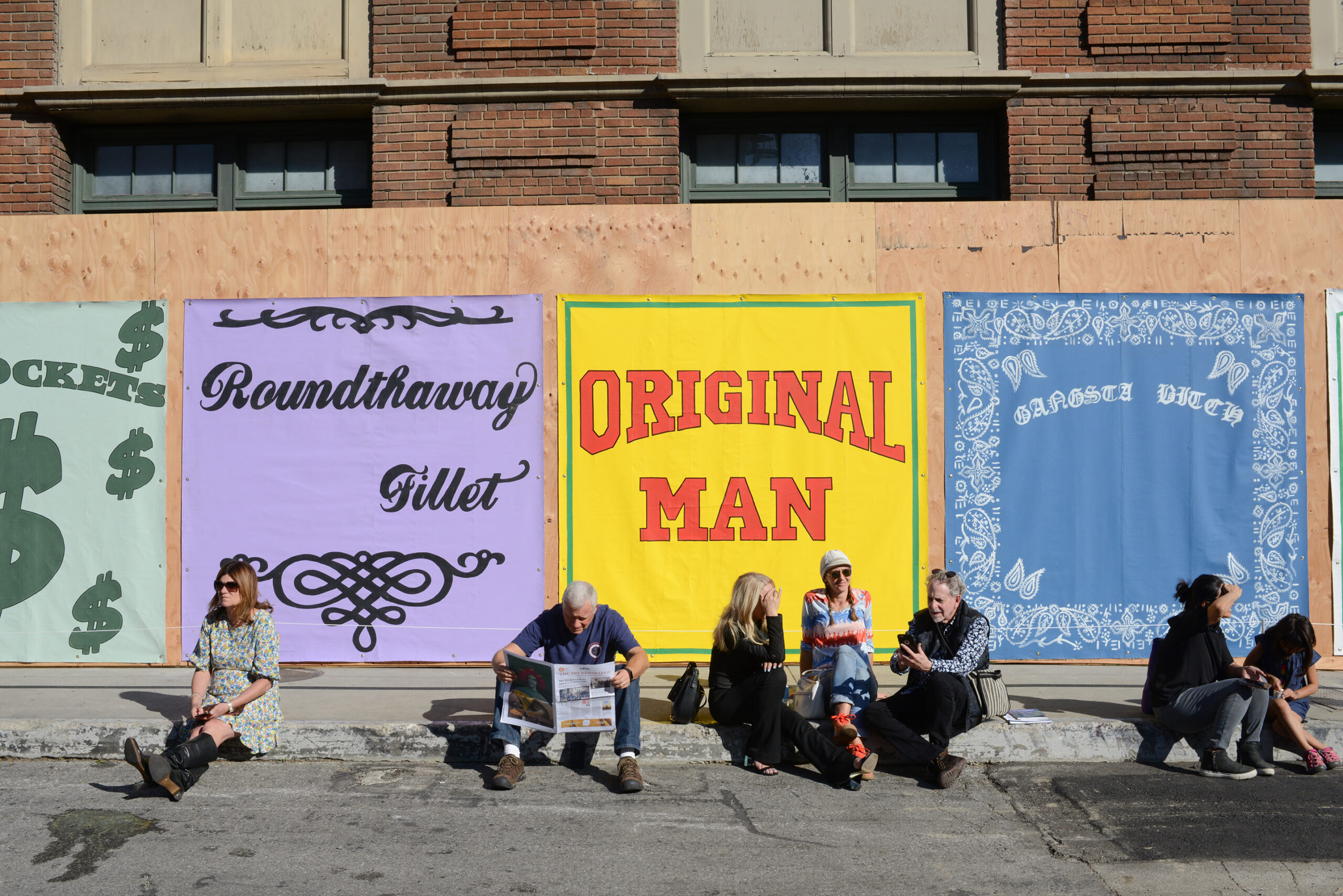
(This year the fair presented murals throughout the city with questions penned by Kruger. An especially timely piece read, “Who buys the con?”)
Like no other event of its kind, Frieze was a British magazine long before it became an art fair. Founded in 1991 by editors Amanda Sharp and Matthew Slotover with the artist Tom Gidley, it’s a leading publication in the art world, with savvy commentary on art, film, architecture, books and sundry cultural phenomena. It’s partly to this broad purview that Korek and Loring Randolph attribute Frieze’s success overall, placing curation equal to market considerations. Given that the magazine was founded with a woman as an equal partner, it’s plainly a company that fosters gender parity.
“Amanda Sharp is a really empathetic leader,” said Korek, “and I think that translates to having a team around her that’s trying to keep the spirit in which she and Matthew started the magazine.”
Loring Randolph started off an interview, over coffee during the fair’s opening hours, by offering one remarkable data point.
“Frieze hired me when I was seven months pregnant,” she said. “I was surprised about that.”
Frieze’s success, Randoph said, “stems from how Matthew and Amanda ran the company from the beginning: more like a small family-run business rather than a large, corporate entity. They valued things about people that other organizations maybe didn’t. They recognized people’s strengths in their differences—and while corporate culture likes people to be in a mold, they championed the eccentrics, the intellectuals. That was important to the magazine’s beginnings, and the fair was born out of that group of people.”
As if in reaction to the government’s hard rightward swing, many in the U.S. art world are seizing the moment to address imbalances. The Baltimore Museum of Art auctioned off over $7 million worth of artworks by white men including Andy Warhol and Franz Kline in 2018; with that money, in 2020, the museum will buy only works by women and artists of color. On the West Coast, the San Francisco Museum of Modern Art sold a $50 million Mark Rothko canvas in 2019 to raise funds to diversify its collection.
The sales floor at Frieze also saw one bright call for progress. The artist Michele Pred wore an unmissable dress made of pink dollar bills stamped with the words “equal pay.” She’s asking female artists to raise their prices by 15 percent on March 31, Equal Pay Day in the U.S.—and requesting that dealers charge more and that collectors pay more for women’s works.
To Randolph, much has changed even since 2006, when she got started in the art world. Thanks to cultural watersheds like MeToo and the Women’s March, fewer art world gatekeepers are blocking people out based on race or gender.
“It’s much easier to talk about the problems than the strides,” she said. “We’re knocking barriers down day after day.”