Your bag is empty.
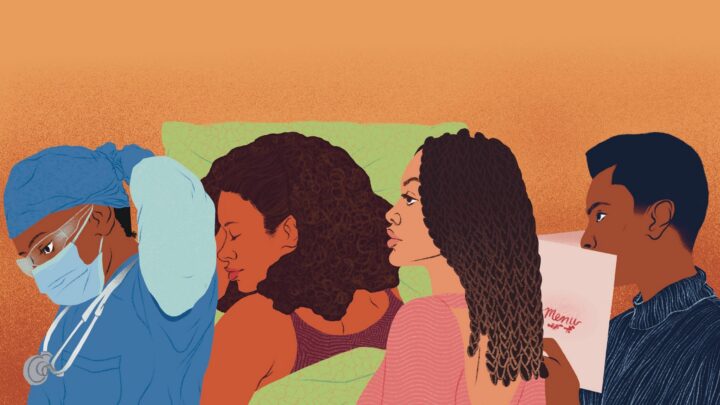
At the cookout, there’s respite from a world that causes so much harm

Recently while waiting in line at the grocery store, the cashier and I started humming the same tune. We both instantly recognized it as it began to play through the store’s soundsystem, and as the two of us strained to hit the falsetto neither of us could accommodate, we shared a glance and a laugh. “This just reminds me of uncles and barbecues,” he said. Exactly, I said back to him.
The song was William DeVaughn’s 1974 classic “Be Thankful for What You Got.” It was released a full twelve years before I was born and still I’d wager that I’ve heard that song more than any other in my lifetime. That may not be accurate, but the familiarity and nostalgia that it conjures makes me feel that way. I heard it in every car I rode in growing up, at every relative’s home I visited, and, of course, at nearly every barbecue I attended. It’s truly perfect for when the sun is setting and the coals have died down, when the kids are a bit worn down from the running around and the older folks are just hitting their storytelling stride.
Black music has, since the time of spirituals sung on the plantation, captured the pain of our experiences as an oppressed minority in a violent racial hierarchy, as well as the aspiration of escape.
At its core, “Be Thankful for What You Got” is a preachy song, like many on DeVaughn’s album of the same name, carried on to mainstream success by a combination of catchy melody and genius arrangement. But I believe it has also endured past its moment, to the point I knew it as a kid and the grocery store cashier even younger than me did as well, because it’s preachiness is simplified in a way that resonates, especially with an audience that, by most metrics, has very little to be thankful for.
Black music has, since the time of spirituals sung on the plantation, captured the pain of our experiences as an oppressed minority in a violent racial hierarchy, as well as the aspiration of escape. And then there are songs that dwell on neither, that take on a different emotional register and ask us to consider a different mindspace altogether: pleasure.
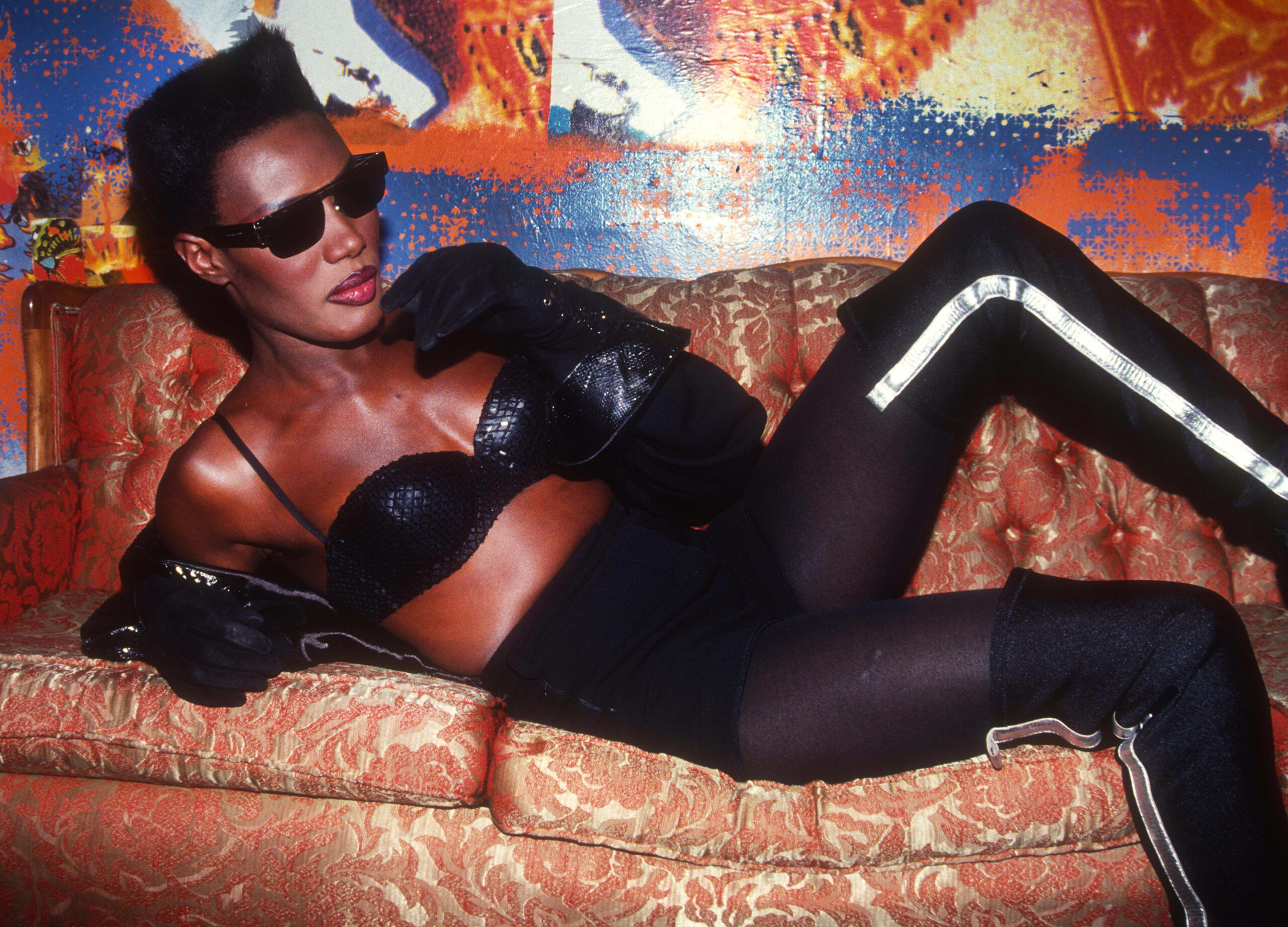
The pleasures vary, of course, depending on your taste. Sex and romance are constant themes, perhaps because they have fewer barriers to attainment than any material goods and offer premium on their return, but pleasure is found in a great number of places, people, and things. Aretha Franklin could find it in God, Grace Jones in the club, Run-DMC in their Adidas. In “Be Thankful for What You Got,” William DeVaughn isn’t so specific, but he makes a direct ask of the audience to eschew their aspirational pleasures (namely that lasting symbol of success in black communities, the Cadillac) in favor of those they already have. Without the specificity of any one source of pleasure the song becomes adaptable to whoever is listening and their personal station. Pleasure is possible, DeVaughn suggests, wherever you are and no matter what you have.
American institutions remain committed to upholding racial hierarchies, while simultaneously attempting to convince us that these ideas have been relegated to history.
And for a people often deprived of the basics that make a focus on pleasure possible, it’s a hopeful message that has become a form of inheritance. I have lived nearly thirty-three years as a black man in the United States, and despite the rhetoric of progress it is clearer every day that the ideology of white supremacy is deeply embedded in the American psyche and will not be leaving any time soon. I am reminded of this whether the news is reporting that the police officer who put Eric Garner in a chokehold will keep his job, or the mobs at a Trump rally are inciting violence against Rep. Ilhan Omar. American institutions remain committed to upholding racial hierarchies, while simultaneously attempting to convince us that these ideas have been relegated to history.
But pleasure is still possible and being present for pleasure does not mean you are ignoring injustice. Sometimes it is simply a matter of remembering, as DeVaughn implores us, what you do have. For me, one of those things is his song, and the way it connects me to people and memories. That moment in the grocery store, exchanging smiles with another black man, reminiscing on the ways in which “Be Thankful for What You Got” has shown up in our lives was its own pleasure. Recalling the pleasure it brought to family and friends—uncles holding court over a smoky grill, aunties hitting that one dance move they’ve perfected, kids repeating lyrics they don’t quite understand but feel connected to nonetheless—brings up a pleasure of another kind. And for a time, whether it lasts a minute or an hour or day, there’s a respite for the world that causes so much harm.
Who knows: you could be lucky enough to string together enough moments of pleasure to fuck around and actually be happy.
SisterSong is a national nonprofit dedicated to reproductive justice for women of color. As a longtime advocate of the right to choose, PLAYBOY has decided to partner with the organization for Black History Month. Join us in supporting their work!