Your bag is empty.
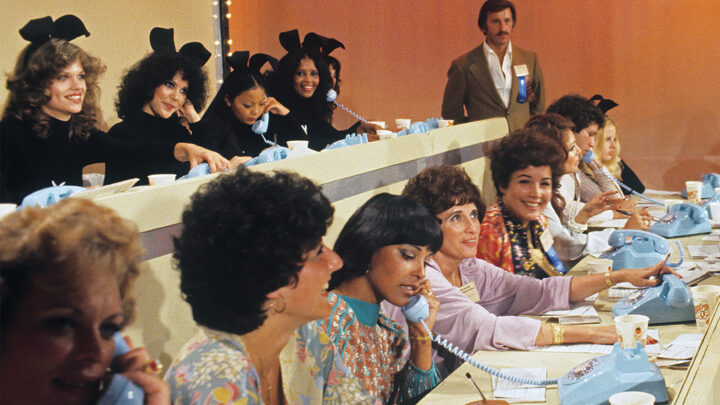
Black Lives Matter co-founder Alicia Garza started Black Futures Lab, a nonprofit doing critical work to keep the Black political machine up and running year-round
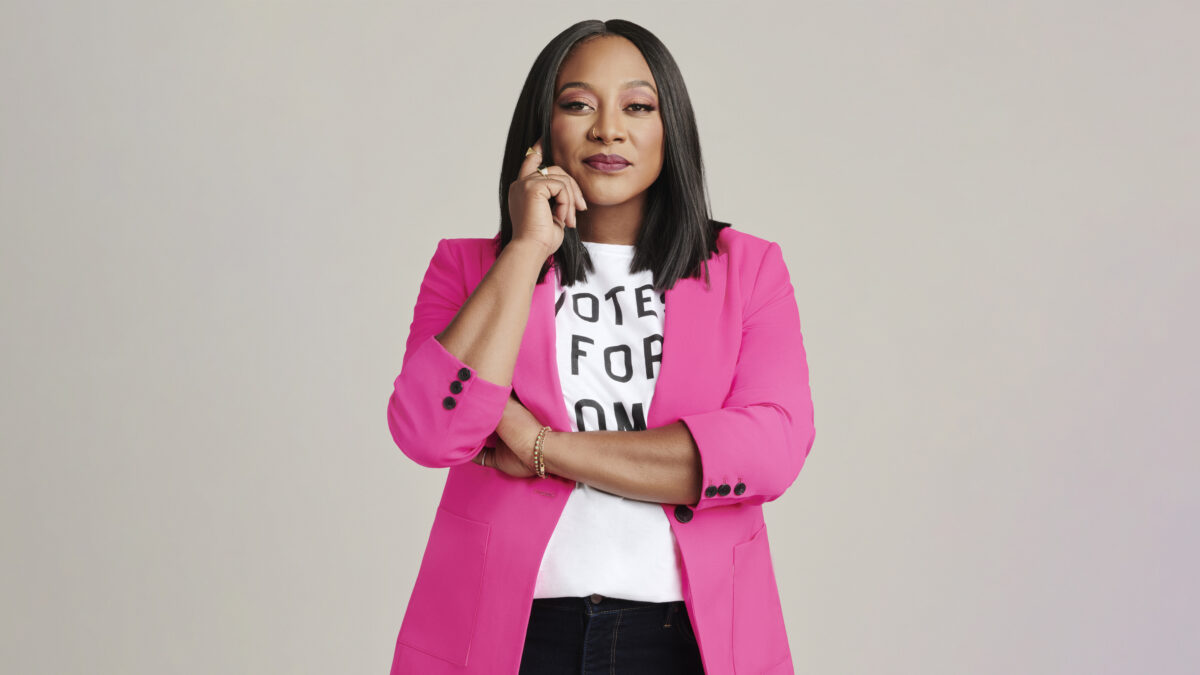
After returning home to Mississippi from World War II, Medgar Evers, future NAACP field secretary and civil rights leader, attempted to vote in a local election. He and several other Black veterans were met by a white mob and driven away from the polling site at gunpoint.
“All we wanted to be was ordinary citizens,” he would later say of the incident.
The 15th Amendment, added during Reconstruction, states the right to vote “shall not be denied” on the basis of “race, color or previous condition of servitude.” Yet the full rights of citizenship have been denied to Black Americans and other groups since this country’s birth.
Now we find ourselves in another “reconstruction” of sorts. In November, Black voters held this crumbling republic together through sheer collective will, pushing Joe Biden and Kamala Harris into White House by inches. Black people once again showed up for a country that has rarely shown up for them. And they did it in the midst of rampant voter suppression and at the height of a plague. The democratic experiment alluded to in America’s founding documents still had a pulse, though it was on life support.
Participation is critical, but in order for people to participate they have to be protected.
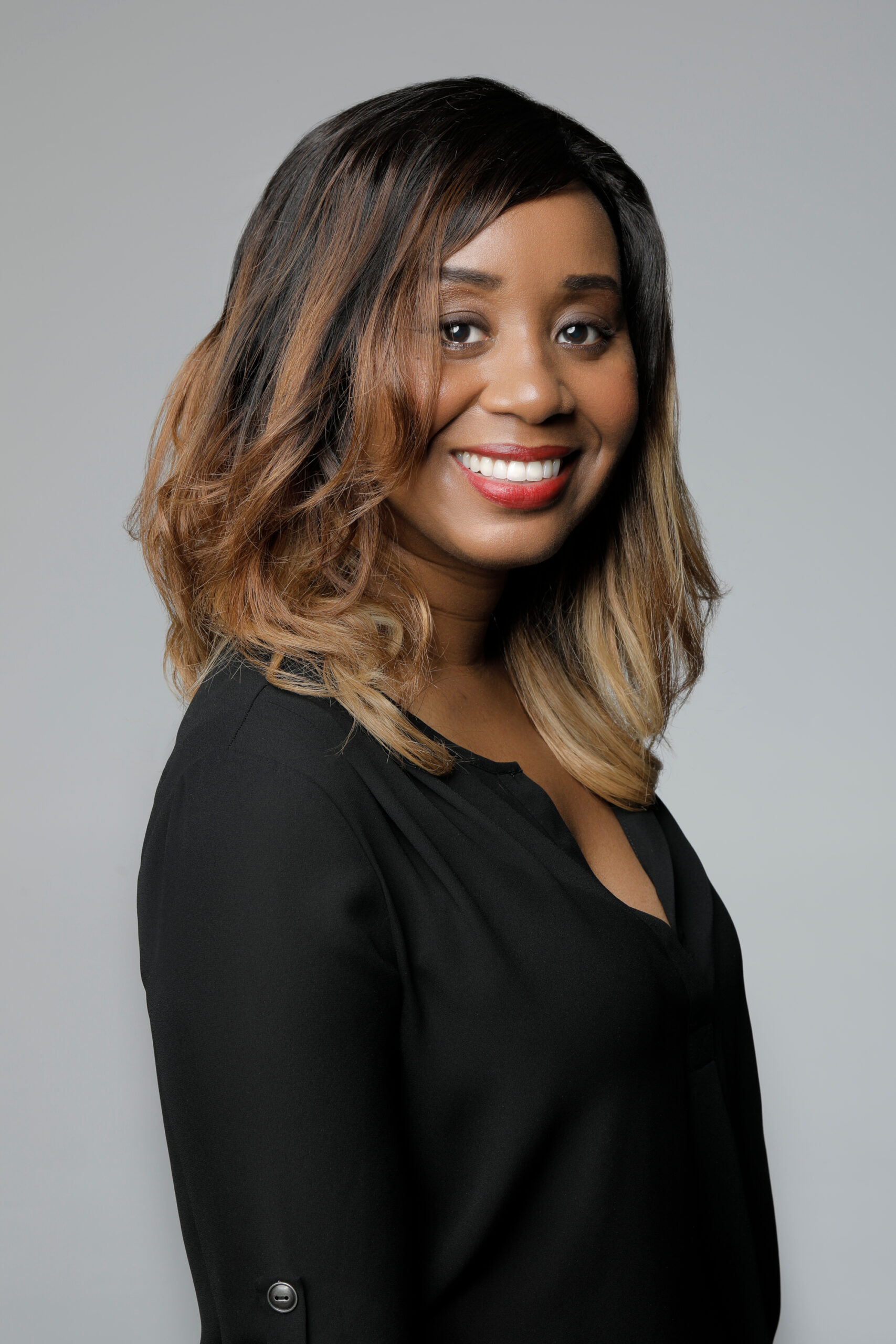
Alicia Garza is a co-founder of the Black Lives Matter movement and the principal of Black Futures Lab, a nonprofit committed to building Black political power. Founded in 2018, Black Futures Lab mobilizes activists around the country to engage Black voters year-round. Whether it’s coordinating voter registration drives, collecting invaluable census data on Black communities or battling rampant disinformation, BFL uses technology and good ol’ boots-on-the-ground organizing to save the Black vote. In 2020, BFL reached roughly 2 million Black voters.
“This is a reconstructive moment in this country. If you look at history—at the times America has had to figure out how to come back together after being deeply divided—it has always been Black voters who kept the country moving forward,” Garza tells me during a phone call.
“Participation is critical, but in order for people to participate they have to be protected,” she says. “We have suffered under the weight of rigged rules for generations.”
It’s during these moments of transition when we have to be most vigilant. True democracy is hard-won and protecting it often comes at a cost. The backlash to Black voter turnout last fall has been brutal and ongoing. First was the MAGA-fueled insurrection at the Capitol in January that left a police officer dead and imperiled the country’s future. And now activists are facing doubled-down voter suppression around the nation by Republican-controlled legislatures. Since the 2020 election, more than 250 bills aimed at blocking the ballot have been introduced in at least 43 states.
Just last week, Governor Brian Kemp of Georgia signed into law sweeping voting legislation that some are calling reminiscent of Jim Crow. The measures include restrictions on mail-in voting, the allowance of unlimited challenges to a voter’s registration and additional rules around voter ID. It’s all perniciously designed to make voting harder.
And it’s no wonder why: Black voters have made up nearly half of the growth of Georgia’s electorate over the past 20 years. It’s how the state ended up backing a Democratic president for the first time in 28 years and how it elected the first Black and the first Jewish senators from the state. Black voters overwhelmingly supported Biden; 93 percent of Black women voted for him.
“Black people in Georgia can sometimes be the canary in the coal mine for what’s coming in terms of voter suppression for other states,” says Keauna Gregory, the political director of Black Futures Lab who is based in Atlanta, a critical area of Black turnout.
Most cruel among the new Georgia laws is a stipulation making it illegal to give water to voters standing in line. This is especially targeted, since voters in Black districts are more likely to face much longer waits in order to cast their ballot, sometimes lining up for hours.
This nefarious assault on Black voting rights, along with previous tactics such as voter purges and inaccessible polling locations, all sends a clear message. Many of the people we share this country with feel that America’s gilded promises shouldn’t belong to everyone.
Enter Black women.
People like Alicia Garza, Stacey Abrams, Nsé Ufot, Deborah Scott and LaTosha Brown have been given the Herculean task of saving this country from itself time and time again, often to little fanfare.
When I ask Garza if she even feels tired, she pauses before carefully saying, “I have to be honest: I’m tired all the time. And it should be okay for us to say that. This work is exhausting.”
But what keeps her going in the face of fatigue?
“I remember that change happens at different paces. Some change takes 30, 40, 50, 100 years, and other change can happen overnight,” she says. “It’s really important to position ourselves so we aren’t trying to sprint toward things that are going to take decades, and also not moving slowly when opportunities arise.”
If we’re not going to be in this game, then these decisions are going to be made for us.
Two things are foundational to the work Black Futures Lab does: relationships and data. It partners with local grassroots organizations across the nation, linking them to improve communication and coordination on larger policy initiatives. It turns Black political power into one well-oiled machine.
One of Black Futures Lab’s partners is Erika Washington, the executive director of Make It Work Nevada, a community-level campaign that organizes on behalf of Black women and women of color in the state.
“They’ve been able to give us tools to help us reach more people,” she says. “We’re able to not only reach more people, but also solidify our brand and our footprint.”
Washington says it’s crucial for people to recognize it’s not just about one particular issue in one particular state. “So many things are connected,” she says. “As we connect these dots, we get close to Black liberation and empowerment.”
BFL uses these partnerships not only for voter education and policy pushes, but also for collecting precious data about the Black community.
Nife Olufosoye, based in Dallas, is Black Futures Lab’s organizing director. He says Black voters are often misperceived by pollsters as a monolith with all the same wants and needs. The reality is that political disenfranchisement can look vastly different for a Black trans woman in a rural Southern community and a cis Black man living in a coastal city.
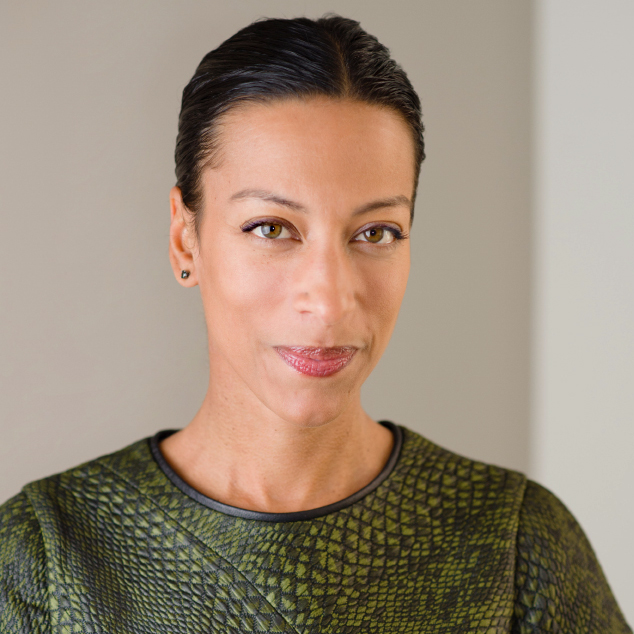
One of the first projects Black Futures Lab undertook was the launch of the Black Census Project, which surveyed more than 30,000 Black people in the United States on the issues that impact their lives.
“We’re really driven by data. Data is indispensable to good organizing,” Olufosoye says. “We’ve shared the data from the Black Census Project with a lot of our partner groups. We utilize data to highlight areas of political alignment across demographics within the Black community.”
Meanwhile, BFL’s Black to the Future Public Policy Institute works within the system to nurture the next generation of Black policy leaders and advance policy outcomes for Black people. During the 20-week program, participants study the art of policymaking, learning from career strategists. Last year’s inaugural class had 39 fellows.
“We got into the tools and tactics of how bills become laws, how budget processes work, how to get bill sponsors—the groundwork of how policy gets made,” says legal advocate Katherine Grainger, who leads the Institute. “If we’re not going to be in this game, then these decisions are going to be made for us.”
Successfully running all these campaigns during a pandemic that has killed hundreds of thousands of Americans presented challenges that many would have found insurmountable.
“The pandemic had a huge impact on the way we organized,” Olufosoye says. “We had to pivot our goals and be more digitally focused. We built a new skill set in a matter of months.”
Despite such a hostile landscape, Black voters performed miracles in November and January, flipping counties and even entire states.
We showed up and delivered a governing trifecta, but elected officials should understand that that came with a set of policy demands.
The extrajudicial murders of Black Americans including George Floyd and Breonna Taylor spurred weeks of Black Lives Matter protests last summer, grinding the status quo to halt. The lasting effects of those demonstrations, along with Black voters delivering Democrats the House, Senate and presidency, have put us at a special moment in American history. People are listening and watching. That includes Biden, who thanked Black voters in his victory speech and has since chosen Black appointees for top-level posts in his administration, such as Marcia Fudge and Michael Regan.
“We now have elected officials who are willing to move on racial justice issues and are paying attention,” Gregory says. “We showed up and delivered a governing trifecta, but elected officials should understand that that came with a set of policy demands. We intend to leverage that power to make things better for our communities.”
Gregory says that’s what the Build Back Bolder mandate, from the Black to the Future Action Fund, is all about. The agenda is filled with policy recommendations for the Biden administration. Chief among them is ensuring racial equity in vaccine distribution, supporting the right of workers to unionize, deploying federal funds to respond to climate change crises and requiring regular monitoring of white nationalist groups. Some cynics may feel the demands are too much, too fast, but one can’t do this work without an unsinkable sense of imagination.
The biggest lesson Garza took from the past year is that “change is constant.”
“Being resilient in the face of change is what it means to be in the movement,” she says. “We survived the pandemic. We survived transitions. We survived chaos and confusion. And we’re still here fighting. That’s a huge blessing.”