Your bag is empty.


The hypnotic, dance-floor-ready R&B singer is stepping out of cult status and into widespread fame.

This story appears in our Spring 2026 issue, on newsstands April 14th. Want us to come to your place? Order the issue here to get it delivered to your door, or become a member to get digital access to the issue and early access to paywalled content.
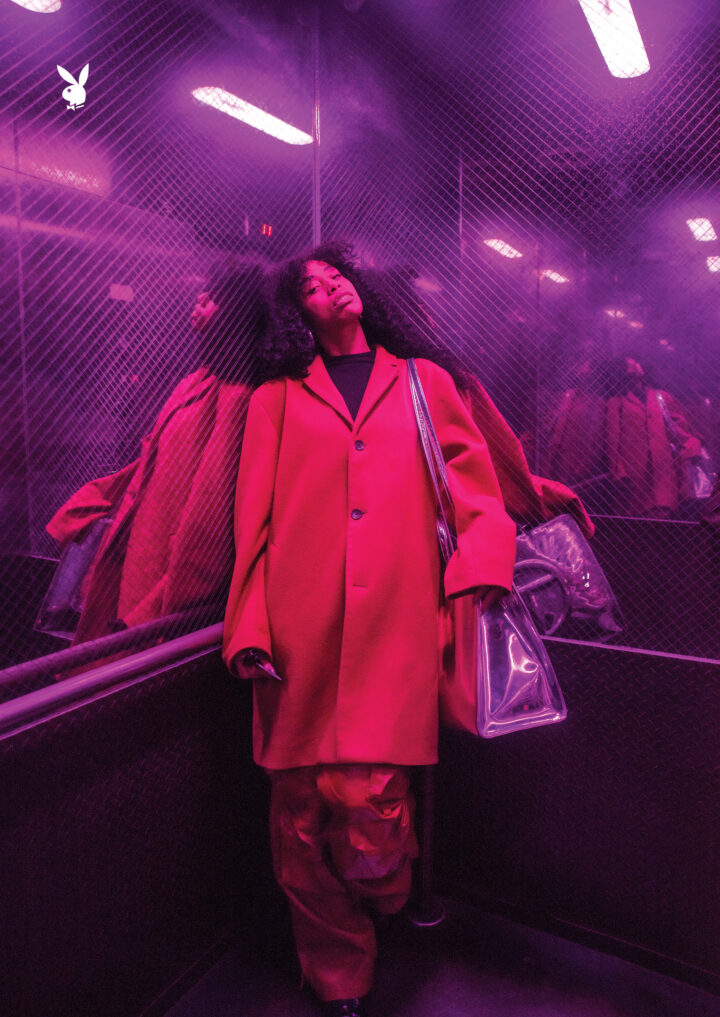
When Rochelle Jordan enters a room, it registers. All eyes are on the statuesque singer as she steps out of the elevator at Mr. Purple, a rooftop bar on Manhattan’s Lower East Side, and saunters over to my table with her cloud of teased curls bouncing with each step. “Oh, hello,” she coos as she removes her sunglasses and envelops me in a warm hug.
The martini-sipping patrons may not recognize Jordan, but they will soon. Her album Through the Wall landed on 2025 best-of lists for Rolling Stone, Pitchfork, Paste, and The Fader, which ranked it No. 2, ahead of Bad Bunny and Bieber. She made her national television debut on Good Morning America in November, sharing her hypnotic blend of club-ready R&B and house music, and launched a headline tour across North America and Europe earlier this year. Tonight, after we talk, she’ll play to a sold-out crowd at Bowery Ballroom.
For Jordan, this kind of success has been a long time coming. The Los Angeles–based British Canadian artist of Jamaican descent released her debut album, 1021, in 2014 and then spent years caught up in a bad management deal that kept her in musical limbo. Jordan finally broke out in 2021 with her sophomore effort, Play with the Changes. She says Through the Wall—recorded with her longtime producer, KLSH (pronounced “clash”)—feels like both a reintroduction and a confident step into the spotlight. “When the title came to me, I don’t think I realized what that would manifest into,” Jordan says as the sun sets behind us through the bar’s floor-to-ceiling windows. “It meant pushing through some of the blocks that I had developed throughout my entire career—impostor syndrome, self-doubt, and fear.”
The album’s title also hearkens back to her childhood in Toronto after moving from the U.K. Her brother, who is autistic, would listen to the same ’90s cassette tapes of British house and drum and bass on repeat, and Jordan, who was often homebound due to having sickle cell anemia, would hear the music through the bedroom wall as she played with Barbie dolls, unconsciously soaking up the sounds that would one day inspire her.
Through the Wall is both a throwback and totally of the moment, packed with breathy, after-hours dance floor bangers that meld disco beats and deep house vibes with hypnotic synth melodies. “Suddenly, now everyone wants to do house, and everything has shifted,” she says. “We are a profound part of this shift in culture.”
So the question becomes: Will fame finally shift her way? And, maybe more importantly, does she want that? “Of course, I want Grammys. Of course, I want to work with legends and create a legacy that can’t be stopped,” she says. “But at the end of the day, I feel like success is already here. The fact that I’ve touched one person with my music and that they care so much—most artists don’t get that. So for me to be here, I understand how much of a privilege it is, and I don’t take it for granted.”
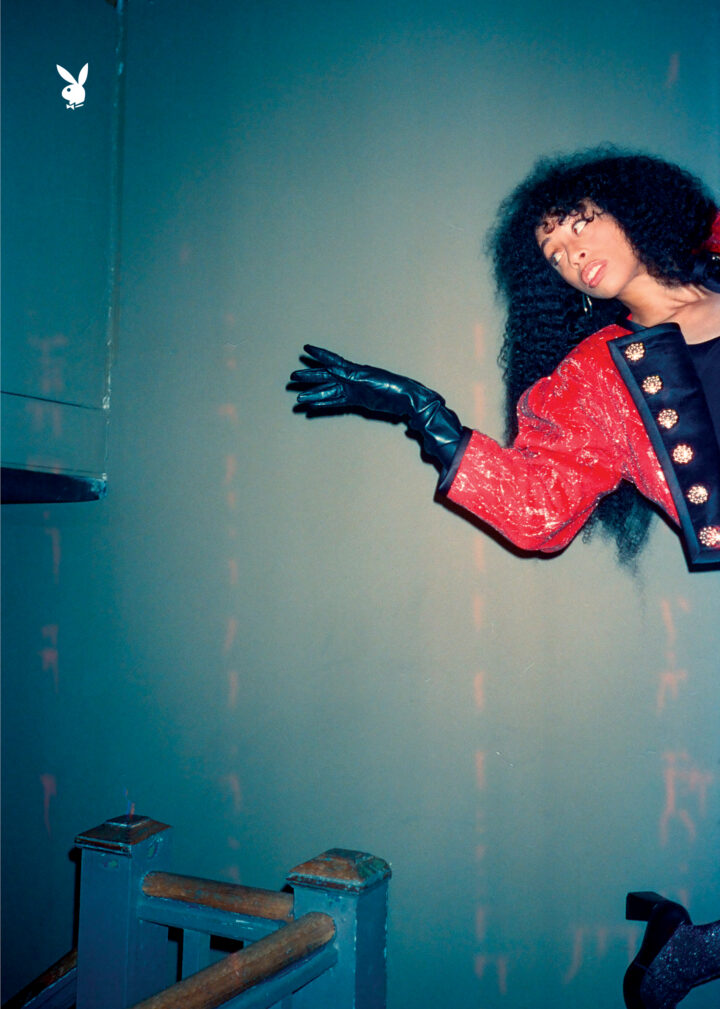
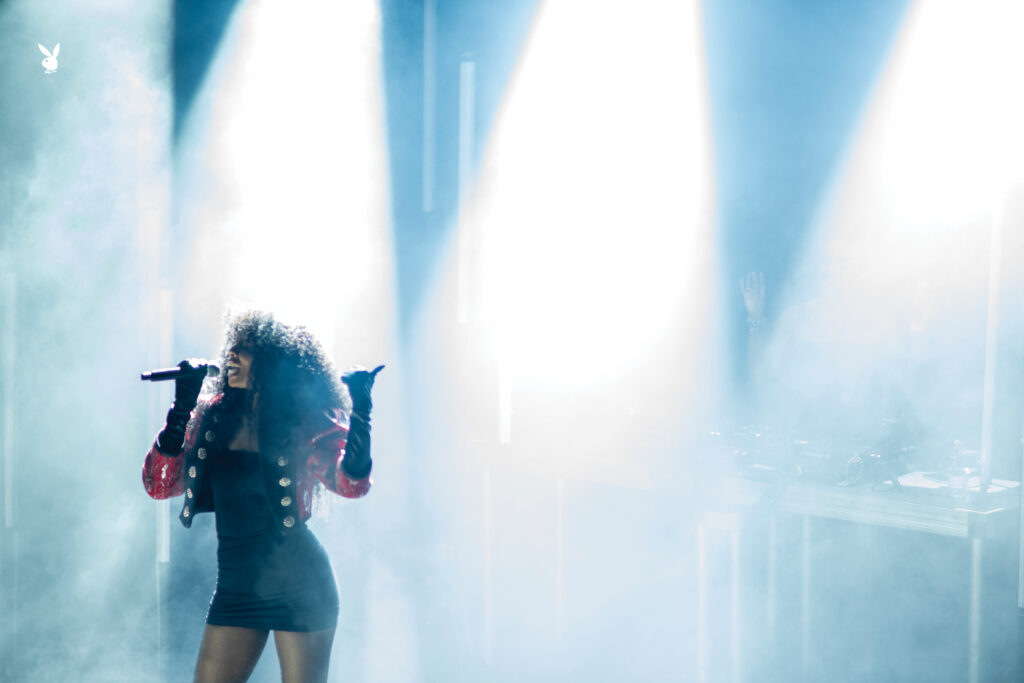
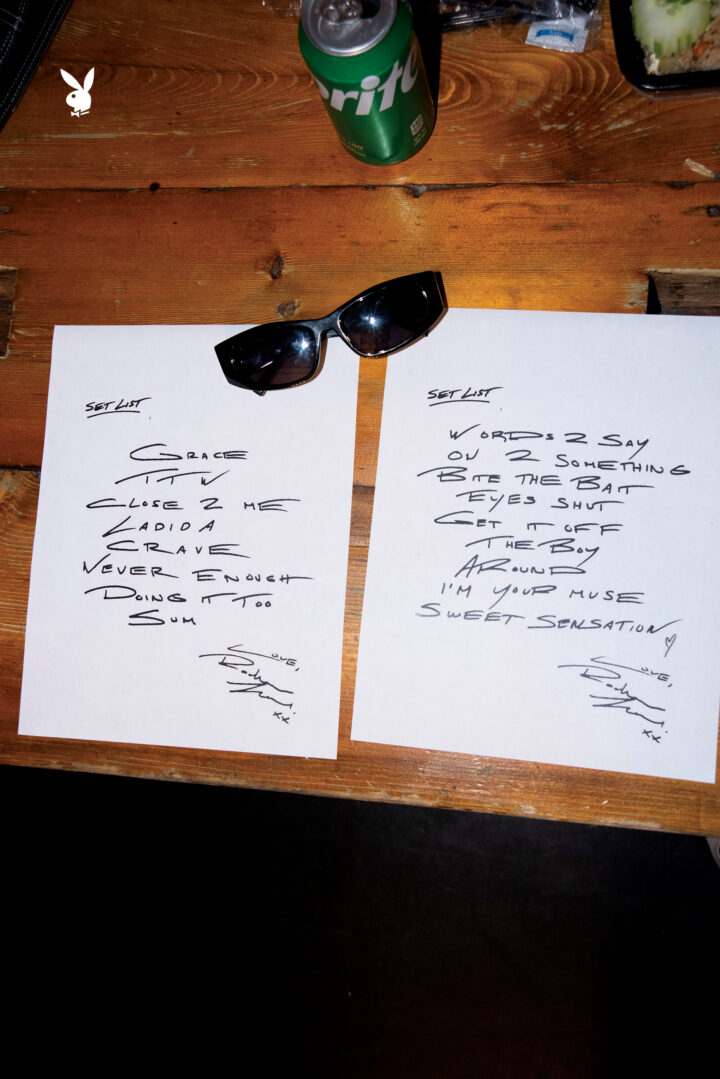
She’s right: Her fans adore her. Two hours later, she takes the stage at Bowery Ballroom in total darkness and begins singing “Grace,” the ornate vocal intro to her new album, as the stage is illuminated, revealing her dressed in a skin-tight tube dress and fur coat, her voluminous hair outlined with a halo of light. The body-to-body-packed crowd, which includes the singer Kelela, screams and pushes closer to the stage as she segues into the pulsating “Ladida.”
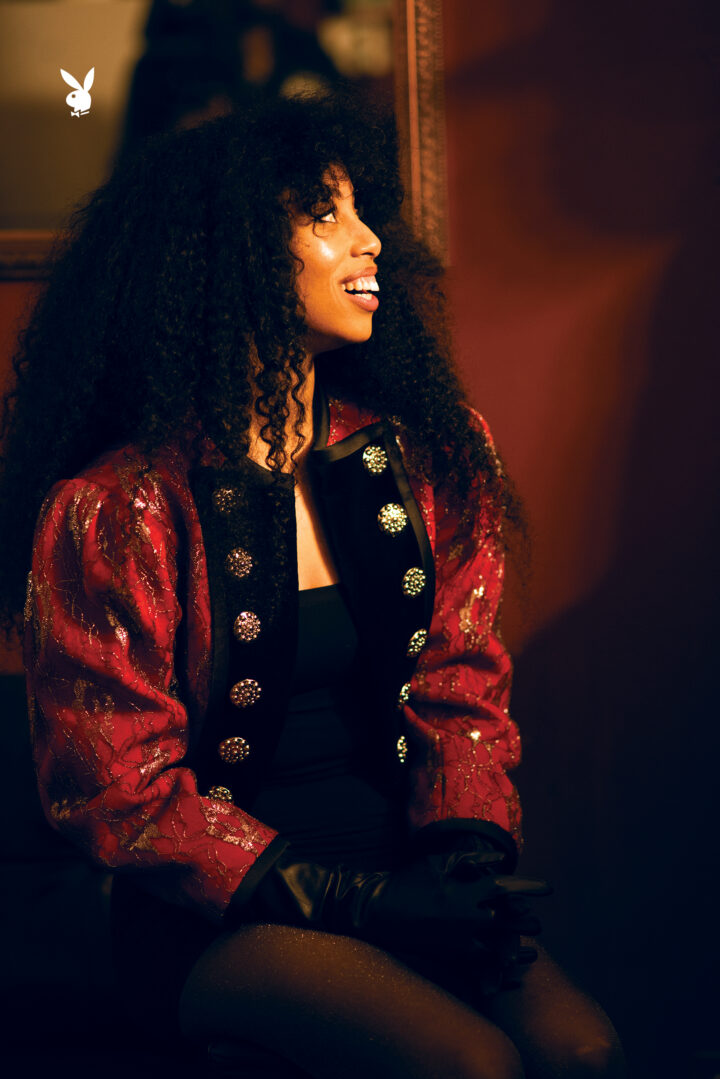
Jordan slithers and slinks her way through a sultry, seductive set. She trades the fur for a glittery red and black jacket with sculpted shoulders, something Janet Jackson might have donned in her Rhythm Nation period. When she sings the four-on-the-floor “Sum,” the audience joins in with the track’s call-and-response without being prompted. “One more time,” they chant, and a sly smile crosses Jordan’s face before she continues singing.
The confidence she talked about earlier is all over the room now. “I know what my purpose is,” she told me before taking the stage, “and I’m going to do it until the casket drops. And it ain’t dropping no time soon.”