
Your bag is empty.
Marilyn Minter has been thoughtfully shocking people for 50 years. Here, the legendary artist shares never-before-published work and weighs in on the importance of defining pleasure on one’s own terms
When I arrive at Marilyn Minter’s studio in midtown Manhattan for our interview, I’m greeted with an iced coffee and the artist’s favorite chocolate chip cookies. Minter wears a Resist T-shirt, a design collaboration with the grassroots political organization Swing Left. “Resist” has become a rallying cry in this political moment; for Minter, a lifelong activist and vocal proponent of reproductive rights, the campaign is just one example of how the multimedia artist uses her practice as activism. (I wore a my body, my choice shirt from the emerging fashion designer Collina Strada, quietly hoping Minter would think it was cool.) The sartorial choice is a testament to how Minter suffuses every choice she makes with intention—from her outfits to her chic studio layout to the sustainable straw in my compostable coffee cup.
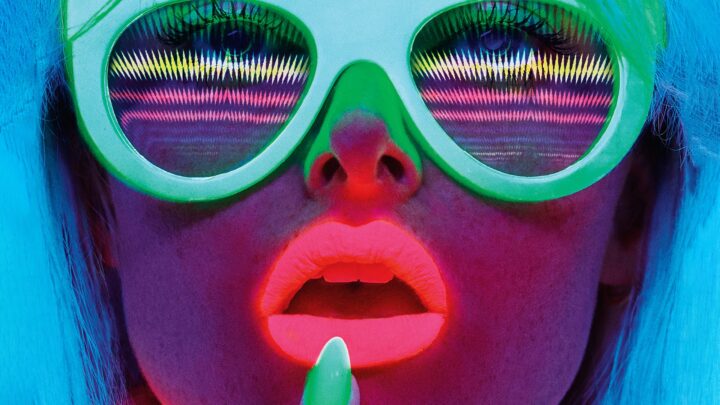
My fascination with Minter’s work began when I was in college, when images from Tom Ford’s fall-winter 2007 collection popped up on my Tumblr dashboard. I knew very little about Ford and even less about whoever had taken the photos, but I was seduced by their grittiness. In one shot, the designer devours a soft pink cake; in another, a model covered in rain—or sweat—purses her lips as she gently caresses her glasses. Unlike more traditional fashion photographers such as Steven Meisel or Annie Leibovitz, Minter produces images that aren’t about the products or the models—they seem to speak directly to the viewer’s instinctual desire.
The 71-year-old artist has always explored beauty and pleasure from unexpected vantage points. Born in Shreveport, Louisiana and raised in south Florida, Minter did not spend her early life on a crystal stair. In her 1969 series Coral Ridge Towers, shot while she was in college, we get a glimpse of her opioid-addicted mother at home in Fort Lauderdale. “In Florida, we were in the land of no parents,” she says of her and her brothers’ strained relationship with their mother and father. In the black-and-white images we see their mother, splayed across her bed, applying makeup and taking pleasure in her own gaze. At first glance these images, which won the praise of pioneering photographer Diane Arbus while she was visiting Minter’s school, could just as easily be portraits of a retired Hollywood starlet; instead they provide an intimate look into Minter’s past. “I knew she’d pass out and never get out of bed and always wear nightgowns and float around,” Minter says of her mother. “It was all this kind of bastardized glamour.” That glamour would remain a key motif in Minter’s practice for the next five decades.
Although not exactly a household name, Minter is widely respected in the arts community, first gaining notoriety in the 1980s through a series of exhibits at the feminist gallery Gracie Mansion and later by receiving a prestigious Guggenheim Fellowship, in 1998. Since then, her photographs, paintings and videos have been shown in galleries and museums around the world, including at the 2006 Whitney Biennial.
Nobody has politically correct fantasies.
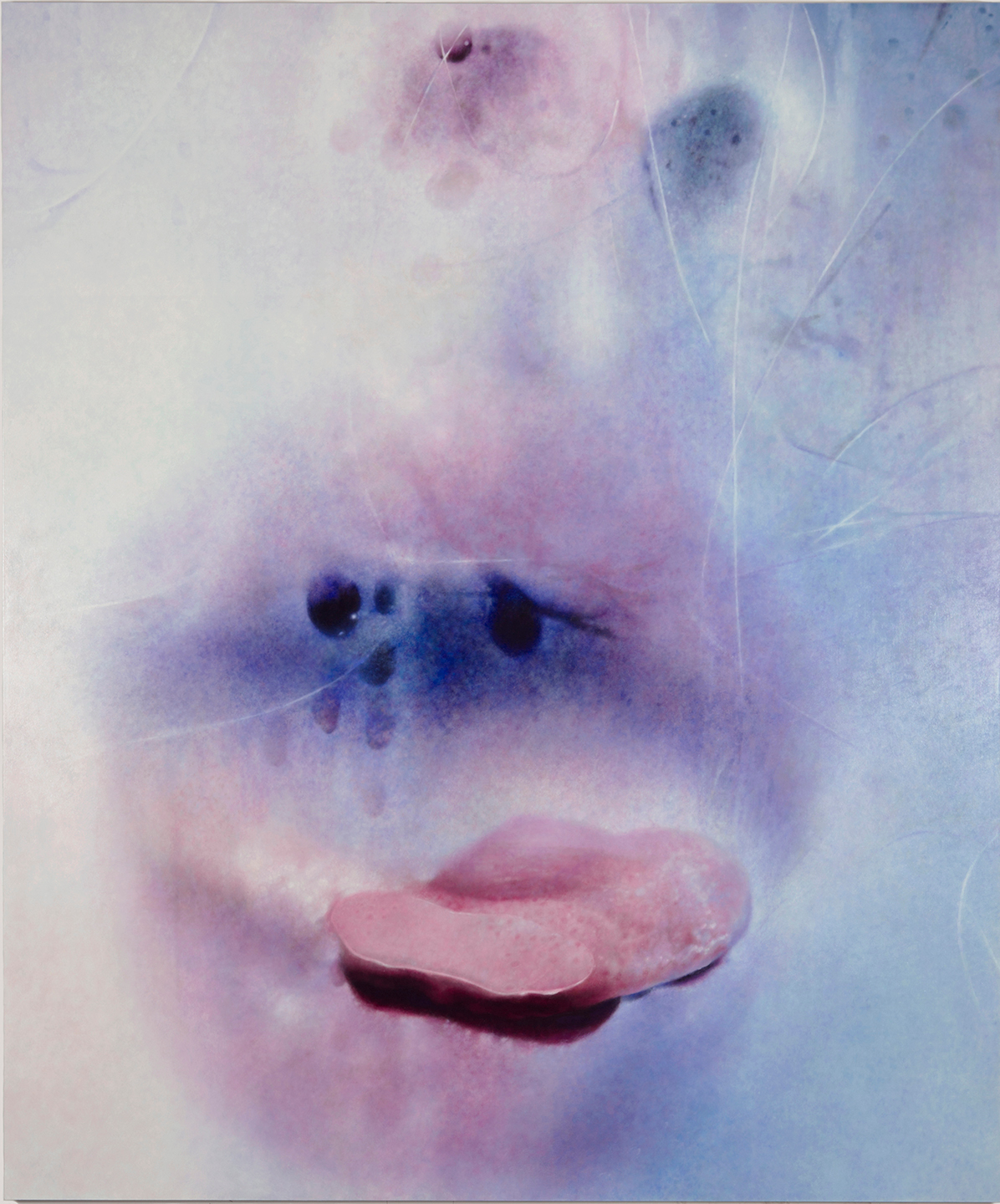
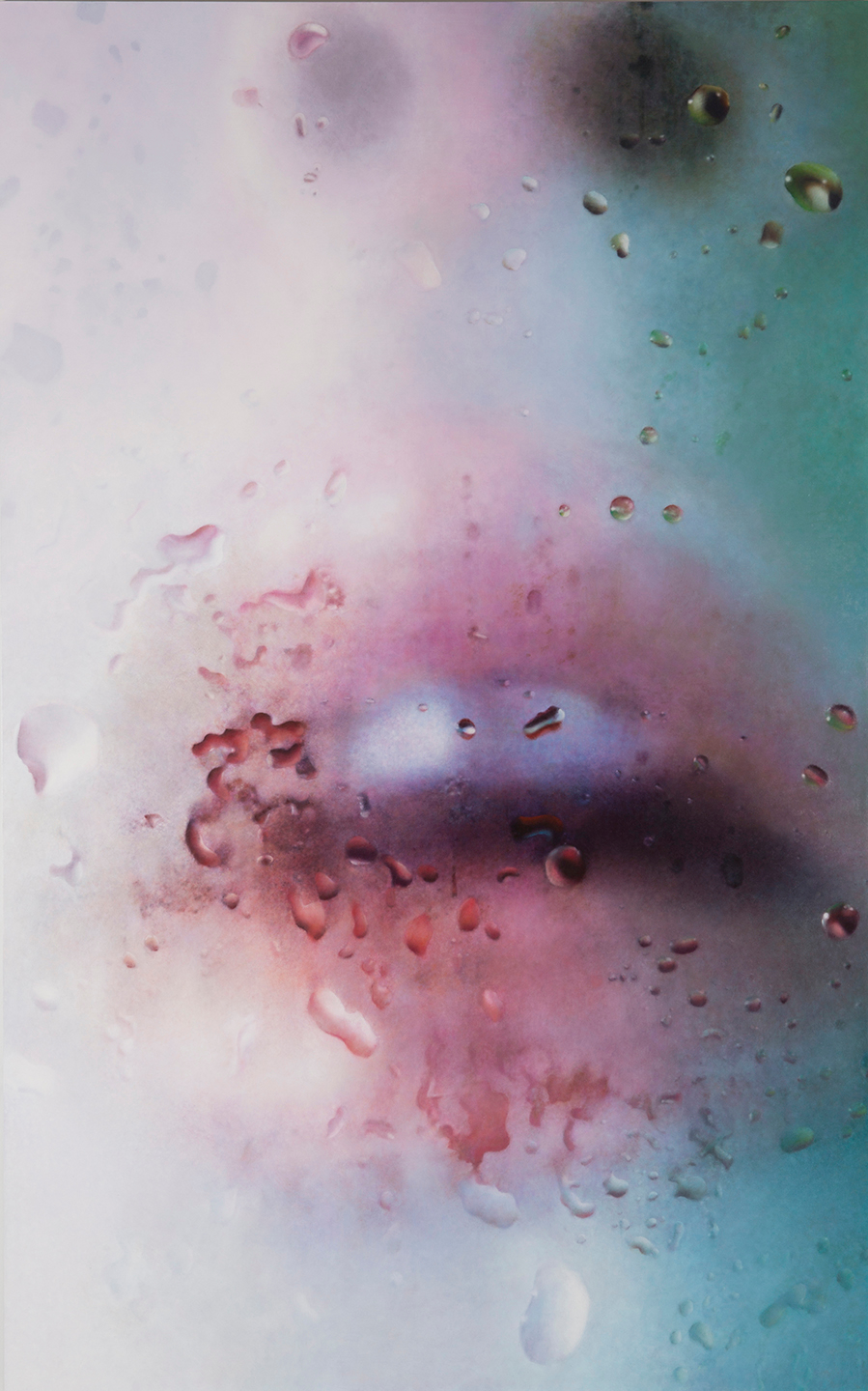
Unlike many of her peers, Minter boldly straddles fine art and commercial art. She refuses to be relegated to one way of making, or presenting, her images. In her 2006 work Shit Kicker, for example, she takes the idea of “shoe porn” and presents a model in snakeskin stilettos kicking up mud. As the model’s ankles torque, you wonder if she’s being dragged back to a dancing partner or pivoting toward freedom. In 2016’s Deep Frost we see a tongue pressed on frozen glass. The tension is palpable as the icy landscape is cleared by the heat of the model’s breath. Few other visual artists are so committed to the erotics of the everyday or to the sticky sweetness of what it means to be alive.
Minter has also left her mark on pop culture, working with the likes of Miley Cyrus, Lady Gaga and Pamela Anderson. In 2007, she shot Anderson for the European art magazine Parkett. “I took all her makeup off and gave her bangs,” says Minter. “I want women to have images of themselves for their own pleasure and amusement.” In 2008, she collaborated with the legendary streetwear brand Supreme on three skateboard decks. Minter’s 2009 video Green Pink Caviar, which depicts a woman’s tongue languorously swirling green liquid candy around a sheet of glass, served as a backdrop during part of Madonna’s “Sticky and Sweet” tour; the eight-minute video was later displayed on digital billboards above Sunset Boulevard and Times Square. Gossip Girl fans may recall the large-scale Minter pieces in the van der Woodsens’ foyer. And in 2013, Minter had a dancing cameo in Jay-Z’s star-studded “Picasso Baby” music video. (Both Madonna and the Carter family are Minter collectors.)
Minter’s studio practice has also aimed at reaching new audiences in unexpected places. Back in 1990 she purchased air time during Late Show With David Letterman, The Arsenio Hall Show and Nightline—at a cost of $1,800 per 30 seconds—to promote her 100 Food Porn at the Simon Watson gallery, reportedly becoming the first artist to advertise on late-night television.
In her 2016 museum retrospective Pretty/Dirty, curated by art scholars Bill Arning and Elissa Auther (selections from which are featured in these pages), Minter presented a comprehensive look into her practice without shying away from work that wasn’t received well critically. Take her 1989 Porn Grid series, composed of rasterized pop art paintings of men and women giving blow jobs. The images, all inspired by real porn, were immediately rejected by some of her feminist allies. “Nobody has politically correct fantasies,” she tells me. “And there was this giant anti-porn movement happening because of Catharine MacKinnon and Andrea Dworkin. They really wanted to ban any sexual imagery whatsoever, and I love porn.” Rather than turn away from complicated subject matter, Minter chose to see her work come to fruition in its rawest and truest sense.
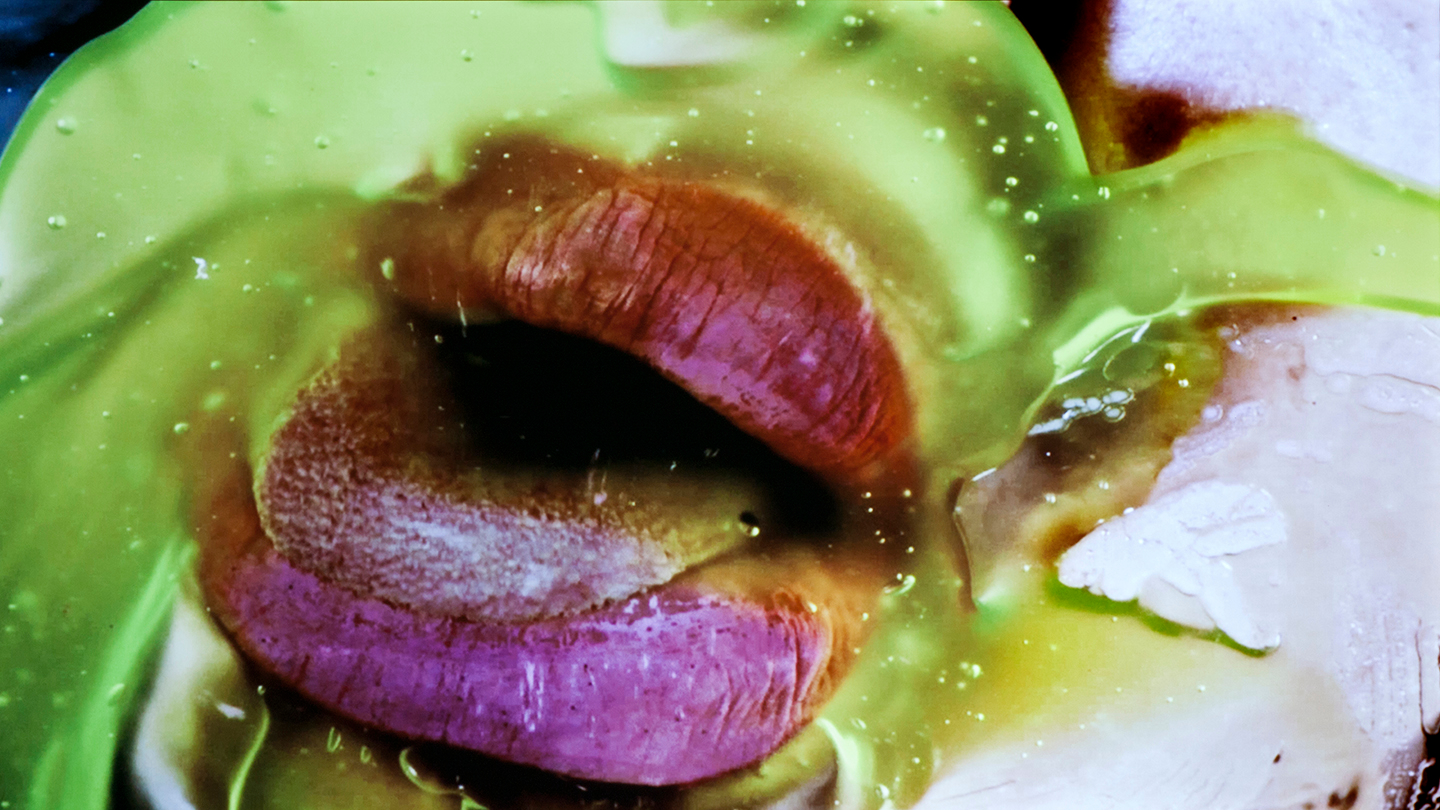
Minter has continued to create art that challenges viewers to reexamine the way they define beauty and, by extension, depictions of pleasure.
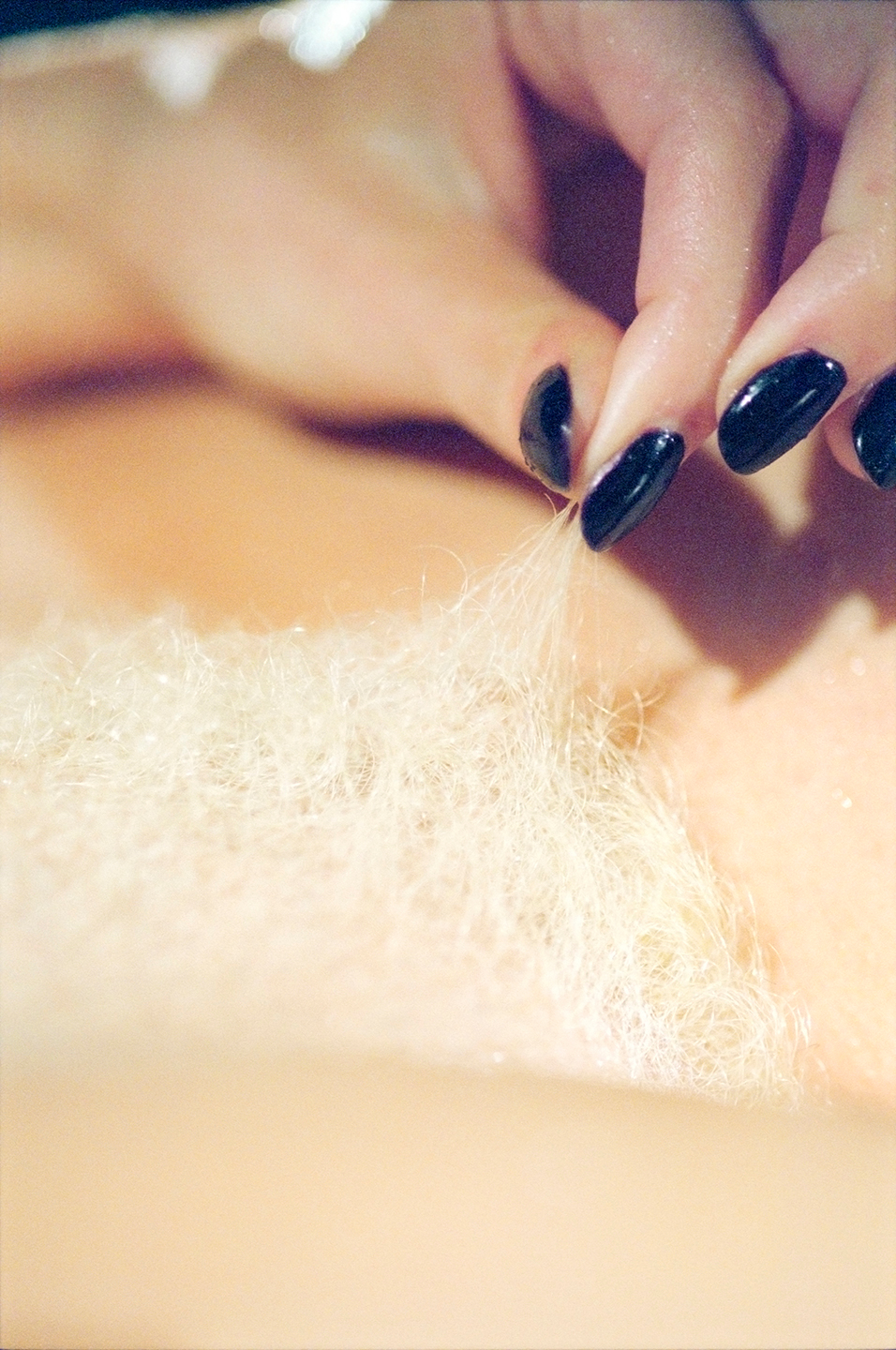
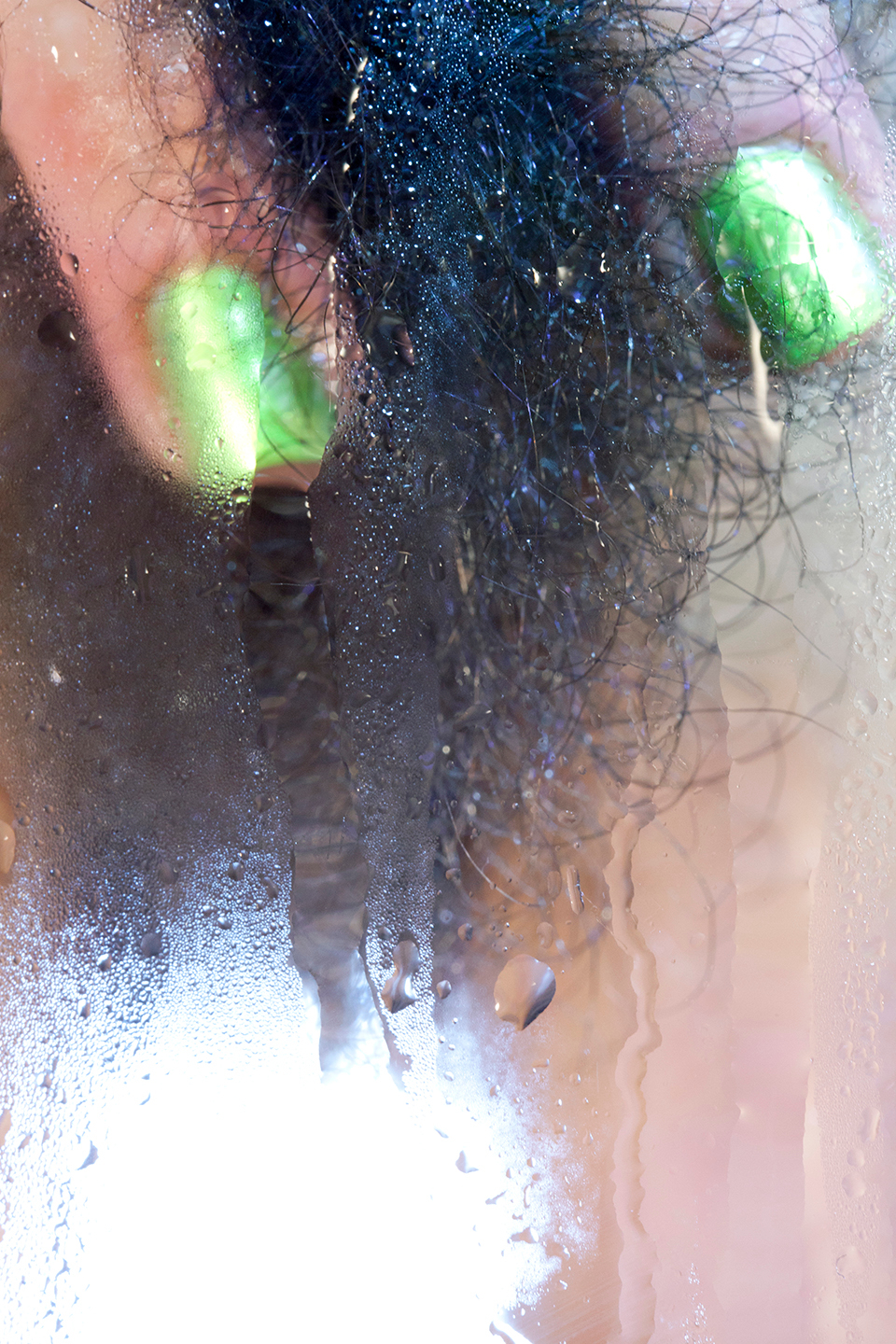
In 2012 Playboy invited Minter to participate in an independently produced project that ultimately became a one-off supplement to this magazine, entitled Playboy A–Z. She began creating her Bush series, which provided the visuals used for the letter B. Over eight months, Playboy paid models to grow out their pubic hair, and Minter photographed each of them. In the images, we see subjects with manicured nails showcasing their luscious, bushy pubic areas. Well lathered and representing every color of the rainbow, each bush serves as a call to action for pop culture and art history to celebrate pubes. “There’s nothing wrong with pubic hair, and it’s been totally erased in art history. We all know Courbet’s L’Origine du Monde and that’s it,” Minter says. One has to wonder: Why are there so few nonpornographic images of pubic hair—male, female or across the gender spectrum?
Two of the Bush photos were selected for the A–Z project—and both were reshot, in Minter’s words, “behind wet glass to obscure them slightly.” One of the images was flipped on the page, resulting in a perspective that doesn’t reflect the model’s point of view as Minter intended. The original version of that photo, as well as other Bush images unpublished in Playboy A–Z, are presented here.
In late 2014, Minter evolved the Bush series into a book called Plush. “I tried to make the images so beautiful that they could be in any house, gallery or museum,” she says, “but as soon as people realize what they’re looking at, they don’t want them anymore. I don’t care. I’m still making paintings and shooting different people.”
I was curious why Minter wanted to share more Bush/Plush images in Playboy now. “The new Playboy has a fresh vision of female agency,” she explains. “The women own their sexuality.” Like a true Cancerian, Minter brings love to each project and faith to every opportunity. She’s an artist who knows who she is and what she hopes to give. “My experience has been that if you feel absolutely terrified to do something, then it’s probably legitimate.”
Minter’s life and work serve as reminders that there’s always more good to be done. This fall, she’ll continue to work with Swing Left, as well as Downtown for Democracy and Planned Parenthood, doing her part to fight against this administration. Almost every thread of our conversation eventually circles back to the struggle for freedom—even when we’re talking about pleasure, which, as her artwork makes clear, often comes in unexpected forms.
“Pleasure is transitory,” she says. “I have to find pleasure in being of service or doing activism or helping other individuals. That lasts longer than great sex, because even when I have all the things I thought would satisfy me, they never do.”