Your bag is empty.
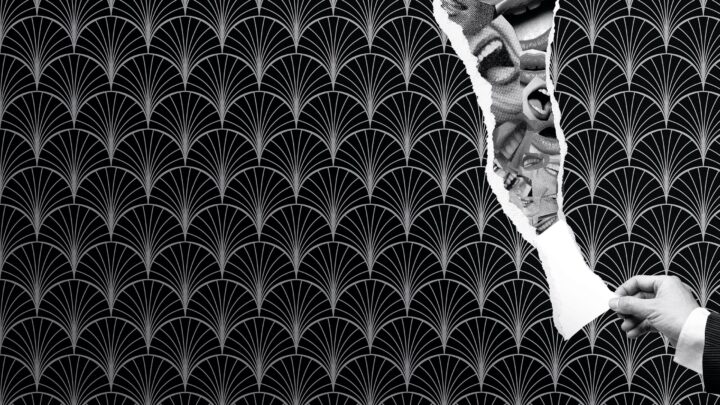
Playboy talks to director Alexandre O. Philippe about how his documentary, 'Memory: The Origins of Alien,' puts Ridley Scott’s masterpiece under the microscope
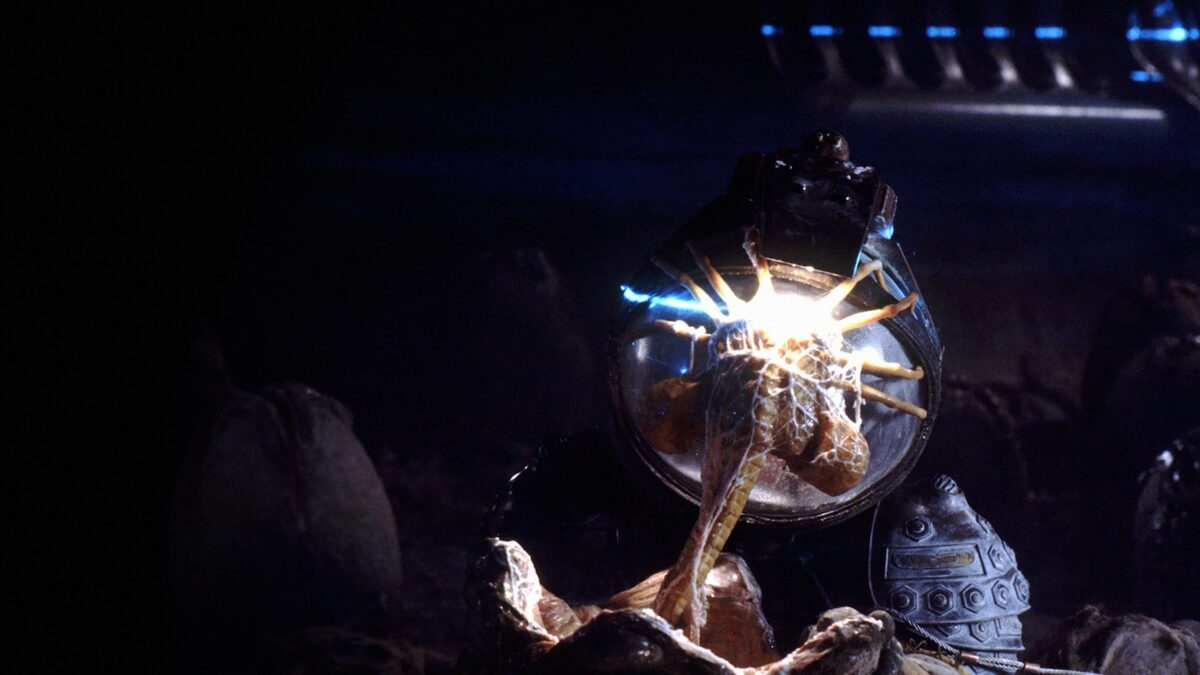
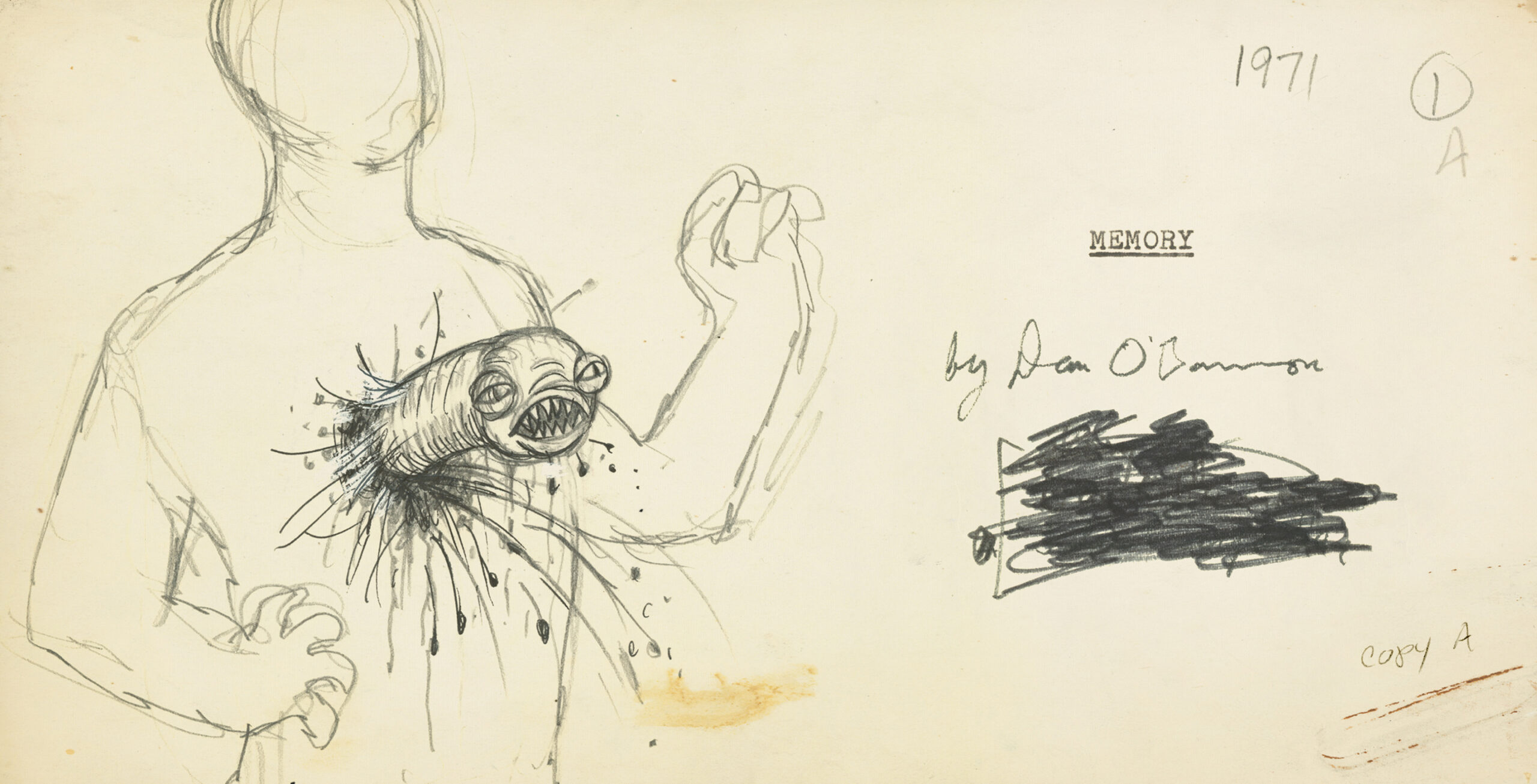
Memory. That was the title of an incomplete, early first draft of a science-fiction horror screenplay written by then-struggling screenwriter Dan O’Bannon. Freshly out of a job in 1975 due to the infamously doomed movie project known as Alejandro Jodorowsky’s Dune, O’Bannon found himself broke, homeless and living on a couch at the home of friend and fellow writer Ronald Shusett.
Equipped with a typewriter and determined to write a horror film set in outer space, O’Bannon resurrected his unfinished 1971 Memory script but found himself stuck at page 29. With only the first act fleshed out, the writer hit a creative roadblock and handed the script over to Shusett to see if he could help crack the code—how would the extraterrestrial organism in the story get inside one of the astronauts? After a night of wrestling with the idea in his sleep, Shusett awoke one fateful morning with an epiphany. “I have it! The Alien fucks him!”
It was at that very moment the concept of the now-iconic Alien life cycle was born: egg, facehugger, chestburster, followed by the rapidly full-grown Alien. O’Bannon and Shusett would go on to complete the screenplay, first titled Star Beast and later renamed Alien. Brandywine Productions and Twentieth Century Fox would option the screenplay, and the rest is now cinematic history. The film would go on to become forever engraved in pop culture, spawning three sequels, two prequels, two crossover films, comic books, video games, novels, action figures and even plush toys. The list of memorabilia for the franchise is probably as infinite as the place no one could hear you scream.
But what some people might not know is just how fortunate we were to have the finalized film that ultimately came out on May 25, 1979. Whether you firmly believe in the butterfly effect or not, there were many pivotal moments and key decisions made during O’Bannon’s journey, some mere chance—or perhaps it was fate? One might say that Jodorowsky’s failed project started the ripple effect that led O’Bannon to Shusett’s couch, which sparked the screenplay that started it all.
Another significant occurrence was Jodorowsky introducing O’Bannon to the nightmarish art of the late Swiss surrealist H.R. Giger, whose biomechanical monstrosities and twisted landscapes would forever change how we perceive alien planets and lifeforms on film. All of this paved the way for what is now, arguably, the best and most influential science-fiction horror film ever made. It’s likely that if you ask any major Hollywood film director or movie critic what some of their favorite science-fiction horror films are, Alien will make its way onto the list.
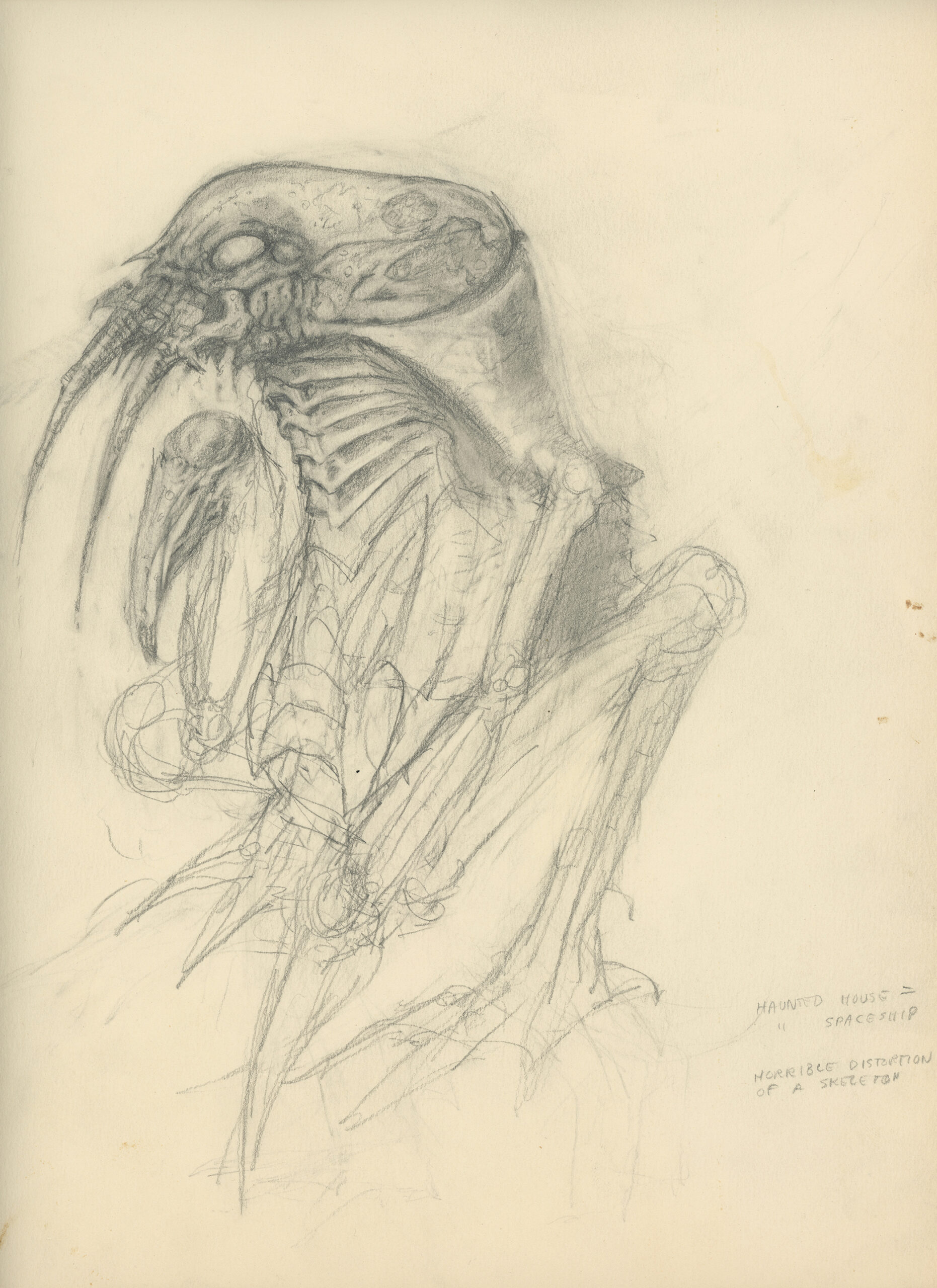
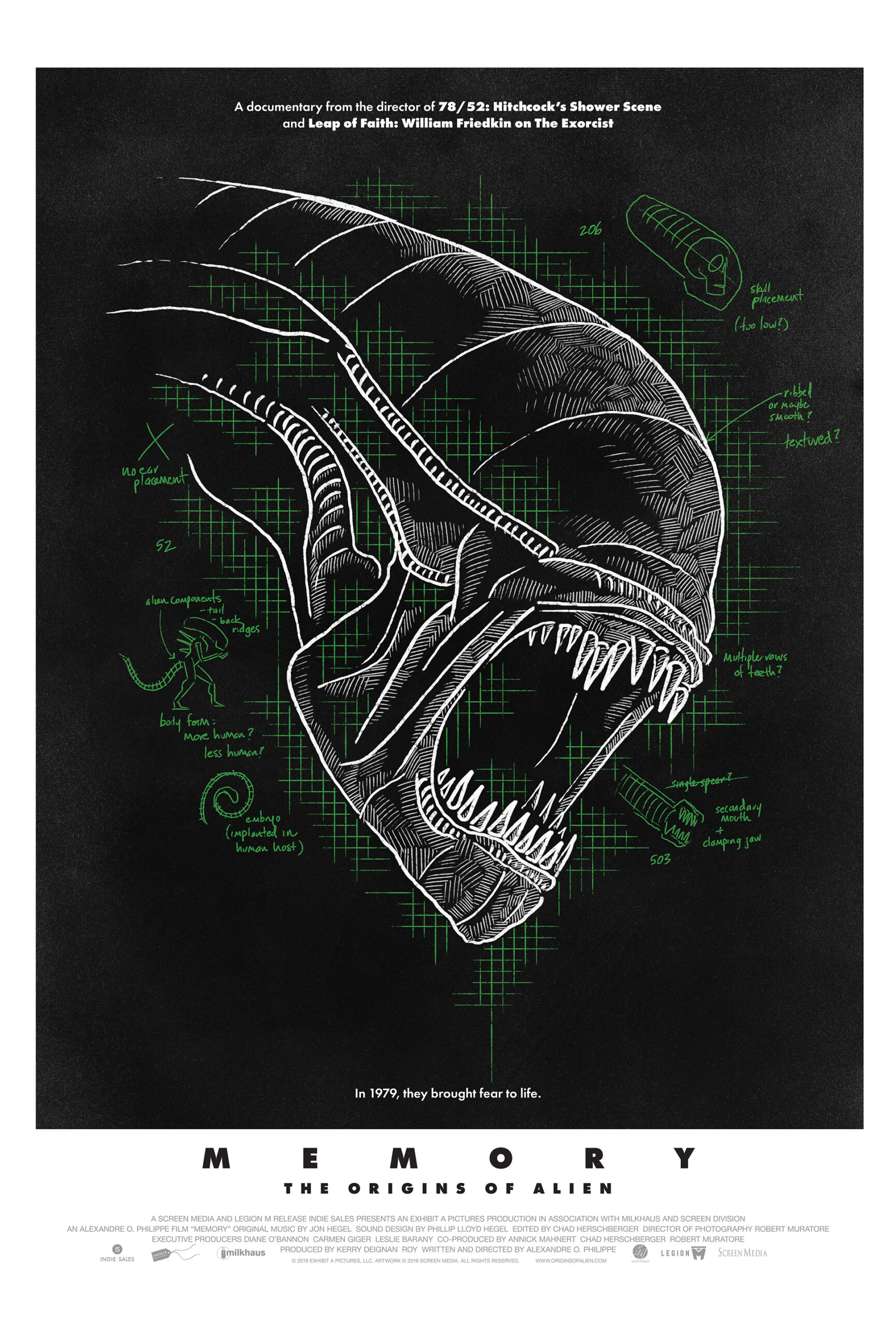
One director who’s had a lifelong admiration for the film is documentary filmmaker Alexandre O. Philippe (The People vs. George Lucas, 78/52: Hitchcock’s Shower Scene), who has become an expert in recent years of films about films. His latest documentary, Memory: The Origins of Alien, uniquely examines the early stages of the classic movie and shines a light on O’Bannon’s earlier years. Philippe also focuses on the unprecedented, symbiotic relationship between O’Bannon, Giger and director Ridley Scott, the triad who undoubtedly elevated Alien to something far more than just another B-level monster movie destined for DVD bargain bins and late-night TV airings on Elvira’s Midnight Macabre. Filled with rare clips and concept art, the film also hosts a wide gamut of interview subjects ranging from film historians, mythology experts and movie directors, as well and cast and crew, who all share their thoughts and stories and analyze the film in some deep and interesting ways.
While out promoting his film, Philippe spoke with PLAYBOY about his new film, which is out in select theaters and VOD starting October 4. Here, we discuss why he chose to take a deeper dive into the making of Alien, how Alien could’ve ended up being a Roger Corman production, and the pre-Giger designs by O’Bannon that depicted the Alien as a cicada-reptilian creature.
Throughout the past four decades, there have been many editions of Alien on VHS, LaserDisc, DVD and Blu-ray, and there have been dozens of “making of” documentaries and behind-the-scenes featurettes. What was the spark that triggered this whole project for you? There must have been one key thing that made you realize you had a new angle and story to tell about the making of Alien that separates it from the rest.
Well, first of all, the Dan O’Bannon story has not really fully been told, and he is pretty much the unsung hero of Alien. My project all really started with him and this idea of sort of delving into the origin of the film. I realized very quickly that Alien resonates with audiences because it speaks to our ancient past. It’s a film about the distant future, and yet it’s a film that really has a connection to Greek and Egyptian mythology. And so, to me, Memory is very much a mythological take on Alien, and it’s a film about the resonance of myth in our collective unconscious, and that was the completely new angle on Alien.
Obviously there’s some notable people who are unfortunately absent for this documentary. You have original cast members Tom Skerritt and Veronica Cartwright. But is there a reason why director Ridley Scott or Sigourney Weaver didn’t participate?
We approached them numerous times, and I’m not ultimately sure what the reason was. As far as Ridley goes, I would venture to say there was probably scheduling conflicts. He is just a very busy director. But once again, I think the angle is very specific, and if I were making a film about the behind-the-scenes, you really sort of have to have those people in it. But, in retrospect, with the film being very much about this extraordinary symbiosis that happens between Dan O’Bannon, H.R. Giger and Ridley Scott—two of them being gone. You know, had Ridley had a chance to weigh in, it would’ve skewed the perspective a little bit. So, in retrospect, I think it’s probably better this way because it is truly a film essay about Alien, and that’s the way it is. And word has it that we have his blessing, though. So that’s good enough for me.

And you had access to clips from past documentaries and interviews, so even though you didn’t have Ridley speaking about the film today, you had old stock footage of him talking about the movie from the time period you’re focusing on. So at least you were able to interweave that in to help tell your story.
Yeah. And to me, it was much more crucial to find the right mythologist to talk to because there’s a lot of really big ideas in Memory that are not easy to express in a way that is going to be readily accessible to the general public. And so, it’s very easy to find some amazingly smart people who have lots to say about mythology in film, but people who can express those ideas in a concise and accessible way is a lot trickier.
You have a vast variety of people in this documentary: college professors, H.P. Lovecraft experts, film directors, podcast hosts. That’s a pretty huge net you had to cast. You speak with so many people in this film, it seems like it would’ve been a very daunting, lengthy process selecting and roping in all these Alien experts and then reviewing, editing and narrowing down all of the interviews you felt fit in the best.
It is quite a process. We’ve obviously been doing this for a while now, and we have connections. It all sort of comes through research, and you evaluate that. Look, there’s a number of people that we interviewed who were great, but we just couldn’t include them in the film because I felt the general audience wouldn’t be able to connect with what they were saying. It was just too scholarly to the head. My job is to be a little bit of a bridge between cinema studies and the general public.
Aside from Sigourney Weaver and Ridley Scott, were there any other people on your wish list that you reached out to but they couldn’t find the time?
Here’s the thing: Anytime you work on a film like this, and anytime you work on a film about a film that, quite frankly, there’s so much to talk about, so much to dissect, you could be working 10 years on a film like this, and there’s always more people, more filmmakers, more perspectives that you would want to include. But you also have financial constraints. You have scheduling constraints. And there’s a point where you have to release the film. You have people who’ve invested money in the film, and they want to see it out. And, clearly in our case when we realized 2019 was going to be the 40th anniversary of Alien, it became very clear to us that we had to release the film in 2019, so there was a bit of a ticking clock. Once the story had been told, yeah, you can always get more voices, get more people, but the story arc would have been the same. I feel very strongly that I’ve told the story I wanted to express, and at that point, we had to get it done.
From gestation to completion, how long did it take you to complete this film?
With this particular project, it was actually a lot shorter than usual for me. It took about a year and a half to complete. In comparison, 78/52—the previous film that I made about the shower scene from Psycho—took about three years.
You mentioned that there were some people you spoke to, but what they were saying didn’t quite fit in with this grand puzzle that you had in mind. Will those interviews maybe surface one day on the Blu-ray, like additional bonus material?
I don’t know. That’s really up to Screen Media and Legion M in terms of what they want to include on the home video release. I’m not fully in the loop on what their plans are, but it’s certainly a possibility. Yeah.
I was happy to see Giger’s agent, Leslie Barany, as a producer on this, so I would imagine you had the full blessing of the Giger estate.
They did give their blessing, just like Diane O’Bannon on her end, and you know they gave us full access to pretty much everything we wanted to use. And they continue to be very supportive of the project, and it’s been a great working relationship. They’re very generous. They understand the importance of this film and that it’s obviously … it’s the stuff that really pays tributes to O’Bannon and Giger as much as Ridley Scott.

Clearly you’re a big fan of Alien. After making this film, do you have a newfound appreciation for the film? Were there any new things that you learned that you didn’t realize before?
Always. Like every great film, what I appreciate about Alien so much is that it’s a film that you can absolutely enjoy on the first level. You can watch it and turn your brain off and just have an amazing time watching it. But it’s also a film that the more you watch it, the more you study it, the more you look at it, the more there is to say about it. So I certainly learned a great deal in the making of this particular film. And that’s what excites me about making those films about those five great movies like Alien, is that there’s really never a dull moment. The deeper you go, the more stuff you find, and the more you can fall in love with this film.
Dan O’Bannon was very open about his inspirations for writing the movie. He even openly said he stole from a lot of places, and I love how you enlace clips from cult movies like Planet of the Vampires and Queen of Blood. I’ve read in old magazine articles about the movies that inspired him, but your film is one of the first I’ve seen to actually interweave footage from all those films so you can see the similarities, which is pretty interesting.
Again, that’s definitely a big part of the story that I felt really hadn’t been told cinematically, and needed to. To connect those dots was a very important thing to do. And the comics as well, Seeds of Jupiter and Defiled. I think they are very, very important pieces to the Alien puzzle.
There are some fun facts casual fans of Alien might learn watching while your film. For example, many assume Giger was involved the entire time, when he was in fact brought on board and then let go, only to be brought back again when Scott came on board. Also, O’Bannon paid $1,000 out of his own pocket for that early Giger concept art because Fox refused to pay. So there’s a lot of good nuggets of information like that in your film.
Yeah, just $1,000 out of his own pocket. It’s pretty incredible.
Low-budget filmmaking legend Roger Corman says he advised O’Bannon to shop this screenplay around some more because he said he felt it was worthy of a higher budget. Can you imagine if Corman instead decided to make the movie? We might’ve had a B-movie version of Alien without Giger’s designs. There’s so many different ways this production could have gone, and thankfully it worked out the way it did.
Yeah. To me, there’s a lot of credit to give to Roger Corman, who was really very selfless. In this particular case, it’s remarkable that he sensed that this was a script that required more money than what he could provide. But then just to go ahead and essentially let it go for the greater good of the project is a remarkable thing. And you got to love Corman.
Diana O’Bannon talks about Dan’s fear of insects as a kids. Then there’s the whole segment on Scott’s fascination with parasitic wasps and how it inspired the Alien’s life cycle. I feel like a lot of fans like to blame director James Cameron for basically reducing the Alien species to these space ants, complete with the queen he introduced in Aliens. Because in that second movie, the creatures are being exterminated left and right, so they don’t come off like that mysterious, indestructible “perfect organism” from the first film. Cameron gets blamed for the insect metaphor a lot, but it’s interesting because it was actually there in the very first movie.
Yeah. And just looking at Dan O’Bannon’s archive, there’s dozens and dozens and dozens of early sketches dating back to the very early 1970s where he was thinking about the Alien, and pretty much every single version that he drew had the form of an insect.
Do you remember the very first time you saw Alien?
My first memory was actually the poster. It’s absolutely remarkable. The tagline: “In Space, No One Can Hear You Scream.” It completely captures the fear of the unknown. The poster and that tagline really makes you want to watch the film, but also gives you an absolute sense of dread. I actually waited a few years to finally watch it. And I watched it for the first time on VHS, but it blew me away. It’s a film that I revisited very, very often, just like Blade Runner and several other films. As a teenager, there was a ton that I was very quickly obsessed with, but little did I know back then that I would eventually make a film about it.
You don’t mention any of Alien’s sequels in Memory, but you do show clips of the two prequels, Prometheus and Alien: Covenant. I’m just wondering, what were your thoughts on Ridley’s return to the franchise?
The one thing that I will say is that I’m much more interested in the idea that Ridley has been, at this stage in his career, going back again and again and again to choose a mythology that he helped create. I find that much more interesting, in a way, than the movies themselves, and I mean no disrespect because anything Ridley does is phenomenal. He’s a great filmmaker. Do I think they’re as interesting as the original? No, I don’t. I have a lot of issues with them, but he more than earned the right to make as many Alien movies as he wants, and if that’s what he wants to keep doing, then I’ll go and keep watching them, but for me, it’s all about the original. It is the greatest of all.
You seem really passionate about this genre. You made 78/52, The People vs. George Lucas, Doc of the Dead—you seem to have an interest in horror and sci-fi. Your forte seems to be documentary filmmaking, but have you ever been inspired to make a horror feature film?
Yeah, at some point I think I might. Obviously, I’m very involved in making films about film because I think that we make films about film in a very unique way, and I enjoy pushing the form. I enjoy trying new things with it, and I still have many stories to tell in that space, and I’m going to continue doing that. I’ve written a number of scripts, including a Western that I’m very keen to direct at some point. So when the time comes, I think it will happen. But right now, I still have more films to make on cinema, very specifically.
You just did a documentary about The Exorcist called Leap of Faith. It’s not out in the U.S., though. What’s going on with that?
That one actually premiered at the Venice Film Festival a couple of weeks ago. I’m actually heading up to BFI London for the U.K. premiere, and we have a very, very robust festival run, which I’m not at liberty to announce just yet, but some really serious, big festivals coming up. We’re in the very early stages for that one.
Can you tease us about other documentaries that you want to tackle?
We’re actually in production right now on a very different film about Monument Valley in cinema, very specifically in the films of John Ford. It’s really a film about the iconography of the West and how, through framing, John Ford has managed to kind of change our perception of American history. So it’s a different film—it’s definitely not a horror documentary. There’s definitely more films I want to make about Hitchcock. I would love to make one on Blade Runner at some point down the road. So yeah, there’s a lot of other projects we’ve got in the works.