Your bag is empty.
A brief history of Playboy's little-known foray into the music business
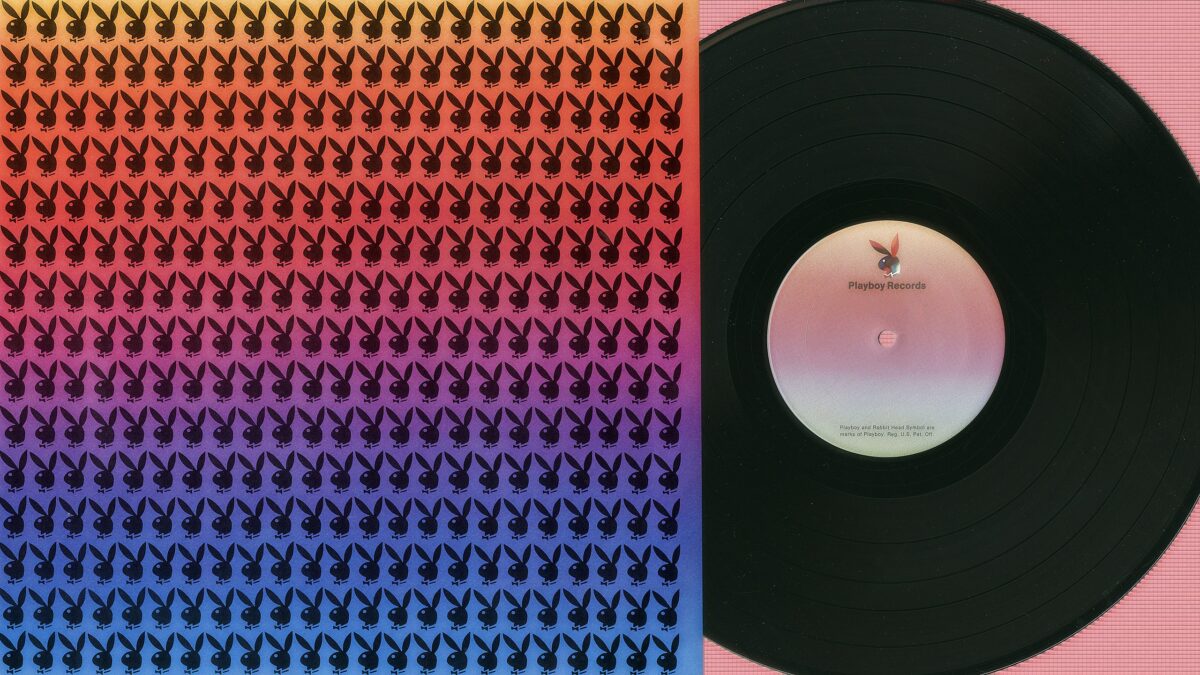
This is the story of an independent record label you may never have heard of, for it flamed out—freighted with some number one songs and albums—after about seven years. The label? Playboy Records.
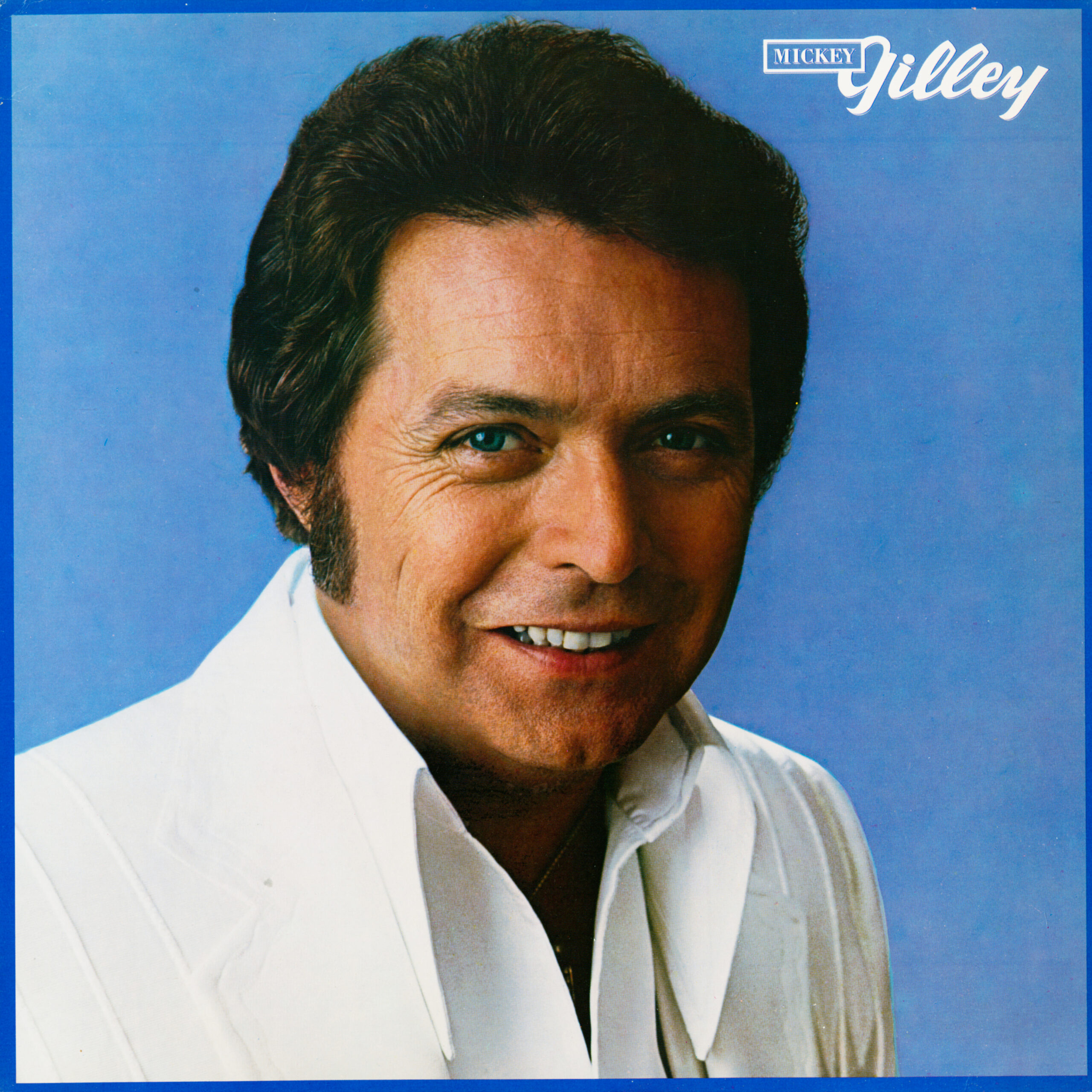
Even the man who would become the label’s biggest star, country singer Mickey Gilley, had no idea Playboy Records exited before he signed with it in 1974. When Nashville producer Eddie Kilroy suggested the company might be interested in Gilley’s single “Room Full of Roses,” Gilley thought he was joking. “I said to him, ‘Do you mean to tell me Mr. Hugh Hefner is in the record business? Well, I knew he had a magazine!‘” Gilley adds that he used to include the anecdote in his stage banter. “It’d get a big laugh.”
But why did the man with the magazine dip his toe into the record business in the first place? Back in the early 1970s, Hugh Hefner’s empire was booming. The company had gone public in late 1971, with Playboy Enterprises Inc. comprising five divisions: the magazine; other publishing ventures including a book imprint; the Playboy Clubs, hotels and casinos; a products and services division that operated a modeling agency, a limousine service and more; and an entertainment division, which ran a production house and a small arthouse theater chain. Total sales had ballooned from $89 million in 1968 to $159 million in 1972. So when the entertainment division decided to get into music, it seemed like a natural move.
“Essentially, we were diversifying into new areas we felt had great commercial potential,” Hef says of those days. “And a music label was another way I felt we could help our audience connect with the good life they were reading about in PLAYBOY magazine.”
Playboy Records formed in the fall of 1971, staffing up in its original office on Sunset Boulevard. The location was in “the heart of the music industry,” says Dick Rosenzweig, who as the eventual West Coast head of operations was involved with the label from the mid-1970s through its end in 1978. In 1972 Playboy Records released about half a dozen vinyl LPs and more than twice as many 45s. The fare was mainly pop, soft rock and folk rock, but the label also dabbled in blues, soul and funk. Artists who released Playboy-anointed music that flagship year include Tim Rose, Jim Sullivan, Bobby Scott and Sam Russell. The label’s first single, a tune called “Leavin’ It’s Over” by a trio of brothers called Hudson, hit the number 110 spot, just below Billboard‘s Hot 100.
We blindsided Nashville and had a wild ride while we were there.
The label made a prescient call in 1972 licensing several pop songs from Polar Music, a Swedish company. The act in question was called Björn and Benny, and its first seven-inch on Playboy, featuring the songs “People Need Love” and “Merry-Go-Round,” came out that year, followed by three more in 1973. By then the group had changed its name to Björn and Benny with Anna and Frieda—which was later revised to ABBA. None of the songs caught on stateside, a failure that longtime ABBA manager Stig Anderson attributed to the young label’s weak distribution network. ABBA, of course, was unscathed. The group won the Eurovision Song Contest in 1974 with “Waterloo” and went on to megastardom.
With no major successes in the pop realm, the label made a play for the country market. In 1974 Tom Takayoshi, Playboy Records executive vice president, phoned Eddie Kilroy to get a sense of how the company could find a winner in that world—right around the time Mickey Gilley was looking for a home for “Room Full of Roses.”
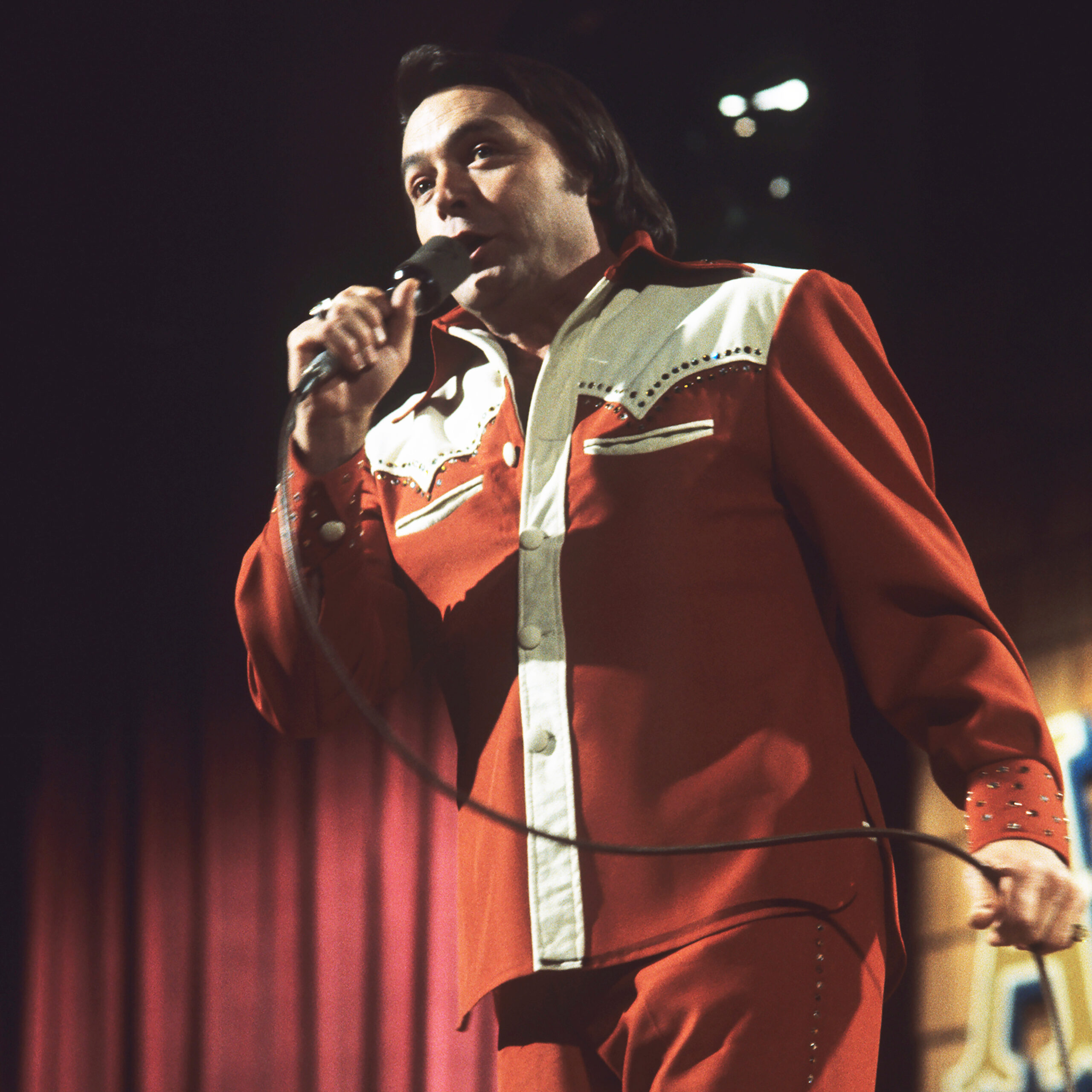
“All the record companies in Nashville I took it to either didn’t show up or said we can probably record something later, maybe. I knew what that meant—basically a no,” Gilley remembers. “As I was getting ready to leave, I called Eddie Kilroy. He says he has a company that’ll take it, and I says, ‘Who?’ I went over to his office and he threw a little 45 with a bunny head on it at me, and I just couldn’t believe it.”
“Mickey and I flew out to L.A., and Playboy signed Mickey, hiring me about the same time,” says Kilroy. “We got off on the right foot because that first Playboy single out of Nashville was number one.” With Kilroy producing from a brand-new Playboy Records outpost in Nashville, he and Gilley followed “Room Full of Roses” with a string of number one country songs and albums—successes that helped buoy the otherwise struggling label. “We blindsided Nashville in 1974 and had a wild ride while we were there,” Kilroy says.
“It was really a fun trip, because Nashville was a stronghold controlled by the establishment, by some of the old major labels,” remembers Kilroy, who would eventually be a president at Playboy Records. “Well, along comes this little label called Playboy, with a staff consisting of myself and a 17-year-old in her first job. There were two people in our office, with a number one record! People in Nashville said, ‘Wait a minute, that can’t be happening. We’ve got 300 people, including all of our field people at each label, and this itty-bitty label with one artist is number one.’ It was driving them nuts.”
The Nashville office was far outpacing its West Coast counterpart in terms of hits, but that’s not to say the Los Angeles office didn’t produce an occasional winner. In 1975, Playboy Records had its first and only number one pop song, “Fallin’ in Love” by Hamilton, Joe Frank and Reynolds. The song is less obscure than you might think: It was the subject of a lawsuit filed by Playboy in 2010—more than 30 years after the label was shuttered—when Drake sampled its opening riff in “Best I Ever Had” without permission. (The suit was settled in 2011.)
Naturally, there were some missteps along the way. Playboy Records said no thanks not once but twice to Tom Petty and his band. Pete Welding, a rep at the L.A. office, turned them down by mail. “He rejected us, but he was nice enough to send us a song-by-song analysis of why he was rejecting us…. I took this to be really encouraging,” Petty told Paul Zollo in Conversations With Tom Petty. “We went to Playboy Records to see Pete Welding, but he no longer worked there. We walked in, and we said we’d come all this way, and they put the tape on, and the guy turned it off in 30 seconds, didn’t even hear the whole song, and said, ‘No, we pass.’” Petty didn’t have to look far for a taker—both Shelter Records and London Records made offers.
To some, it seemed the Los Angeles office had a quality-control problem. “They had a really bad reputation in L.A. If an independent producer had an artist and couldn’t place him anywhere, the joke around L.A. was ‘Take it to Playboy. They’ll buy anything,’ ” says Kilroy. “They didn’t have anybody with what we’d call ears, who could say, ‘Yeah, this is a hit, that isn’t a hit.’ And that’s the most important thing.”
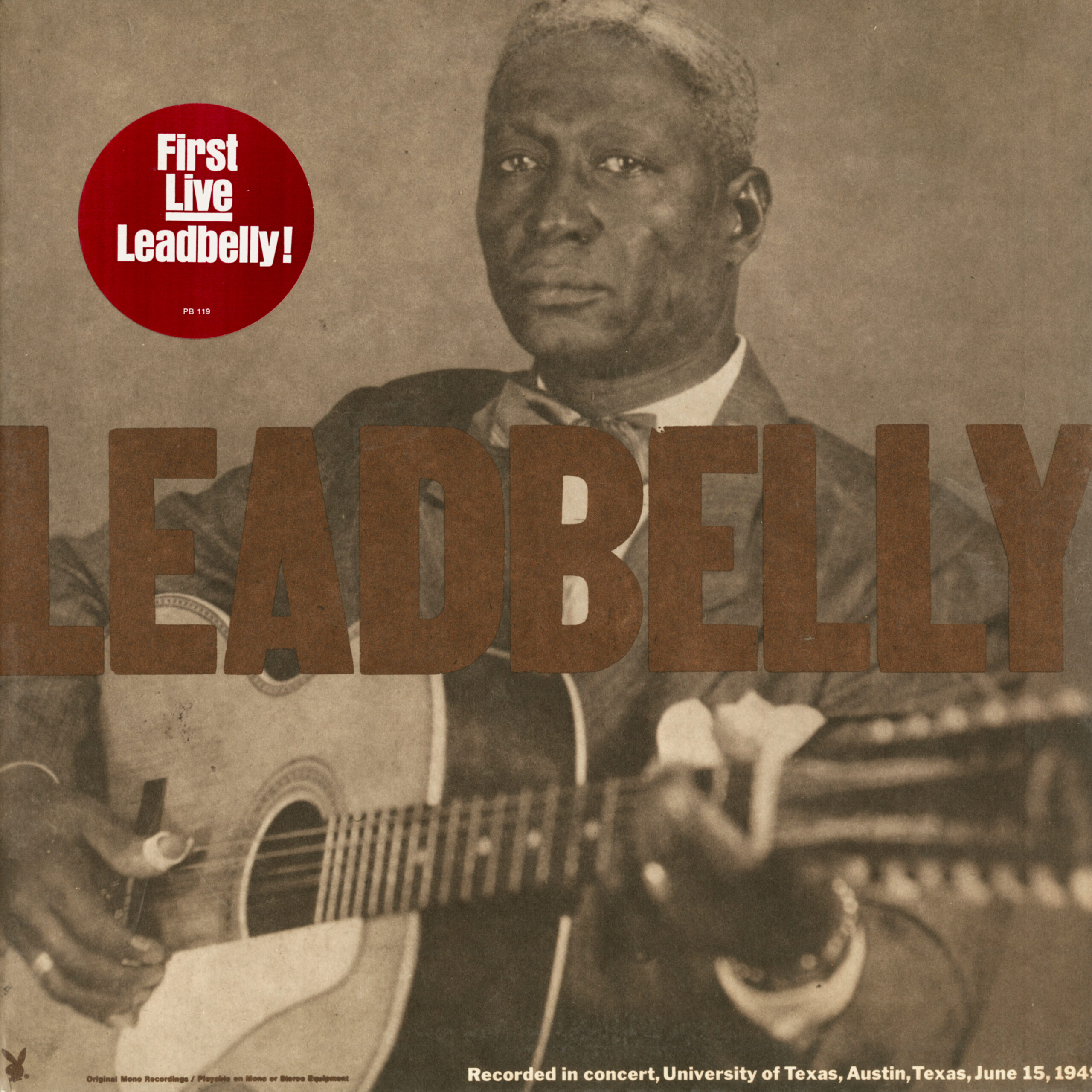
But the label also had plenty of high points. One came in 1973, when Welding and Lawrence Cohn, an executive, earned a Grammy nomination for Leadbelly, the only live concert recording of famed folk musician Huddie Ledbetter, a gem taped decades earlier that Playboy Records brought back to life. And in the mid-1970s, the Nashville office started pulling in accolades as well as putting out hit albums. Mickey Gilley won most promising male vocalist at the 1974 Academy of Country Music Awards, beginning a run of nominations and wins out of Nashville that culminated in 1976 with the label being called the “record company of the year” by the Country Music Association and Mickey Gilley winning best single, song, entertainer, male vocalist and album of the year at the Academy of Country Music Awards.
“Mickey won everything but female vocalist of the year,” says Kilroy.
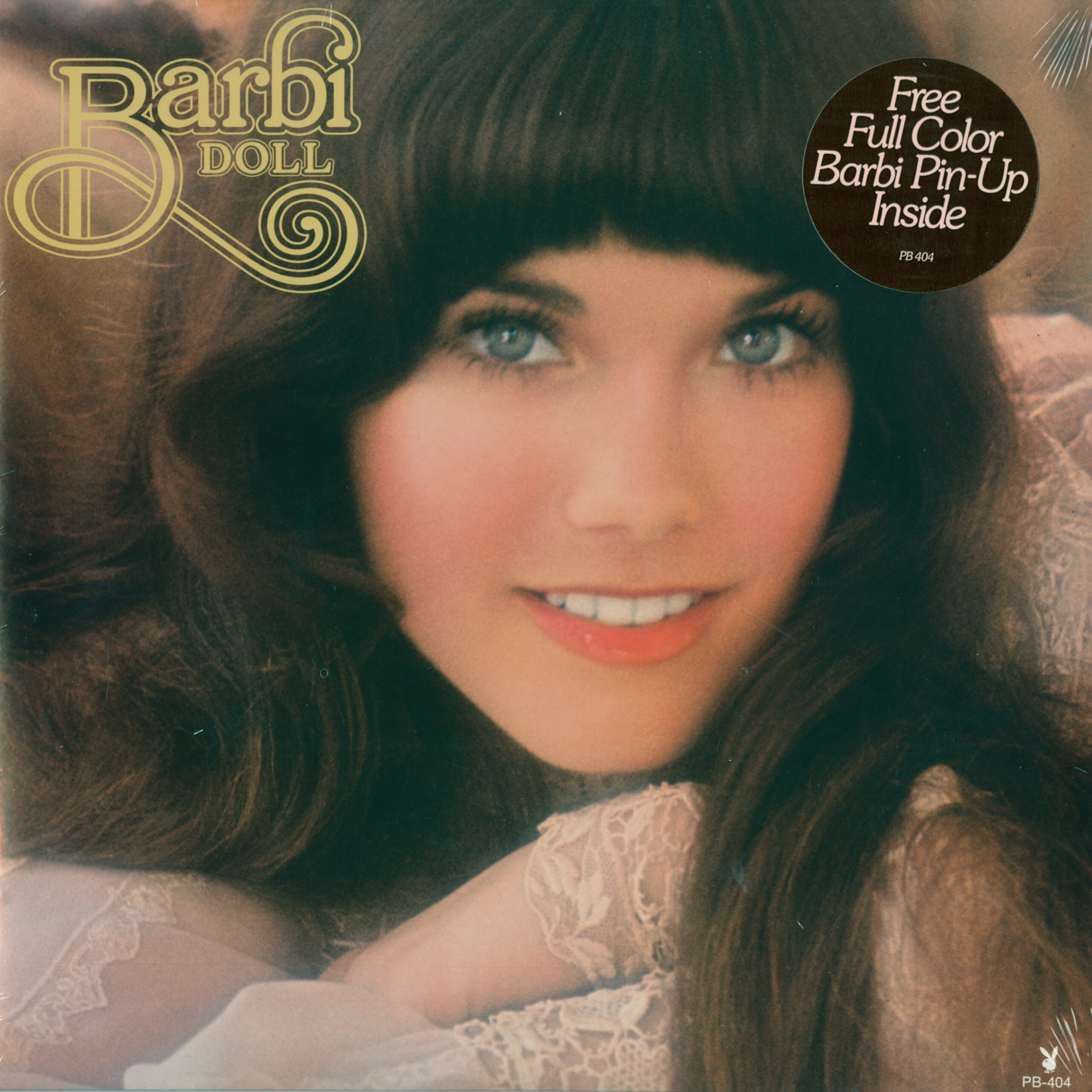
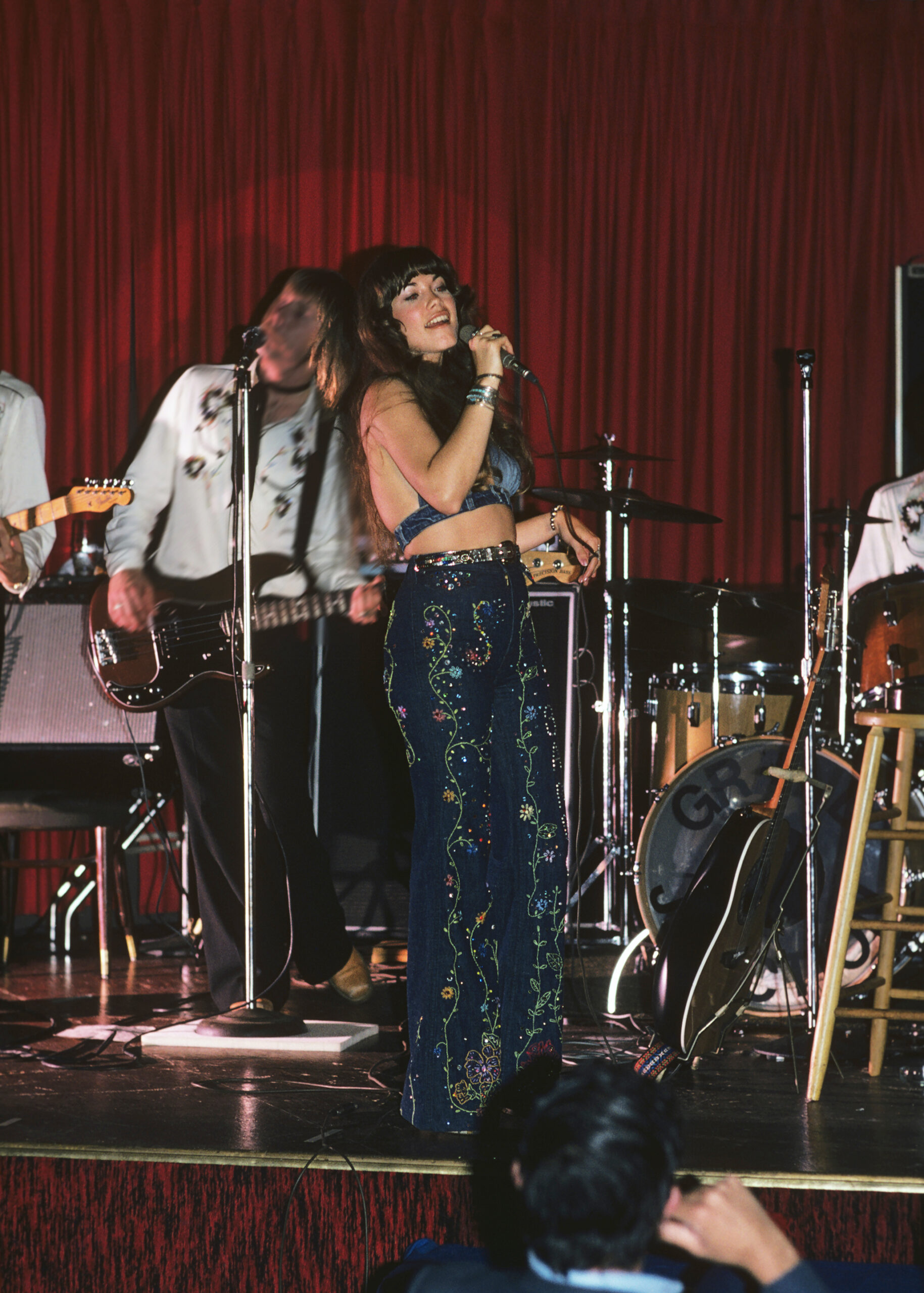
The label also signed Barbi Benton, who was not only an actress on the popular television show Hee Haw but also Hef’s longtime girlfriend. Benton had been singing in some capacity all her life, but the decision to pursue a country career was strategic, she says. “I decided that if I’m going to sing professionally, I should start with country music, because I had a built-in audience of millions,” Benton says, referring to the Hee Haw viewership. Although she was the girlfriend of the man in charge of it all, Benton says getting her career rolling wasn’t exactly easy.
One day Hef walked in on Benton when she was doing a vocal exercise that required her to intentionally sing beyond her range. “Hef sat me down and said, ‘You’ll never be a singer,’ ” she remembers. “I said, ‘I already am.’ ” She doubled up on singing lessons and doubled down on her career aspirations and was soon asked to perform at the San Francisco Playboy Club. Hef brought a large entourage to support her. Not long after, Benton began recording in the Nashville office and was nominated as most promising female vocalist in 1975 by the ACM. Her single “Brass Buckles” reached the top of the country charts, and she made several appearances on The Tonight Show Starring Johnny Carson.
“When Barbi told me she wanted to be a singer, I admit I had my doubts,” Hef says. “But she worked hard at it, practicing every day, and her efforts paid off in spades. I was very proud of her achievements and still am.”
Shel Silverstein, who wrote “A Boy Named Sue” (made famous by Johnny Cash in 1969) and who was a close friend of both Hef and Benton, as well as a longtime contributor to PLAYBOY magazine, wrote many songs for and with Benton. It was a Silverstein tune, “I Can’t Touch the Sun,” that Benton chose to perform for her first appearance on The Tonight Show.
By 1977, despite its successes with country music, the label had been losing money year after year. “Hef felt our entertainment operations were a little bit out of control,” remembers Dick Rosenzweig. At Hef’s request, Rosenzweig moved to Los Angeles from the Chicago headquarters, taking on the role of head of West Coast operations.
“I felt the only thing to do was not just close it down but to see if I could sell it to another label,” Rosenzweig says. He oversaw a deal under which Playboy Records changed hands by 1978. Business is business, and the writing had been on the wall.
“The last year, our net [in Nashville] was maybe $670,000,” remembers Kilroy. “I don’t think it was enough to keep the interest of Playboy Enterprises. You put that up beside some of the other things they had….” Still, the decision to sell was about more than the bottom line. Says Rosenzweig, “Had we continued with the record company, we could’ve kept the Nashville office with Mickey Gilley, Barbi Benton and others and done well, but I don’t think we felt that Playboy was a country-and-Western label.”
It may not have lasted long, but the label was a stepping-stone for several musical careers. Eddie Kilroy went on to be a president at MCA Nashville. Barbi Benton continued recording and still lives and breathes music. If she’s not busy singing—a lot of opera these days—she might be found playing piano, guitar or banjo or teaching a group ukulele class.
Playboy Records’ biggest star, Mickey Gilley, signed with Epic, striking it even bigger in 1980 when his version of “Stand By Me” was included in the John Travolta movie Urban Cowboy (much of which was filmed at Gilley’s eponymous bar). Not only can you see his star on the Hollywood Walk of Fame, but you can still watch him perform. Gilley will be doing shows throughout the fall in Branson, Missouri—where fans might even hear that line about the magazine that, once upon a time, launched a record label.