Your bag is empty.
From Warhol’s Factory to a Texas highway to a research lab at MIT, the Rabbit Head has inspired artists of every ilk from every corner of the globe for 65 years and counting. Here’s a warren of our favorites
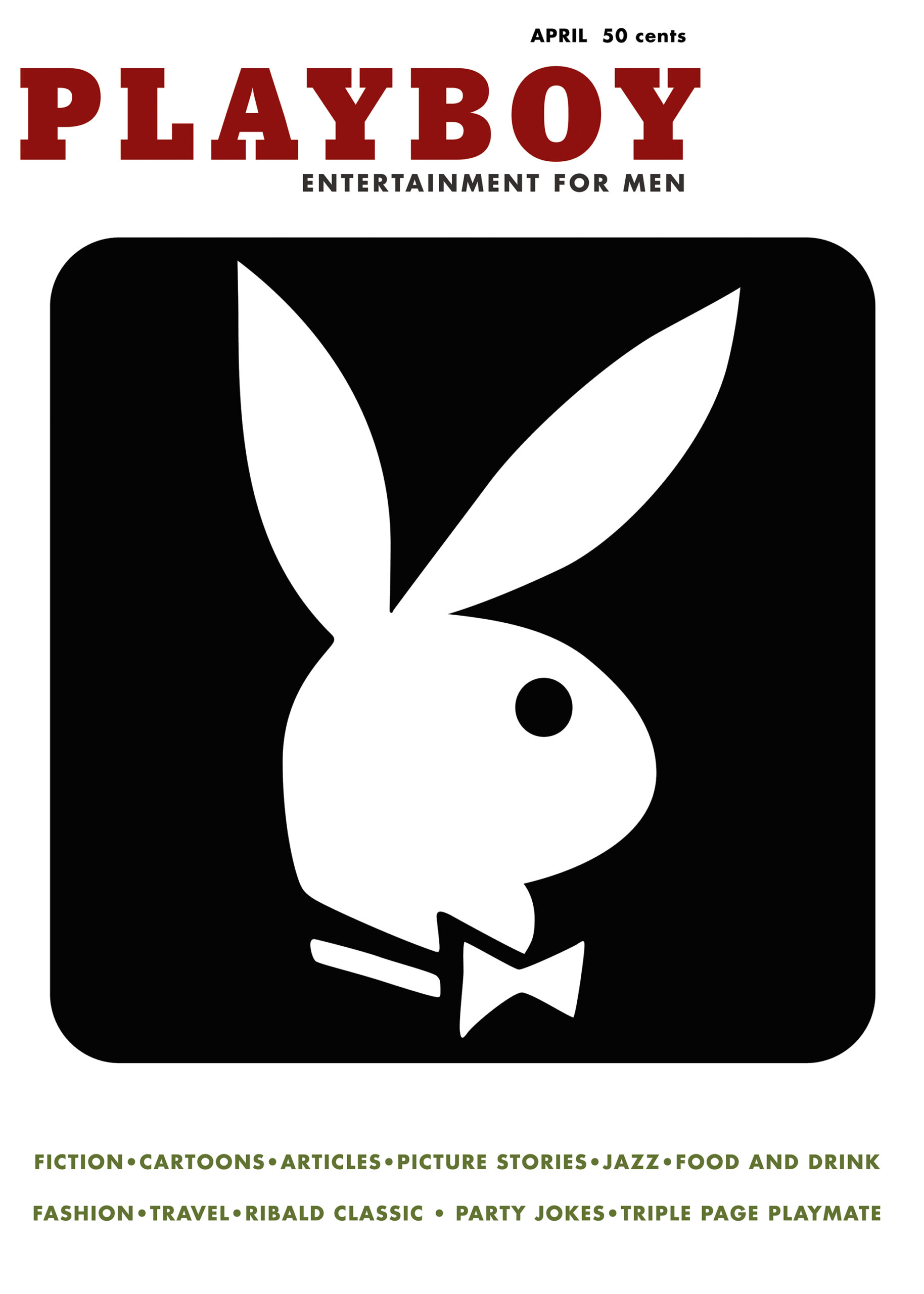
A few weeks before PLAYBOY’s first issue was due at the printer, Hugh Hefner and graphic designer Arthur Paul set out to create a symbol to represent the nascent publication’s visual identity.
“I wanted it to be something so simple that when you made it larger you could do many things with it,” the late Paul recalled in a 2018 documentary about his profound impact on the relationship between art and publishing.
But back in 1953, PLAYBOY’s founding art director had no clue that the sophisticated, mischievous bow-tied rabbit with a cocked ear that he’d drafted in under an hour would become arguably the most recognizable silhouette in the world.
“If I’d had any idea how important that little Rabbit was going to be,” Paul said, “I probably would have redrawn him a dozen times.… As it was, I did one drawing and that was it.”
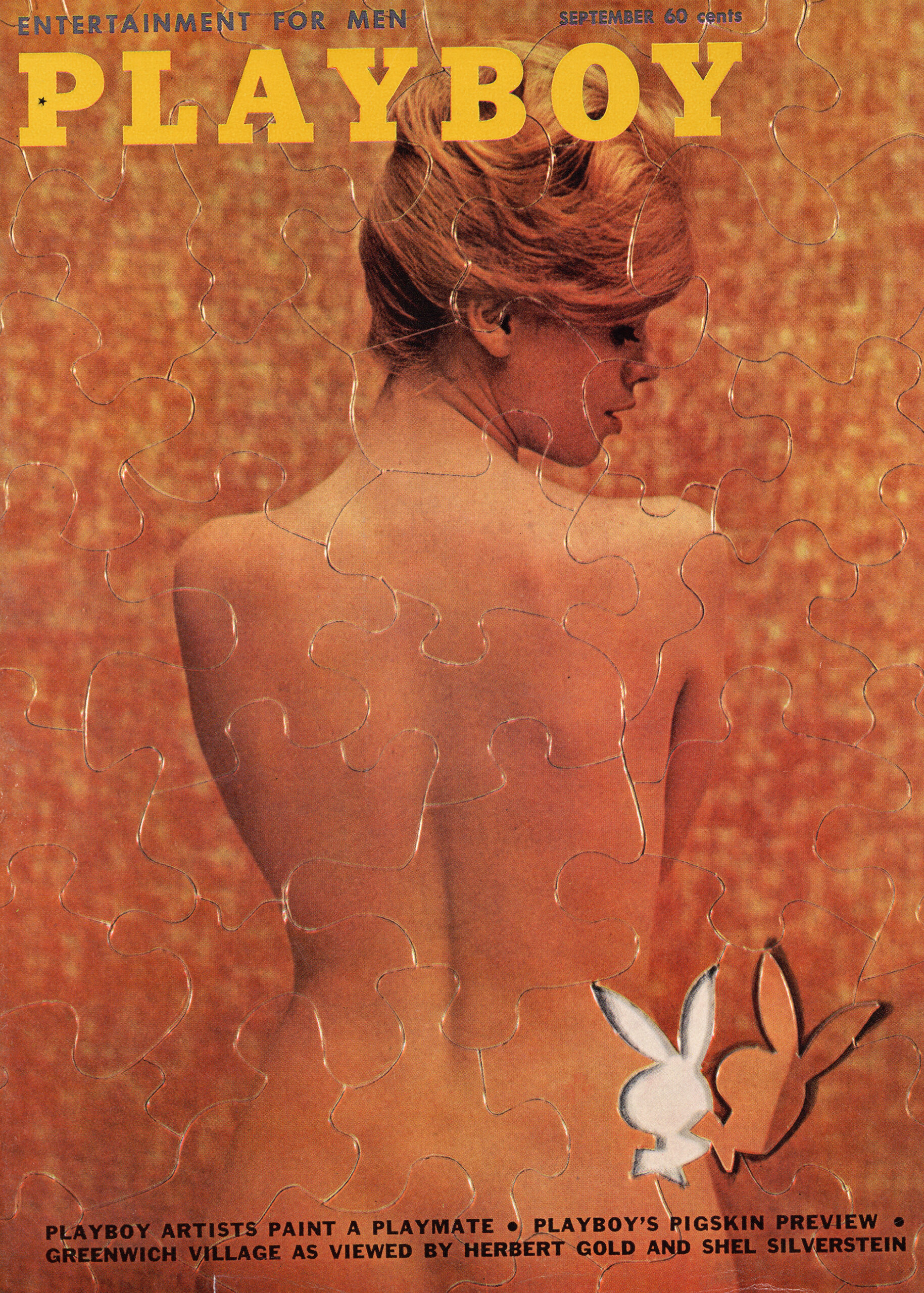
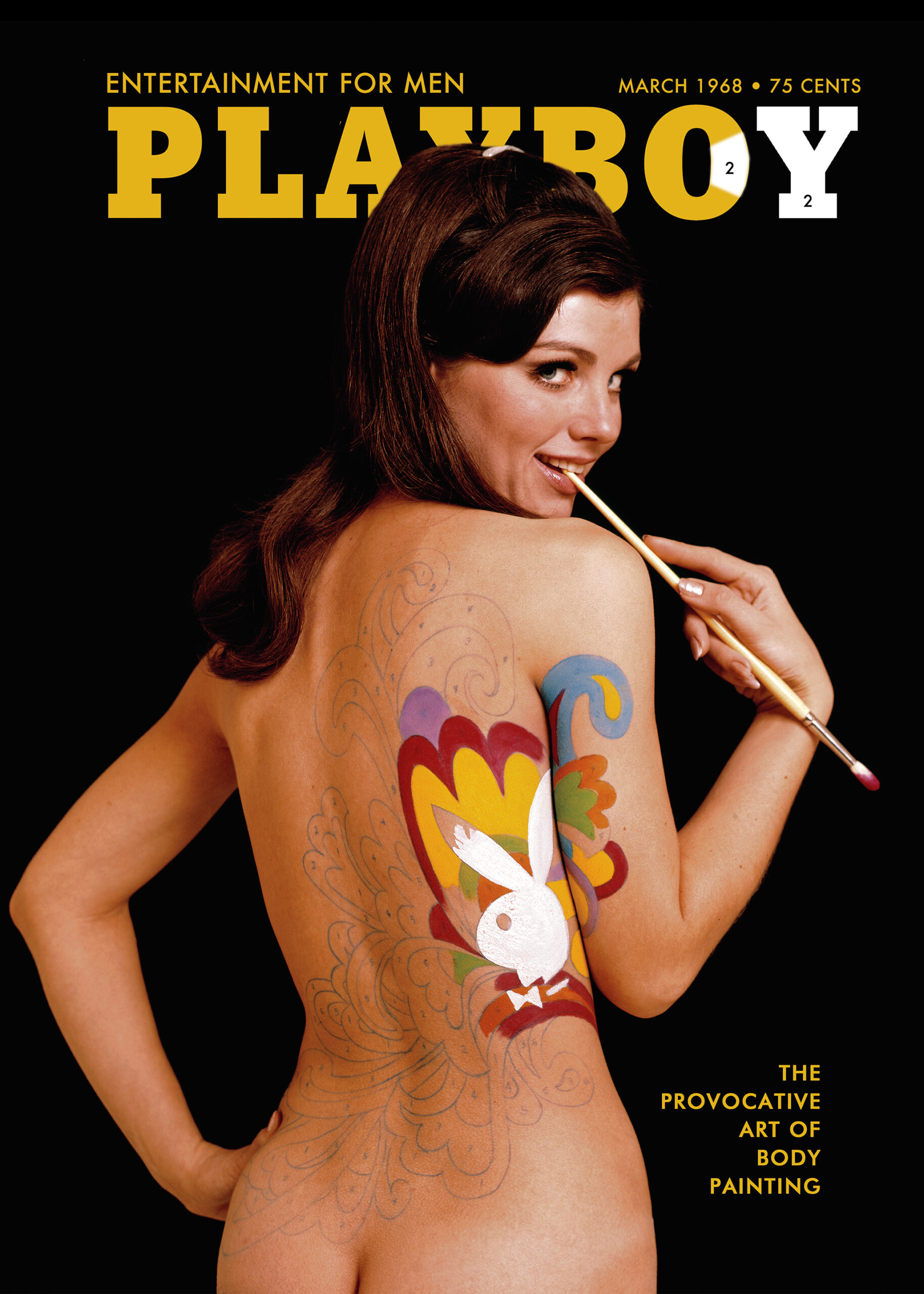
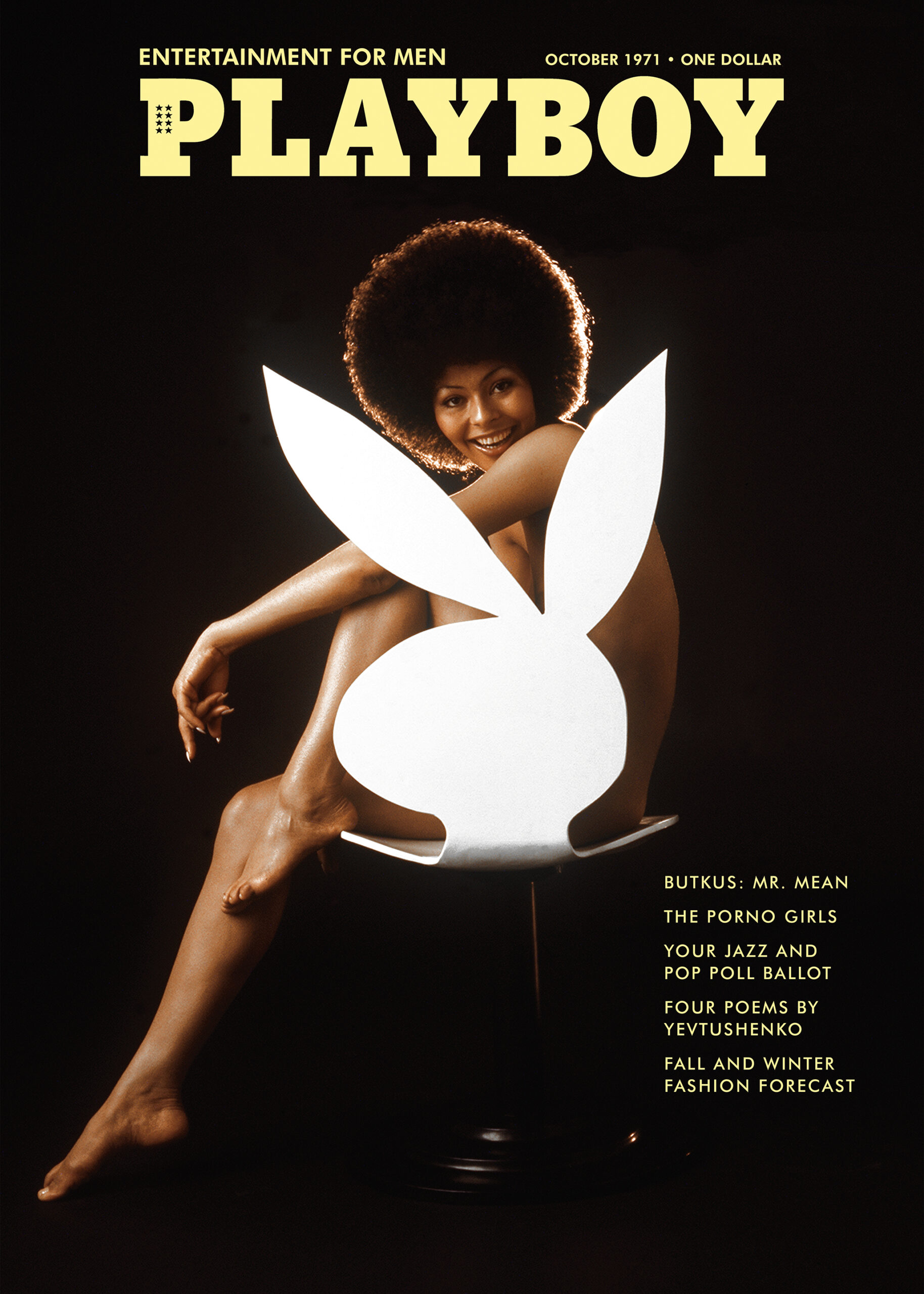
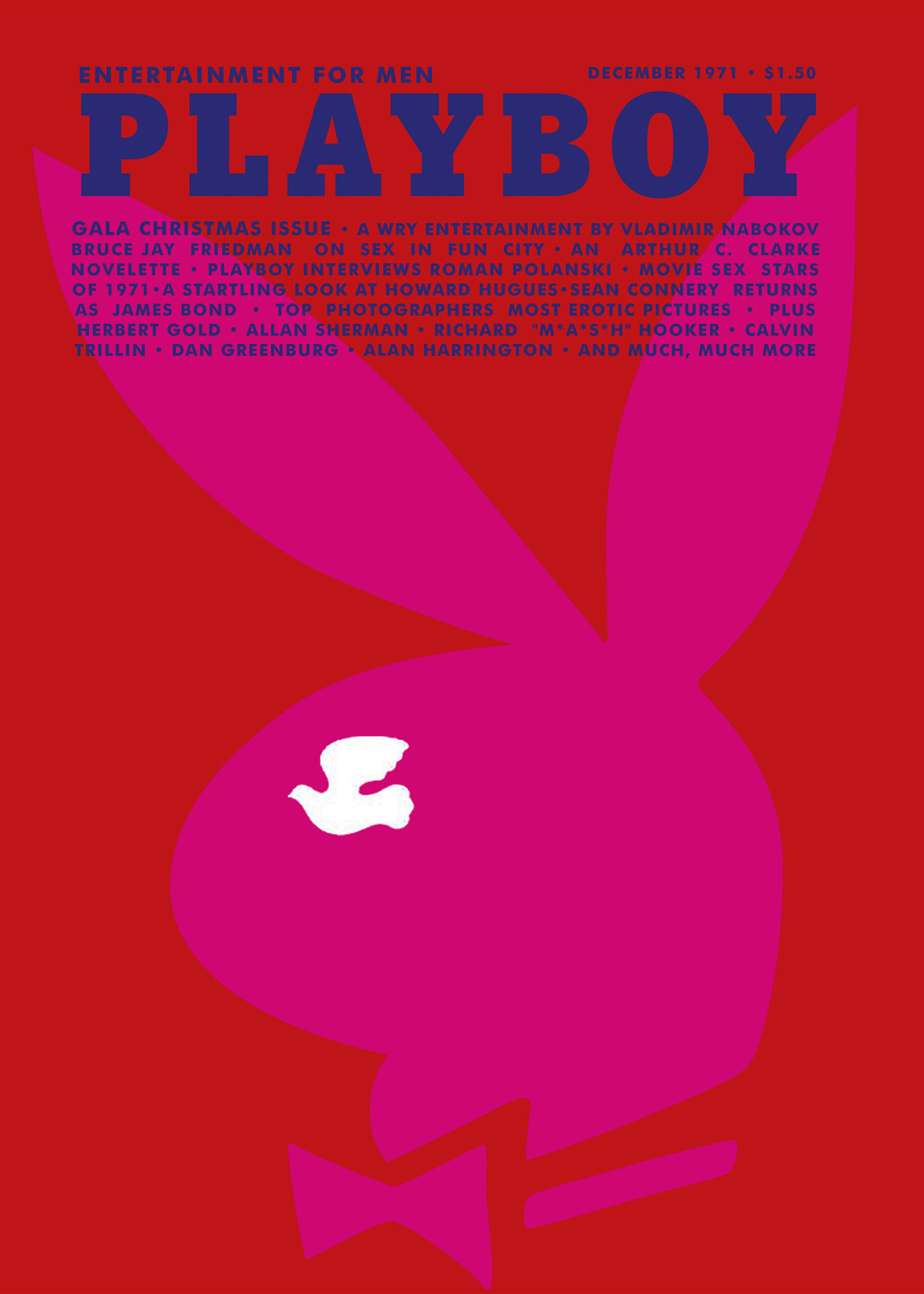
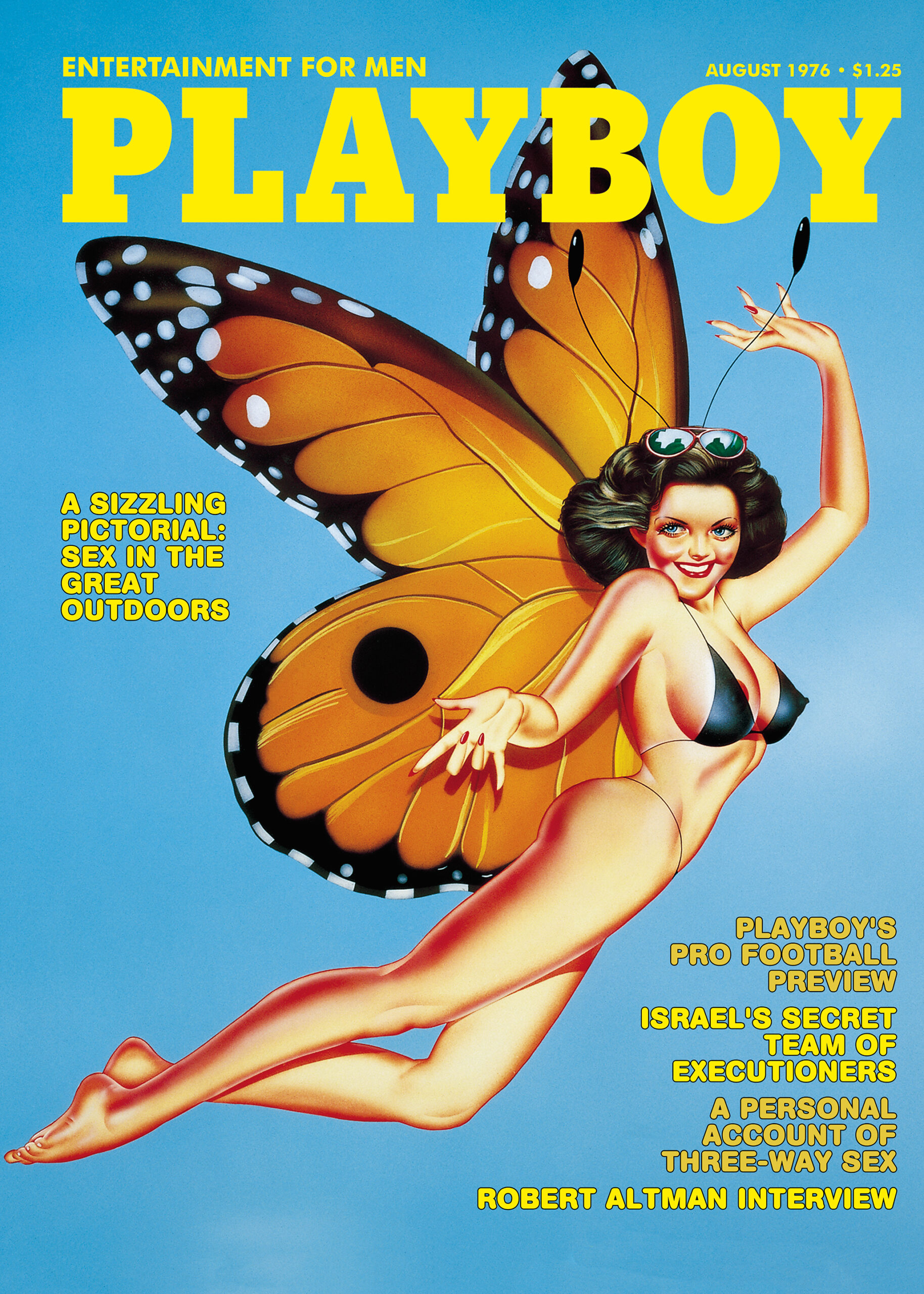
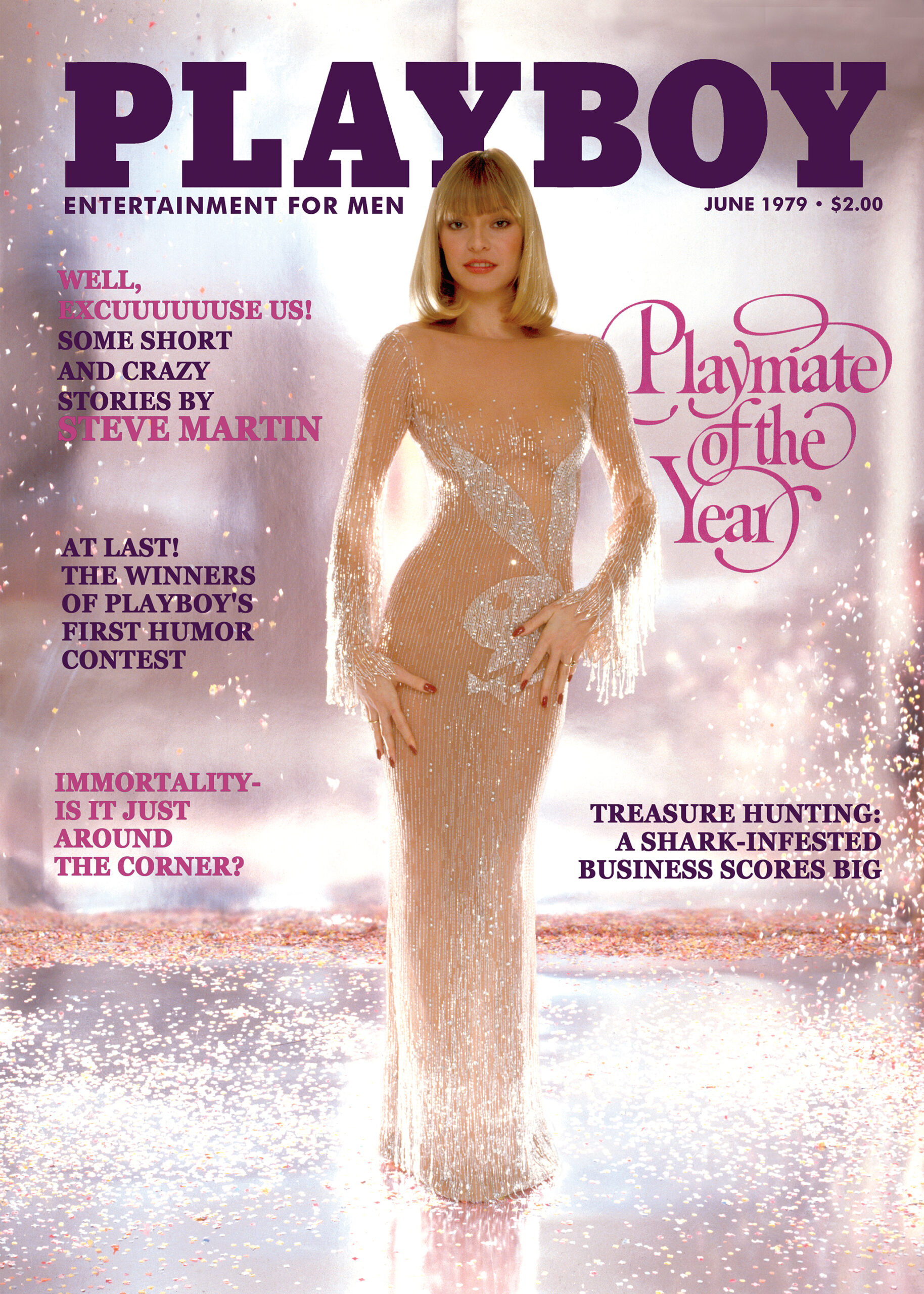
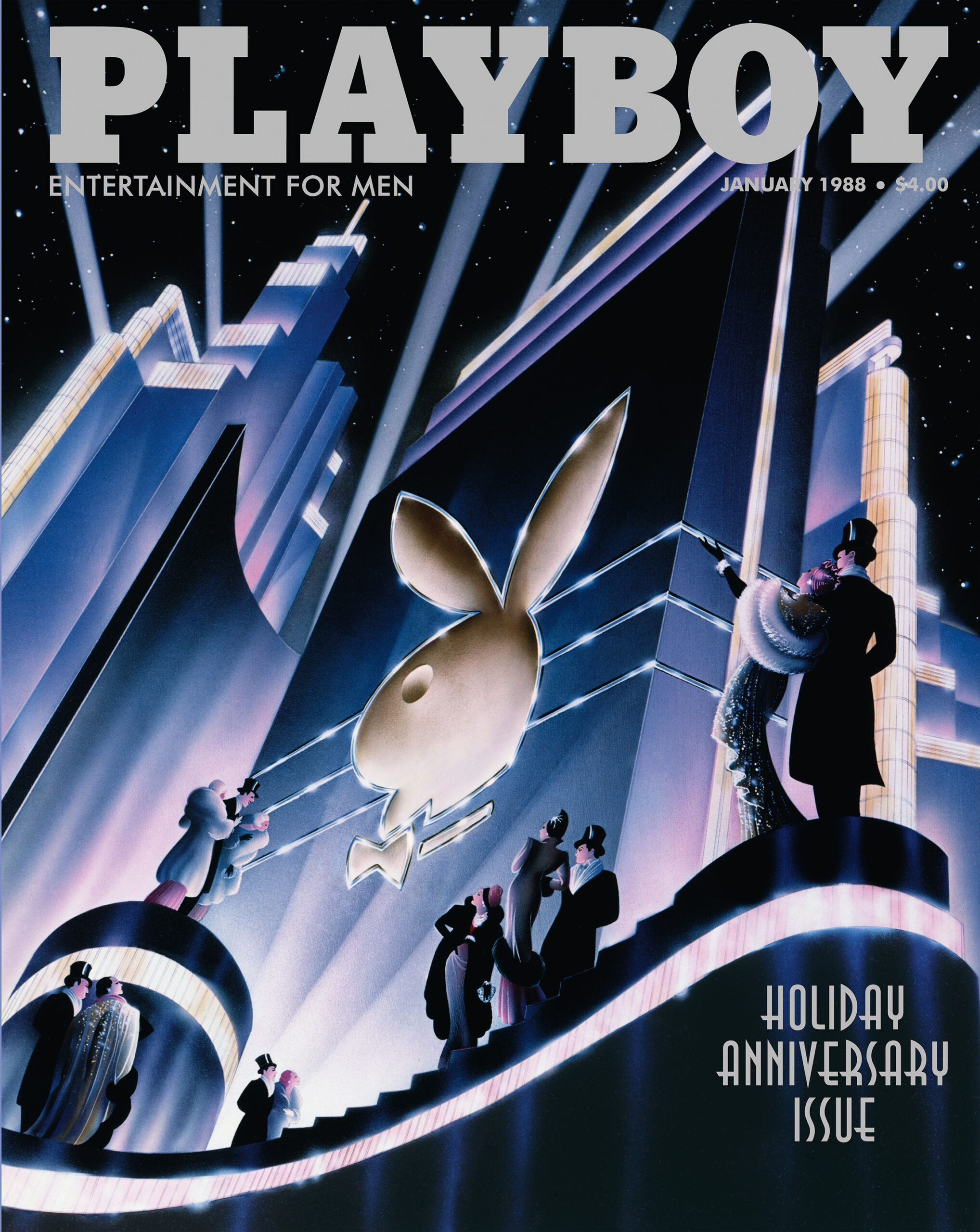
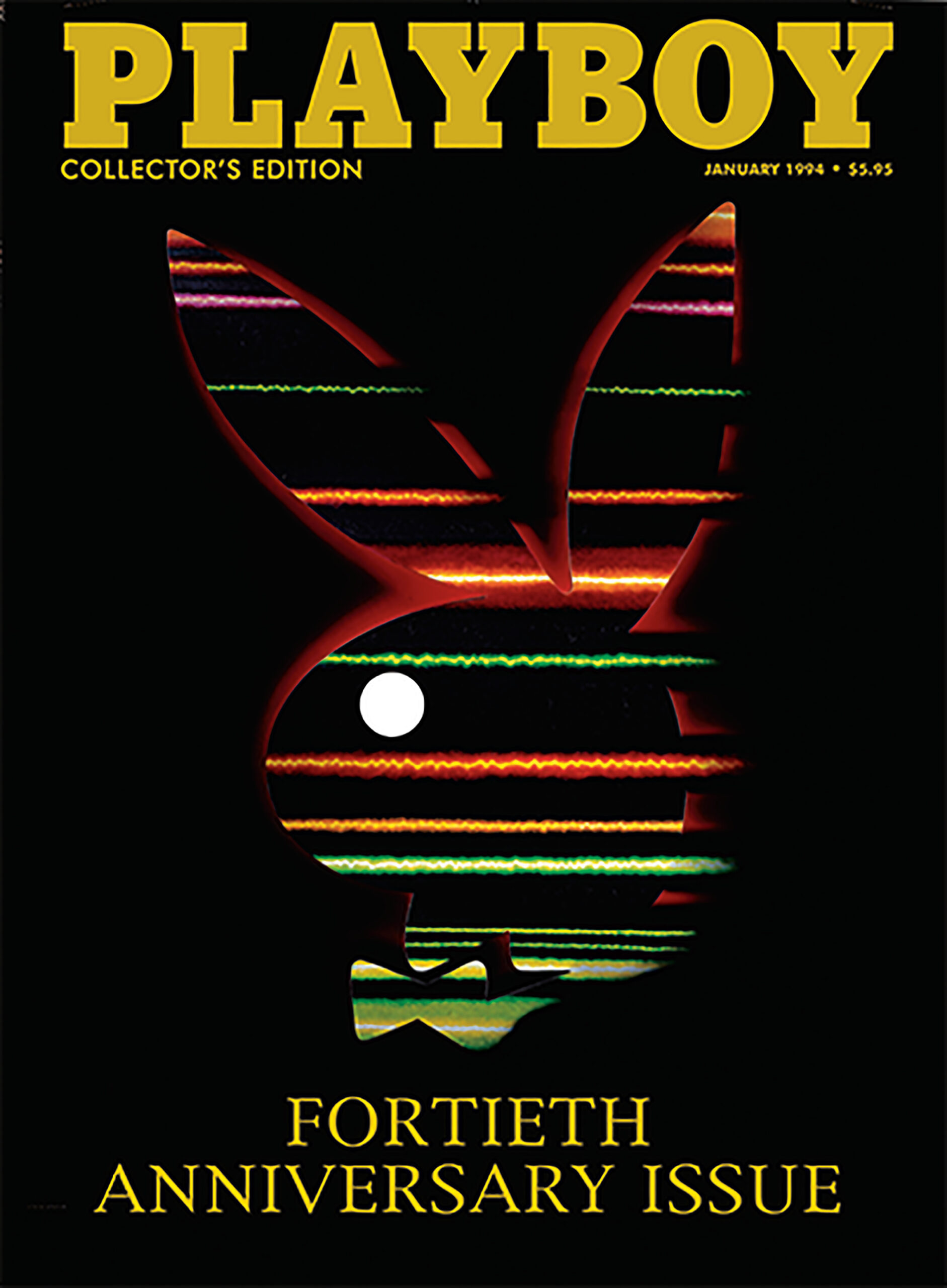
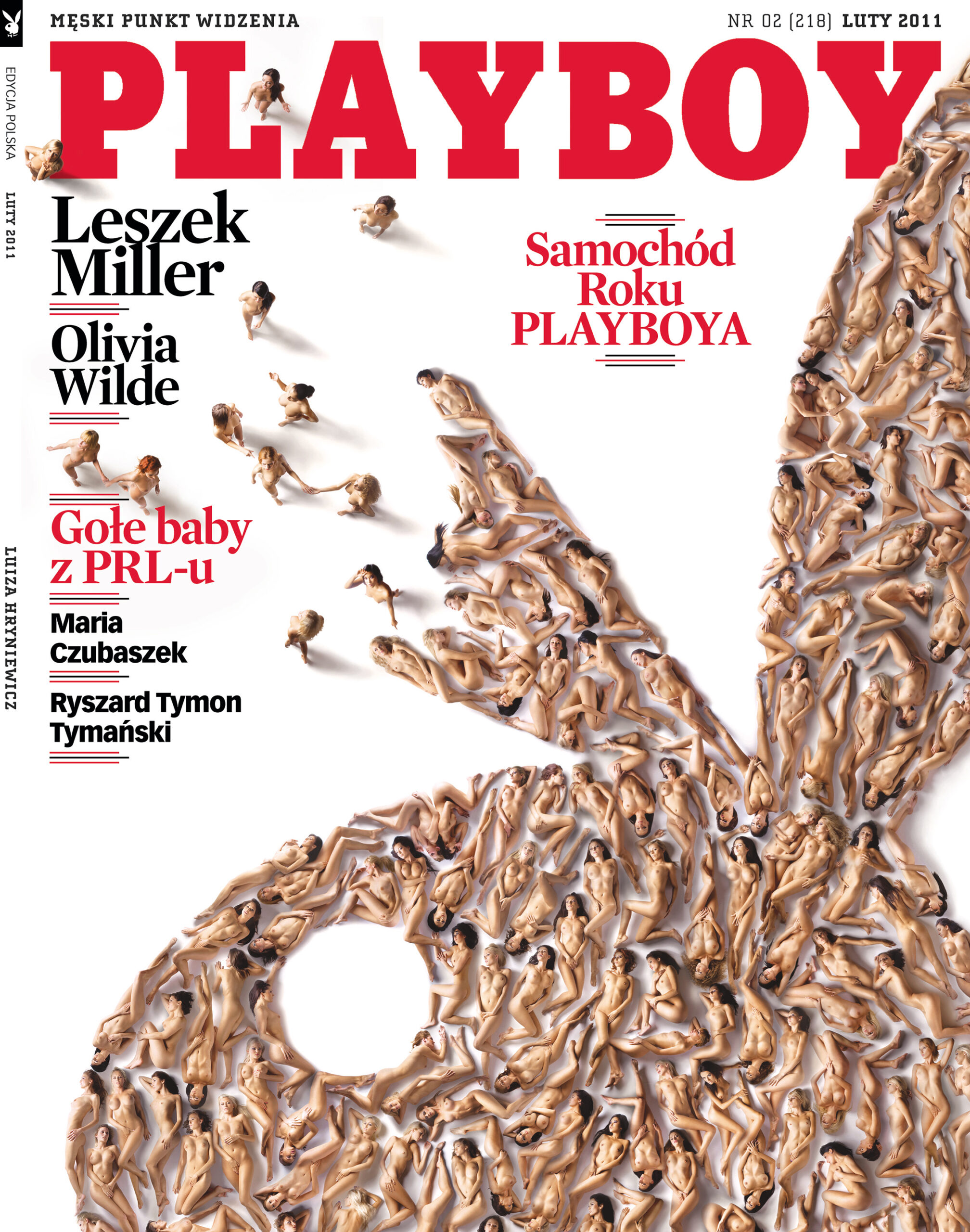
One take was all it took. The symbol made its cover debut on the magazine’s third issue (having graced the interior of the first two). And since the 1960s, it has appeared—sometimes prominently, often cleverly hidden—on nearly every cover. The Rabbit’s reach quickly extended beyond the magazine: In 1959, a letter mailed from New York addressed with only the symbol was delivered to Playboy’s Chicago headquarters; by 1964, the Society of Typographic Arts had ranked it among the top logos ever designed in the United States.
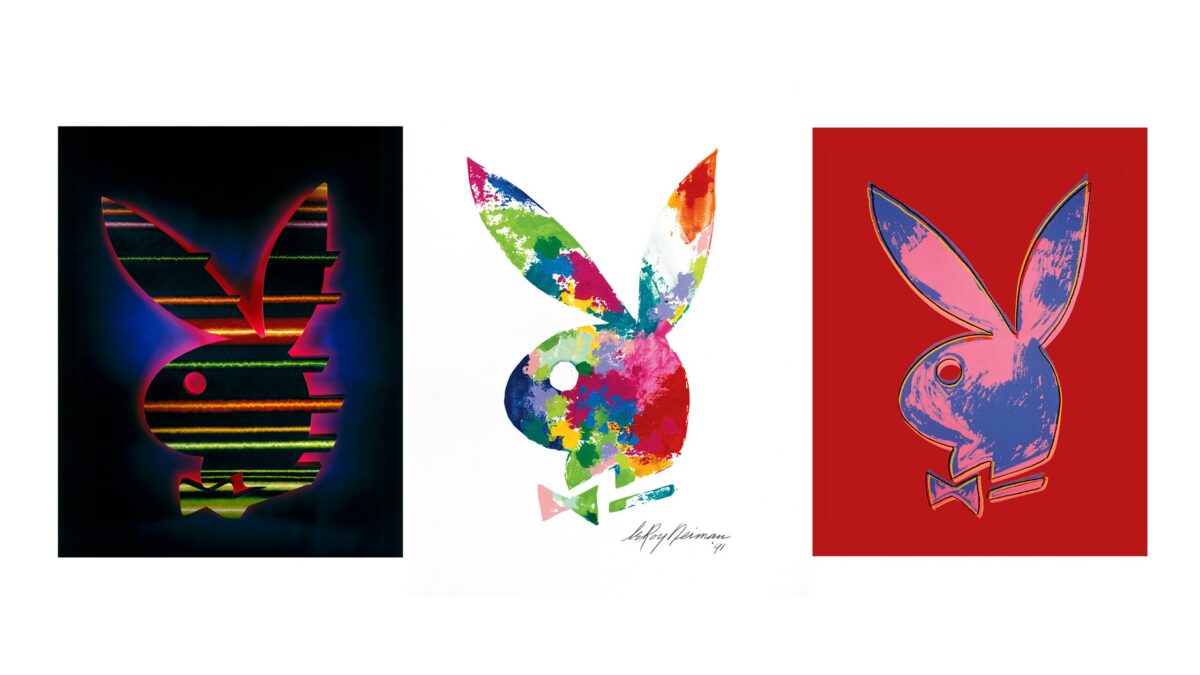
From Andy Warhol’s immediately recognizable red rendition to Neiman’s delicate expressionist version (featured on a 1991 Christmas card and previously unpublished), the Rabbit Head continues to serve as a blank canvas for artists nearly seven decades after Paul executed his “simple” idea.
A sampling of iconic artists’ signature spins on our signature symbol
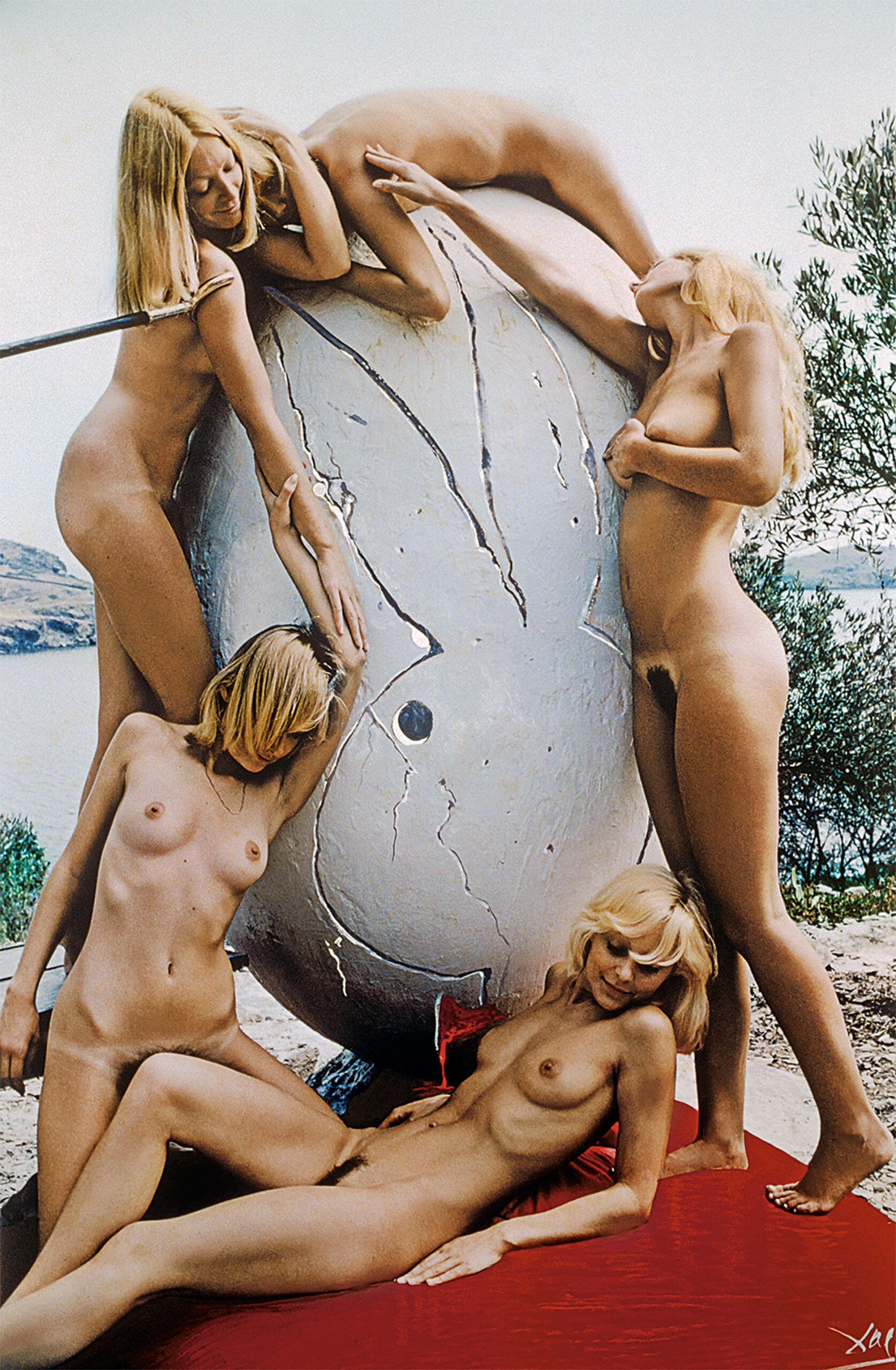
In the early 1970s, PLAYBOY asked Salvador Dalí to conceptualize his erotic fantasies, then dispatched staff photographer Pompeo Posar to the small Spanish village of Cadaqués to help the artist realize them. As you can see, our Rabbit—with the support of a blonde quintet—plays a central role in Dalí’s escapist visions. The artist’s goal for the exercise, which was unveiled in a 1974 pictorial, was as clear as his fantasies were surreal: “The meaning of my work is the motivation that is of the purest—money. What I did for PLAYBOY is very good and your payment is equal to the task.”
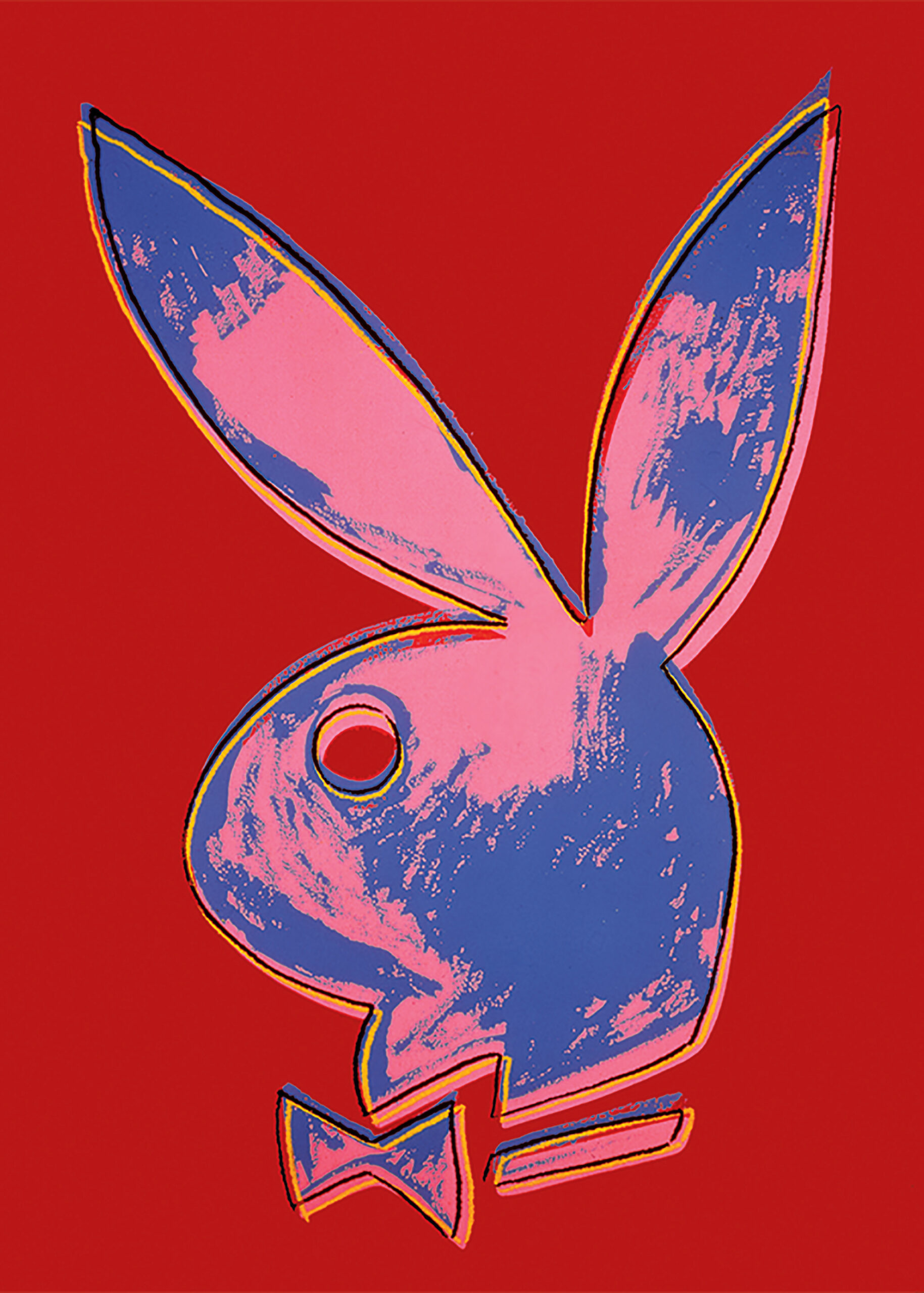
What do Marilyn Monroe, Campbell’s soup cans and the Playboy Rabbit have in common? By 1986, all three icons had joined the ranks of subjects cranked off the assembly line of Andy Warhol’s Factory. “I’ve got bunnies on the brain,” he said of the assignment for PLAYBOY’s January 1986 anniversary issue. The piece would be one of Warhol’s last major works before his death, and no Rabbit better captures the opulence and commercialism of the decade than the artist’s stylish double-exposed version, which features bold slashes of cotton-candy pink and neon purple colliding on a lipstick-red canvas.
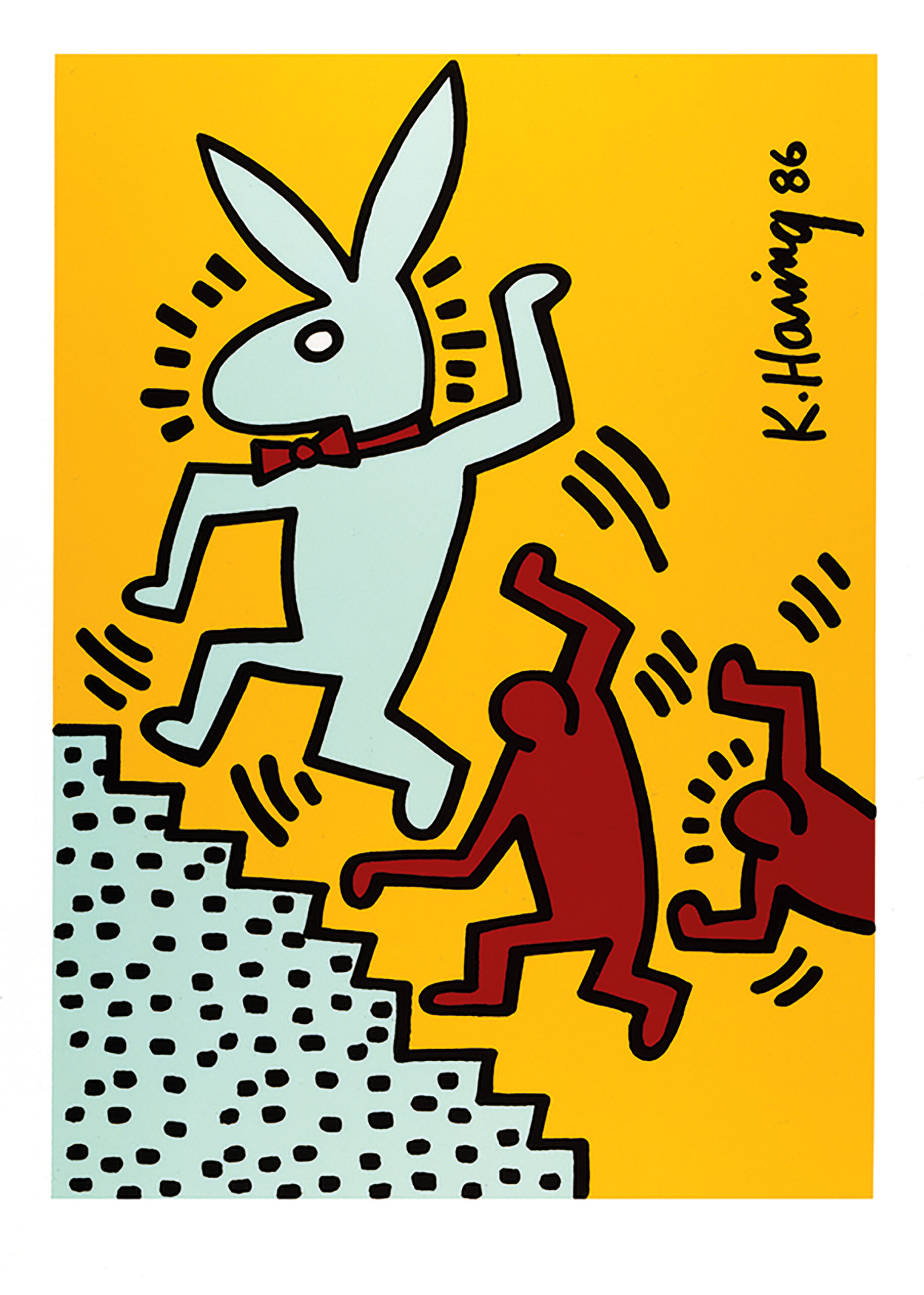
Prolific pop artist Keith Haring brought his abstract renderings of playful characters and progressive social ideas to PLAYBOY’s pages several times in the 1980s. Bunny #2, dubbed Bunny on the Move by the artist, is a rerelease of a never-published cover, part of a series commissioned by PLAYBOY in 1986—four years before the artist’s death.
*A multidisciplinary medley of unusual Rabbit remixes *
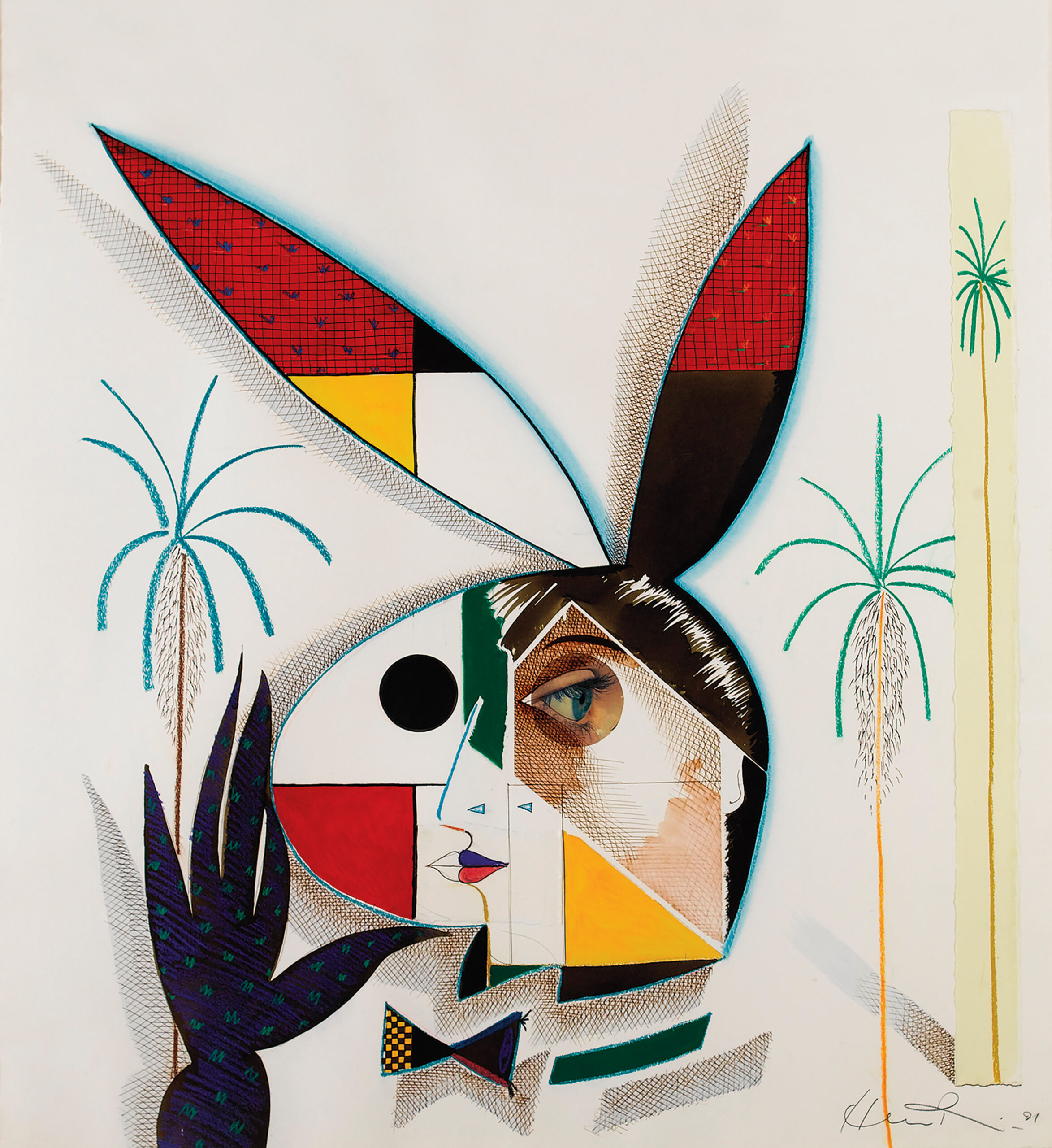
British artist Andrew Hewkin created this never-before-published Rabbit for Playboy’s Chicago headquarters in 1991. In addition to a clear affinity for Picasso, Hewkin’s mixed-media interpretation stemmed from a once-in-a-lifetime trip to Vietnam in the spring of 1991. Hewkin tells PLAYBOY from his London studio, “I traveled all around and developed a new dimension to my work using collage and works on paper. Hence, the design for the Rabbit Head was influenced heavily by my travels in a war zone that had defeated the USA.”
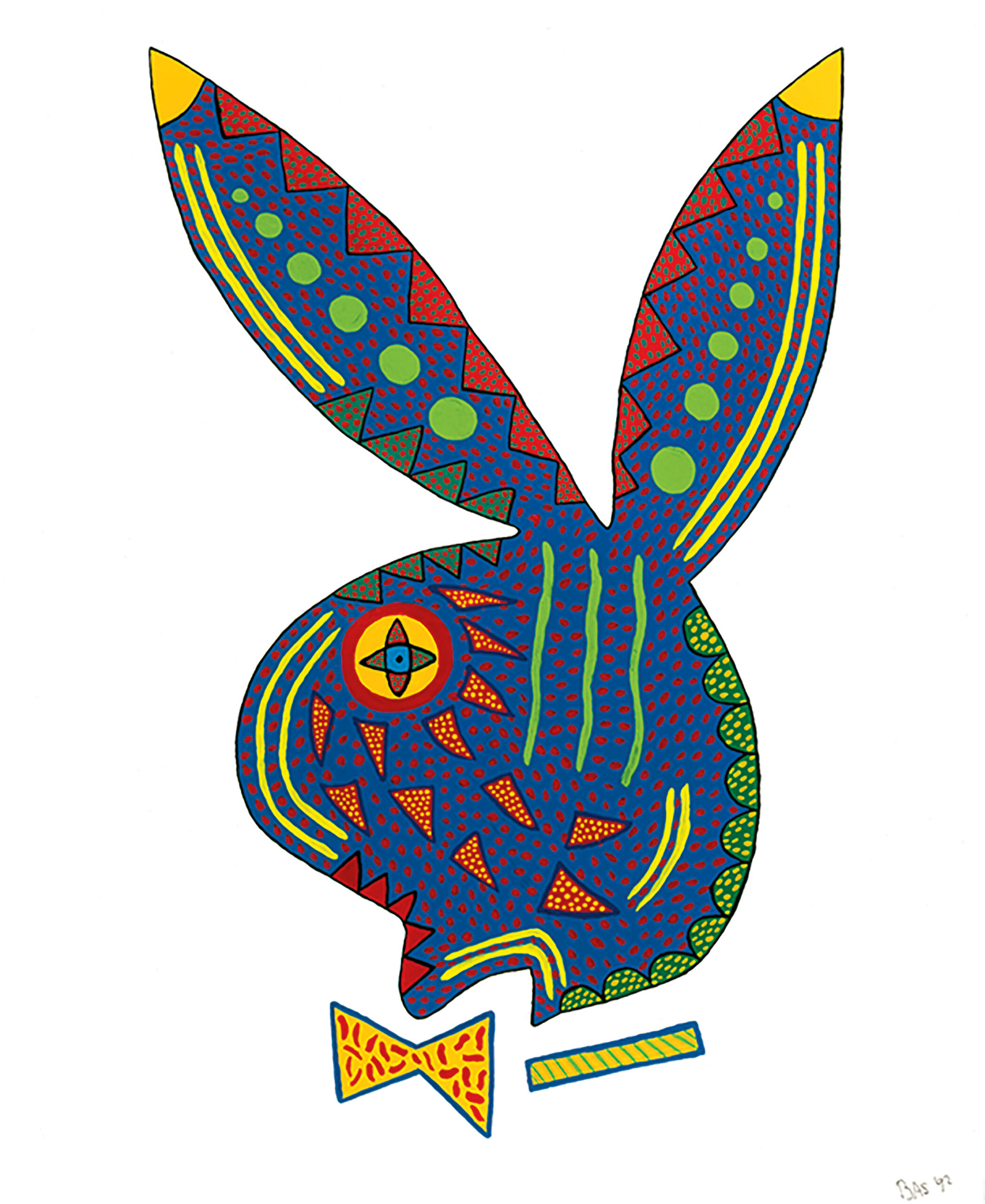
This radiant Rabbit was painted by elusive Dutch multimedia artist Bas van Reek in 1992. It’s undoubtedly one of our favorite fine art depictions, but its backstory is somewhat of a mystery—few details are known about the piece or the man who created it.
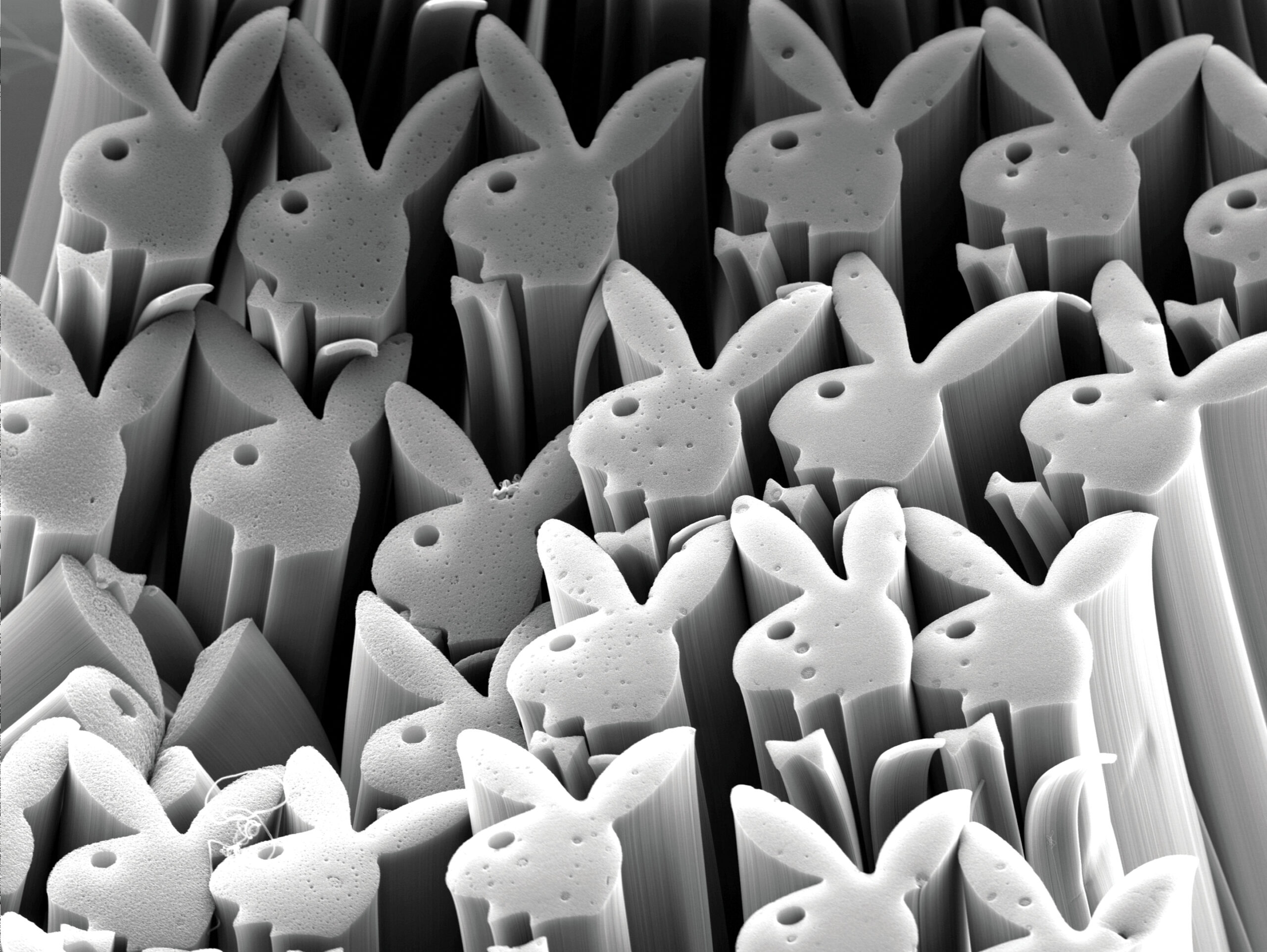
In 2007, PLAYBOY reader John Hart had a big idea about a small thing. As an experiment, Hart, an MIT researcher specializing in nanostructures, created a quarter-millimeter-wide Rabbit Head–shaped carbon nanotube by baking a silicon wafer in a high-temperature furnace containing carbon gas. “A chemical reaction draws up millions of parallel nanotubes in any shape you specify,” Hart told PLAYBOY at the time. Hart’s creation, now housed in the Museum of Sex in New York City, is the world’s tiniest Rabbit Head. “The bow ties are about the width of a human hair.”
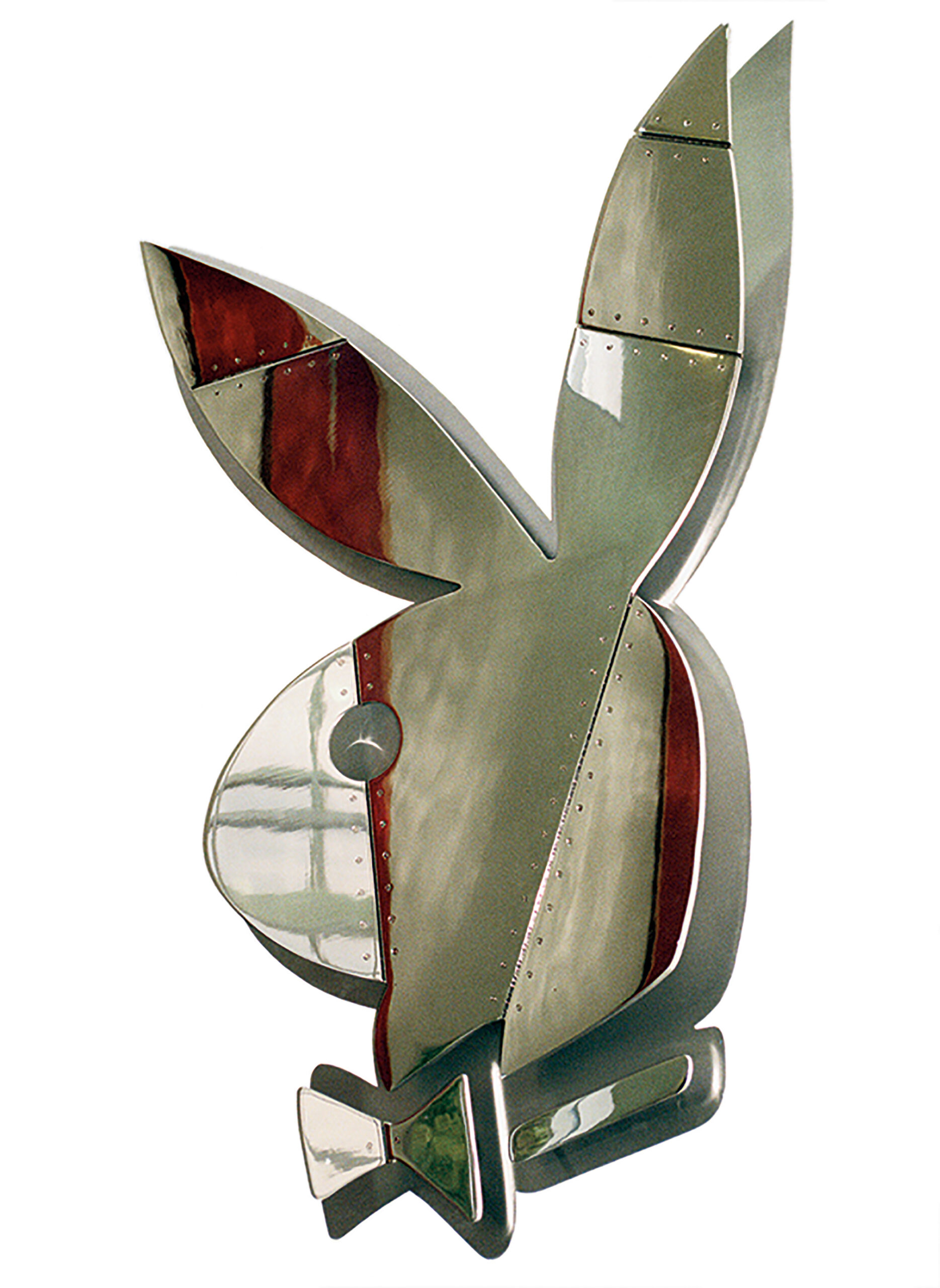
Self-taught American sculptor Ernest Trova spent more than two months creating this seven-by-four-foot stainless-steel Rabbit Head for PLAYBOY in 1997, and the heavy hinged hare now greets guests from the lobby of the company’s world headquarters in Los Angeles. The sculpture, which features a flappable ear and bow tie, is the only known kinetic version of the Rabbit.

In the summer of 2013, Neville Wakefield, Playboy’s then creative director for special projects, tapped artist Richard Phillips to create a temporary roadside installation outside Marfa, Texas. Public response to the project, which centered on the world’s tallest Rabbit Head, was decidedly mixed. Countless #PlayboyMarfa selfies flooded the internet, and Phillips made a convincing case for the piece as a visual reconciliation of the brand’s legacy with its future; locals deemed it an eyesore packaged as art. Love it or hate it, the piece elicited an undeniably provocative conversation about the line between art and advertising.
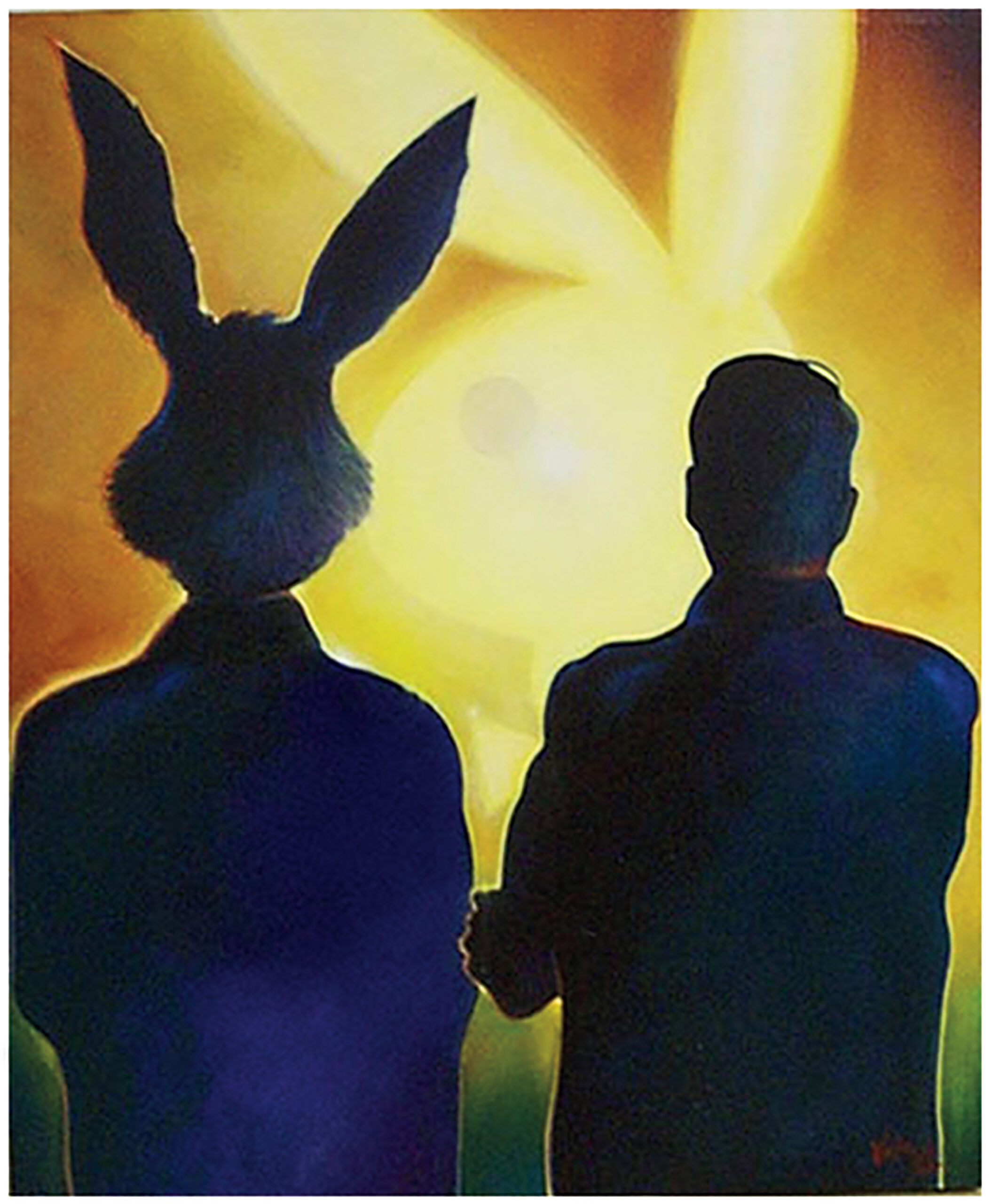
Pop artist and January 1996 Playmate Victoria Fuller created The Power of One after viewing a production of the Pulitzer Prize–winning play Harvey. “The play was about a man who had an invisible friend who was a big rabbit,” says Fuller. “Mr. Playboy, the Rabbit Head and Hef himself are all Hef to me. Today I see this piece as the spirit of Hef and how the power of one man created such an iconic brand.”
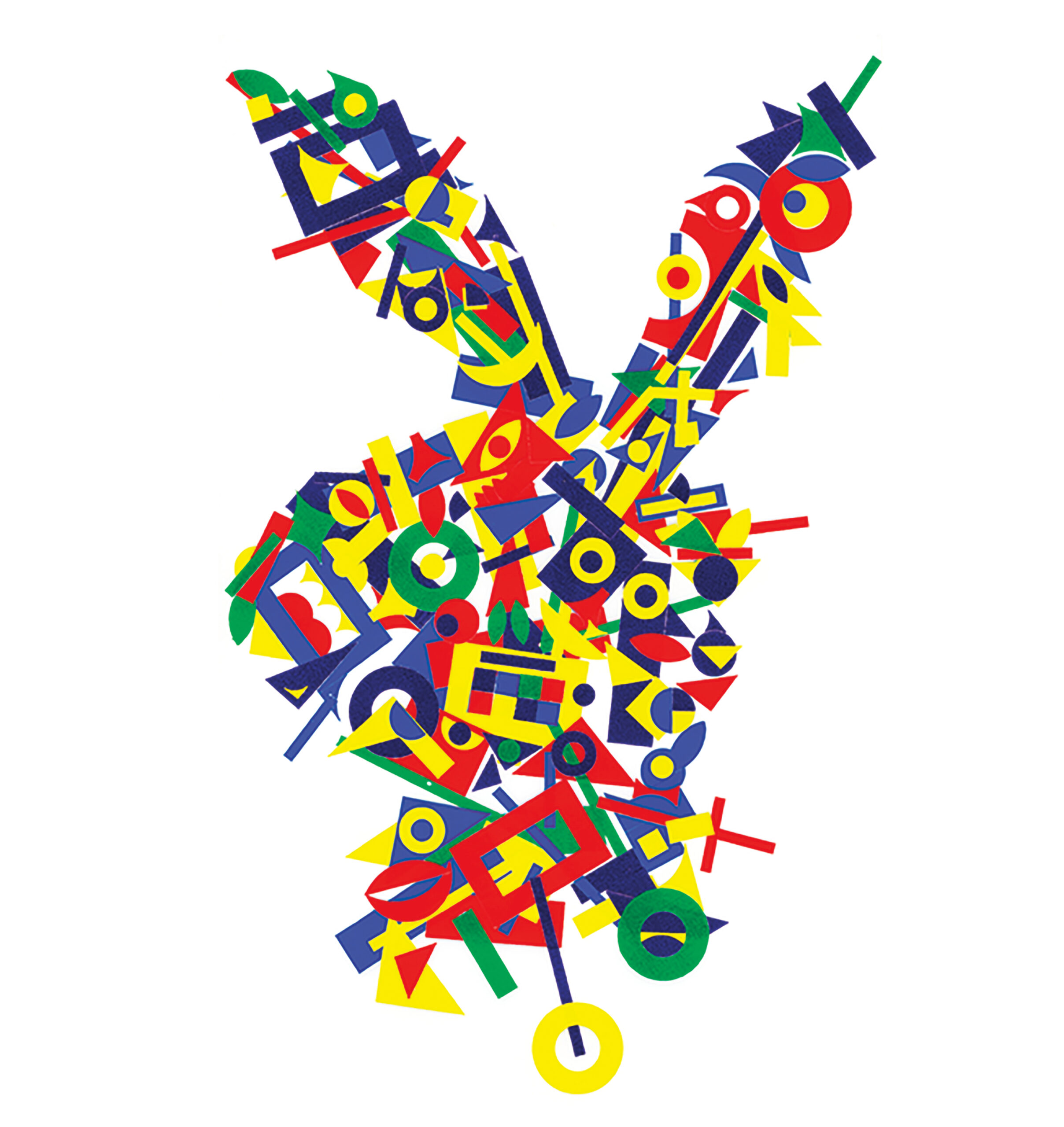
Each year from 2007 to 2011, Playboy tapped some choice musical artists to remix its logo for a recurring campaign called Rock the Rabbit. The impressive lineup included Duran Duran, MGMT, Daft Punk, Iggy Pop and dozens more. English electronic band Hot Chip is behind this playful abstract reimagining, which was featured on a T-shirt.
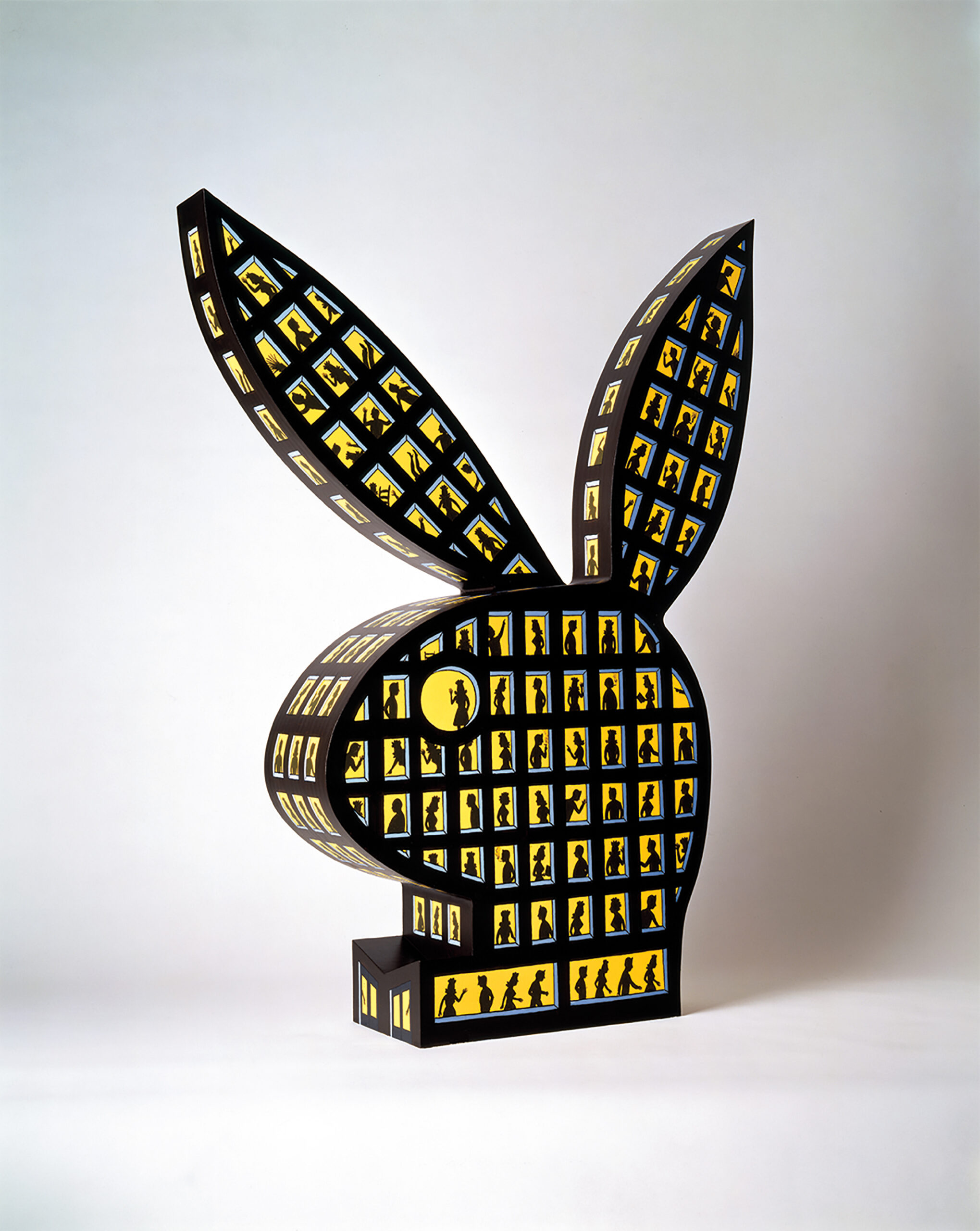
Roger Brown, an Alabama-born artist associated with the Chicago imagists, had a lifelong appreciation for Southern folk art and functional, handmade art objects. He created this five-foot-tall painted wooden Rabbit for Playboy’s Chicago offices in 1992.
A collection of some of our favorite vintage and contemporary pairs of hares
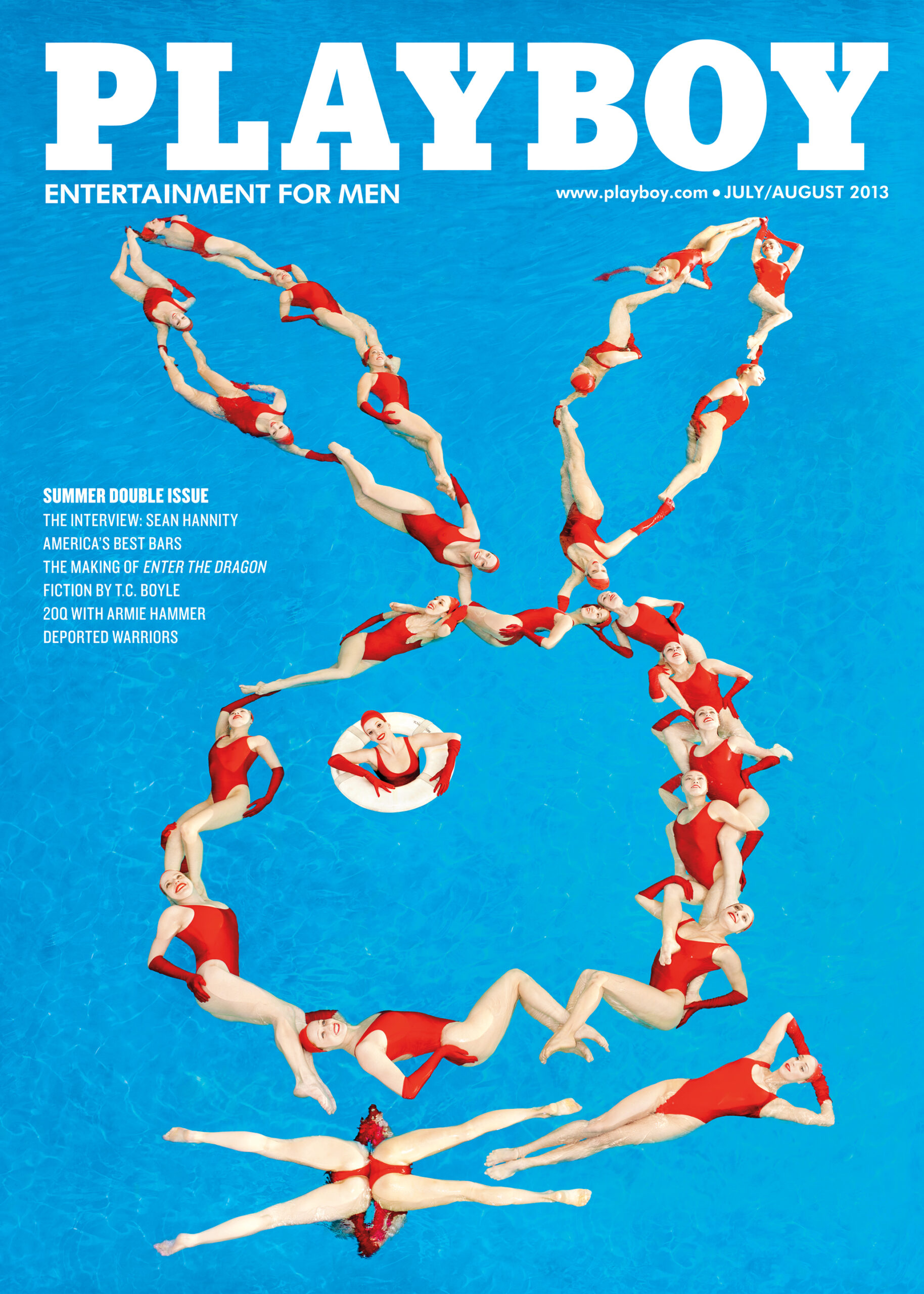
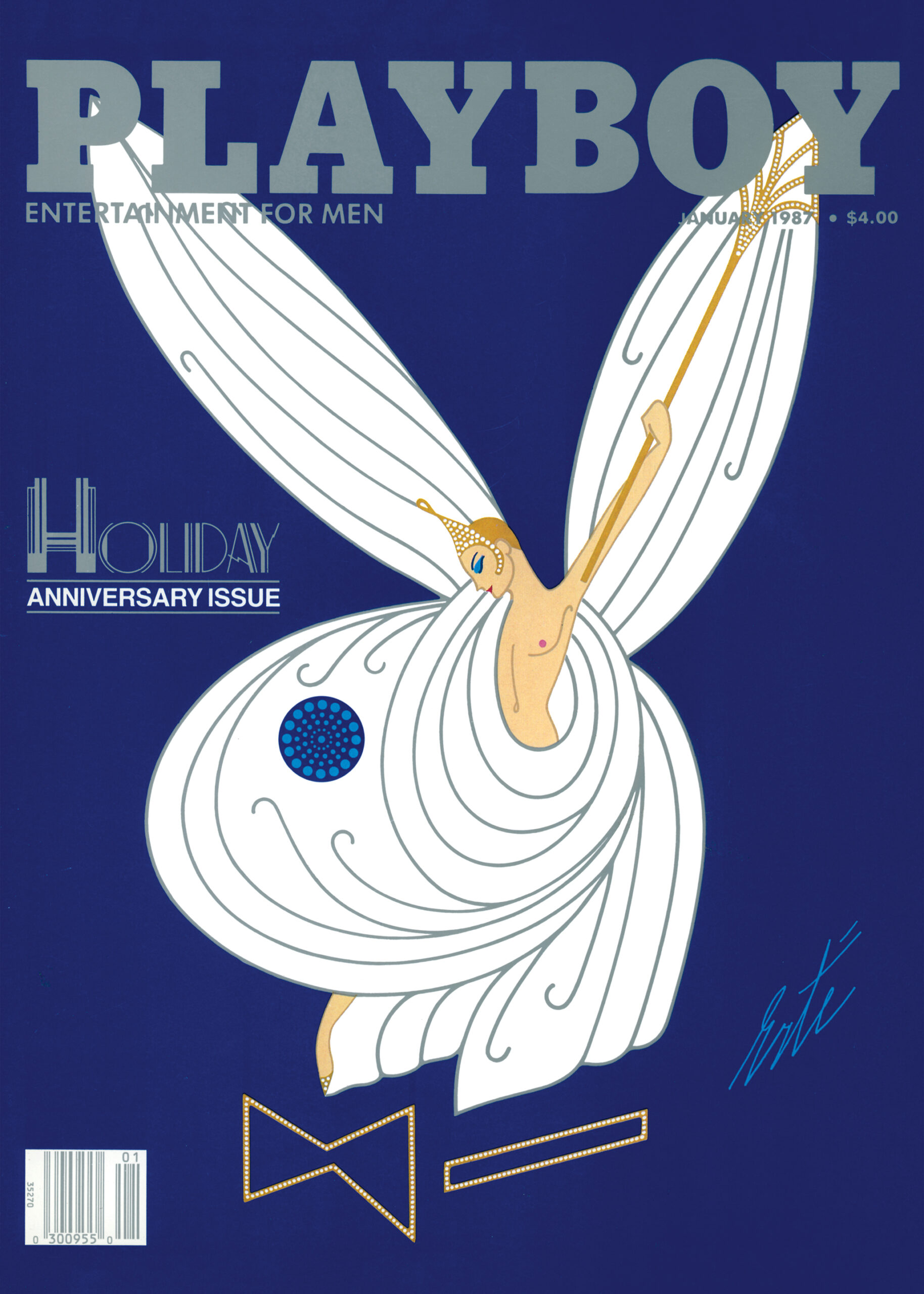
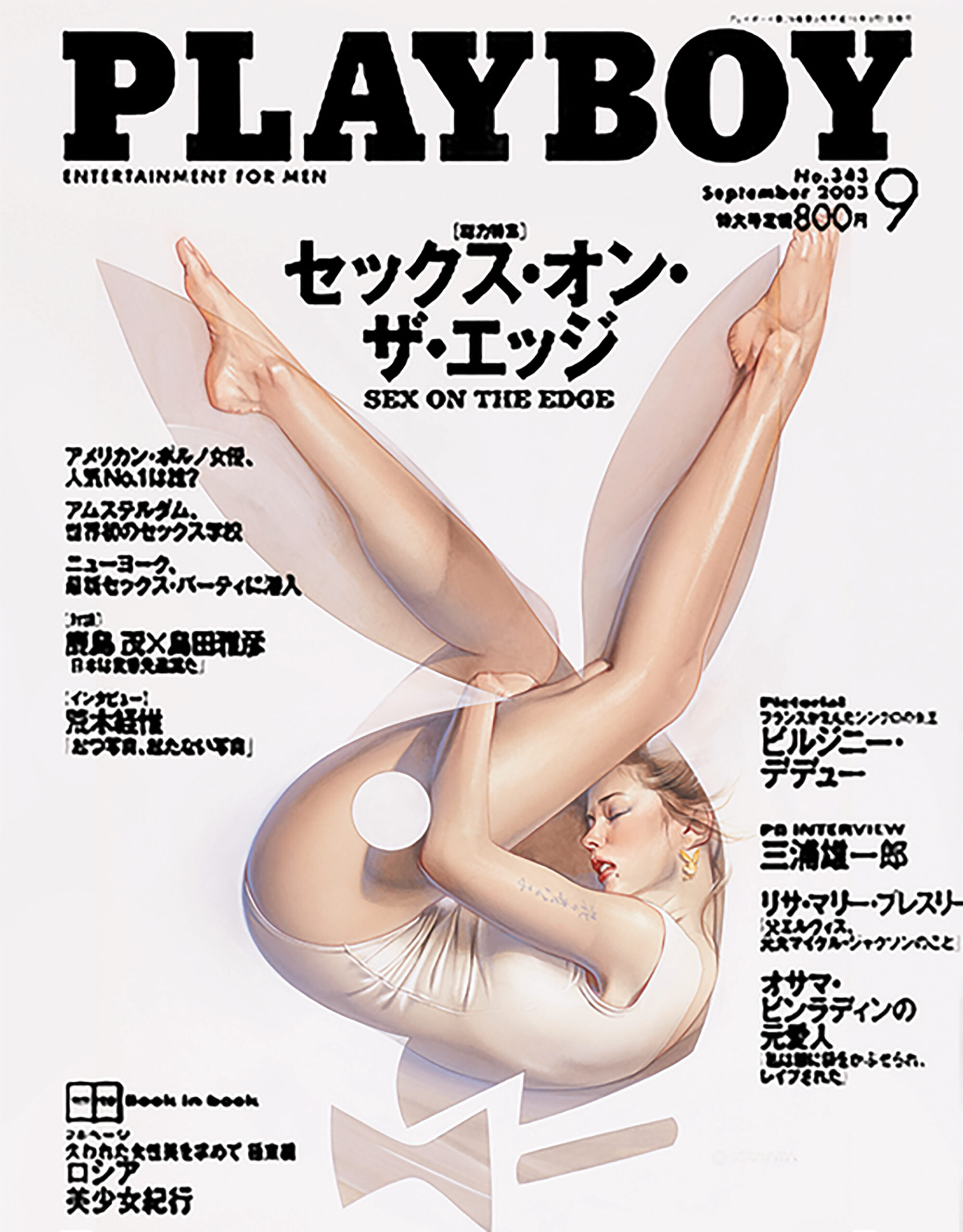
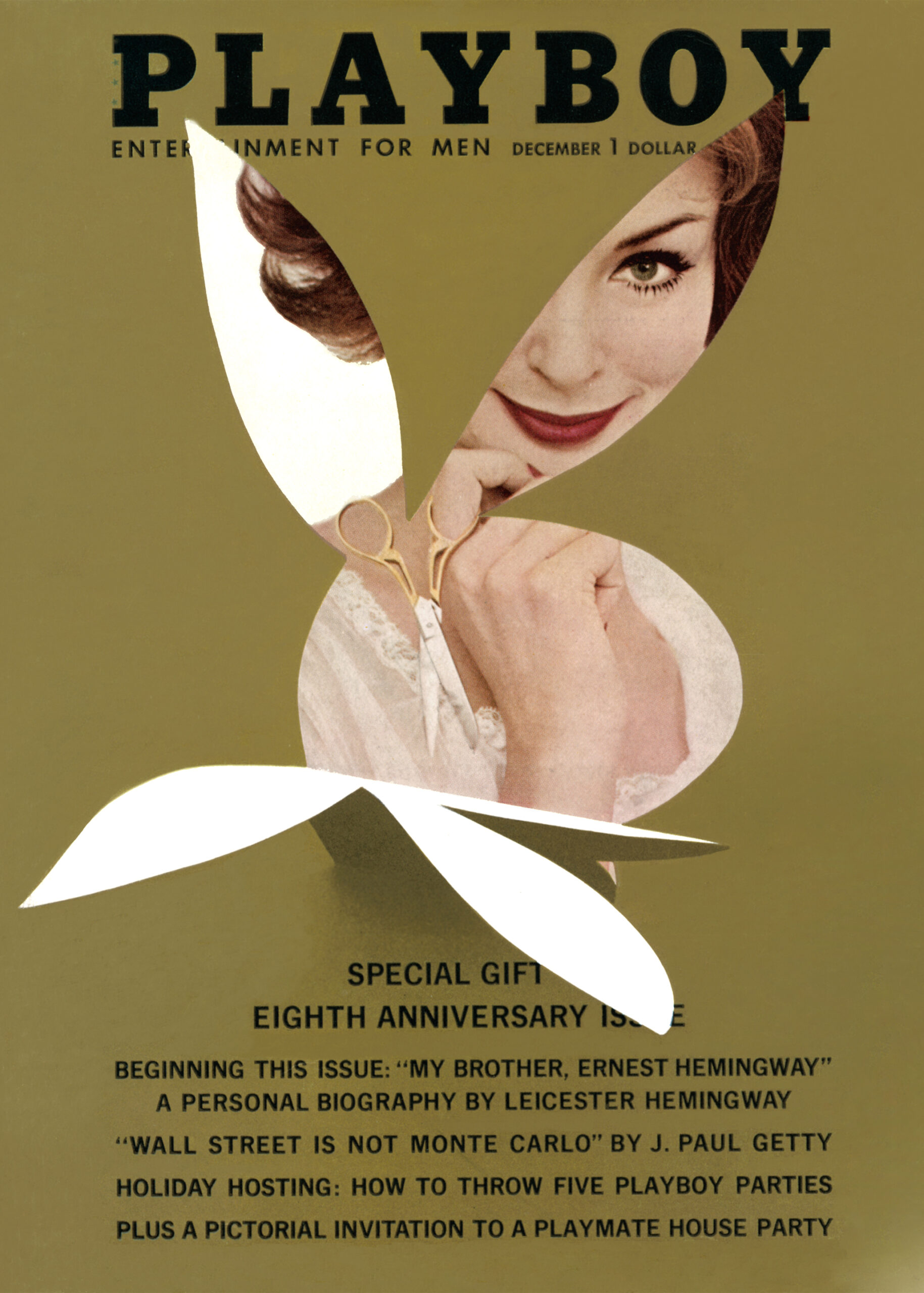
The origin stories behind some of our most iconic Rabbit Head covers