Your bag is empty.
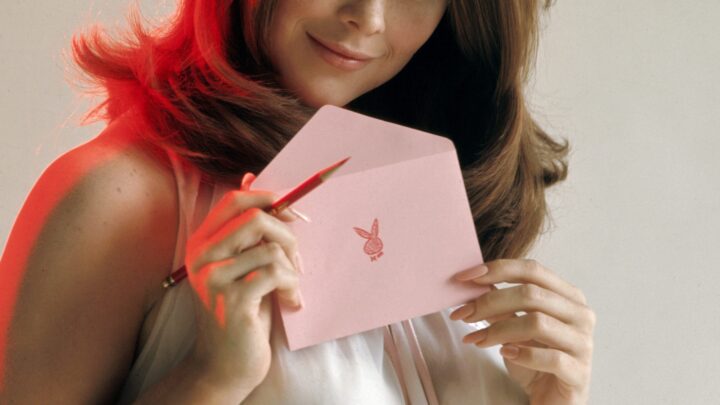
Angel Ross and Diana Henriquez on the empowering joy of being a Bunny
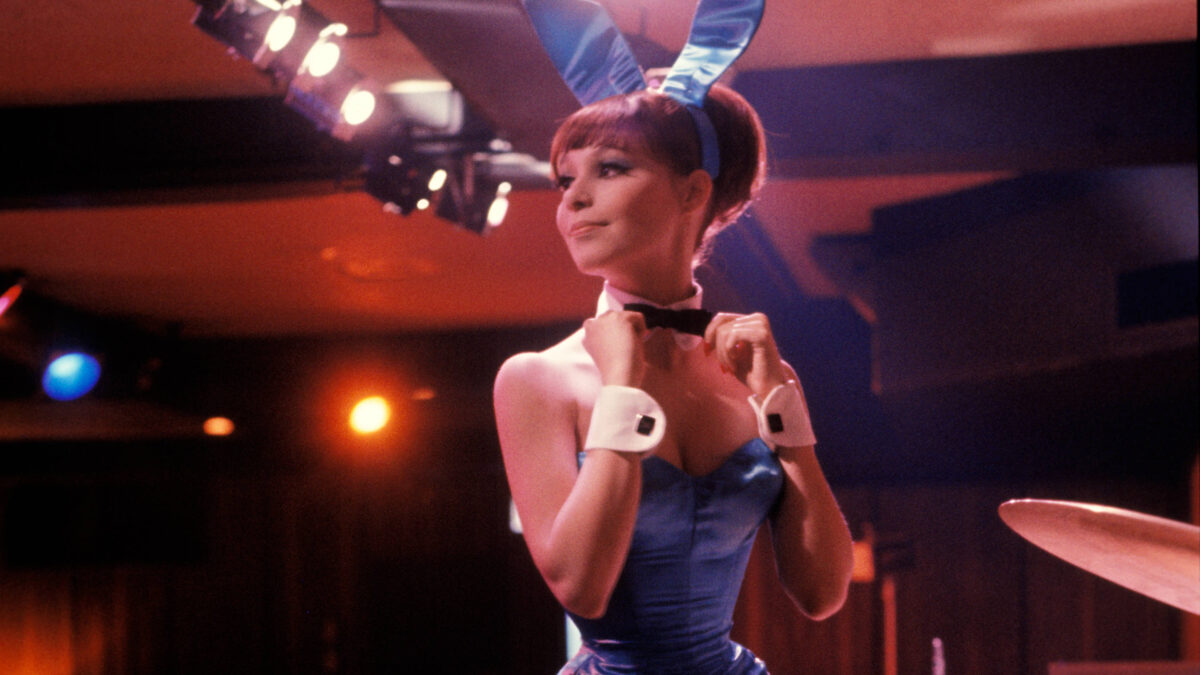
Name a figure more iconic than the Playboy Bunny.
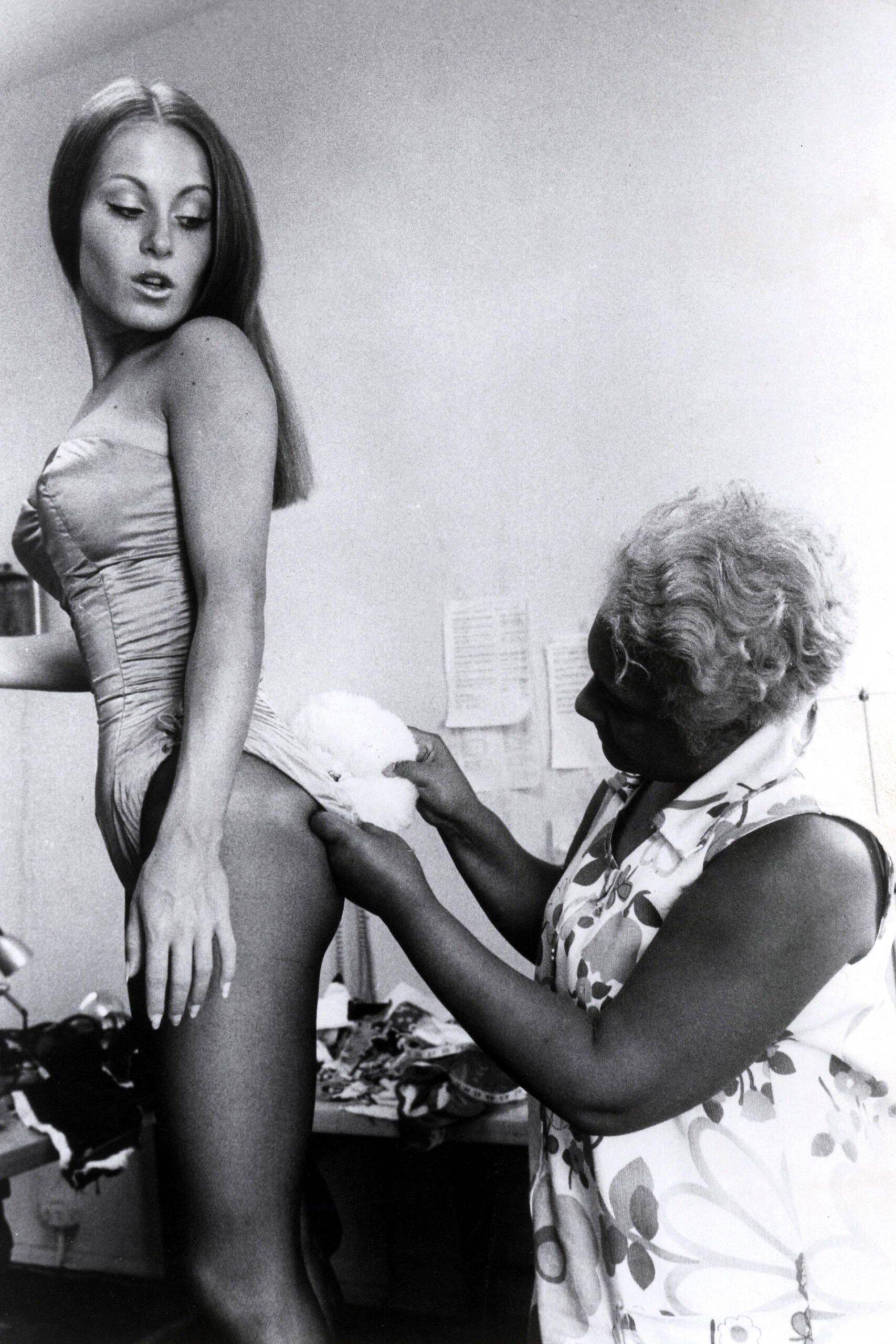
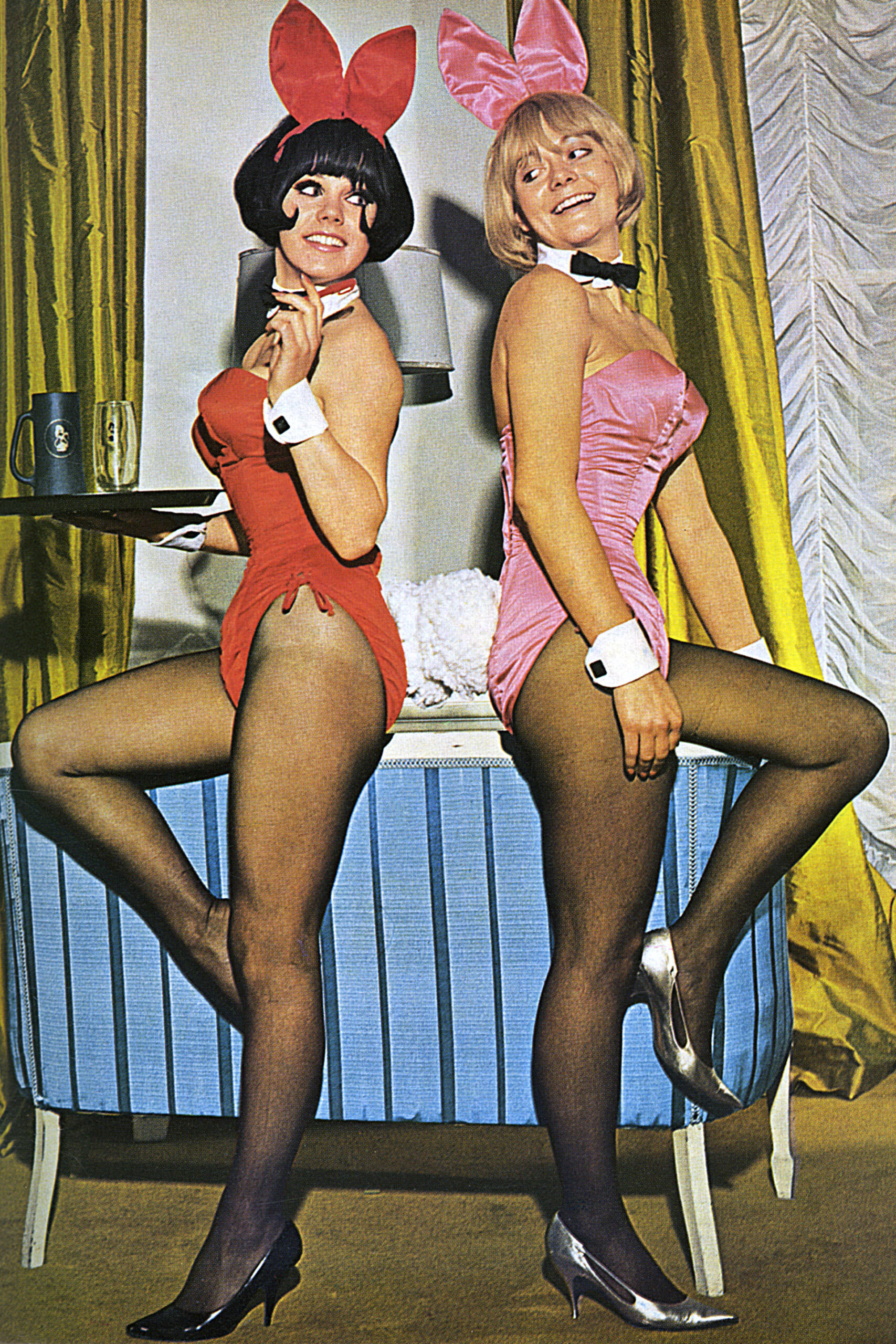
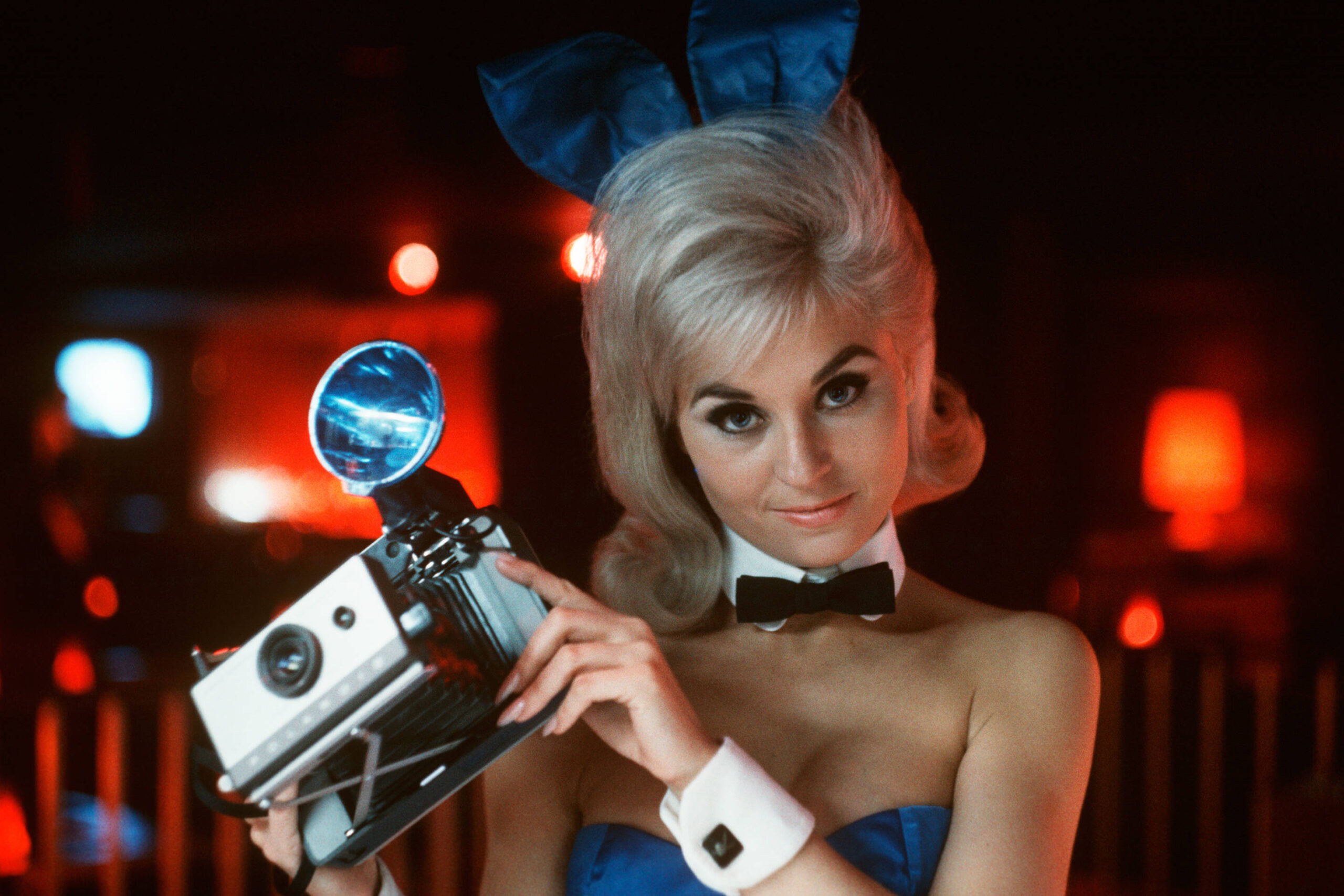
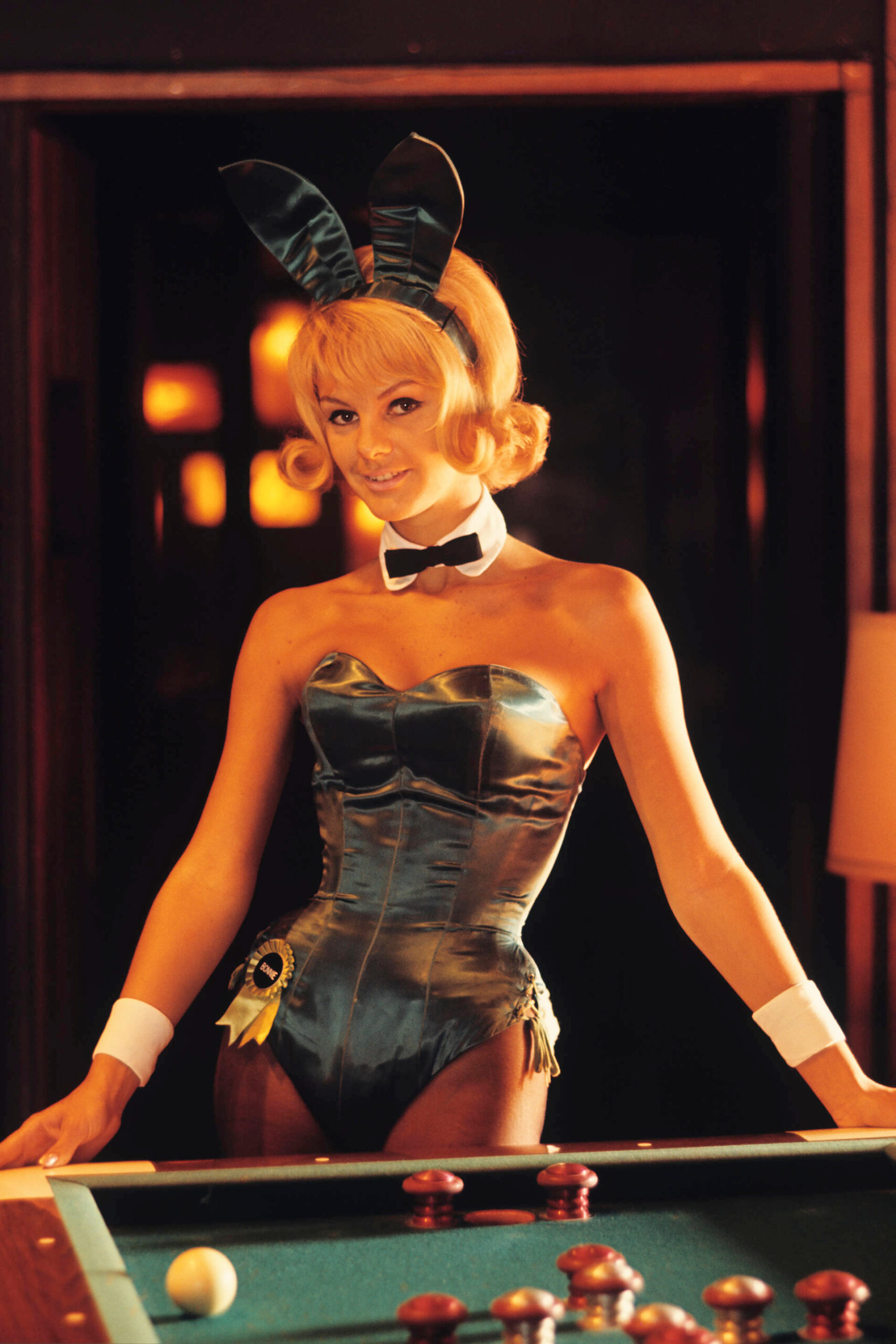
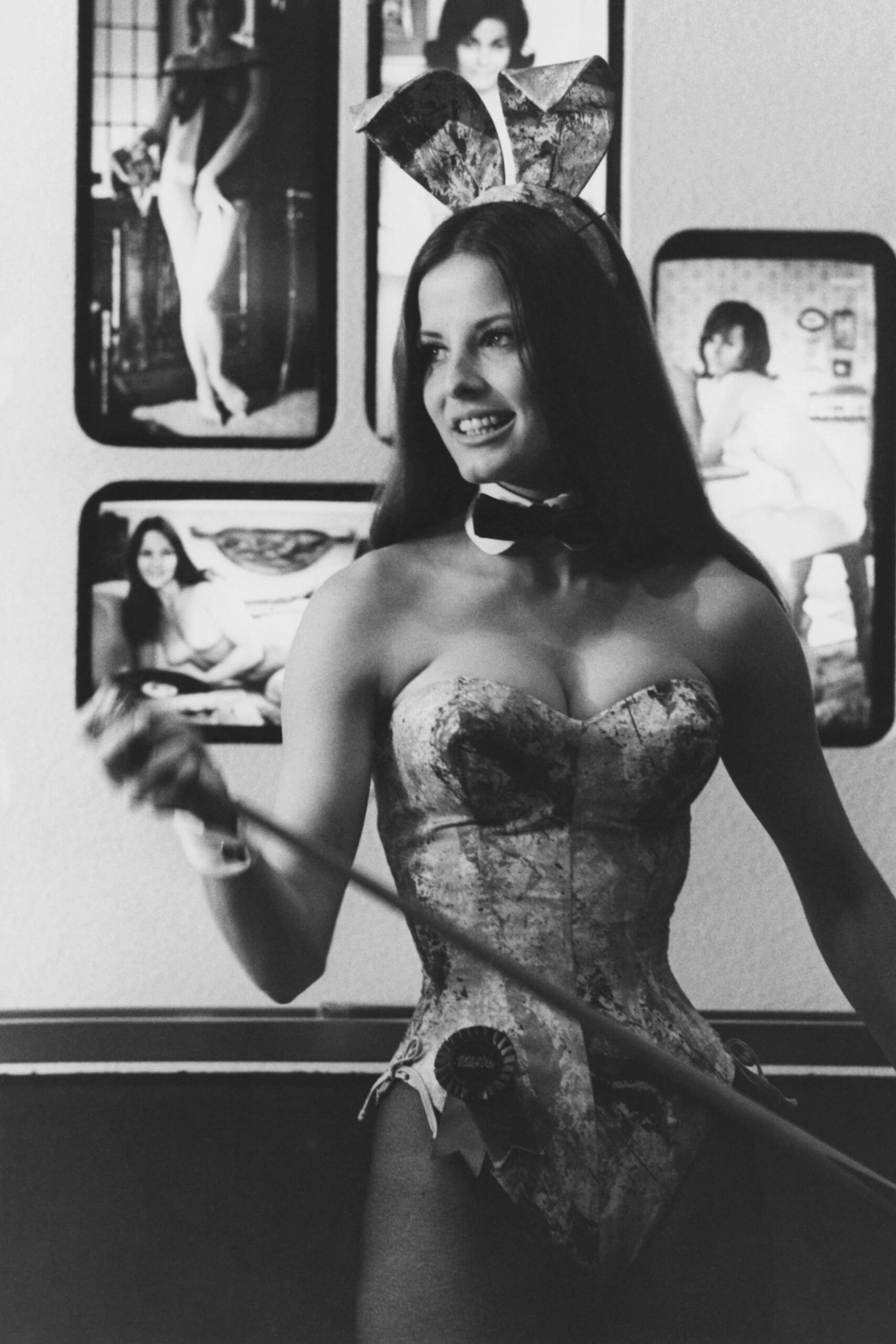
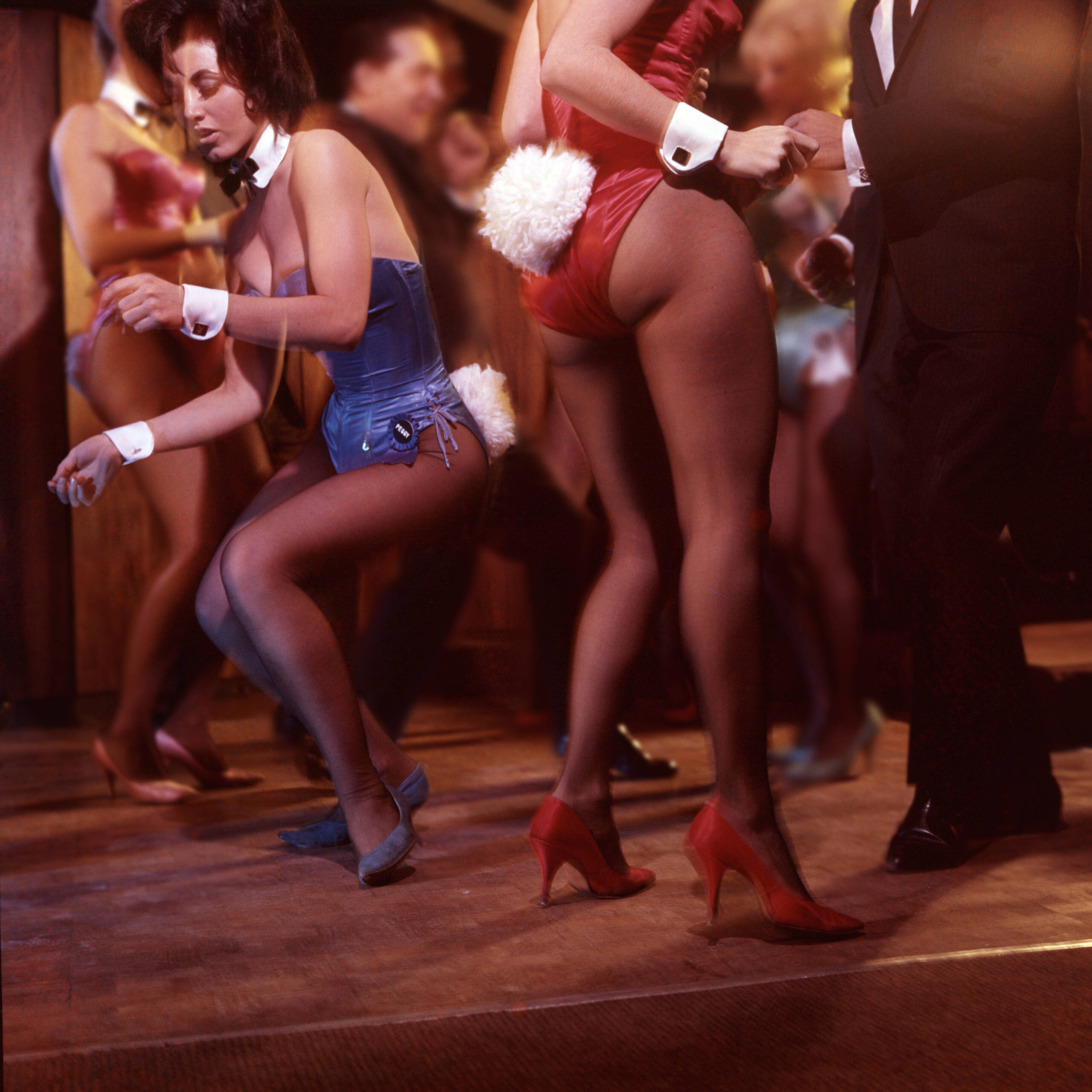
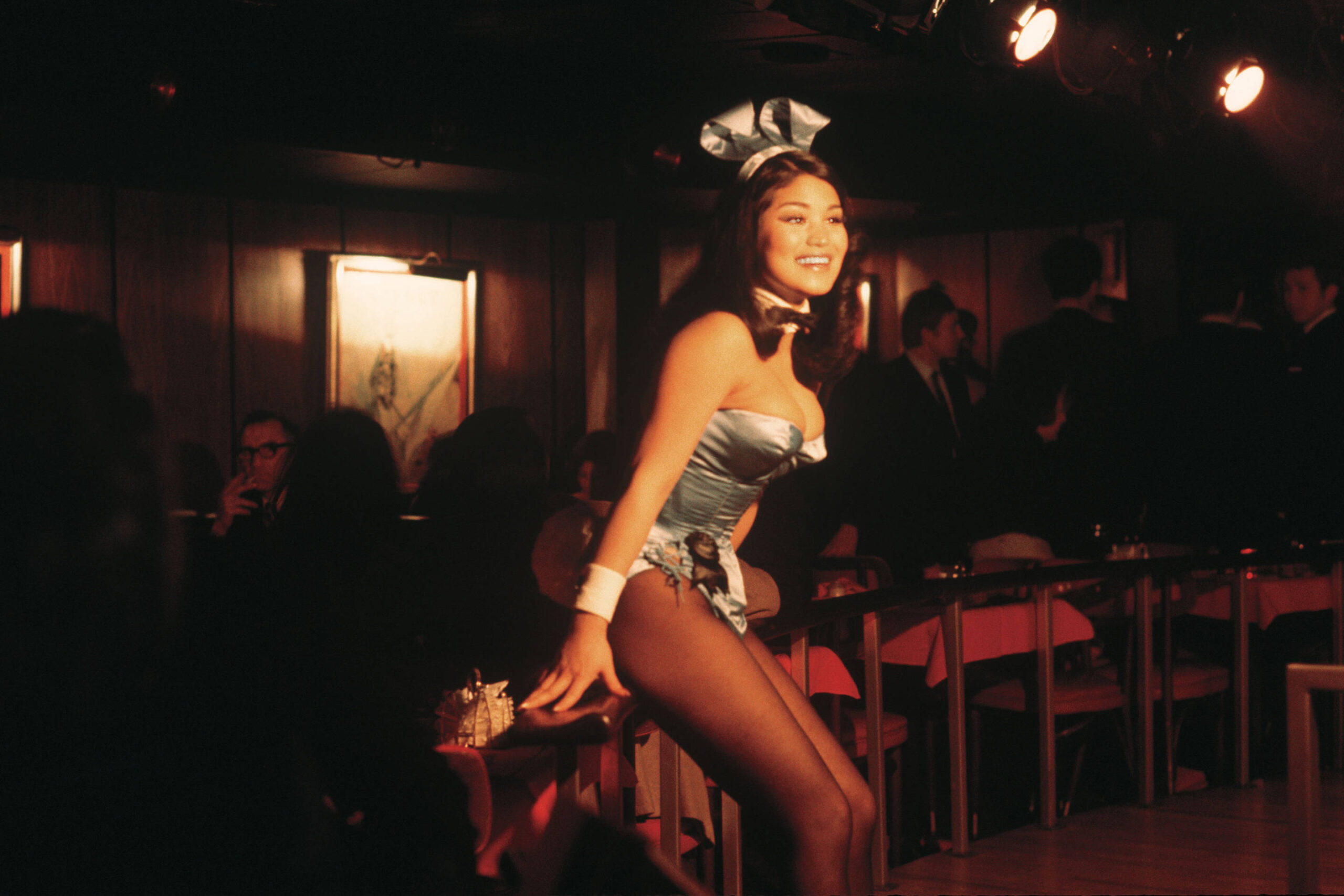
More admired, recognizable, copied, even fetishized and idolized? There’s none. From the perfectly crooked satin ears and boned hourglass bodice down to the puffed-up tail and freshly pressed cuffs, the original Bunny outfit is the first service uniform to be issued a trademark registration by the U.S. Patent and Trademark Office. It also has barely changed since its inception in 1960.
But the Bunny herself has evolved with her shifting generations. She first appeared at the Playboy Club Chicago, wearing essentially a modified one-piece swimsuit.
Over the years, there have been over 25,000 working Bunnies, a number that includes the likes of Lauren Hutton, Deborah Harry and then-freelance writer Gloria Steinem, who went undercover in 1963 at the Playboy Club New York to find out what working in the costume was really like. Her essay, “A Bunny’s Life,” put her on the map. An endless amount of celebrities have paid tribute to the Bunny in pop culture, from Rihanna, Reese Witherspoon, Anna Faris and Paris Hilton to Farrah Fawcett, Barbara Walters, Kirstie Alley and Carol Channing.
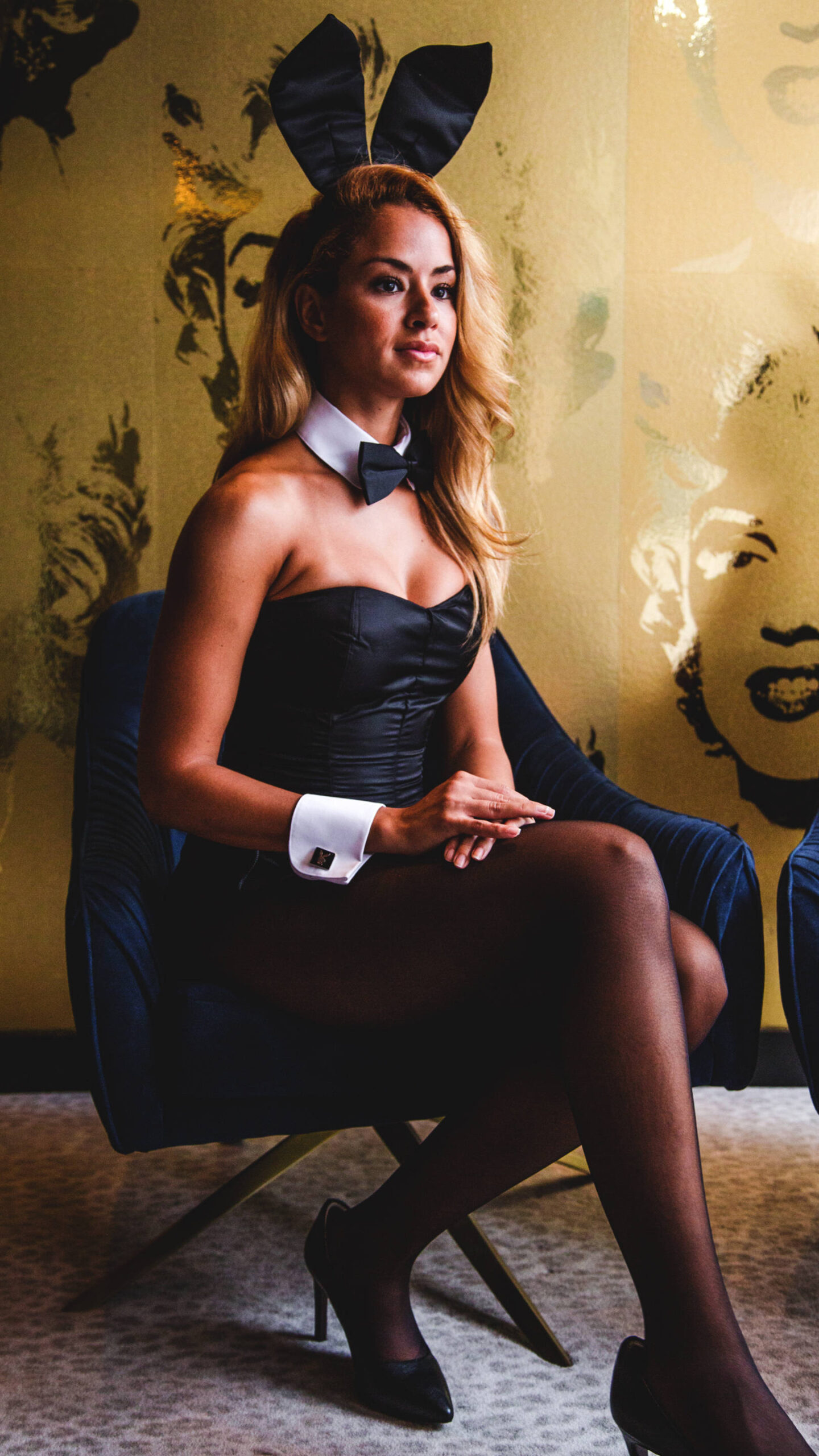
Now the Cocktail Bunny is back, making a return with this month’s opening of thePlayboy Club New York. We sat down with two of the Club’s Head Bunnies, Angel Ross and Diana Henriquez, to talk about what it means to wear the famed (and sometimes infamous) suit as a liberated woman in 2018—and why there might be nothing more empowering than being a Bunny.
What was the initial appeal of working as a Bunny?
Angel: I see Playboy as something that makes females look strong and feel strong and feel comfortable being female. It’s the perfect era to be whatever you want to be, as long as you’re happy and as long as you’re not hurting another individual. Just be yourself. Playboy promotes that, and I look at the Club as one that embodies all females. Case in point: Look at the variation of girls we have. It’s amazing. This is an opportunity to showcase who I am, how I feel, and be proud of it.
Diana: For me, I’ve been in hospitality for quite some time, and I just love what Playboy represents. It’s not about what people think are the stigmas around it. We depict women in a way that shows the to be strong and beautiful, and it’s an artistic thing. I felt like if I was going to do hospitality again, this would be my last stop. And if this is going to be my last bit, this is the right place to be.
Angel: I’ve been in hospitality for seven years. When this opportunity came around, it seemed different. It seemed like a movement, something I’d want to be a part of. I want to change the stereotype.
What would you call the stereotype?
Diana: That it’s highly sexual and about being objectified. It’s not. It’s also great to have a management team who understands that hey, if you’re uncomfortable with anything, they have your back. You’re wearing what you’re wearing and it’s important to feel comfortable. I personally feel beautiful in the suit. I used to do pageantry, so it takes me back to those days. I feel like I have a little crown on and I feel super-empowered. This is something that’s classic and trademarked, and I just love the aesthetic of it. Wearing the suit represents that empowerment and a sense of fun.
What’s your idea of fun?
Angel: Fun is nothing that stresses the mind. It’s being light at heart, reconnecting with yourself and then stepping out of your personality.
Diana: It’s being at ease. It’s being yourself. It’s simply having a good time.
It’s not dwelling on the past or even anticipating the future because you’re present. What are you most looking forward to when you get out on the floor?
Diana: It’s going to be interesting, for sure. Opening a venue is always challenging. It’s a trip. We’re going to have an incredible and diverse group of people in here, which is going to be really fun to entertain and be around. I think that’s at what the heart of what Playboy is, having all those different personalities and that energetic dynamic. We get to be the face to represent the brand. What’s better than that?
Angel: I’m really excited for the eclecticism of people that will be coming in. I think a lot of the experience has to do with a human connection. It’s the way you greet a guest and take care of them.
There’s an art to it. You want to make every customer fall in love with you a little bit, right?
Diana: It’s in the smile.
Anything you want people to know about you?
Angel: I would have to say that, when you read about the Playboy Club, I mean this is a world that’s always changing. So the definition of one thing that was back in your grandmother’s age is not the definition of what it is now, right. I would encourage people to explore the brand. Don’t be closed-minded.
People tend to have preconceived notions.
Angel: Exactly. It’s a modernized time, so go out and explore the world, ask about it, be inquisitive. Like really, really ask about it. Don’t think that, you know, oh it’s Playboy so that’s what I’m going expect, you know. I also want to say to all females: You have to embody your femininity. You must.
Own it.
Angel: Own it, I don’t care if you’re walking down the street with baggy pants, yeah, and sweats on, and a sneaker, you walk down that road and own that pavement. Be confident in yourself.
And it comes through. It drives me crazy when guys say, “Oh, if you didn’t dress that like you wouldn’t get hit on.” Meanwhile, you could be wearing an actual a triple-XL sweat suit.
Diana: Sometimes those are the days you get the most attention because it’s all about confidence, and this is why for me it takes me back to pageantry days, but that’s one of the things I think it instilled in us. You could be not the prettiest girl in the room, but if you have the confidence and carry yourself a certain way, you’re going to get the attention, and people are going to gravitate towards you.
Angel: I think a lot of the reason some females tend to cover themselves is because everyone has an opinion of what they should do, how they should dress, speak, where they should work. You only have one life to live. If you don’t live your life the way you want, in a way that you’re happy doing, then what’s the point? That’s why they call it opinions. There’re opinions. Not facts.
Most people’s opinions aren’t going to affect your life unless you let them.
Diana: I’m a pole dance instructor outside of here, so I am definitely all about you know, owning your own body. It’s something that, like Playboy, has a lot of taboos around it. It’s something I’ve never let bother me. I just do my thing, so it makes me happy, and, you know, that’s it. That’s what it’s about: freedom of expression, doing your thing, living your life. Like Angel said, own it. Own your femininity, be proud of it, and just let it carry you through. Also, female power. We have multiple layers and not everyone sees it.
Angel: Then again, it’s a beautiful thing to see how we’ve transitioned over the last fifty years or so. I want this generation to take it up a notch. Or ten notches. I’m excited about what Playboy represents because it elevates women to super-women, to goddesses and that’s how we all should feel.
What would you say to someone who thinks you’re dressing sexy, cute animal and doesn’t see how that could be empowering?
Angel: If you think about the animal itself, bunnies are fun and playful. They bring out your soft side and make you want to open up. What better animal to represent what we’re about?
Bunnies are also difficult to catch. They’re fast.
Angel: They’re very graceful, but just try chasing a bunny around. You’re not going to catch her. It’s a perfect metaphor.
An earlier version of this story stated that the Bunny costume was originally created by Zelda Wynn Valdes. The definite origins, however, are unclear. According to Bunny Kathryn Leigh Scott’s book The Bunny Years, Isla Taurins, who was dating Victor Lownes at the time, came up with the design and her mother sewed the first costumes. Updated 1/30/2019.