Your bag is empty.
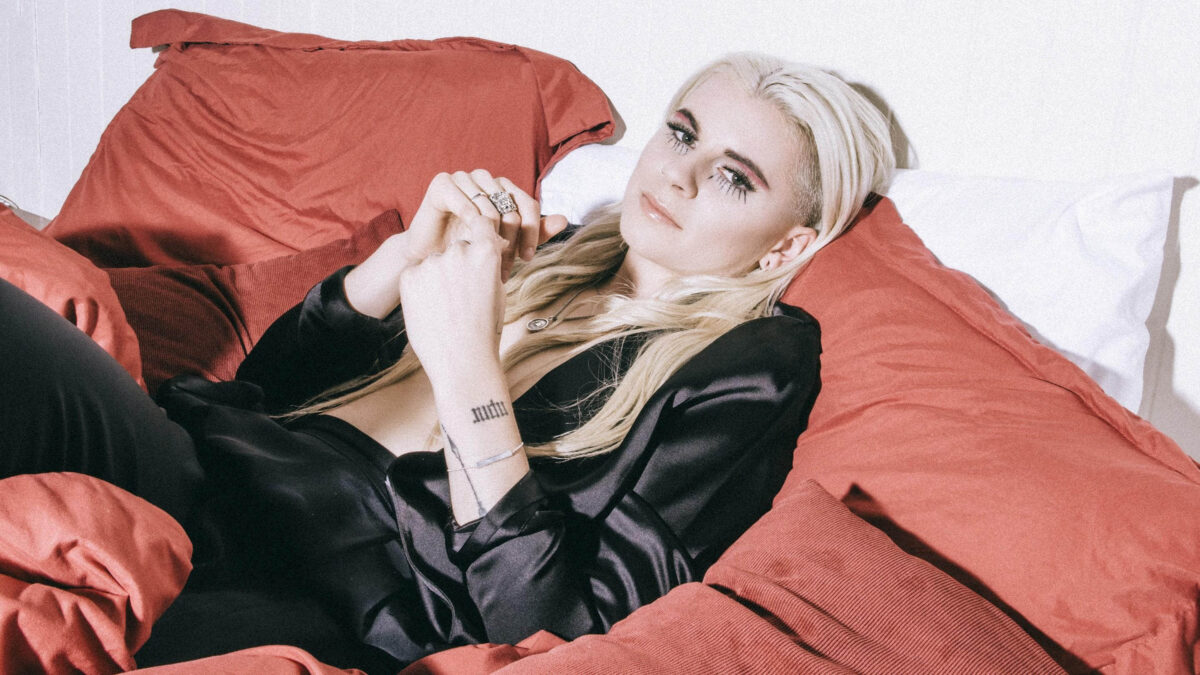
PVRIS' Lynn Gunn talks to Playboy ahead of her Coachella performance.
What makes a woman sexy? It’s, stereotypically at least, an image of a tight-fitting dress topped with cleavage. There’s heels in the picture, materials end just above the navel before they begin again to grip the hips. Our fantasies of “sexy” create characters like Jessica Rabbit and obsessions with celebrities that look like a fantasy—like Kim Kardashian and Marilyn Monroe.
But PVRIS frontwoman, Lynn Gunn, proves there is far more to sex appeal than just the portrayal that society pushes on us again and again. The 24-year-old Boston native represents a different kind of seductive quality that abandons dainty, ultra-feminine frills in favor of muscle tees, crop tops, sharp blazers and bralettes accessorized by bleach blond, half-shaved tresses. She is androgynous, effortless and sultry at the same time and she’s ready to flaunt all that she’s got this year at Coachella Valley Music and Arts Festival 2 in Indio, California.
But Gunn is no superhuman: that confidence, to “hone her more masculine side”, hasn’t come easily or all at once. “It’s still being discovered,” she admits. And it’s that bravery to share her vulnerable journey that has earned her both a commanding presence in a flooded industry. While reminiscing about how she got to where she is today, Gunn looks back to her childhood as a girl dressed in boy’s clothes—before puberty happened: “[In] middle school and high school I felt pressured to dress more feminine.”
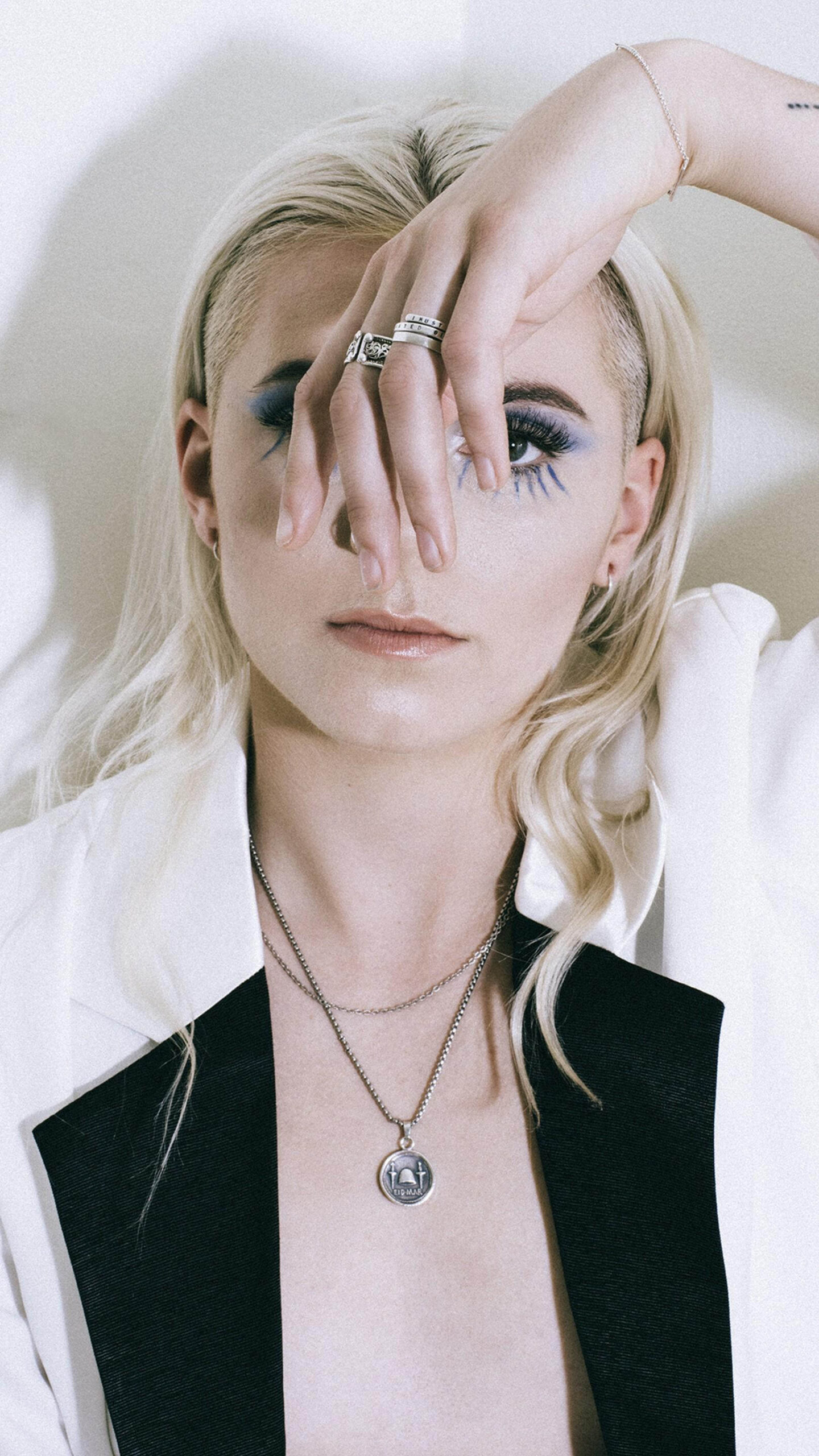
That pressure didn’t dwindle with fame either, but actually intensified for Gunn as PVRIS’ career took off. In 2014, PVRIS released their debut album White Noise, a fusion of rock and electronica that is a emotionally-packed, ferocious debut. Where many pop-rock and pop-electronica bands rely on catchy lyrics and even catchier beats, PVRIS digs a little deeper. On one of the album’s singles, “You and I”, Gunn sings, “I know it’s warmer where you are, And it’s safer by your side. But right now, I can’t be what you want. Just give it time.”
The emo-laden tracks resonated so much that year that Gunn and her three bandmates made history as the first female-fronted band to sign with Rise Records, a label known for breaking Of Mice and Men and At The Drive In.
Soon enough, PVRIS was playing arena tours with Fall Out Boy and Bring Me The Horizon, performing on late night TV and winning a flurry of new artist awards. Gunn’s was achieving her goals and she should’ve felt better than ever before. But of course, more often than not, day dreams tend to be a long distance away from reality. “Once we started touring, I was a frontwoman of a band,” the musician says, with a noticeable inflection on the word “frontwoman”. In her mind, the only women she had to look up to were ‘feminine, but had a little bit of an edge to them.” Think Joan Jett and Chrissie Hynde.
Before touring, Gunn came out to her family by placing a letter under her mother’s pillow before. She had just begun dating her first girlfriend and the experience was liberating in a lot of ways. Internally, however, she was far from free: “When I came out [as a lesbian], I had something that was embedded in my head to combat the stigma that I had in my head around being gay, even though it’s completely false and was silly for me to feel at the time.” She wore what she thought people wanted her to wear and her sexuality became the focus of press interviews—soon overshadowing the band’s accomplishments.
“One of the biggest things you can do is be yourself, be proud, and be fearless.”
“First and foremost I want to be known as is an artist and creative before anything else,” she explains. “I think my sexuality is the last thing to check off on that list.” Still, the fact that she is owning her identity gives her the power to inspire other through advocacy. The band’s sophomore album, All We Know of Heaven, All We Need of Hell, is a nuanced shift to a truer, more guttural version of Gunn. On tracks like “Walk Alone”, the band proclaims that there is power in reflecting on the pains of life, in owning the lessons learned.
The response to the album’s success inspired PVRIS to double-down on its unencumbered take on inner-battles, teaming up with The Ally Coalition to raise money for the cause (donating one dollar for every tour ticket sold) and to promote civil rights by way of musical artists. Her memories over the course of her career aren’t to do with awards or even charity work as much as they are to do with the one-on-one connections she makes with her fans.
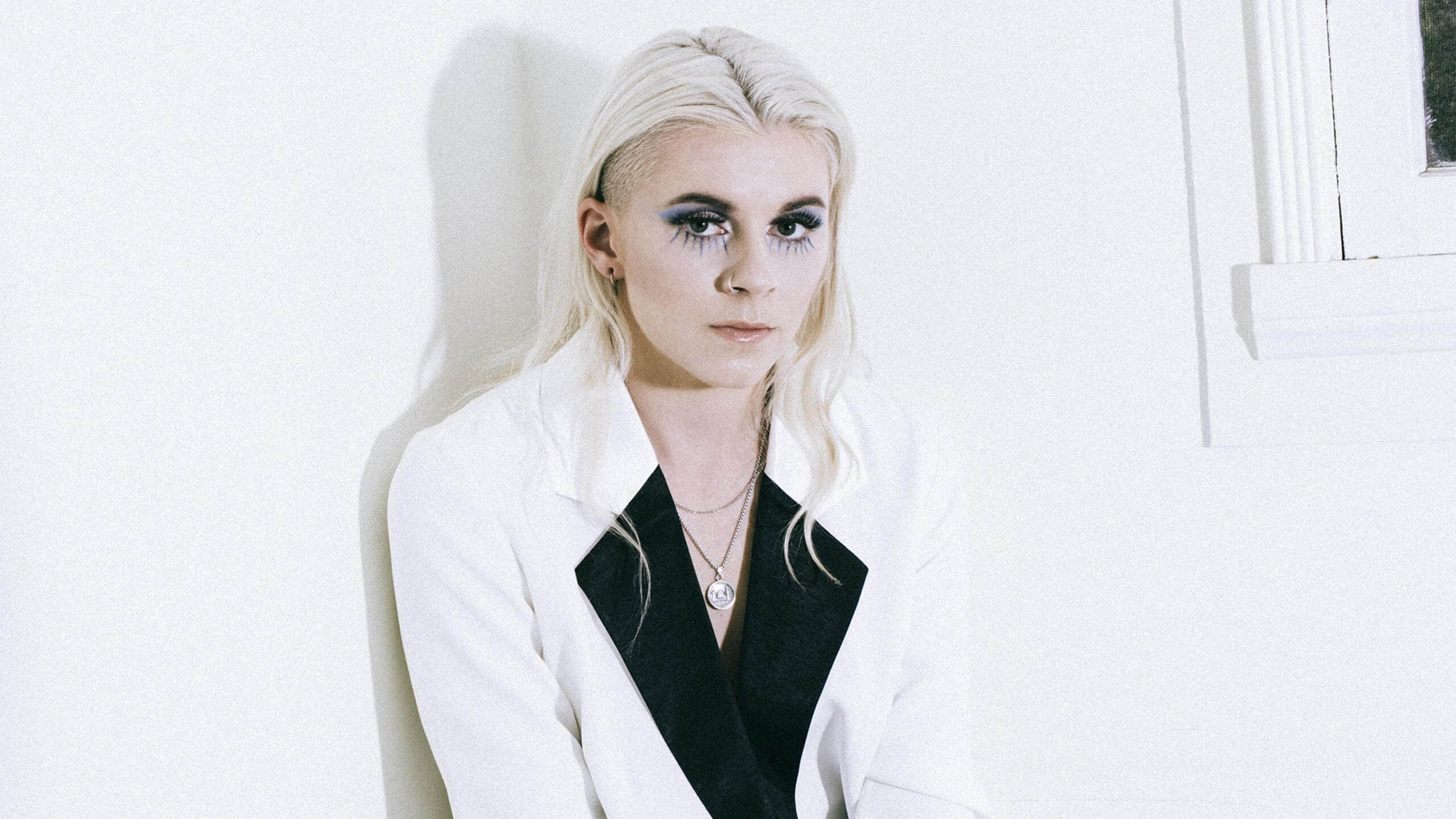
“When someone comes up to you and says that the song you wrote when you were really depressed helped them when they were really depressed…it takes you back a little bit,” she admits. And those letters sometimes are the start of a long-lasting friendship. One in particular comes to mind instantly—a fan whom PVRIS met on one of their first tours that they see whenever they pass through her city. “She deals with mental health issues a lot, and we have a lot of heart-to-hearts,” says Gunn. “We both deal with different things and have different perspectives.”
It’s not just Gunn’s looks that make her so sexy. Perhaps the sexiest trait one can have is authenticity, a self-knowledge that grants intimacy with others that cannot properly put into words. When we hypothesis about the ingredients that make someone attractive, she concludes, “One of the biggest things you can do is be yourself, be proud, and be fearless.”
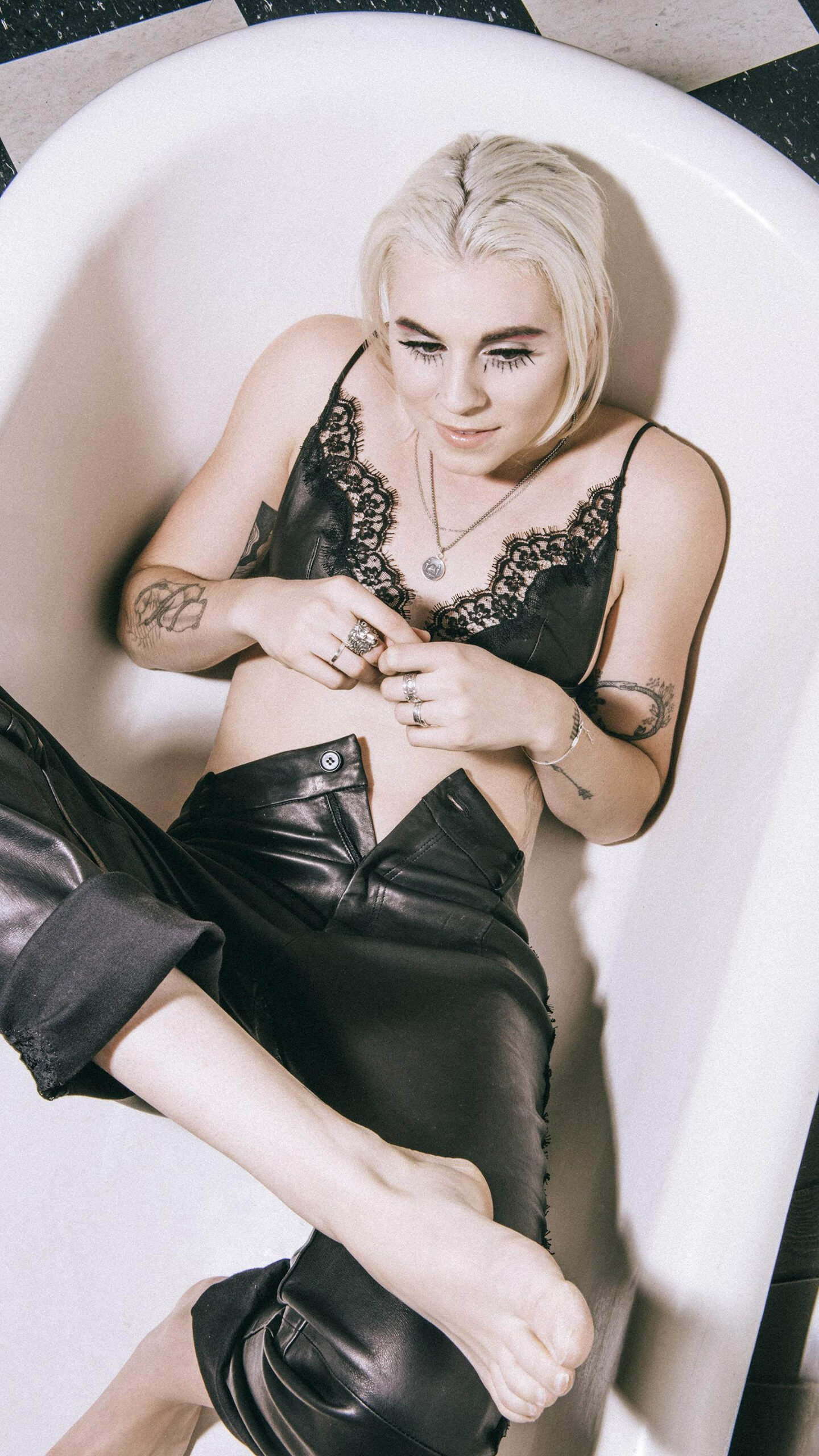
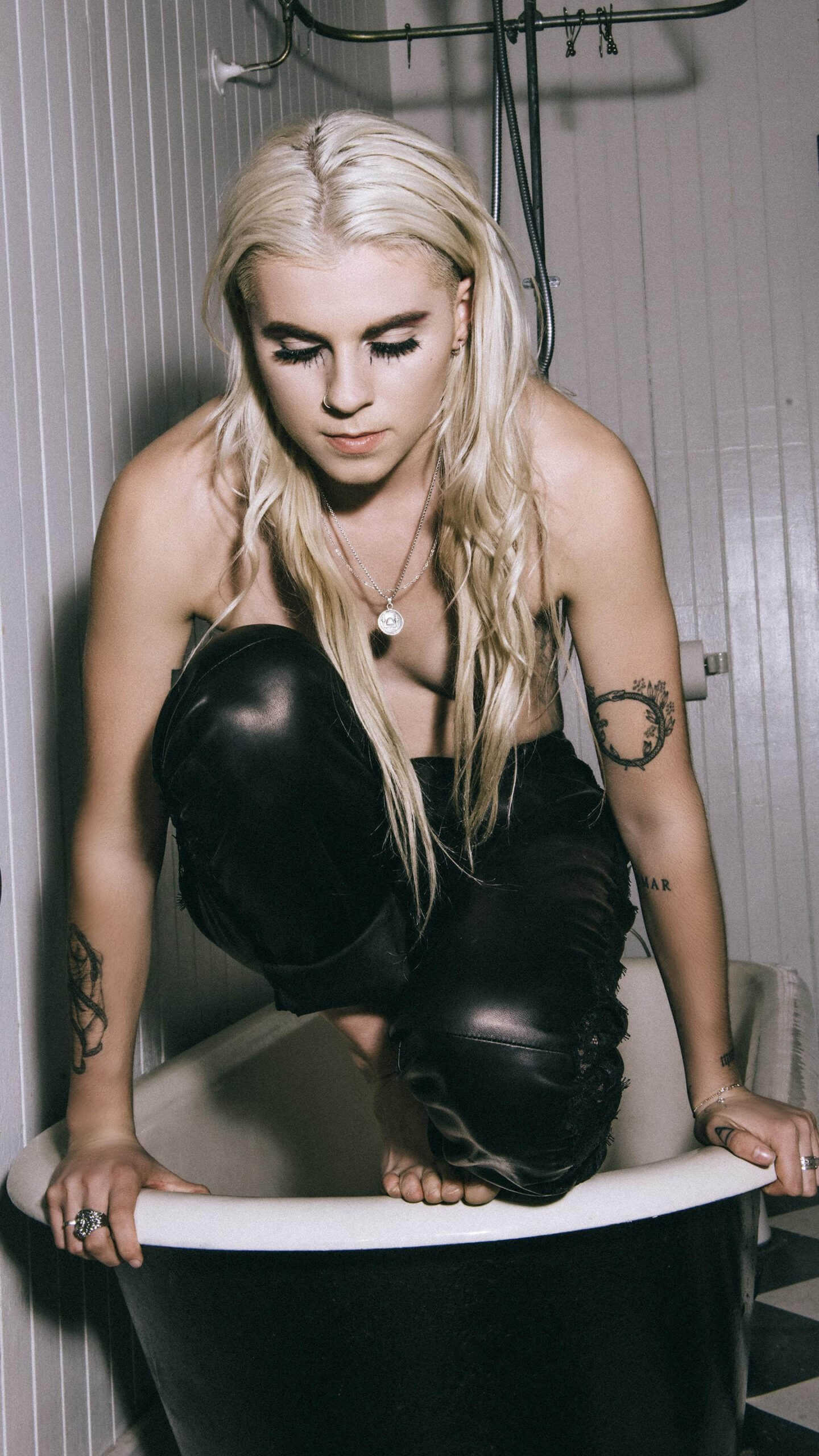
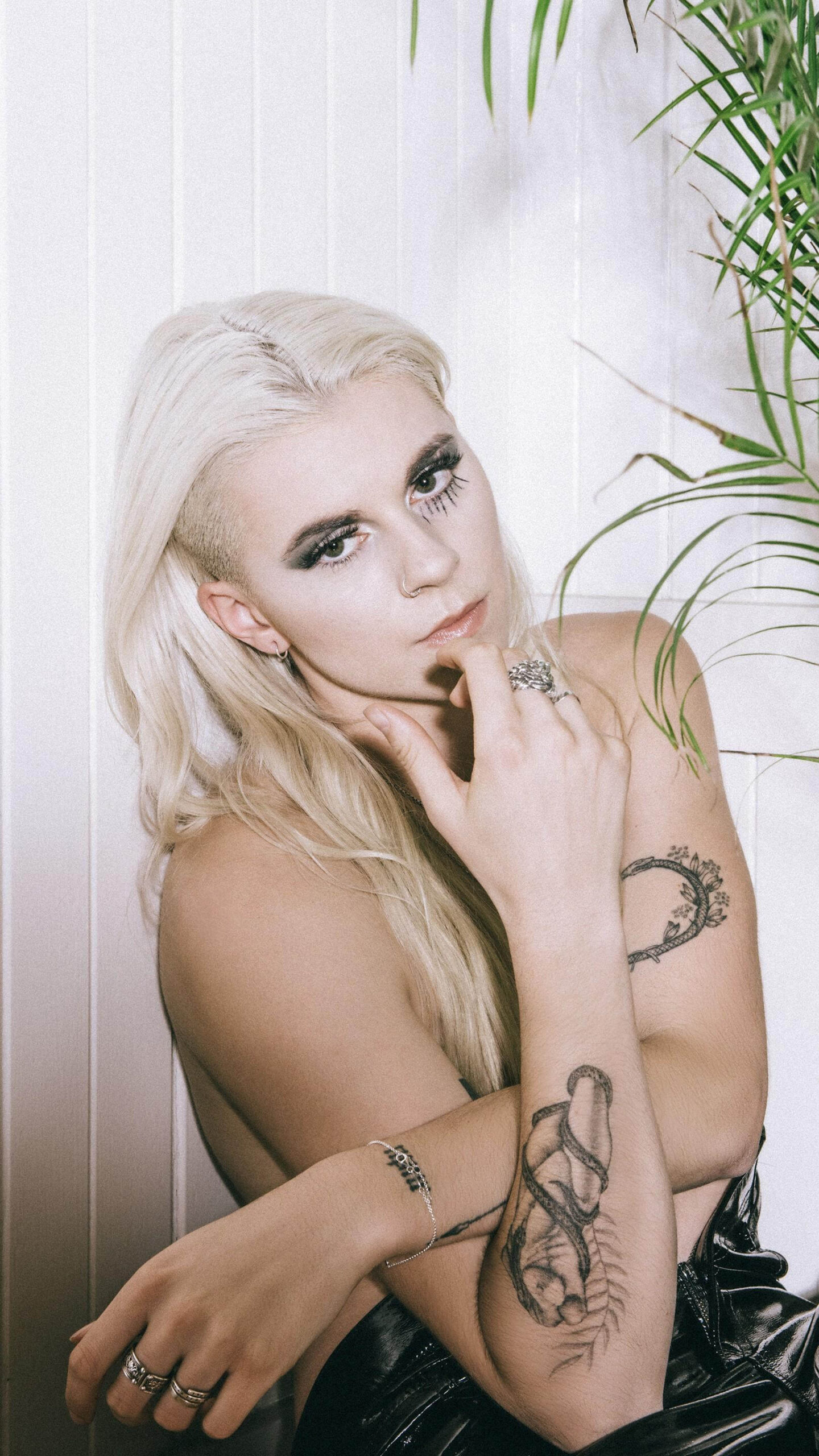
Styling: Allison Bornstein
Hair and Makeup: Elizabeth Bodnar