Your bag is empty.
Requests for Nazi body art are rising; how do we regulate the art of extremism?
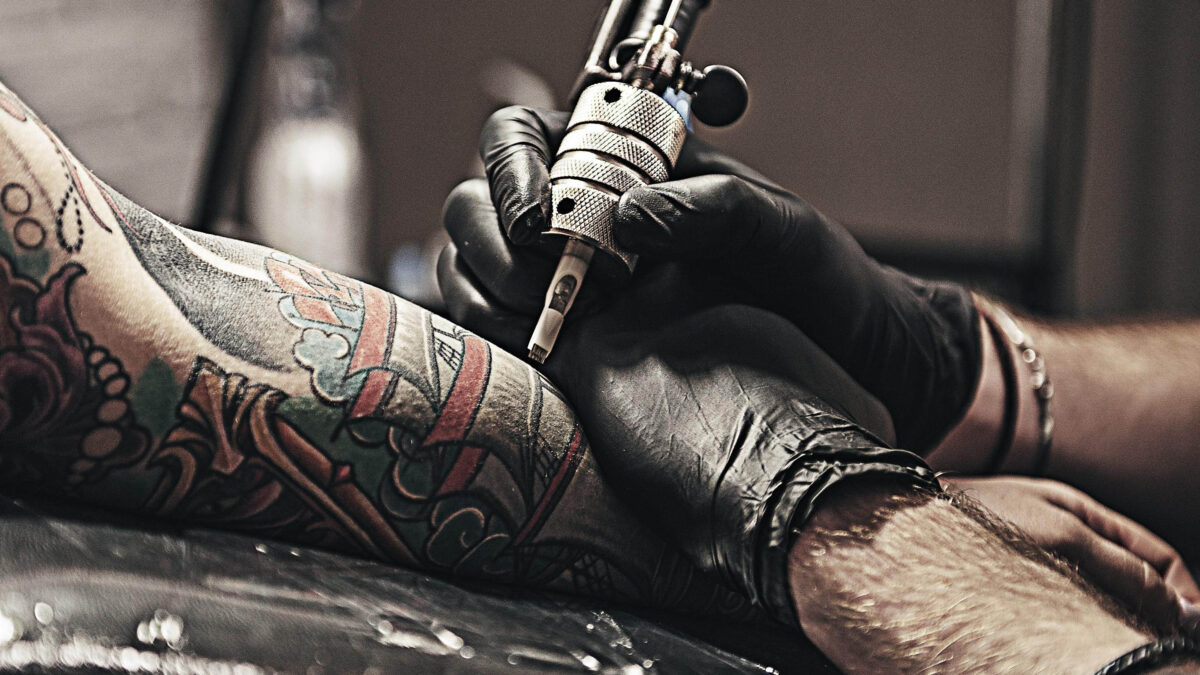
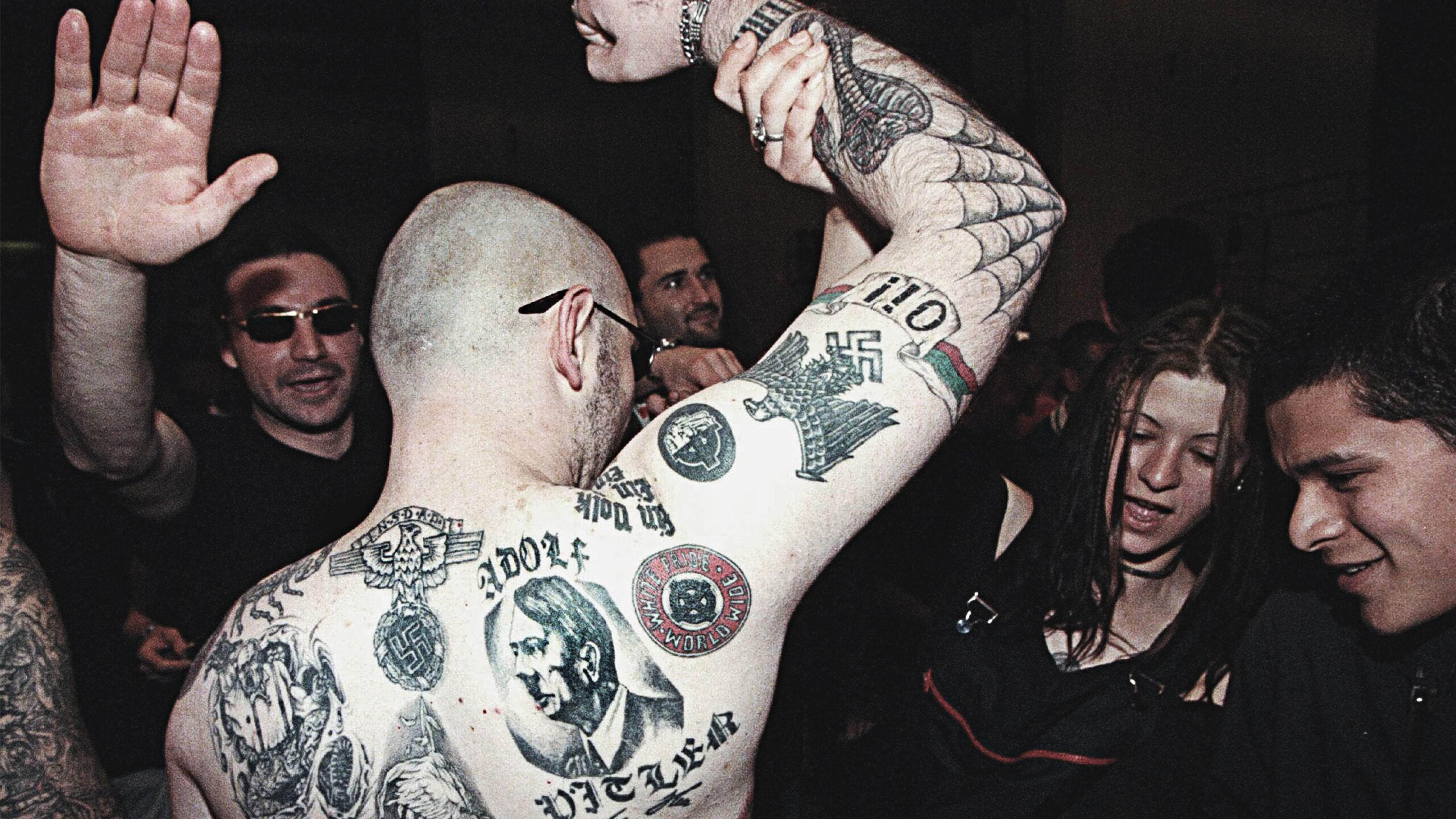
Tattoo artists get all kinds of requests every year, ranging from cringe-worthy to trendy to downright offensive. But according to Siren Song Tattoo in Rockland, Maine, requests for neo-Nazi ink surged last year, perhaps due to the increased visibility of the alt-right.
Owner Alison Wheeler told me that the shop received four requests for Nazi-related tattoos in 2017, three of them between September and December alone. Over the course of her entire career as a tattoo artist, Wheeler hasn’t received more than a few requests, and in the shop’s eight-year history, this high volume of requests was a first.
Back when Wheeler was tattooing in Richmond, Virginia, the former capital of the Confederacy, she said she remembers “occasionally the shop getting calls asking for ‘pinwheels’ or other stuff in code,” presumably referring to swastikas. Most shops, though, have policies against honoring such requests, and most artists understandably refuse to tattoo hateful symbols.
As the alt-right movement catches more steam, artists might have to deal with the tough task of determining which designs constitute legitimate hate symbols, and how to reject these extreme requests.
Though ideological lawsuits over tattooing are still theoretical, it’s not a stretch to see a potential comparison with fights over which businesses can refuse what kind of service to protected groups. Masterpiece Cakeshop v. Colorado Civil Rights Commission and State of Washington v. Arlene’s Flowers, both percolating through the Supreme Court and Supreme Court of Washington, respectively, could someday be joined by a tattoo lawsuit, if someone has enough money and enough of a desire to be a pain in the ass. This provokes a legal question that so far involves only hypotheticals. If a Nazi or other socially dubious sort decided to sue a tattoo shop for refusing to do a hate symbol tattoo, would that be a viable lawsuit?
Ken White, attorney, First Amendment expert and Popehat blogger, says probably not: “Prohibitions on discrimination by businesses against customers are governed by federal, state and local statutes. When people ask ‘could you make a bakery bake a Nazi cake,’ the first part of the answer has to be ‘well, what statute are you talking about, and does it protect Nazis, or political beliefs, as opposed to races, religions and sexual orientations?’”
Still, White says it’s a valid question. Twists and turns of logic––say a Viking symbol often used by white nationalists, like Odin’s cross, is intended to be about Scandinavian heritage, not about being a racist jerk––could lead to protections for prejudiced positions. (In a Facebook post, Siren Song mentioned that they also refuse to tattoo Viking symbols, likely because they’re often associated with white-pride groups).
In fact, the Odin’s cross example could get even more complicated from a discrimination law perspective if someone were attempting to get the Norse symbol with the intention of celebrating white pride––a sentiment perhaps less noxious than outright white supremacy, but still offensive. Generally speaking, most people agree that nobody should be discriminated against on the basis of ethnicity. But the idea of legal precedent protecting the right of someone to demand a tattoo favorited by white supremacists––because refusal would be discriminatory against Scandinavians––is a disturbing one.
Furthermore, from a precedent perspective, what’s the real difference between a tattoo artist deciding they don’t want to create art that furthers the reach of neo-Nazi symbols, and a Christian baker who doesn’t want to endorse gay marriage by creating a cake for a gay couple? There’s one obvious difference: the baker is discriminating against a group of people that are worthy of kind treatment, who have been collectively denied their rights for a long time, and the tattoo artist is discriminating against a hateful type of person whose views are predicated on restricting the freedom of others.
Making a neo-Nazi go elsewhere for a tattoo is not morally equal to making a gay couple go elsewhere for their wedding cake.
But there’s a parallel because the legal decisions surrounding both cake-baking and tattooing might also need to grapple with the degree of artistry. Tattoo artists receive lots of direction from their clients, but they also tend to gravitate toward certain styles and designs. Finished work goes into their portfolio, which is a representation of both their clients and their own expertise.
Legal decisions on the regulation of tattooing have long reflected its wobbly position as not-quite “speech.” Most U.S. Courts, including the Supreme Court, have said that bearing a statement, via tattoo, is covered under the First Amendment. However, some experts say the act of tattooing is not expression, even though the Ninth and Eleventh Circuits have ruled differently, saying that giving a tattoo is itself speech. And these legal questions are worth sorting out: Over the course of a few decades, tattoos have become popular, no longer reserved solely for sailors, convicts, prostitutes and bikers. A third of young people ages 18 to 25 have at least one tattoo, and many are graduating to the upper echelons of the heavily-inked.
Although tattoo-artists-discriminating-against-white-pride-proponents has (thankfully) never been brought before the Supreme Court, it’s worth considering how it would play out, and whether odious groups would have to be protected, per existing anti-discrimination law. Also relevant are what types of business dealings are considered art. Both the defendants in the florist and the cake-decorating lawsuits have claimed that their work is free expression, and therefore cannot be compelled. However, neither of them have ever refused to serve a gay customer outright, to our knowledge, just refused them a very particular, custom service.
A tattoo shop, then, might grant a neo-Nazi their request of a Snoopy or butterfly tattoo, but should not be compelled to provide the symbol of a tremendously hateful regime. Perhaps it is better to draw the lines now, before anti-discrimination law can be used against artists who wish to refuse service to the prejudiced. Making a neo-Nazi go elsewhere for a tattoo is not morally equal to making a gay couple go elsewhere for their wedding cake. However, denying a business owner the right to choose not just who they serve, but what services they provide, can so easily backfire, from a legal perspective. At the end of the day, it’s good that tattoo artists don’t have to add swastikas to their portfolios if they don’t want to. But protecting the rights of homophobic bakers to not make a gay wedding cake could, in the end, also serve as protection for other artists who should indeed have the right to refuse a request that they find distasteful.