Your bag is empty.
Central American tourism is making money off Colombia’s cartel carnage
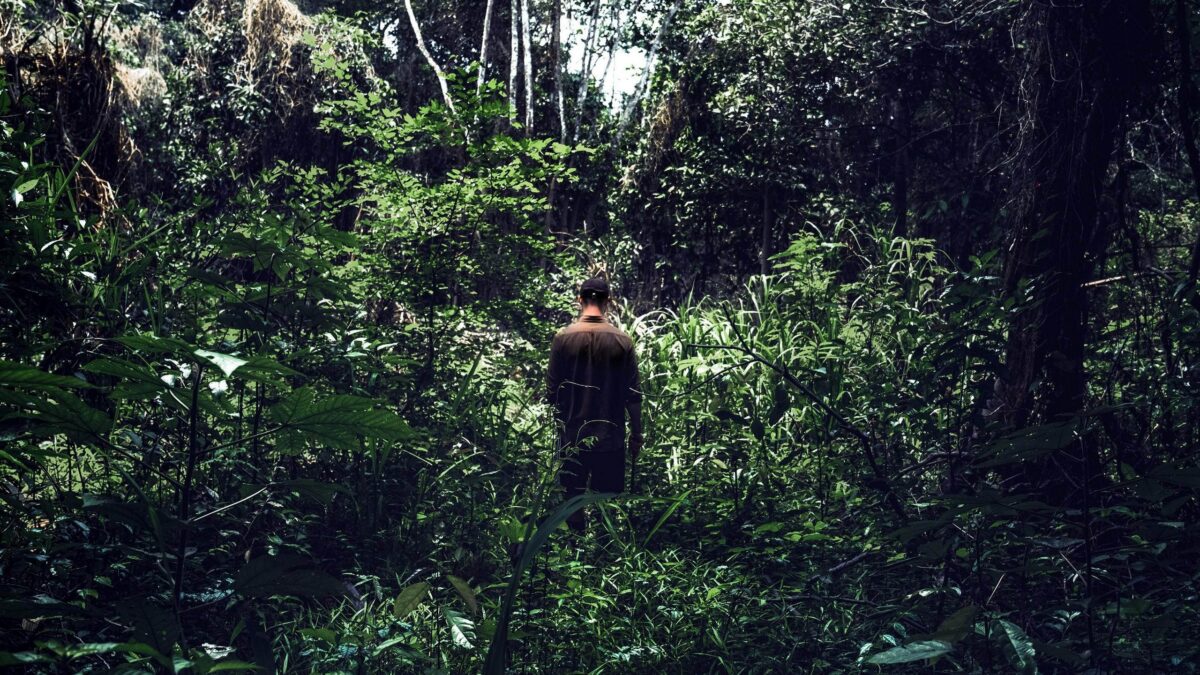
Pablo Escobar is the drug lord who lives on well beyond his death in 1993. Colombians remember 1975 to 1993, when Don Pablo (also known as the King of Cocaine or El Patron) exerted control at every level of power in Colombia. Aside from running the drug trade, he was known for paying off the highest ranking government officials, resulting in the bloodiest time in the country’s history. Residents have a hard time forgetting that the country averaged six murders a day before Escobar was killed by a cooperative DEA and local police effort on a rooftop in Medellin, Colombia.
Across Colombian borders, he has become so much more than his multi-million international cocaine empire. In America, he is folklore—a notorious villain worthy of documentaries, series and novels. His overarching legacy has shifted from one of murder, crime and violence to one more like a Robin Hood-esque scamp; “sad Pablo” is now a social media meme.
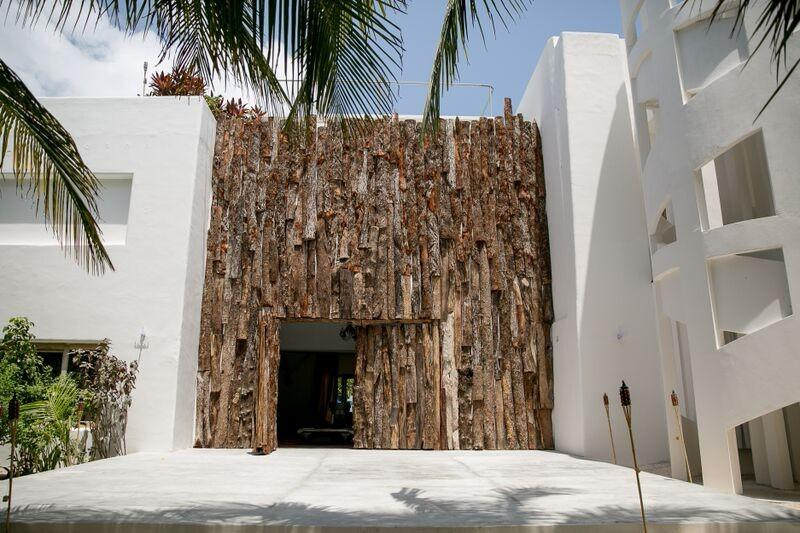
Those who haven’t gotten their fill of Escobar after binge-watching Netflix’s Narcos, may even be tempted to visit Mexico City’s Casa Malca, a undoubtedly stunning boutique hotel and gallery believed to have been his hideout during his tyranny. It’s an indirect reimagining of the jungle-like beach front mega-estate—equipped with woven hammocks, cabanas, and acclaimed chefs, and sprawling views—that is no doubt fit for a decadent ruler, making it easy to forget the slaughter that occurred within its walls.
In Medellín, major tourism companies offer Pablo Escobar-themed paid tours, with one company going so far as to offer the opportunity to meet Pablo’s brother Roberto.
While the transition from ruthless criminal to hometown rascal is nothing new, the fact that so many current residents of Colombia and Central America are still feeling the impacts of cartel violence makes one question the getaway’s allure—and really, anything associated with the cartel.
Roberto, Escobar’s brother, was partially blinded by a pipe bomb while in prison after serving as the accountant for the Medellín Cartel. And now, you can have coffee with him for just $30 USD. But this sort of tourism is so popular because it is often the case that cartel-related pursuits make for booming business—in Mexico and Escobar’s homeland. A traveler to Colombia—or any of several other countries in South and Central America—can treat themselves to cartel-related tours with just a few click online. In Cali, a free walking tour through the history of the post-Escobar Cali cartel is offered by a 30-something local. Nearby, in Medellín, major tourism companies offer Pablo Escobar-themed paid tours, with one company going so far as to offer the opportunity to meet Pablo’s brother Roberto (for an additional fee, por supuesto). In Bogota, a tour offers to “Unravel the secrets of Colombia’s darkest era” for the small fee of $126 USD per person, and there are fairly well substantiated rumors of underground cocaine-making classes taught out of former cartel kitchens.
The question is: Is the country’s narcotic-laced history something that should be promoted, even if there is demand? Tony Anderson, an American expat now living in in Colombia, runs a company called LifeAfar (née FAR International) that helps new travelers and foreign citizens transition into life in Colombia. While he does acknowledge that travelers have the freedom to explore whatever they’re most interested in, he thinks the country should focus on its other strong selling points beyond the narco-history. “If Colombia had no other assets, if it were struggling to introduce itself on the world stage, I’d say, ‘Sure. Use cartel history tourism as a draw,’” Anderson says. “[But] because there is so much else going on, narco-tourism itself just becomes tacky background noise for amazing things underway.”
In accordance with his beliefs, Anderson does not partner with any guides or operators who offer narco-related programming or tours.Ana Valentina Corredor is a Colombian citizen born and raised in Manzales, Colombia. She owns Anacafe Colombian Coffee, a coffee company that sources beans from the western part of the country’s lush mountain region. According to Corredor, the average Colombian cringes when they hear names like Escobar or the Rodriguez brothers, leaders of the Cali Cartel. She says that the word ‘cartel’ is out of their lives at this point and thinks the average citizen “wants people to see our country as something else, not a drug dealing country.” While she acknowledges the entertainment and production value of Narcos, she firmly believes that it’s detrimental to the country to sell an image of Colombia that no longer exists.
Regardless what economic issues remain, she speaks on behalf of the region when she insists this “ is the kind of tourism that we want to erase.”But when it comes to economics, some operators disagree with the idea that highlighting the country’s narco-history is detrimental to the people and communities—like Victor Hugo Ríos Cobo, a guide for GuruWalk. As a native of The Santiago de Cali, the former homebase for the Cali Cartel that filled the drug trafficking void following Escobar’s death, Cobo has inside knowledge of its history.
Once Narcos proved to be successful, he launched the offer to give free walking tours for tourists led by locals. Actually, unlike his neighbors, Cobo sees promoting Cartel history as an opportunity to bring attention to how far the country has come and draw tourists to cities they otherwise might not visit. “I don’t believe it’s exploiting the pain of the people because we are a country with strong citizens that can bear many situations, and everything that can make us weak, instead makes us stronger,” Cobo explains via translator. For Cobo, the Cali cartel is key to his economic success: “We are a city full of educated and friendly people.” says Cabo.
And if they decide to visit based on the tales of Escobar and the Cali cartel, “Why not exploit that interest?”In terms of an official policy on narco-tourism, state and local municipalities in Colombia don’t particularly seem to have one. The Colombia Ministry of Tourism’s website lists its tourism priorities as being broadly ecologically based—listing adventure, sailing, health and nature, but never anything related to Escobar. Anderson, however, insists that the official tourism priorities don’t necessarily line up with the reality of tourism. “There’s likely a big disconnect between where local Colombians, local and national governments, and global development organizations are propelling the country.” He continues, “And what sometimes rogue tour operators are pushing and sharing from a messaging and education perspective.”
Despite being on different sides of the debate, both Anderson and Cobo think the key component of narco-tourism is education: educating tourists that there’s more to Colombia than cocaine, drug lords, and hidden hideouts. Is education enough though? Perhaps instead of seeking a definitive answer to whether or not narco tourism is ethical or not, the key is cultural sensitivity. It is a fact that throughout the 1980s and 1990s that Colombia’s murder rate per capita was nearly double what it is now. Thanks in part to several major efforts (some cartel-related, some not) , the current crime rate in Colombia is the lowest it’s been since the early 70s. This decline in violence didn’t start until the early 2000’s, making many Colombians not that far removed from the violence of the cartel years. You’ll find people in Colombia on both sides of the ‘ethics of narco-tourism’ debate; those who condemn its glorification and those who support it as a way to bring tourists and tourist money into the country.If you’re planning a visit to Colombia, remember that Escobar paintball and cartel walking tours are just a tiny facet of the lush culture that is Colombia.