Your bag is empty.
We make learning fun.

This story appears in our Summer 2026 issue, on newsstands July 28. Want us to come to your place? Become a member to get digital access to the issue and early access to paywalled content.
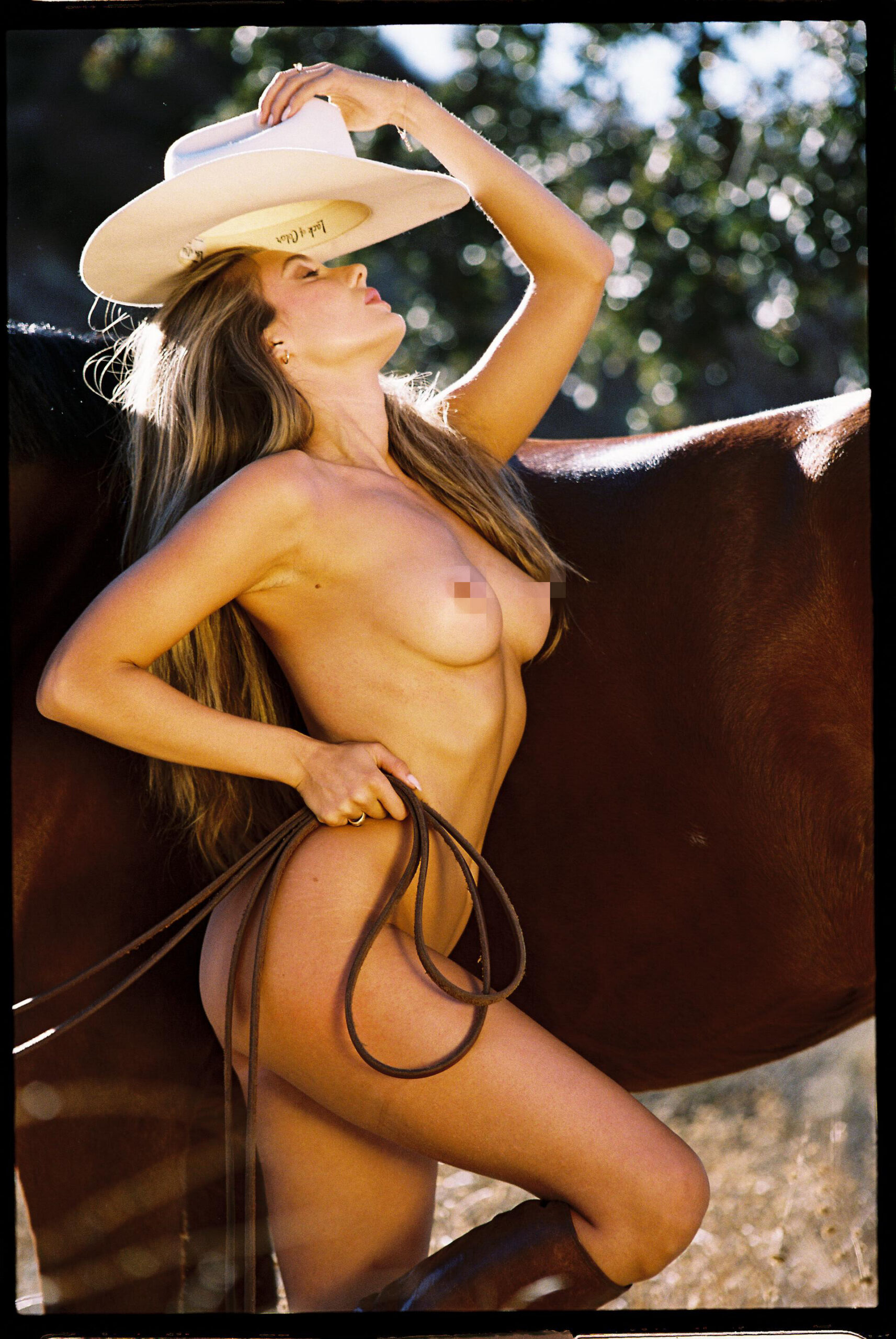
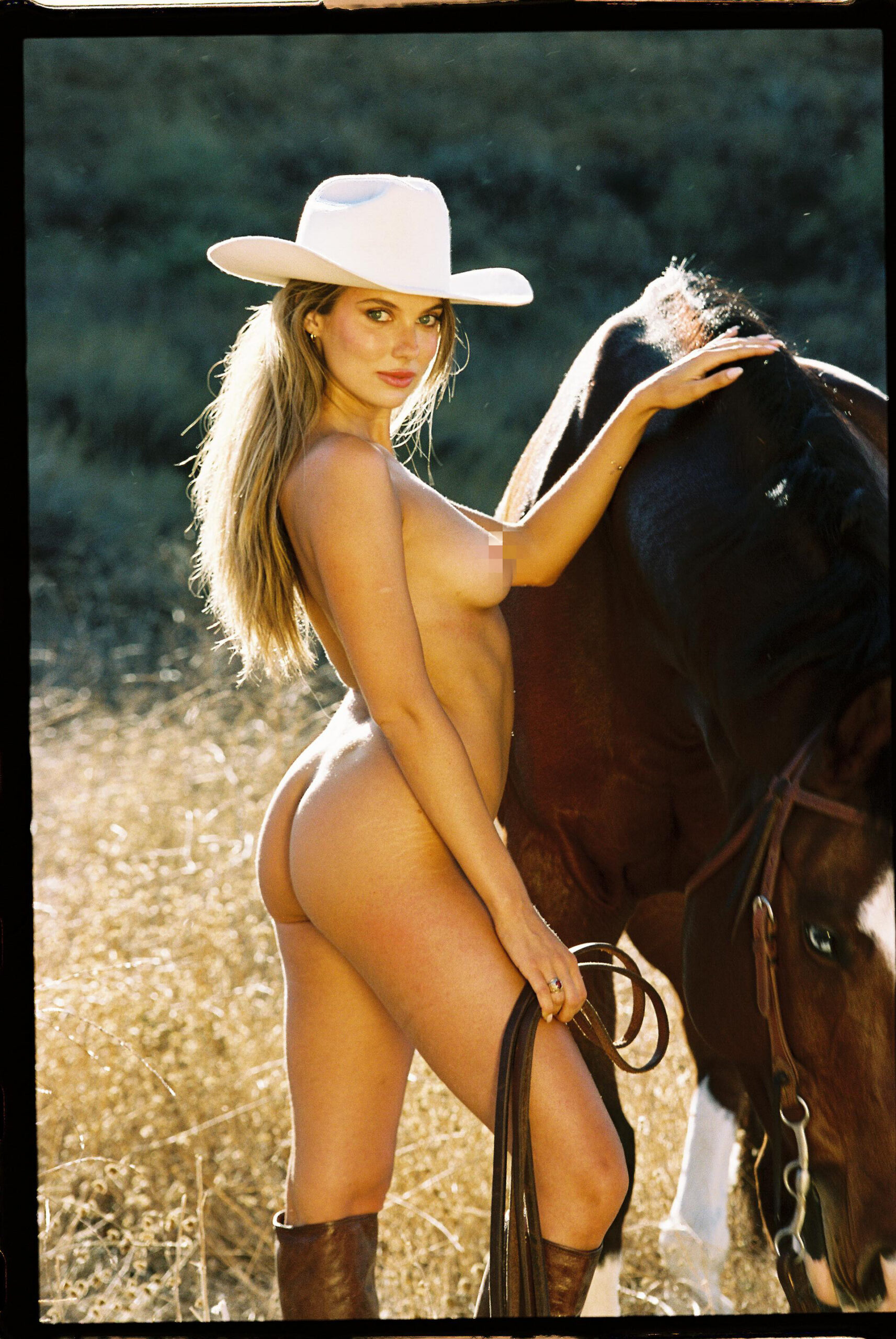
For some time now, cowboy hats have been turning up on people whose experience of ranching begins and ends with Yellowstone. Influencers like the silhouette. At Coachella, the hats bob above the crowd like little boats. Country singers never gave them up, of course, but lately pop stars and K-pop stars have adopted them too. In May, some members of BTS wore a red Charlie 1 Horse hat and a brown Cuadra onstage in Mexico City.
The more charged sighting is in Western Zoom towns, where tech money has developed a weakness for cattleman drag. In my part-time hometown of Livingston, Montana, this recent stampede of rich pretenders has driven up land and housing prices, stirring up a ten-gallon hat’s worth of resentment among locals. You can find some of the ire on Instagram, on accounts like Hipsters of Bozeman, an anonymous profile with nearly 78,000 followers and a bio that reads “Nice cowboy hat, idiot.” It’s a new rendition of that old sentiment “All hat, no cattle.” Or, as a hardcore Montana friend of mine put it, referring to the appropriation of Western traditions by pseudo-Westerners: “They should know that they’re posers. This is not just for entertainment; this is a way of life for people.” The cowboy hat, whose original function was to protect ranchers and wranglers from sun, wind, and rain, has become an unwitting symbol of the affluent superficiality afflicting the nouveau American West.
The cowboy hat has always been a bit of a performance. Although its design traces back to Mexican sombreros—the ultra-wide-brimmed hats worn by traditional vaqueros—the modern version of the cowboy hat was created by an easterner. In 1865, John B. Stetson, the son of a Philadelphia-based hatter, lit out for Colorado after being rejected by the military due to tuberculosis. At the time, frontiersmen, gunslingers, and cowboys wore the close-fitting bowler (a.k.a. the derby), which, Stetson noticed, did little to protect the wearer from the elements. He designed a hat with a high crown and a wide brim, fashioning it from waterproof beaver-pelt felt, and called it, audaciously, the Boss of the Plains.
Stetson made the cowboy hat useful, but Buffalo Bill made it mythic. Starting around 1883, his Wild West show turned working Western gear into national theater. Hollywood finished the job. John Wayne, unrivaled icon of the genre, wore the same slouchy silverbelly model over two decades, from Stagecoach (1939) to Rio Bravo (1959); his hat, and the rugged individualism it radiated, became almost as famous as he was.
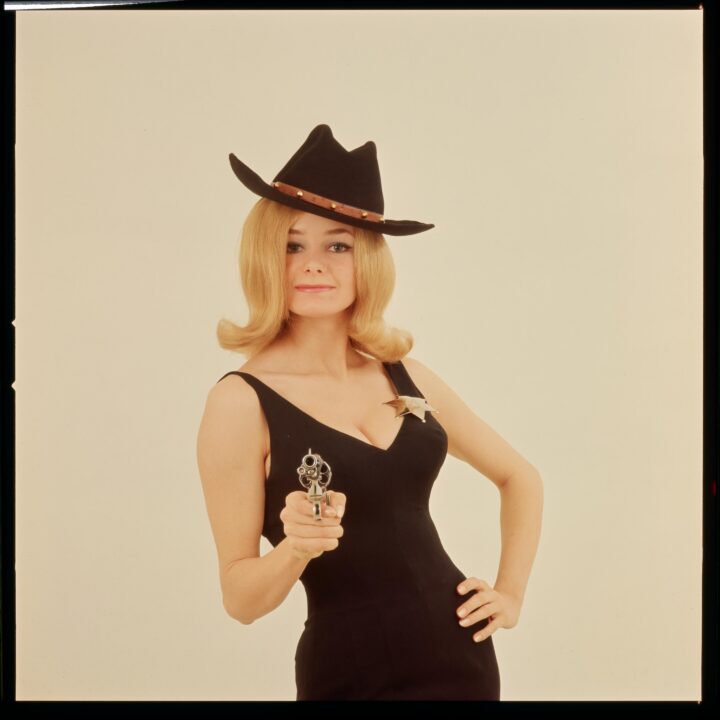
In the 1980s, cowboy hats finally outgrew their country roots. Urban Cowboy (1980), starring John Travolta and Debra Winger as a couple whose rocky romance unfolds in a honky-tonk bar, spurred a national craze for Westernwear. Since then, cowboy hats, ginormous belt buckles, and snap-front shirts have reappeared from time to time—Madonna’s country-electronica dance hit, “Don’t Tell Me” (2000), was one such moment—giving city slickers renewed permission to play out their Western fantasies.
For the past decade, country cosplay has been ubiquitous. Lil Nas X queered the cowboy hat with his 2018 rap-country single, “Old Town Road.” A behatted Beyoncé reclaimed country music’s Black heritage with her 2024 album, Cowboy Carter. And at the fall-winter 2024 Louis Vuitton show, Pharrell sent down the runway dandified Western-chic clothing worn by Black, Mexican, and Indigenous male models—a clever nod to the historic whitewashing of cowboy culture.
“Who owns the West?” William Kittredge asked in his 1996 essay collection of the same name. “Who gets to wear a cowboy hat?” is another variation on this question. Looking for an answer, I tracked down my Montana neighbors, Russ Fry and Suz Byerly, high-end custom hatmakers and co-owners of Yellowstone Hat Company. “You don’t have to own 10,000 acres or run a sixth-generation ranch to wear a cowboy hat,” Fry says of this adaptable, enduring American symbol. After all, the cowboy hat—a pragmatic fusion of traditional hat-making and Mexican cattle culture—was an act of reinvention from the start.