Your bag is empty.

It's not just a gym drug. We talked to guys about life before and after low T.
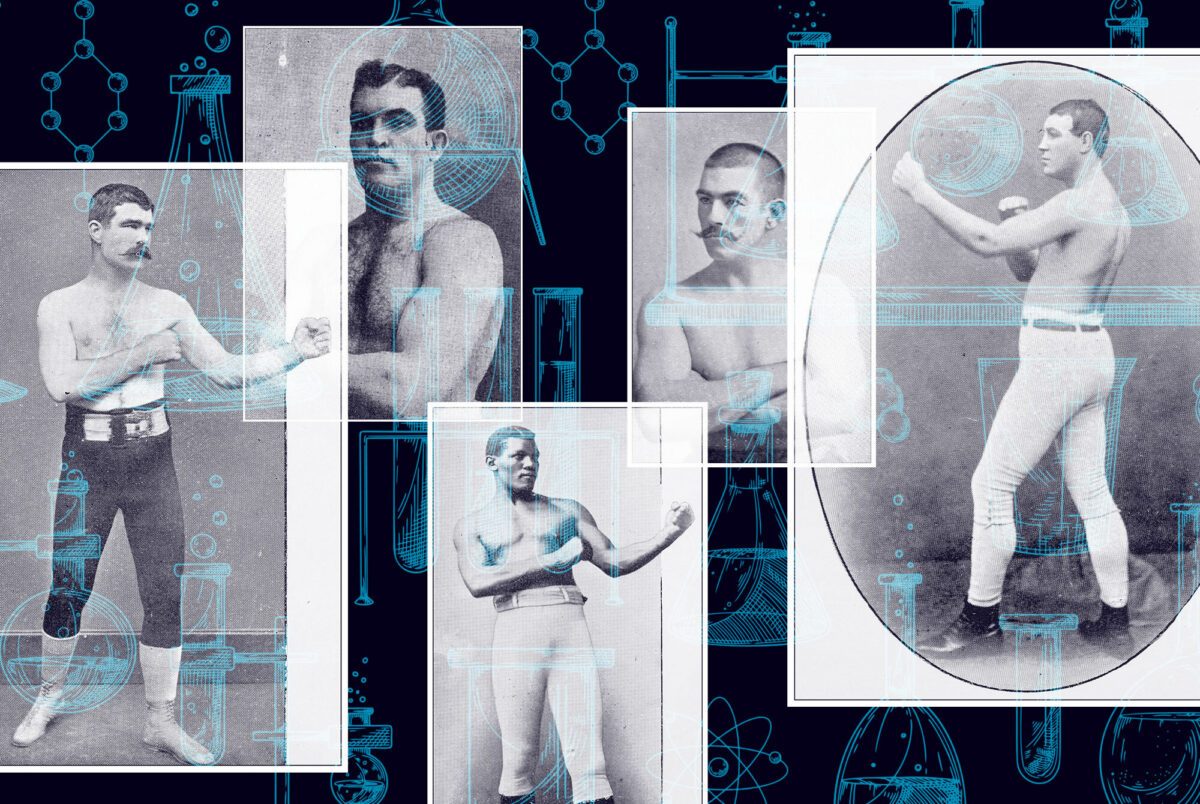
Spend any time in a space dominated by men and you’re bound to hear the word “test” eventually. In the Brazilian jiu-jitsu gyms, Muay Thai sparring sessions and weight rooms that I frequent, old timers in their 40’s and 50’s whisper amongst each other about their age-related physical declines, advising each other to get their “test levels” checked. They’re talking about testosterone, a sex hormone critical to men’s physical development that drives libido, muscle mass, physical recovery, and energy levels that often declines with age.
“I’m fucking tired. And doing what we do, I never heal,” Josh, a Long Island-based Muay Thai coach, told me. “Aging is super inconvenient in my line of work.”
In the past, a gradual decrease of the hormone has been considered a normal part of aging for men, but in recent years testosterone replacement therapy (TRT), the process of introducing outside testosterone into the body through injection or topical creams, has exploded in popularity.
The number of men using testosterone has quadrupled in the last three decades. Between 2019 and 2025 alone, the use of TRT has exploded by more than 50 percent among men. The rapid expansion of telehealth clinics in the wake of the pandemic, coupled with the mainstream explosion of online fitness culture and the rise of looksmaxxing, have all helped to drive the destigmatization of testosterone among regular men. Even MAHA headman and HHS secretary Robert F. Kennedy Jr. has weighed in on TRT usage, moving in recent weeks to remove warning labels on testosterone therapy.
For men with medically low testosterone, the increased access has been a god-send. Sean, a 46-year-old ex Ironman athlete, tells me that he struggled with weight gain, low energy, and erectile dysfunction in his mid 30s. “ I hit a wall where I was just in bad shape and felt crappy all the time,” he says. “ It was a lot harder to get an erection, my wife is eight years younger than me and dramatically better looking than me, so it shouldn’t have been difficult.”
When he first got tested, Sean says his testosterone was in the low 100’s (normal testosterone levels range from around 300 to 1,000 nanograms per deciliter of blood), prompting his doctor to prescribe him TRT. “ He gave me my first shot of it and I felt fantastic the next morning,” Sean says. “I had a morning erection for the first time I could remember in a decade.”
Sean tells me that when he first began using TRT a little more than a decade ago, he struggled to get a prescription. When he was finally able to after months of effort, doctors would often ridicule his usage, something he attributed to the “meathead” reputation that testosterone has long had due to its connections to bodybuilding. “ He actually laughed at me and made fun of me in front of a medical student,” Sean tells me, recalling a visit to a cardiologist years ago. “Literally acted like I was just a douchebag.”
Now, Sean says that dynamic has changed. He says almost all the men his age in his community are using TRT, “and I don’t mean like the big ridiculous looking guys with huge arms that are obvious. I just mean guys that look like they’re in shape and taking care of their bodies and eating right.” he says. He also tells me that he’s open about his usage with both his wife and kids, and that between testosterone and a laundry list of peptides, he injects himself with something almost twice a day.
But studies have suggested that this surge in use has been largely driven by men seeking testosterone without medical necessity. One recent University of Michigan study found that only 12% of men in a randomized sample who had been prescribed TRT had the right diagnostic testing prior to prescription.
Those numbers match the experience of DJ Madson, a consultant who works with both bodybuilders and regular clients to advise on testosterone and steroid usage. She also runs a cash pay hormone replacement clinic that services around 1,300 clients per year, and she says the vast majority of her clients, about 90%, do not meet the clinical definitions of low testosterone. Instead, Madson says most of these men are seeking the performance enhancing qualities of TRT as they age. “ People just are uncomfortable saying, ‘I’m running test.’” Madson tells me. “It makes them feel better to say, ‘Well, it’s technically [hormone replacement therapy] because I got it prescribed.’”
Matt, a 58-year-old railroad worker, is one of those men. He first began to suspect he had low testosterone in his 40s, during a period when he had gained over a 100 pounds in body fat and developed diabetes. When Matt first attempted to get a testosterone prescription, he says that his doctor instead ordered a litany of other tests, prolonging the process. Instead of waiting, Matt decided to get testosterone under the table through a friend of his at the gym. Years later, he says that testosterone gave him the motivation to lose weight and get himself off five medications. “I’ve never felt better, I run circles around my 20-year-old boys,” Matt says.
Other men like Josh, my Long Island-based Muay Thai coach, have no qualms about their use of performance enhancing drugs. He tells me that he’s mostly attracted to testosterone for its energy, muscle building and recovery properties. “I’m looking for doctor sanctioned steroids to be honest,” he says.
According to Madson, whether or not men have a proven medical necessity for the drug, she says TRT use can still give them the boost needed to make lifestyle changes that will improve their other health markers. “Sometimes giving that TRT, getting them back to healthy levels, is what gives them the motivation and the energy to get into the gym, to start walking every day, to engage in meal prep,” Madson says.
But there is still some level of disagreement about the safety of testosterone replacement therapy in the mainstream medical community. Testosterone is widely accepted to heavily impact fertility, and some studies have found an increased risk of prostate cancer, heart attack, and stroke, though newer studies contradict these findings in men who have diagnosed hypogonadism.
TRT is also a lifetime commitment for many men. When testosterone is introduced to the body from an outside source, your body shuts down its own production. Some studies have suggested that long term use of testosterone and other steroids may cause irreversible damage to your endocrine system, making that shutdown permanent. Though Madson insists she has seen men without medically diagnosed hypogonadism use testosterone for over a decade and successfully come off of it, with their natural production eventually rebounding. Either way, she says that the withdrawal period from TRT, during which testosterone levels will crash, is unbearable for many men. Leading them to stay on permanently, “It’s a nightmare,” she says.
Sean expresses caution when asked about TRT by men in his community, but also says the decline in stigma has led many men around him to seek the care they need to improve their quality of life. “ Friends come to me all the time and ask if they should start it, and I’ll ask what their [testosterone] levels are. And if they say 500 I’m like. ‘No,’” Sean says. “But if their levels are 300 or less I always say absolutely. You’re gonna feel dramatically better. Why wouldn’t you?”