Your bag is empty.

It's the 2026 MLB Season, and that means you can now watch the season's games on Netflix. Pretty convenient if you're a millennial or younger, but probably not so much for your mom and pop.
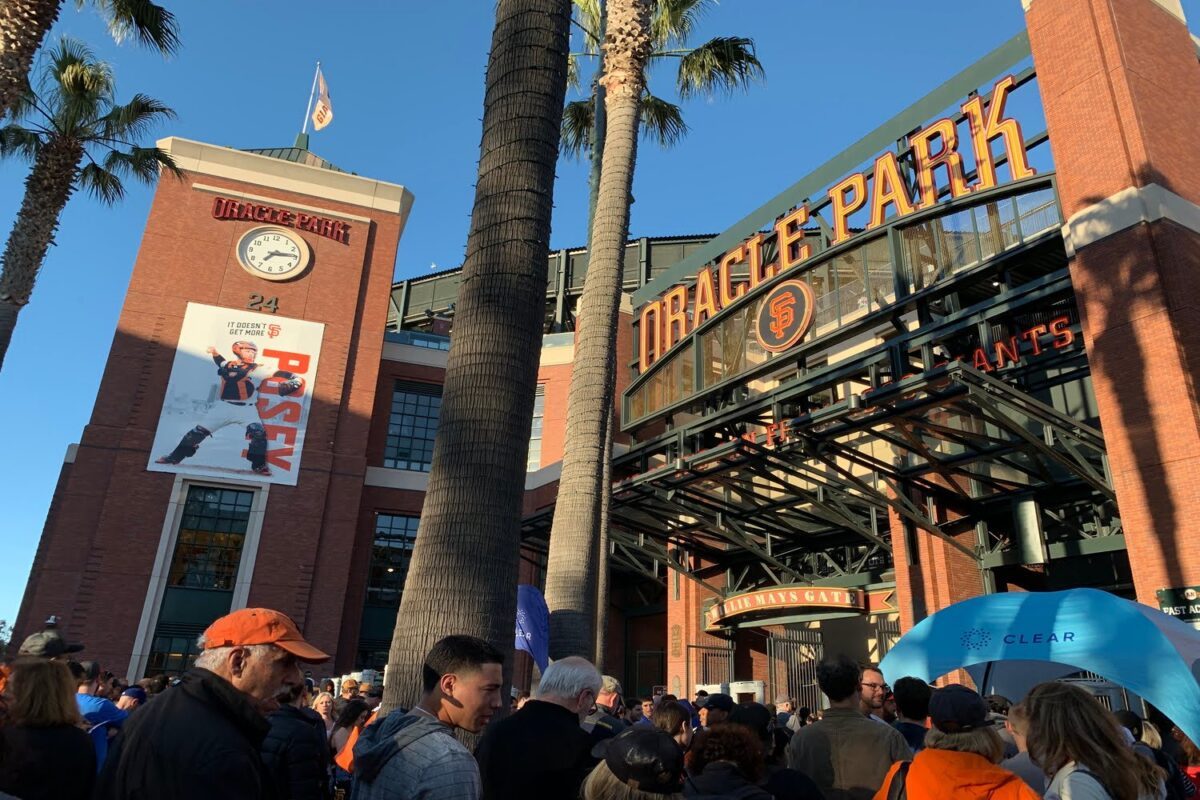
We’re just days away from the start of the 2026 MLB season, and it appears like there’s some confusion about where to catch the first game. Traditionally, fans get a big ESPN presentation, and everything is hunky dory.
But that’s not the case this season, as the season-opener between the New York Yankees and San Francisco Giants will be shown on Netflix, giving it a Jake Paul-fight vibe. Not everyone is thrilled with the decision, specifically the boomer generation that barely knows how to answer a call on their cell phones. Now, they’re being asked to take the untraditional route and go to the place where Seinfeld re-runs can be shown on demand.
Is it really that big of a deal? Well, it depends on who you ask – particularly, which age group you ask. For millennials and younger generations, this is going to be clockwork and might even elevate the game to new levels. Although, it might not be that way for everyone.
Baseball fans can catch the Yankees-Giants MLB opener on Netflix. In order to watch the game, you simply need to have an active Netflix subscription and subsequently working TV set.
The move will certainly leave some fans on the outside looking in. I personally know older “get off my lawn” people that not only don’t have Netflix subscriptions, but don’t even have HD TVs. Some people are set in their ways, and unfortunately, will have to go to a bar/restaurant or friend’s/family member’s house to catch the game.
Of course, as we’ve seen in many high-profile events, the streaming reliability doesn’t always go as planned. The Jake Paul-Mike Tyson fight encountered numerous buffering issues at different points, as well as WWE events experiencing the same issues.
While the move was made to grow the game of baseball, it will certainly leave older generations scrambling to find ways to watch the game. However, from a business perspective, MLB believes this newer outlet on Netflix could help grow the game.
The NFL just started broadcasting games on Netflix this season, with the Christmas Day doubleheader being the launching point; WWE events have also been broadcasted on the streaming service to mixed reviews.
MLB’s decision to have Netflix broadcast games didn’t happen overnight. Its contract for media rights with ESPN expired at the end of last season, and the league was looking for alternate options. ESPN did come back into the fold, as MLB TV will work in coordination with them on the previous out-of-town subscription package, but other platforms like Netflix have been knocking on the door for a while.
In fact, Netflix will even air this season’s Home Run Derby live from Citizens Bank Park in Philadelphia, PA. Netflix has already produced several award-winning baseball documentaries, and the hope is to bring some life to a seemingly boring sport – for some, certainly not me.
Speaking of streaming services, Apple TV+ has already been airing MLB games on Friday nights for a couple of seasons now. Personally, I love the Apple TV+ broadcasts, as they come with a stats-heavy approach that you don’t find on most traditional broadcasts. The hope is that Netflix can do the same – or even better.
NBCUniversal will also be a new home for MLB games in the 2026 season. Sunday Night Baseball will be moving there and can also be seen across different entities like NBCSN and Peacock, but the Thursday Opening Day games between the Pittsburgh Pirates and New York Mets, as well as the Arizona Diamondbacks and Los Angeles Dodgers will be shown there. If you remember, NBC broadcasted many of the big games in the late 90s before Fox came in and dominated broadcasts for years.
All in all, we’re seeing a huge shift in the way sports are broadcasted on TV. It’s an exciting time for some, but for others, it marks a signal that watching sports may not be as cheap as it once was. In my case, I’ll do whatever it takes to watch the games I need to. Perhaps, this plan is working just as planned by the professional sports leagues.