

Your bag is empty.

They walked out of the Chicago club for better working conditions, but it wasn't what it seemed.
In the 1970s, workplace protest was in. According to Jacobin, there were 5,716 strikes involving 3 million workers in the year 1970 alone, kicking off a decade of labor revolt, often led by young people who refused to accept the status quo.
It was against this backdrop that Playboy Club Bunnies in Chicago walked off the job in June 1975. On a Wednesday, the club Bunnies went on strike for more fair working conditions and equality in the clubs. Their demands were simple: they were pushing back on unfair policies that banned them from using their full names on the job, dating club members, and from having a key to the club (the term for the cards club members carried to gain entry). As part of their cause, the women on strike wrote a letter to Playboy founder Hugh Hefner outlining their concern:
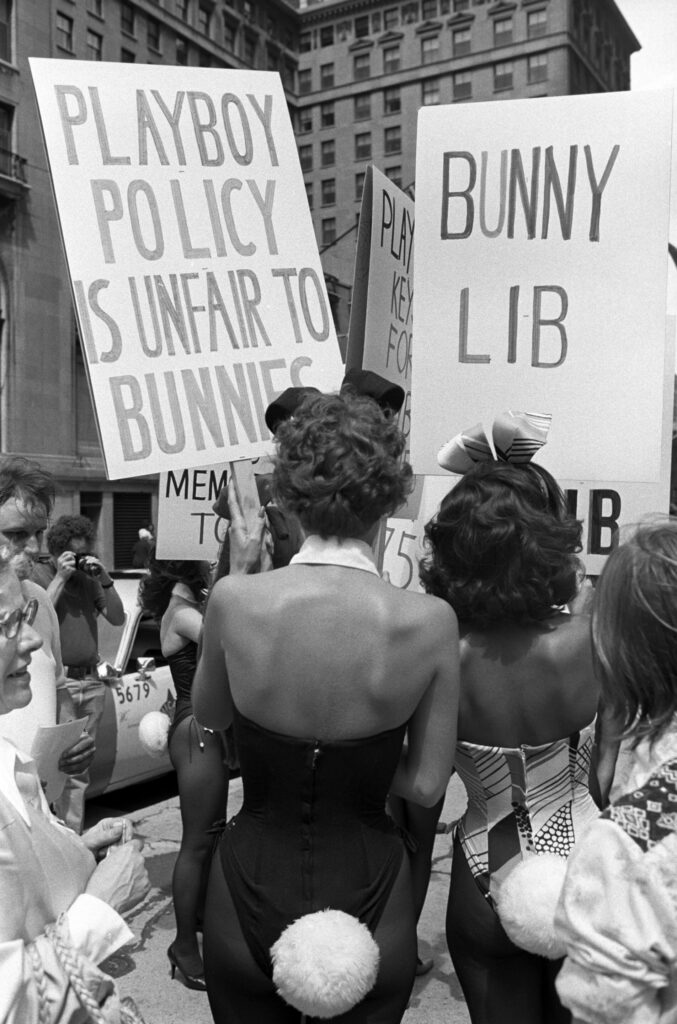
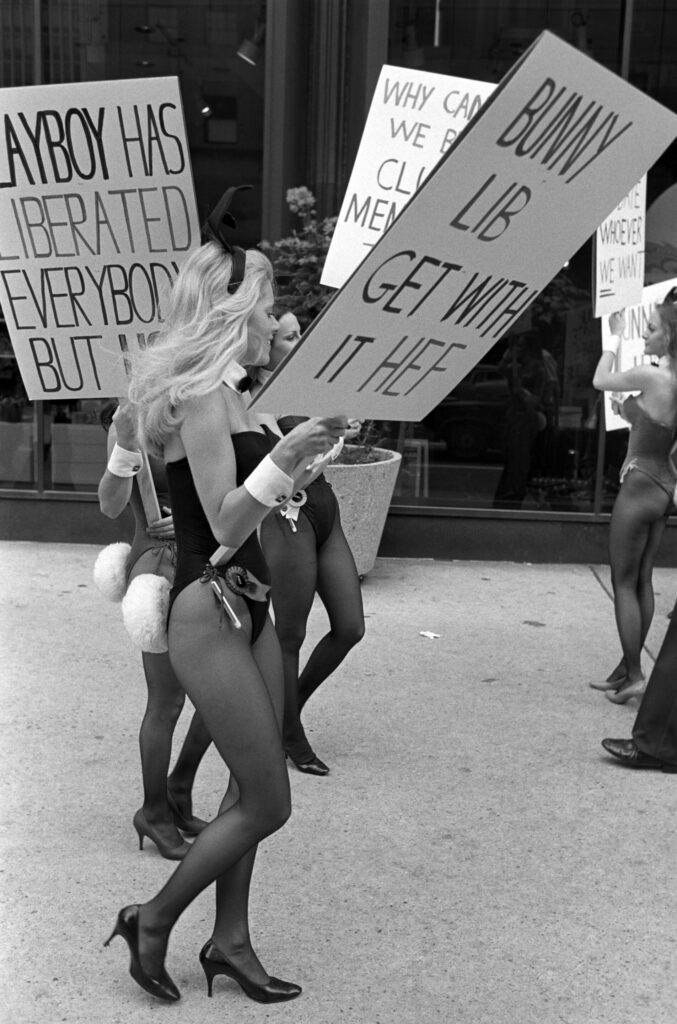
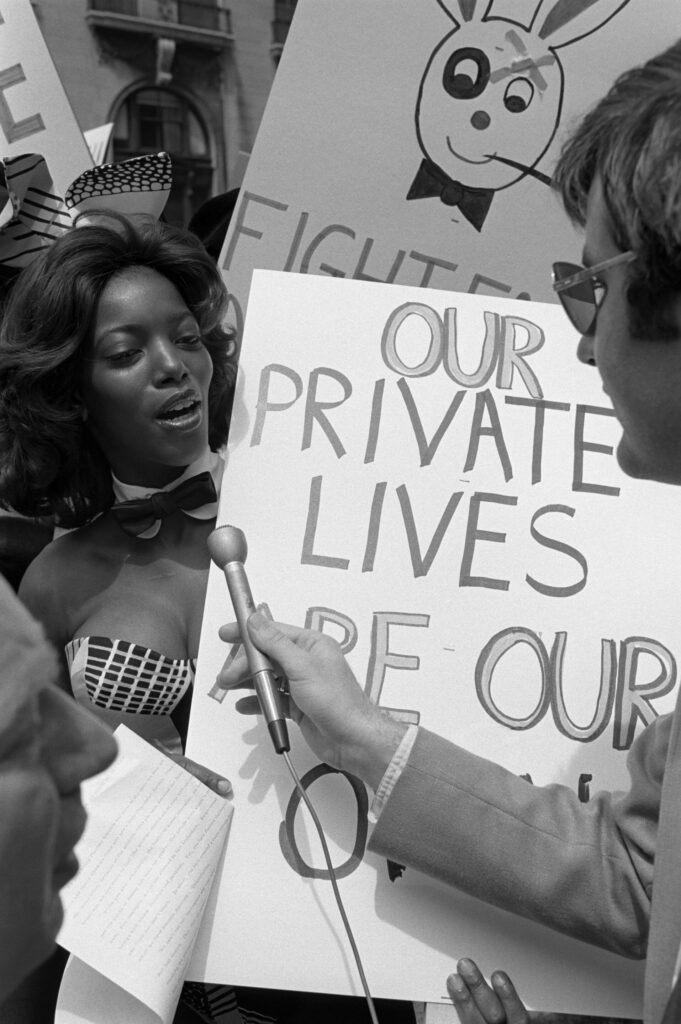
“We love being Playboy Bunnies and most of the time we love you, but there are times when we think you are a Male Chauvinist Rabbit,” the letter read, according to an article about the 1975 strike by Patty Farmer in Playboy‘s November 2017 issue. “While you are, admittedly, the leader of sexual liberation, you have set the cause of Bunny Lib back 10 years. Our private lives should be our own….We intend to let the outside world know we are unhappy. We have nothing to lose but our tails and our ears.”
So, they took to the streets, picketing the club with signs declaring their demands—and they won. Hefner wrote back to the Bunnies acquiescing to their requests, making “Bunny Lib a reality instead of a slogan,” as he wrote in his response to the his employees. The club rules would be relaxed to meet the more free swinging vibe of the ’70s.
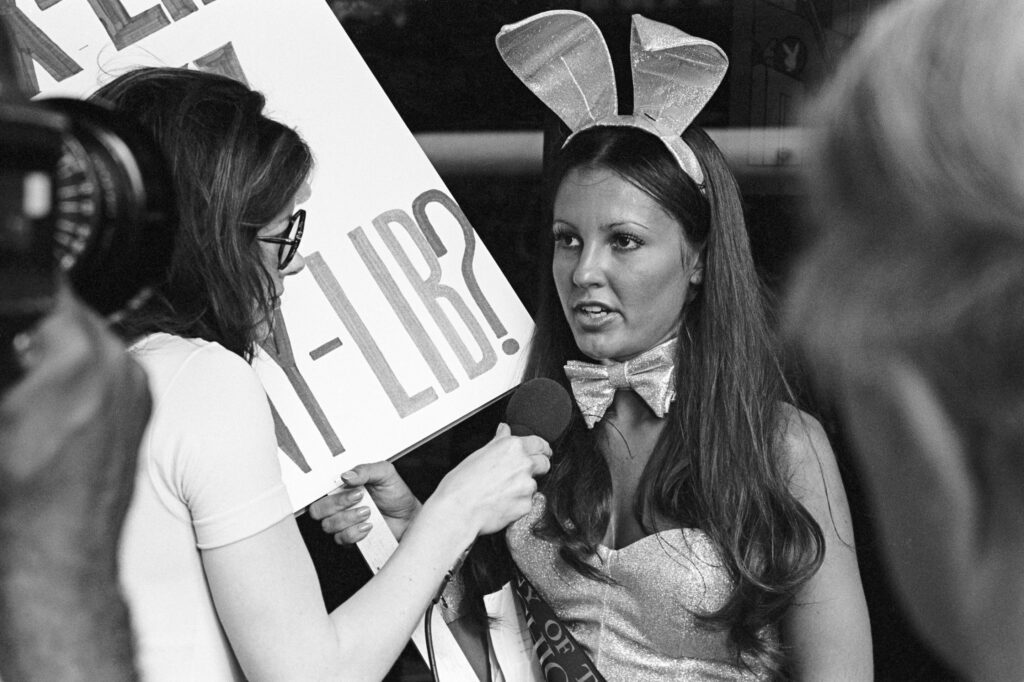
This would be fantastic lore—a labor rights win and a great story to tell to kick off Labor History Month this May. Unfortunately, it’s all a ruse.
The Bunnies did walk out of the Chicago club, and they did carry signs calling for “Bunny Lib.” They did not like the policies that limited them from dating club members or that barred them from having club keys. But they did not lobby for better working conditions of their own accord. The so-called protest was planned by Victor Lownes, Playboy’s longtime promotional director, as a publicity stunt, a way to update club policy and gain favorable attention while doing it.
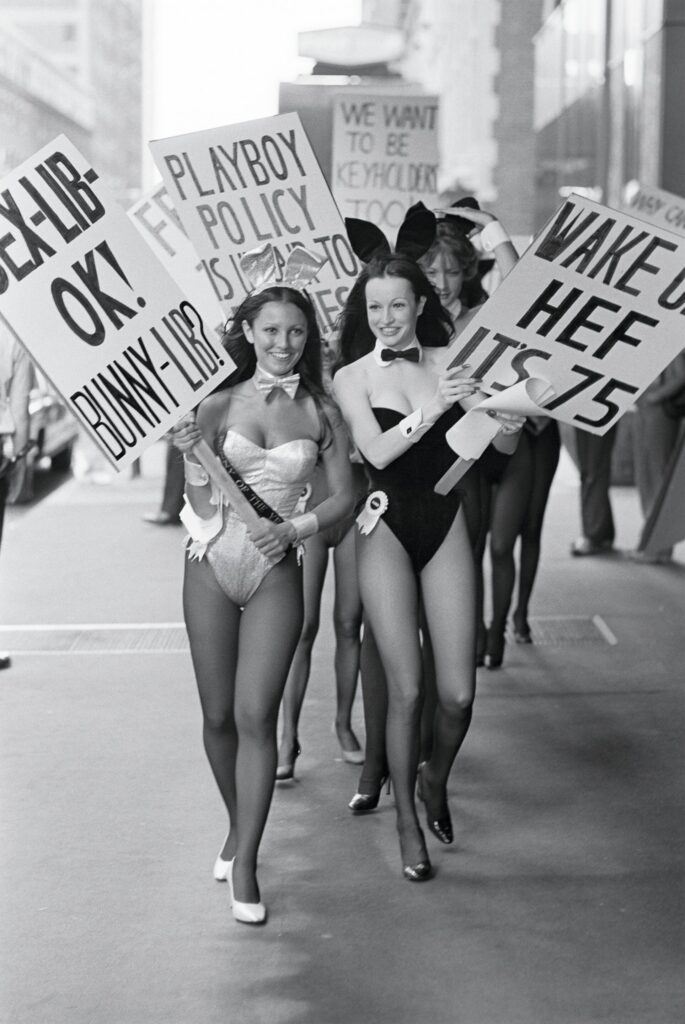
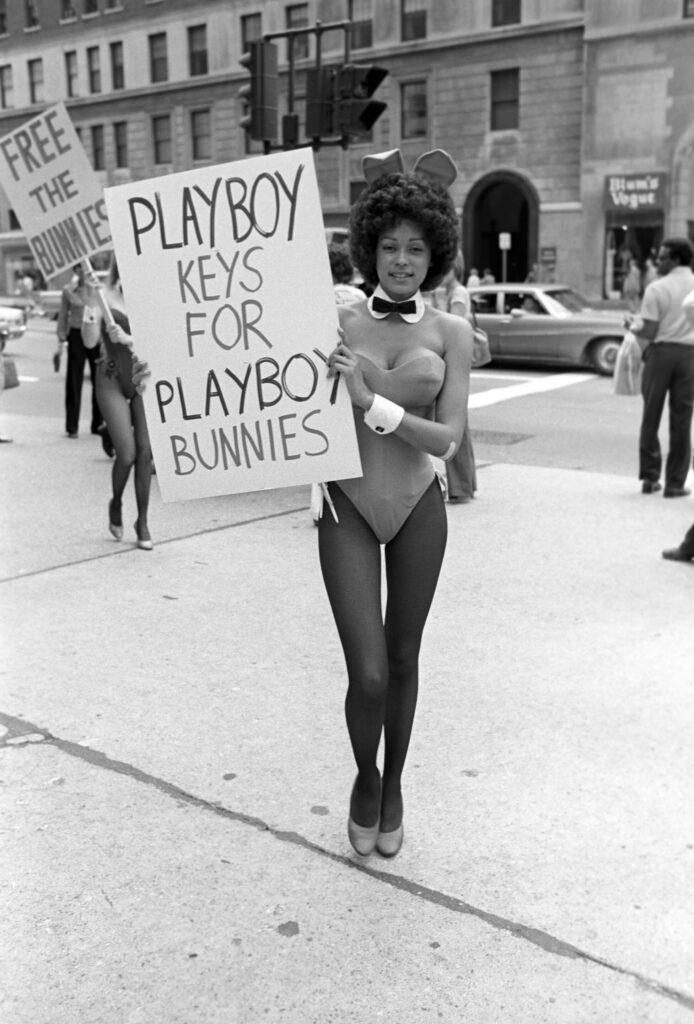
According to Farmer’s 2017 article on the walkout, the Playboy Club developed strict policy around Bunny behavior when it opened in 1960 because it was under heavy scrutiny from the city of Chicago and the Catholic Church—a powerful force in the city. Club founders worried that they would be shut down for prostitution if a Bunny went home with a club member, or engaged in anything other than a strictly professional relationship. To prevent that, Club Bunnies had to be friendly but not too friendly, couldn’t use their last names at the club, and could never, ever date or hang out with a club member outside the club. “Even if you met someone outside who happened to be a key-holder, you had to let [management] know,” former Bunny and strike “leader” Sharon Gwin told Farmer.
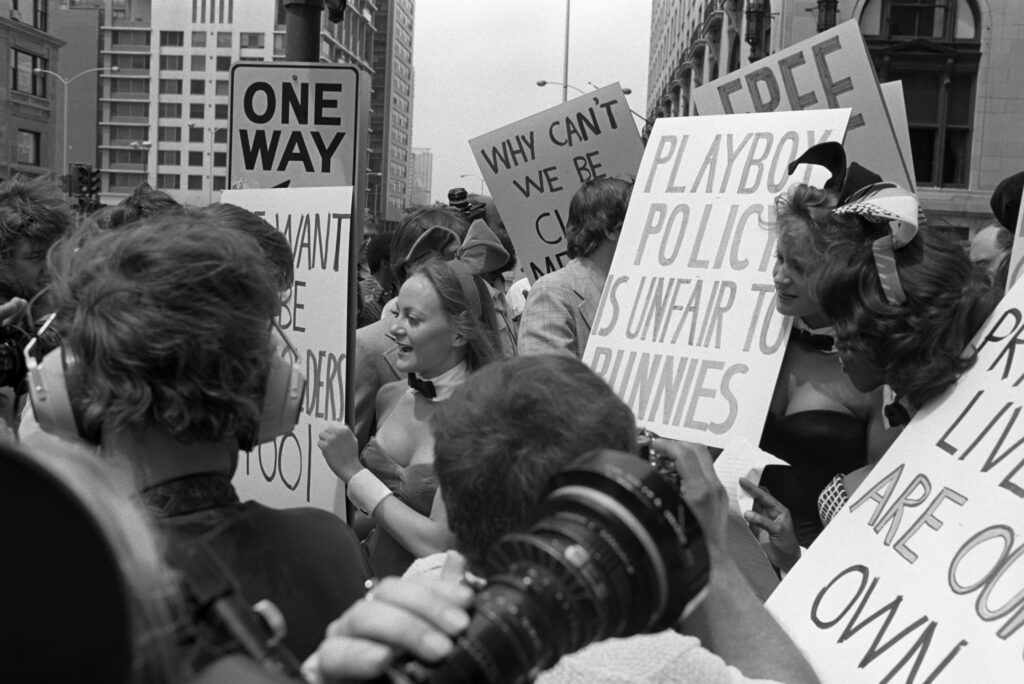
But by 1975, those rules felt outdated—even regressive. Bunnies wanted to have access to the clubs in the same way members did, and they wanted to make their own decisions about their personal lives. “They were protecting us, but we were all adults,” Laura Lyons, a Bunny and Playmate, told Farmer. So, there was unrest among club employees because of these policies, and Bunnies did want change to give them more agency on the job. But it wasn’t the Bunnies banding together to demand better labor conditions that made change, it was a plot devised by Lownes to bring club policies into the present day, and to get good press while doing it. The rules did change, and benefitted employees. But that it was actually the boss who crafted a faux-strike? That’s a big Bunny bummer.