Your bag is empty.
As a geeky kid growing up in the late 1980s and early ’90s, I was faced with a choice: Marvel or DC. Like the “Beatles or Elvis?” query Mia Wallace (played by Uma Thurman) puts forth in a deleted scene from Pulp Fiction, it was very possible to like Marvel and like DC, but everybody preferred one or the other. Nobody can like both equally, and this more or less has continued to our current moment in time, one day after Marvel icon Stan Lee’s death on Monday at age 95.
Pop culture pointed me toward DC. They dominated non-comic-book pop culture. Batman had been a goofy ’60s show that was in heavy syndication during my childhood, there was no bigger event in my youth than Tim Burton’s movie opening in 1989 and Christopher Reeve’s Superman was the ideal that everybody looked up to. In fact, I very likely wouldn’t have been born if it wasn’t for Richard Donner’s Superman: The Movie. It was my parents’ first date. If that had gone poorly, who knows what would have happened, so thanks, Mr. Donner!
However, it wasn’t the DC books I was drawn to. It was Marvel. I read both, enjoyed both, but there was something about the Marvel universe that spoke to me in a way that DC didn’t, even though some of the unquestionably best comic-book material of the ’80s was coming out under the DC label.
I can tell you which books did it for me, turned me from DC to Marvel. I stumbled upon two graphic novels at my local comic book store. One was the “Dark Phoenix Saga,” and one was “Kraven’s Last Hunt.” Both are fascinating in that they portray the heroes getting the crap kicked out of them. There was real drama, real stakes, and the heroes weren’t guaranteed to get to the end unscathed. Sure, Batman took his share of lumps, especially in that era, but for some reason, I was more affected by Jean Gray losing herself to this crazy power and turning on her family than I was about Robin being offed.
I’d be lying if I told you I understood at that impressionable age why that was the case. All I knew then is that I related to Spider-Man and the X-Men and the Fantastic Four. They all had amazing powers, but they were also human. They had faults. They got hurt. They weren’t untouchable gods like Superman. They didn’t always have the resources to fall back on like Batman. Sure, those dudes were cool, too, but there was something deeper about a kid who is trying to work his way through college while swinging around New York City in red and blue tights.
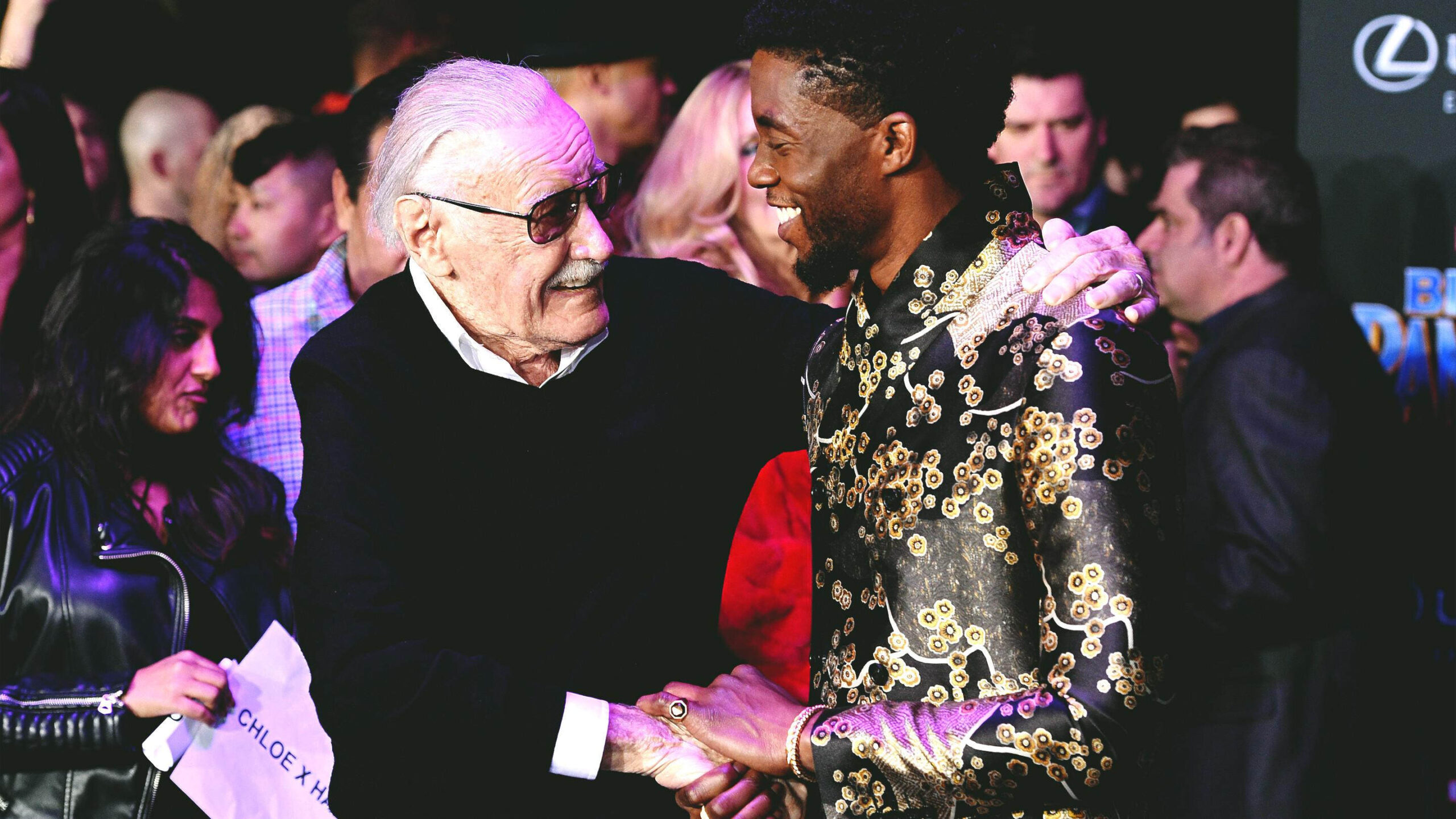
As I grew older, it became more and more apparent that the empathy and vulnerability displayed by my favorite Marvel characters could be traced back to a guy named Stan Lee. Along with Jack Kirby and Steve Ditko, Lee practically invented the version of superheroes that we know as the gold standard today, bringing their humanity, their empathy for the “other” and a giant dose of “Aw, shucks” fun to every new character they created.
I clocked Stan Lee at a fairly early age, thanks in large part to his Marvel Universe trading card that put his unmistakable mustachioed grin right in the center of his key creations. He was “the Marvel guy” to 10-year-old me, and as I learned more of his story, the more I understood just how his much of his personality rubbed off on his characters.
He left behind so much kindness, empathy, endurance and flawed humanity in every character he created that his spirit will be alive and well for generations to come.
Born to Jewish immigrant parents, Stanley Lieber (later legally changed to Stan Lee after it became his comic-writer pen name) had his own funny-pages origin story, beginning his career as a 17-year-old refilling the inkwells of the artists at Timely Comics before rising through the creative ranks, weathering regime changes and even a big company name change. By the time that Timely Comics officially became Marvel Comics in 1961, Lee had already created dozens of new characters, been installed as editor in chief and even broken away to fight the Nazis for three years, like his ol’ pal Captain America.
The ’60s were when Stan Lee really hit his stride, though. In short order, the world was introduced to the Fantastic Four, Spider-Man, Black Panther, Silver Surfer and the X-Men. What’s even more special than these iconic heroes was how they were presented. Lee engaged his readers in a radical new way, opening up the “Bullpen Bulletins” section in his comics where the creators could lift the veil a little bit and talk about what was coming up.
He made the reader feel like they were hanging with their friends in all aspects. The characters were real and relatable, and so were the creators. Fast-forward a few years, and Stan Lee was still the face, voice and giddy persona of the Marvel brand, serving as a kind of ambassador to geekdom. He traveled the world doing signings, comic-convention appearances and business meetings, and pushing for Marvel adaptations to the big and small screens. It took him almost 20 years of pushing for that to happen, and when it did, it changed film forever.
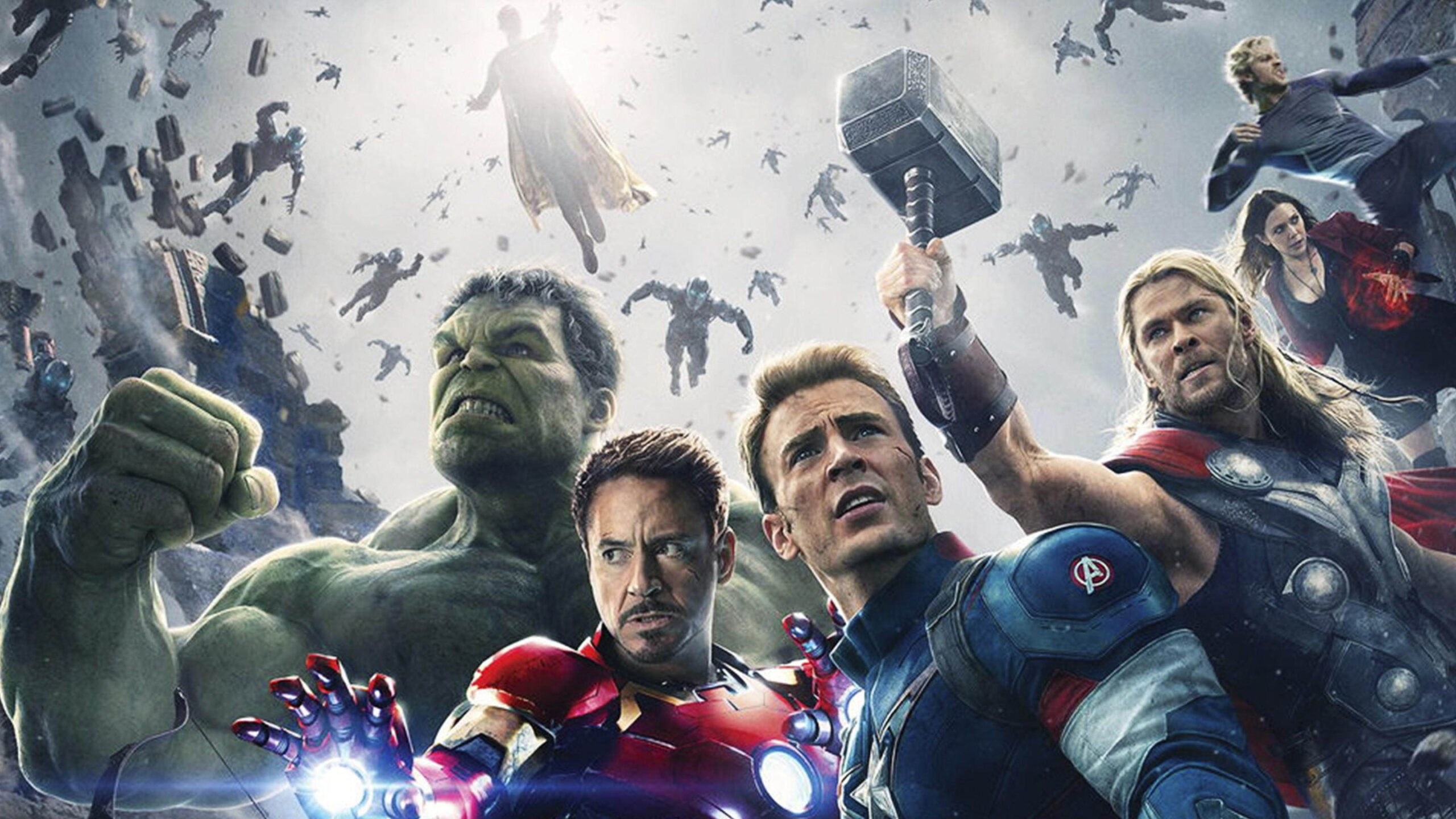
There’s a reason why Stan Lee has a cameo in every Marvel Cinematic Universe movie. It goes beyond just a cute thing to do. The man is Marvel, in spirit and soul. Making a Marvel movie without paying tribute to Stan the Man would be akin to carving 666 in your church pew. Blasphemy of the highest order.
Lee’s passing has left a giant hole in the world, but the good news is he left behind so much kindness, empathy, endurance and flawed humanity in every character he personally created or helped shepherd into existence that his spirit will be alive and well for generations to come. Mr. Lee, but as a kid at heart who has been profoundly influenced by your flat out goodness and creativity, I know there’s only one word that fits the bill: excelsior!