Your bag is empty.
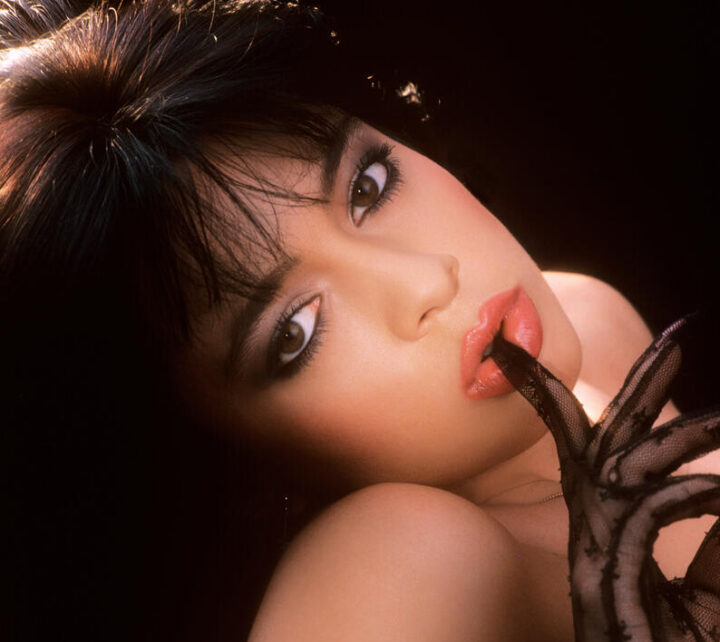

During Native American Heritage Month, we talked to the 2017 Playmate of the Year about finding her roots.

In May 2016, Playmate of the Month Brook Power told Playboy that her idol was Sacagawea.
“Sacagawea, my role model, broke through the strict gender restrictions of North American culture,” she said of the Native American interpreter and guide for Lewis and Clark as they journeyed west. “Before her, Native American women weren’t viewed as equals.”
Power, who’s part Chippewa, still holds Sacagawea dear. “She’s such a bad ass,” Power, who was also named Playmate of the Year in 2017, recently told Playboy.
We spoke to Power for Native American Heritage Month, discussing representation, her roots, and the struggles of Native people across the country.
This interview has been edited for length and clarity.
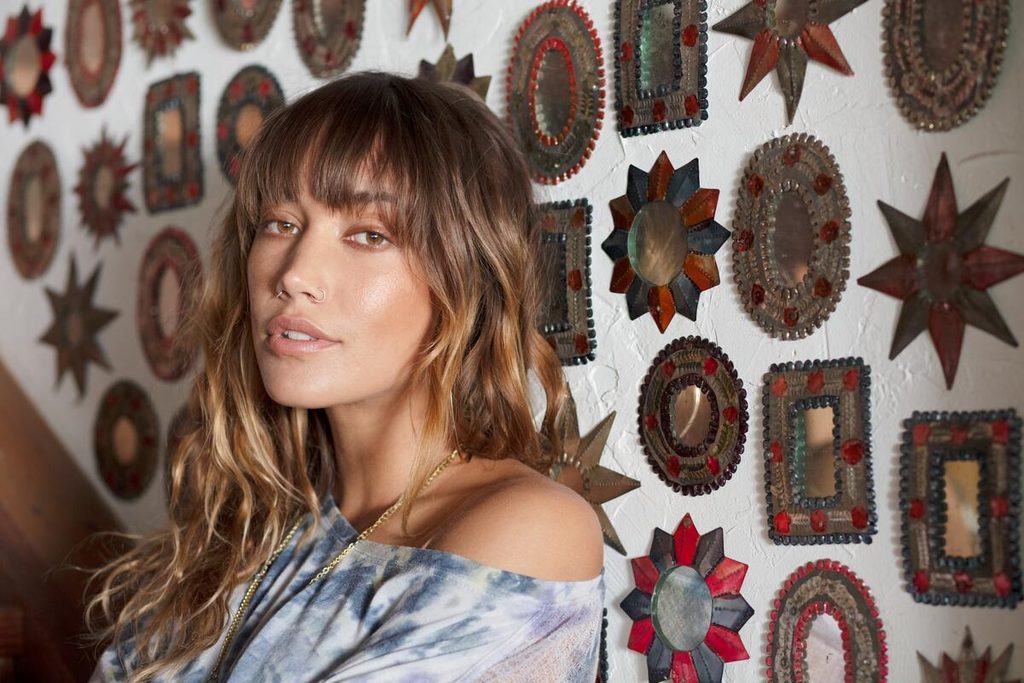
Playboy: How does your Native heritage factor into your identity and your daily life?
Brook Power: I grew up in Hawaii, I didn’t grow up on the reservation. My grandpa was Chippewa; he was born in Michigan, where the Chippewa tribe is [partly] from. Growing up in Hawaii, I was very immersed in native Hawaiian culture, so now that I’m learning more about Chippewa culture, I see there are so many similarities between native Hawaiian customs and the Ojibwe ways.
Playboy: Did your grandfather teach you about your heritage, or are you learning about it more on your own?
Power: I’m more learning it on my own. He was ashamed to be Native. He didn’t really like to talk about it, which I think was the generation he grew up in. It’s such a sad reality for a lot of Indigenous people in America, especially in that generation.
Playboy: How do you feel about being Native?
Power: I feel some pride there and I do feel seen by the culture. I think growing up in Hawaii, we learn all about how the American government stifled all of the Hawaiian heritage — they [banned learning] Hawaiian [in schools]. The culture almost completely died. That’s the same with so many Native American tribes, too. They were chastised for speaking their own language or dressing in their own clothes. That was very prevalent growing up here, understanding that western culture was trying to diminish the Indigenous peoples.
Now, when I learn more about Ojibwe culture I’m like, “Oh, I wonder if my affinity for certain things comes from being in my blood?”
Playboy: Your affinity for what kind of things?
Power: The Ojibwe are river people originally. They’re the tribe who made dream catchers. I’ve always been so fascinated by dreams and the meaning behind dreams.
Playboy: In 2016, you told Playboy that Sacagawea was your role model. Is that still true?
Power: Yeah, it definitely is. Sacagawea was such a crazy feminist. She was [captured by another tribe] and enslaved. Then, when she started travelling with Lewis and Clark, she was their interpreter for a lot of the tribes they went and visited. She knew their languages from being sold around. Eventually, she gained so much respect. She’s such a symbol of feminism — so brave and so strong.