Your bag is empty.
When the Four Horsemen of the Apocalypse ride into town, they’ll need a place to stop and water their rides. It’s a good thing that Trident Lakes—a $400-million, 700-acre secured living facility under construction about 70 miles northeast of Dallas—plans to offer an equestrian center alongside its restaurants, retail shops and 18-hole golf course.
Above and beyond the already booming multibillion-dollar “prepper” market of non-perishable foods and end-of-days supplies—even marketed by the likes of disgraced televangelist Jim Bakker—developers are now finding investors with deep pockets want to hitch their wagons to Armageddon. And if Trident Lakes is any indication, the private apocalypse bunker industry is exploding as the world appears to be on the brink of doing the same.
An informational sheet provided by Trident Lakes, which bills itself as “a five-star playground with DEFCON-1 preparedness,” claims that its posh complex will protect against a variety of dangers including a “nuclear attack, virus pandemic, weather disasters, government overreach, North Korea, etc.” Several bunker manufacturers and developers who spoke with Playboy indicated that current events—from Kim Jong-Un’s missile launches to our sitting president’s provocations to January’s false ballistic alarm in Hawaii—have caused consumer interest in bunkers to spike.
Richie Whitt, communications director for Trident Lakes, says that the development’s waiting list page often sees traffic spikes after a worrying news report. In late November 2017, in the wake of North Korea’s latest ICBM launch, the site received 25 invitation requests in the space of an hour. Since launching last fall, Trident Lakes has received nearly 1,600 inquiries for its planned 850 concrete and steel bunkers, which it calls “condos.”
“The government will not be there for you. In fact, the government will not tell you that something is even coming if they knew.”
Civil unrest and the Trump administration are also common worries cited by potential buyers, Whitt says, but that doesn’t mean it’s liberals running for the hills. “If anything, there was, ‘I voted for Trump—he’s not the status quo but he’s also crazy, and I need a place to hide just in case,” Whitt says. At the same time, there’s “the guy who says, ‘Oh, the Democrats and liberals, they’re all up in arms about what Trump’s doing and I just know they’re gonna come for our guns.’”
The Rising S Company, which manufactures steel bunkers in northeast Texas, has seen a 250-percent increase in sales since this time last year. “I think the threat of war with other countries is real,” says general manager Gary Lynch. He name-checks North Korea and the prospect of an economic collapse as reasons to hunker in a bunker. “There’s always a threat with Russia, too,” he adds.
Robert Vicino, the founder and CEO of a bunker development company called The Vivos Group, claims that sales are up 500 percent this year, “and interest is well up over tenfold, maybe twentyfold.” Here, at least, that interest is coming from both sides of the aisle. “Before Trump, it was mostly conservatives who bought into Vivos, and now we’re finding out it’s more liberal,” Vicino says. That surprised him, as believes “the liberal mindset is more of a socialist mindset,” and liberals therefore place more trust in government. “The government will not be there for you,” Vicino warns. “In fact, the government will not tell you that something is even coming if they knew.” Clearly, there’s more than enough anxiety to fuel the bunker industry, which raises the question: How much will it cost you to survive the apocalypse, and who will be left outside the gates?
At Trident Lakes, the smallest condo-bunker will cover 1,080 square feet and is priced at $300,000. While the developers initially envisioned a community entirely for affluent residents, they found that nearly half of the inquiries they received were from people making between $50,000 and $100,000 annually. Whitt says that Trident Lakes’ original plans were scrapped earlier this year in order to accommodate more units priced for middle-class earners.
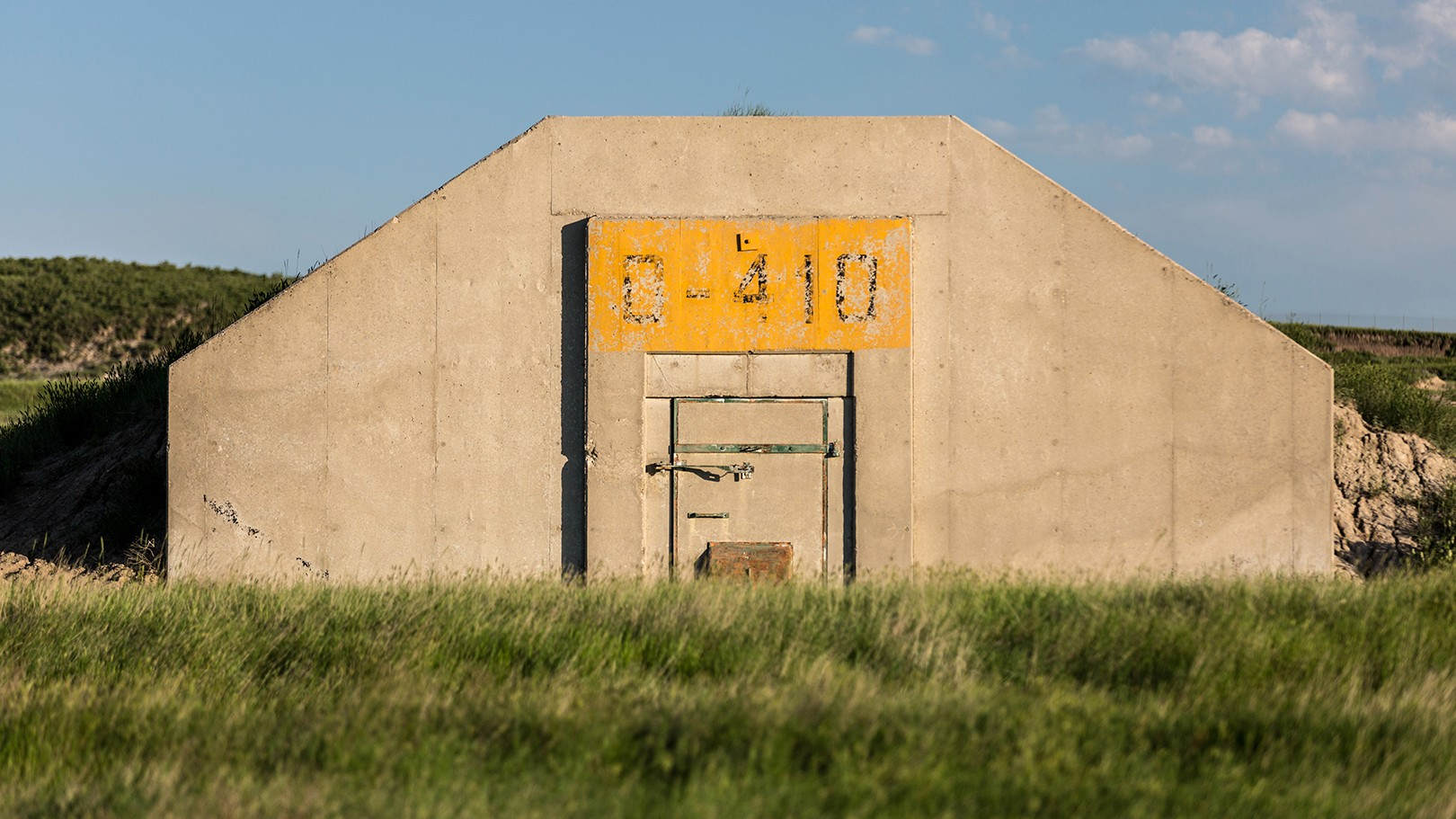
Likewise, Rising S Bunkers—which manufactures standalone, all-steel bunkers—offers a utilitarian Mini-Bunker, priced at $39,500 and designed for buyers with less disposable income to spend in preparation for the apocalypse. With installation, the 96-square-foot bunker comes in at $45,000, and Rising S offers financing for up to that amount. Just about anyone with a decent credit score can have their very own subterranean steel hideaway buried wherever they want. “The only reason I even build a small bunker like that is for the people who can’t afford a larger one,” Lynch says. Vicino of Vivos echoes that sentiment. “We are not for the elite,” he says. “The average member ranges from upper- to lower-middle-class.” Vicino’s latest project is Vivos xPoint, a former US military munitions storage facility located in a remote area of southwestern South Dakota. Its 575 subterranean concrete bunkers, which were designed by the U.S. Army Corps of Engineers around World War II, are being converted to individual shelters that range from 1,590 square feet to 2,120 square feet in size. Vivos is offering the bunkers on a 99-year lease for $25,000, with an annual $1,000 fee. Because the bunkers can house up to 20 people, Vicino says that they are eminently affordable if the cost is spread among a group.
“Clients request everything from indoor gyms to gun ranges and bowling alleys.”
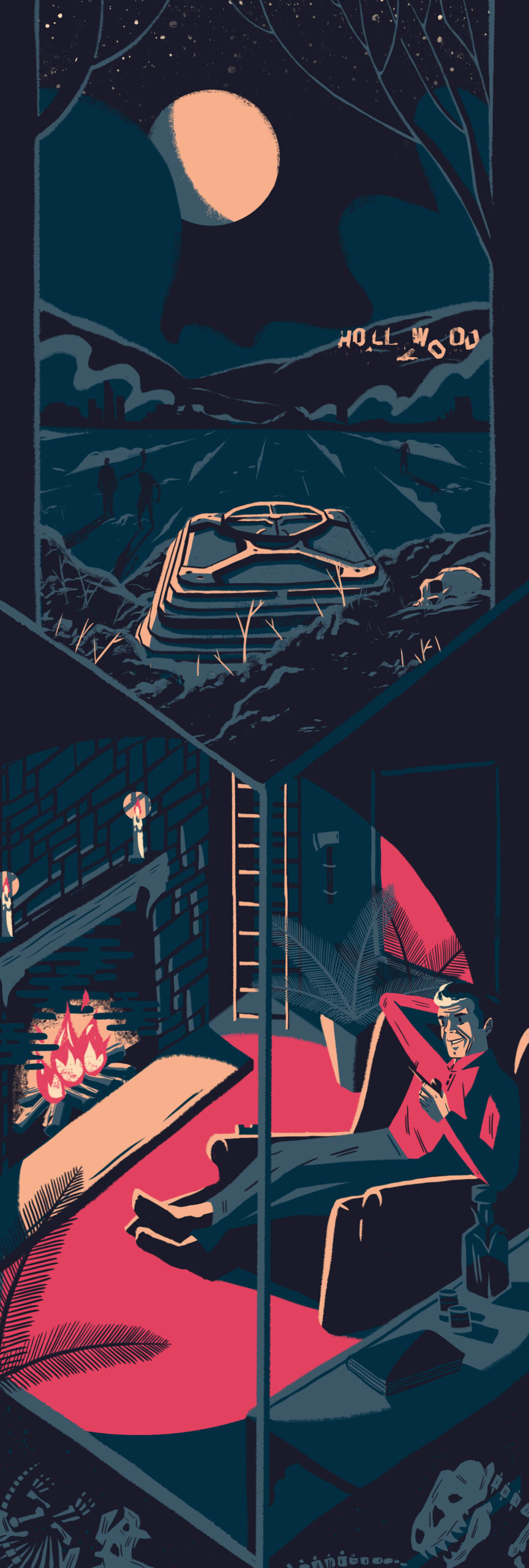
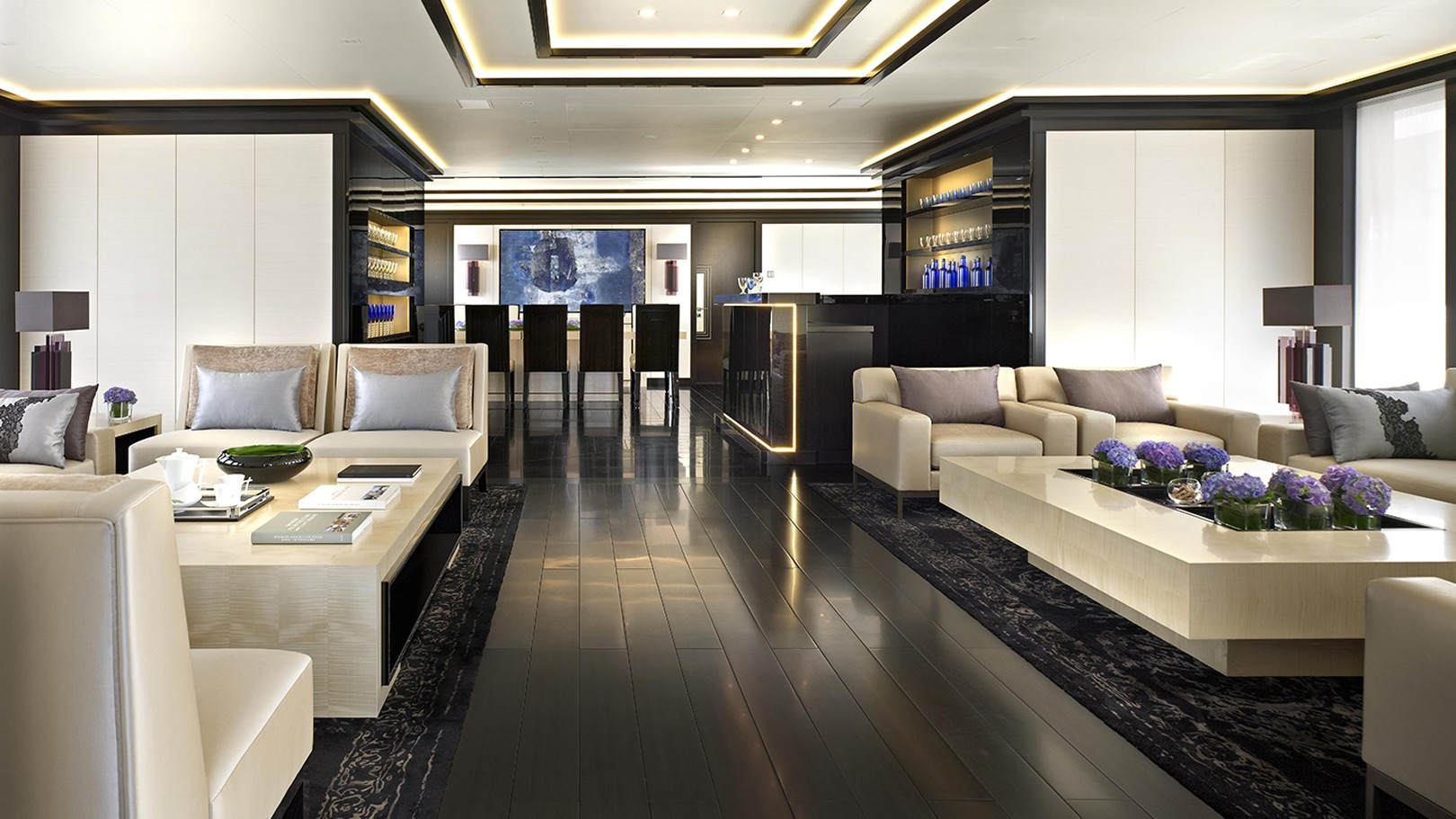
Renderings provided by Vivos of its xPoint bunkers depict lavish man caves with billiards tables, plush leather couches and LED “windows” that display lifelike outdoor scenes in lieu of actual sky and sunlight. At the moment, however, those bunkers aren’t much more than 13-foot-tall concrete caverns outfitted with thick steel blast doors and ventilation shafts; lessees are given a clean slate to decorate as they see fit, or however their budget will allow. Suggested floor plans portray bunkers with anywhere from two to seven bedrooms, with indoor gyms, gardens and theaters in between.
But for all of the comparatively low-cost post-apocalyptic housing options, there are just as many high-end options for riding out disaster in comfort—and developers are counting on VIPs to help grow the market.
A model condo is slated to open at Trident Lakes in October, followed by a phase-one rollout for what Whitt calls “A-list” clients—“your celebrities, your pro athletes, your real estate moguls”—in the first quarter of 2018.
Whitt says that one sports figure, whom he declined to name, had already expressed interest in purchasing four connected units covering 7,200 square feet and priced at $2 million, not including optional nuclear-alarm bells and whistles. Vicino says that “an actual princess,” whom he also declined to name, was already a Vivos member.
Lynch of Rising S says that he’s installed bunkers for movie stars, self-made business owners, professional athletes and politicians. “I guess there’s no harm in telling you that I’ve got a couple members of Congress—probably more members of the Senate than any other branch,” he says. “It makes you scratch your head, you know? When you see certain people buying shelters it makes you think, ‘What do you know?’”
And while Rising S does offer financing, Lynch says that most of his customers are paying cash—and they’re buying bunkers that are far bigger than the economy model. The highest seller, a 500-square-foot bunker, runs around $125,000, not including optional amenities like composting toilets, pepper spray portals, NBC (nuclear, biological, chemical) air filters, and escape tunnels.
That’s just to start. Rising S clients have requested everything from indoor gyms to gun ranges and bowling alleys. And yes, Rising S will even install underground horse stables for your prized thoroughbreds. (Four Horsemen, take note.) The company’s most lavish floorplan is The Aristocrat, priced at $8.35 million, which sleeps at least 50 people and includes an indoor swimming pool, jacuzzi, sauna and greenhouse. “We custom-tailor your bunker to your individual needs,” Lynch says.
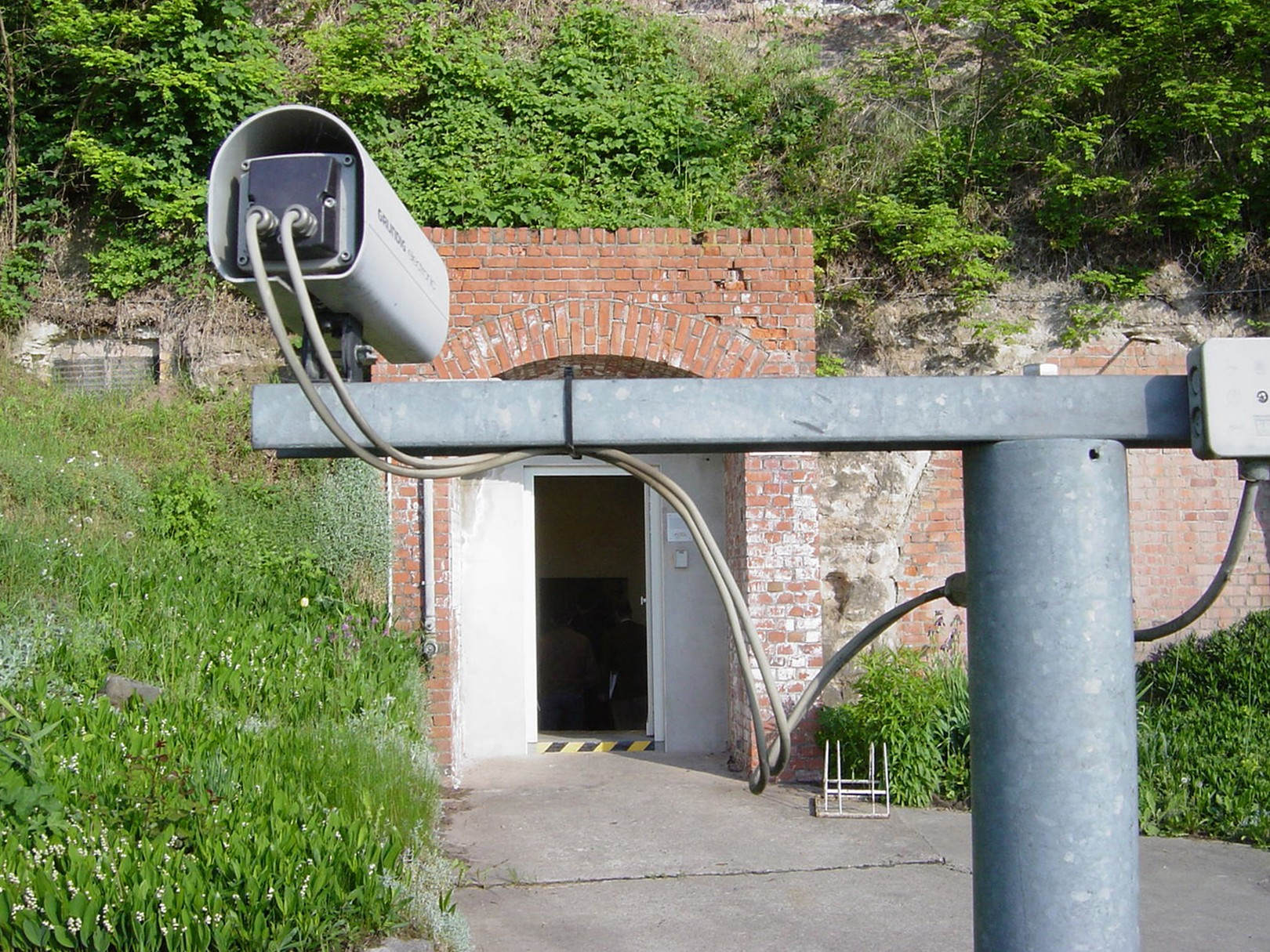
As far as safety features, Lynch claims that the Mini Bunker will protect you just as well as the Aristocrat. The thick steel shell has been designed to withstand projectiles above ground, and NBC filters keep the air clean when you’re down below. Owners can opt to install blast valves that protect the interior from sudden air pressure changes in the event of a nuclear explosion or other large detonation. Escape hatches, surveillance systems and one-way bulletproof glass that allows you to safely return fire are all extra, too.
Similarly, the bunkers at Trident Lakes and Vivos xPoint are merely blank canvases for their occupants to build upon. Optional home theaters, terraces, gardens and 4K TV hookups make the end of the world sound more like Million Dollar Listing than Mad Max. After all, what’s the point of surviving an extinction-level catastrophe if you have to share your post-apocalyptic slice of what used to be America with a bunch of Cronenbergs sliming around?
“It’s definitely indicative of a growing market—one where people with a lot of money think that there’s a lot of people with a lot of money who want luxury bunkers,” says Jeff Schlegelmilch, deputy director at the National Center for Disaster Preparedness at Columbia University. “Of course, the irony of it is that if you’re going to invest $100 million in a luxury bunker community, you need enough people who think the world’s gonna end, but you need the world to not end in order to recoup your investment.”
“Bunkers are being marketed with the idea that society will cease to function after a catastrophe.”
The problem with this trend, from an emergency management standpoint, is that bunkers are being marketed with the idea that society will cease to function after a catastrophe. “They’re trying to keep the world out for a much longer period of time, rather than be part of that recovery and be part of that rebuilding of it,” Schlegelmilch says.
“To a certain extent, this bunker mentality becomes a self-fulfilling prophecy,” he adds. “If people aren’t engaged in the recovery of their communities, their community won’t recover. And the more polarized we are—the more we pull away from society—the more challenges there are to reconstitute it.”
Schlegelmilch says that emergency management agencies are now examining how fostering resilient communities can be just as important in a crisis as delivering fresh water. “Even in the smallest disasters, it’s neighbors helping neighbors.”
That’s not to say that the post-apocalyptic monied class can’t be neighborly. At Trident Lakes, potential buyers are sent a detailed questionnaire about their professional backgrounds, education, finances, and skills that could be useful in a time of crisis.
“It’s not just a hole to hide in by yourself,” Whitt says of the condo-bunker. Building a community is a critical aspect of Trident Lakes, he argues, with each resident “having a role and serving that role” when in need. To that end, Trident Lakes also plans to offer customized financing to make its condo-bunkers available to people of all socioeconomic backgrounds, provided that they have desirable skill sets.But how does one plan for the unknown, especially on a scale this grand?Citing security concerns, Trident Lakes wouldn’t go into detail about how it might deal with, say, thousands of people swarming its gates during a major catastrophe. After all, the complex is only a 90-minute drive from Dallas, and its location has been well-publicized.“We have a very detailed security plan and we have a very detailed protocol,” Whitt says. “And come hell or high water, it will be followed.” Meanwhile, Vicino of Vivos appears more concerned about a cosmological catastrophe than someone setting off a few nukes here and there.
“I think it’s a natural event that’s coming,” he says, explaining in detail the history of a contested theory known as Planet X, in which the Earth will be either destroyed or irreparably damaged by a collision or near-collision with a passing planet-sized object. Indeed, even the Vivos media kit makes a reference to threats from “major Earth changes from what is believed to be Nibiru/Planet X.”
Of course, even a bunker with a military-grade air filter won’t protect anyone from a heavenly mass crashing into our planet. But realistically, bunker companies are selling a sense of security—not a solution to every known unknown. Even emergency management agencies have trouble looking beyond the immediate aftermath of a cataclysmic event. Schlegelmilch says that only about one-third of American households are adequately prepared according to FEMA and Ready.gov standards, which involve keeping 72 hours’ worth of food and water, and a go-bag in the event you need to flee.
“Even now, there’s planning for a nuclear detonation in a major city,” he says of agency efforts. “But it sort of stops after the immediate evacuation and medical treatment—we don’t start asking questions about how do you deal with millions of refugees that couldn’t go home, how would they be absorbed into schools, how would they be absorbed into the economies of other communities.”
To him, these questions are more pressing than where to put the 4K TV in your subterranean bunker, or whether a planetoid is going to smash the Earth to bits. “There’s a lot of different things to be afraid of,” Schlegelmilch says, “if you’re looking for that sort of thing.”