Your bag is empty.
A conversation with the leaders of NNAF and TEA Fund on the intersectionality of abortion access, the impact of the Covid crisis and the toxicity of misinformation in America

Although Roe v. Wade was decided nearly 50 years ago, people seeking abortions in America still often face significant hurdles. The National Network of Abortion Funds, a member-based coalition of grassroots organizations, is committed to removing those barriers to access. On an individual level, this means paying for abortions and helping people receive care; on a macro level, it means working to dismantle the systemic inequalities that make NNAF’s work necessary.
Donald Trump’s presidency made it clear that Americans live in a dramatically bipartisan society shaped by the pervasive spread of misinformation. Opinions surrounding abortion often reflect this divide. As we approach the 48th anniversary of Roe v. Wade, and with Trump’s legacy of conservative-packed courts sure to have long-term consequences, it is clear more than ever that stakes are high for American rights and equality. No topic exists in isolation, and reproductive rights are inextricably linked to other civil rights issues, including health care access and racial and economic justice. As a result, NNAF and its members are fighting for cultural change in part by building communication across communities to uplift those most affected by the ongoing legacy of America’s systems of oppression.
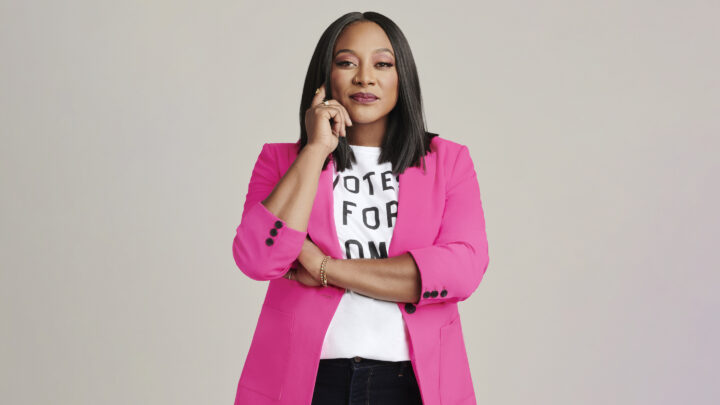
Playboy sat down for a virtual conversation with Yamani Hernandez, executive director of the National Network of Abortion Funds, and Kamyon Conner, executive director of the Texas Equal Access Fund, an NNAF member organization. We discussed the intersectionality of abortion access, the impact of the Covid crisis and what you can do to get involved.
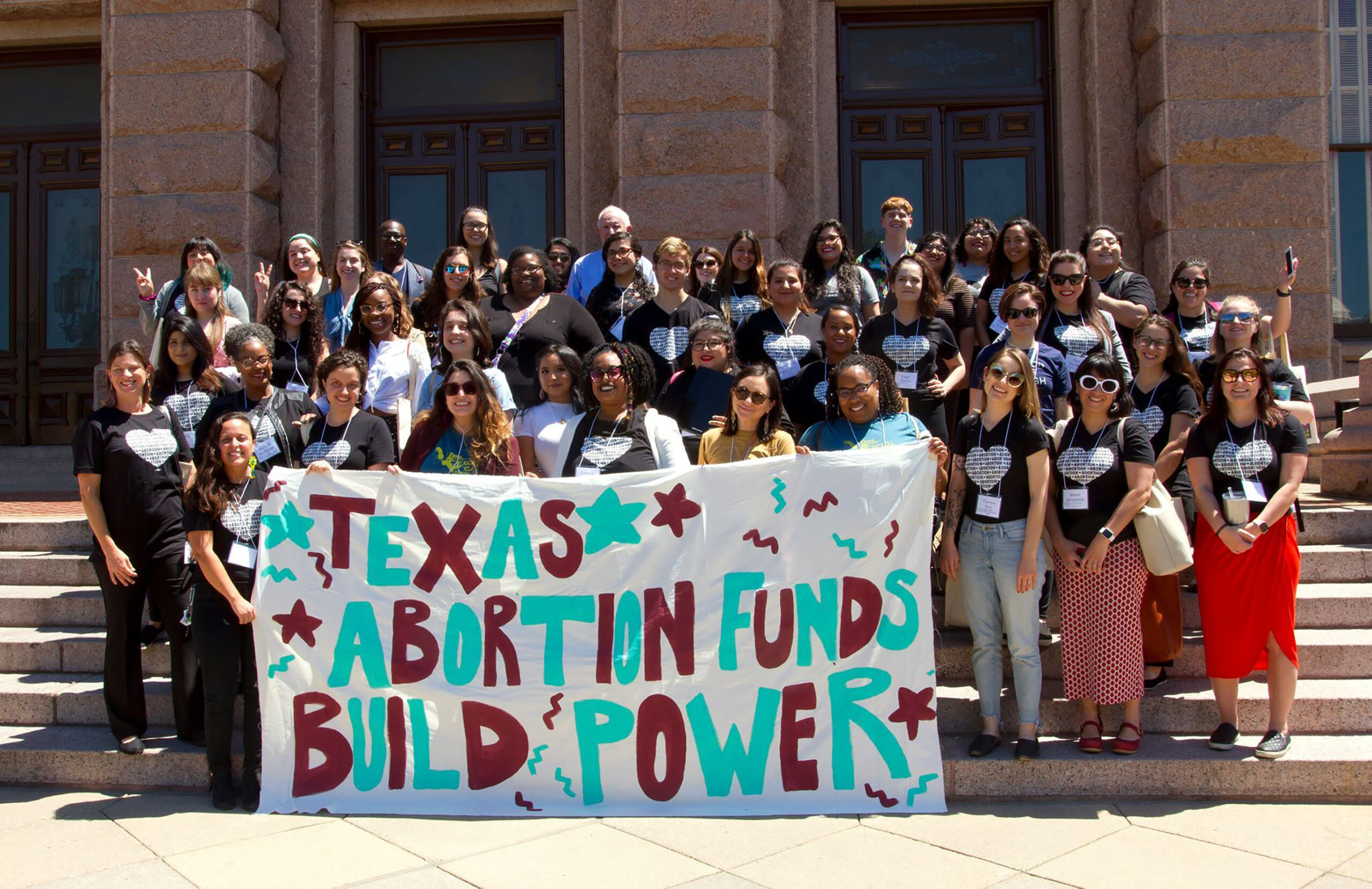
PLAYBOY: Intersectionality is at the core of your work. How do your foundations help those most affected by state anti-abortion laws and restrictions?
CONNER: One of the main things is that we listen to the people we serve. It’s so important that we have a social worker who contacts the folks we serve to learn more about what they’re experiencing. We created a PATH [Post Abortion Treatment and Healing] group because many people told us they felt like they were the only person they knew who had an abortion.
Abortion funds in general are uniquely poised and skilled at supporting people in whatever region because we are of and from the communities in which we serve. We use our lived experiences to support the people we serve.
HERNANDEZ: Intersectionality is really about the ways that oppressions compound each other. So the same person who is seeking an abortion and unable to access it because they can’t afford it is also often navigating a housing crisis and unable to afford their rent. Or they may be already parenting and unable to afford childcare or have access to food.
PLAYBOY: What are common misconceptions about abortion funds and abortion itself?
HERNANDEZ: People often think abortion funds can somehow shoulder the brunt of every shortcoming. In reality, we don’t have public funding for abortion. We don’t have clinics in 90 percent of counties [in the U.S]. The NNAF is a heroic group of people who are doing amazing work, and they’re doing it with very little. We’re really trying to help resource abortion funds so they have more to work with, while also working toward policy change.
CONNER: People don’t understand how inaccessible abortion is. They think, Oh, it’s legal, anyone can get it. They don’t realize there is no insurance coverage; everyone’s paying out of pocket. They don’t consider that people in Texas typically have to travel far for access. And Texas has done a great job of spreading abortion misinformation. A poll we conducted indicated that 43 percent of Texans either think abortion in our state is illegal or they don’t know whether it’s legal. Thinking that it’s illegal, or that it’s not accessible at all, is also a huge misconception.
Another misconception is that people of faith and people who support abortion are mutually exclusive groups. A lot of people of faith are pro-abortion.
We count on the Supreme Court to protect our rights, not diminish them. It’s a really disturbing time that we are moving into.
PLAYBOY: Who seeks out abortion? Media often portray teens as the most in need, but what are the actual statistics?
CONNER: At TEA Fund, 52 percent of our callers are already parents. That’s another reason we try to put abortion in the context of broader health care issues and concerns. People also think birth control is totally accessible to everyone, and that’s not the case. There’s a narrative that people who have abortions are anti-children or anti-family. But the data show that most people who have abortions are already parenting and are making decisions about how to be the best parents they can to the children they have. It counters the narrative of supposed irresponsibility; in fact it’s quite the opposite.
PLAYBOY: On January 12, the U.S. Supreme Court reinstated a requirement that people seeking medication abortions pick up their prescription in person, which is a particularly dangerous ruling in the midst of a pandemic. How has Covid-19 broadly and specifically impacted your work?
CONNER: Our clients were the same people walking into empty grocery stores, losing their jobs, being furloughed—and then having their elected officials tell them that the essential health care they need is not possible. In Texas, we face harsh restrictions around abortion. And we felt like officials could have taken steps to make abortion more accessible: allow the state to consider it central health care, waive mandatory waiting periods, allow for telemedicine for medication and counseling around abortion. Those are some of the things they could have done to assist in this time, and they did not.
HERNANDEZ: That’s a great description of what is happening on the ground during the pandemic. People have lost jobs. People have lost childcare. Even our safety net of people who are supporting people really need help themselves. That has made it an even harder time to do the work. People have not been able to gather for our fund-raising events, which means we didn’t raise as much money across the network.
CONNER: Another impact of Covid is that clinics in our area won’t allow a support person to go in with folks for their abortion appointments, so people are going to clinics and having their procedures alone. We started a text line so that people can text us any questions they have and any barriers they’re navigating. We also created a virtual clinic-companion program that allows folks who are at the clinic to text someone who’s been trained in compassionate care to respond to them, keep them distracted or talk to them and answer their questions while they’re waiting for their procedure inside the clinic.
PLAYBOY: Given Democratic control of the White House and Congress but a conservative-leaning Supreme Court, what do the next few years mean for reproductive justice in America?
HERNANDEZ: Having a potentially more progressive administration and less hostility toward abortion could, in an ideal world, open up more access. And we also know that Amy Coney Barrett’s Supreme Court appointment puts abortion access at greater risk than it’s ever been. I know the anti-choice community views this as a time when they can strip as much legality for abortion as possible. We count on the Supreme Court to protect our rights, not diminish them. It’s a really disturbing time that we are moving into.
CONNER: We had a breath of relief when Joe Biden was elected, but we also know that from a state perspective, there’s a lot of work to be done. But our polling information is encouraging. We learned that 63 percent of Texas voters support Medicaid coverage of abortion, which is amazing. And 84 percent of Texas voters across the political spectrum, including 75 percent of Republicans, agree that anti-abortion politicians shouldn’t be able to deny people coverage of abortion care just because they’re working to make ends meet or they’re low income.
HERNANDEZ: Aside from abortion legislation, we have a broader policy agenda that includes thinking of the whole person and issues of compounding oppressions. We are getting more deeply into the fight for economic justice, living wages and worker protections for those who call abortion funds. We’re also navigating some of the criminalization pieces that cross not just abortion, but also pregnancy and pregnancy loss and self-managed abortion, and also generally just being a person of color or a Black person in this country at all. We see these things as being closely linked and are going to be working on all of them.
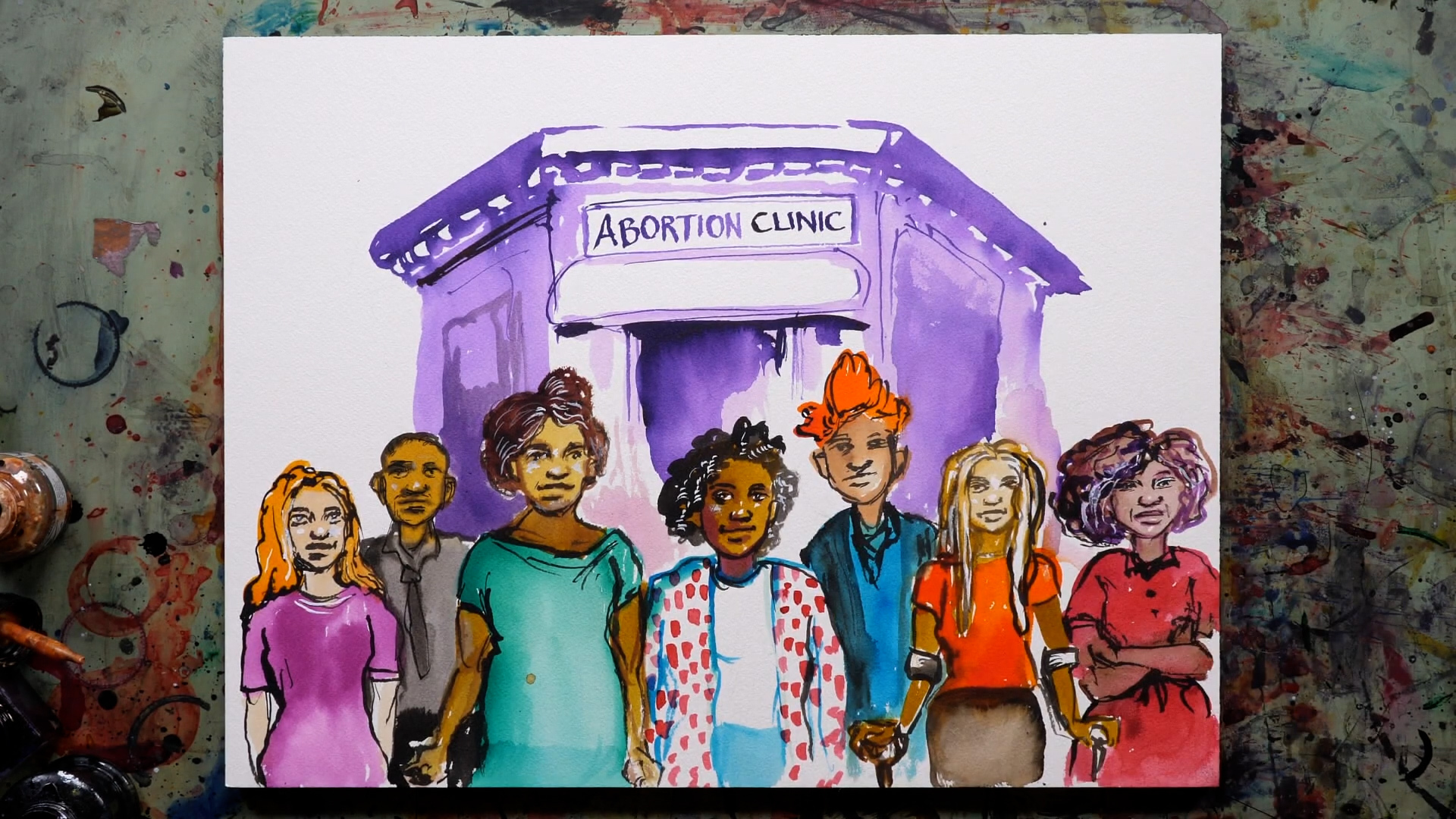
PLAYBOY: Why have most conservatives taken an anti-abortion approach?
HERNANDEZ: It’s hard for me to put myself in their shoes, but I feel that they literally don’t consider a person as a whole. They’re not seeing people as people, not seeing what they have to navigate in their lives. One of the biggest things is being able to have compassion and sympathy for what another person is going through.
CONNER: We are in a time when it’s painfully obvious that there is a population of people who are not interested in facts. They’re not interested in science. They’re interested in lying and manipulating. That happens from a very young age in that population. They take children to abortion clinics and have them stand outside and jeer at people trying to access health care. They’re radicalizing people at a very young age. We see these same conservative communities being pro–death penalty. I am not in a position to say why or how that makes sense to them.
There’s also an intersection between white supremacy, violence, conservatism and being anti-abortion. All of those things seem to go together, and I think that is deeply concerning.
HERNANDEZ: The truth is that abortion has existed for as long as pregnancy has existed. If you actually tell that truth, there is a very different story to tell children, to tell each other, to talk to each other about, as a fact of life.
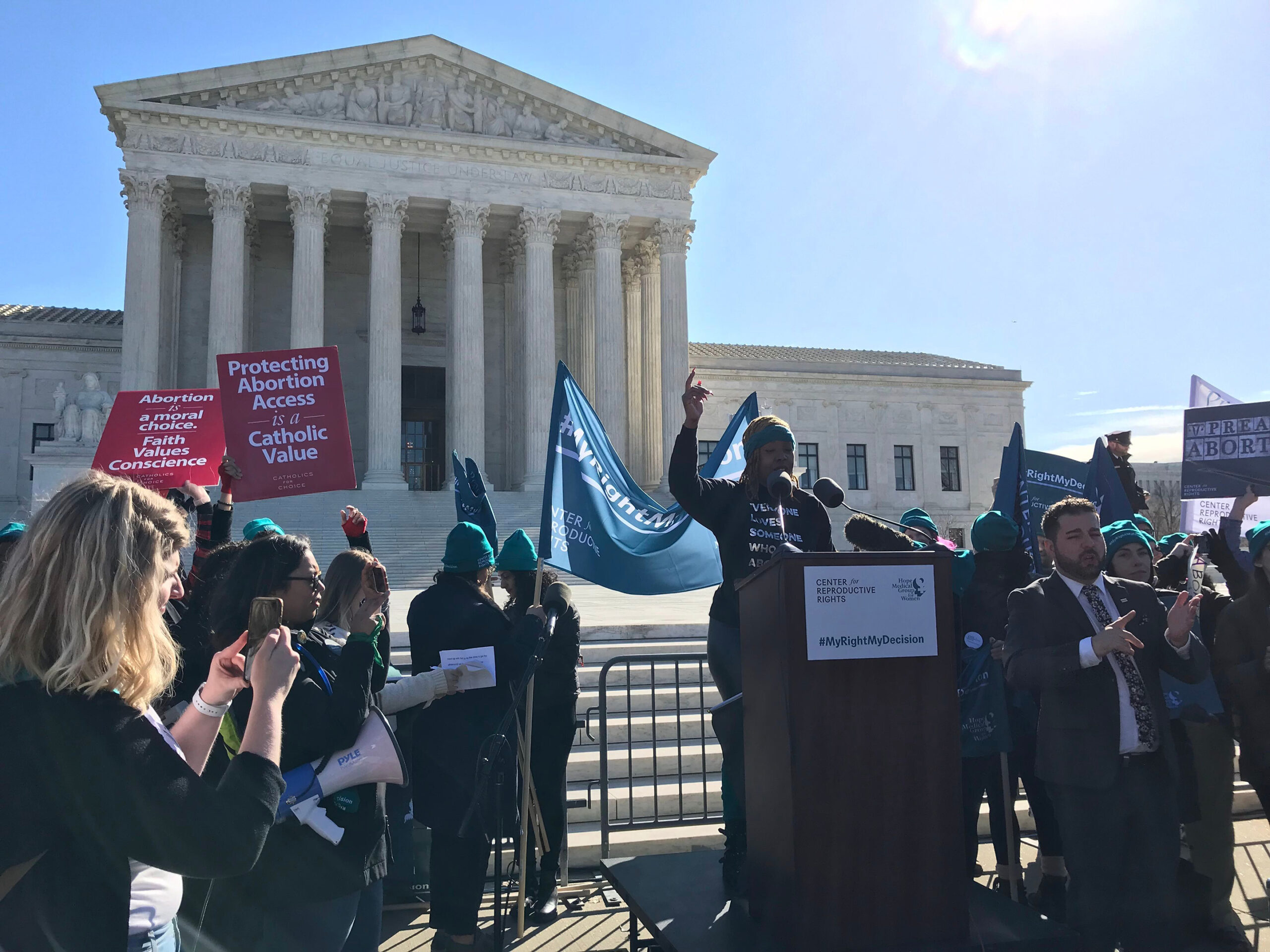
PLAYBOY: Is the conversation around abortion changing? What gives you hope?
HERNANDEZ: I think it has changed for the positive in some regards. We have had a huge influx of abortion storytelling over the past five to 10 years. That adds a lot of detail and nuance to why people have abortions. There have also been a number of campaigns, like the One in Three campaign, that have worked to normalize abortion.
CONNER: I think this is the first administration I’ve ever heard actually say something about ending the Hyde Amendment [which bars federal funding for abortions]. People who previously might not have known about Hyde or that abortion funds even existed are now talking about them.
People can look to abortion funds as a way to actually provide service and compassionate care. It’s remarkable that in 2020, our PATH group membership grew 120 percent. People from outside Texas were contacting us to be a part of it because it was now virtual and they needed a sense of community. And the model around leadership in abortion funds—people who have had an abortion; Black, indigenous and people of color; people of all kinds and all different genders—gives me hope.
HERNANDEZ: I get really inspired by abortion funds all the time. Abortion funds’ budgets have grown considerably over the past five years. People are increasing their investments in abortion funds, and it’s sorely, sorely needed. I’m looking forward to abortion funds getting stronger, having more resources, being able to serve more people and getting louder and more powerful.
I’m really hopeful about the organizations that are working to get comprehensive sex education in the states and working with school boards. Generational change happens with young people. Knowing they’ll grow up and take action on the truth gives me hope.
This conversation has been edited for length and clarity. Learn more about the NNAF and the TEA Fund—including how to get involved by joining, donating and volunteering—and about abortion funds in general.
Editor’s note: Playboy has previously donated to the NNAF but otherwise has not provided any other benefit or consideration to NNAF in writing this article.