Your bag is empty.

Between legalization, social justice and access for veterans, cannabis reforms are pushing boundaries in 2021
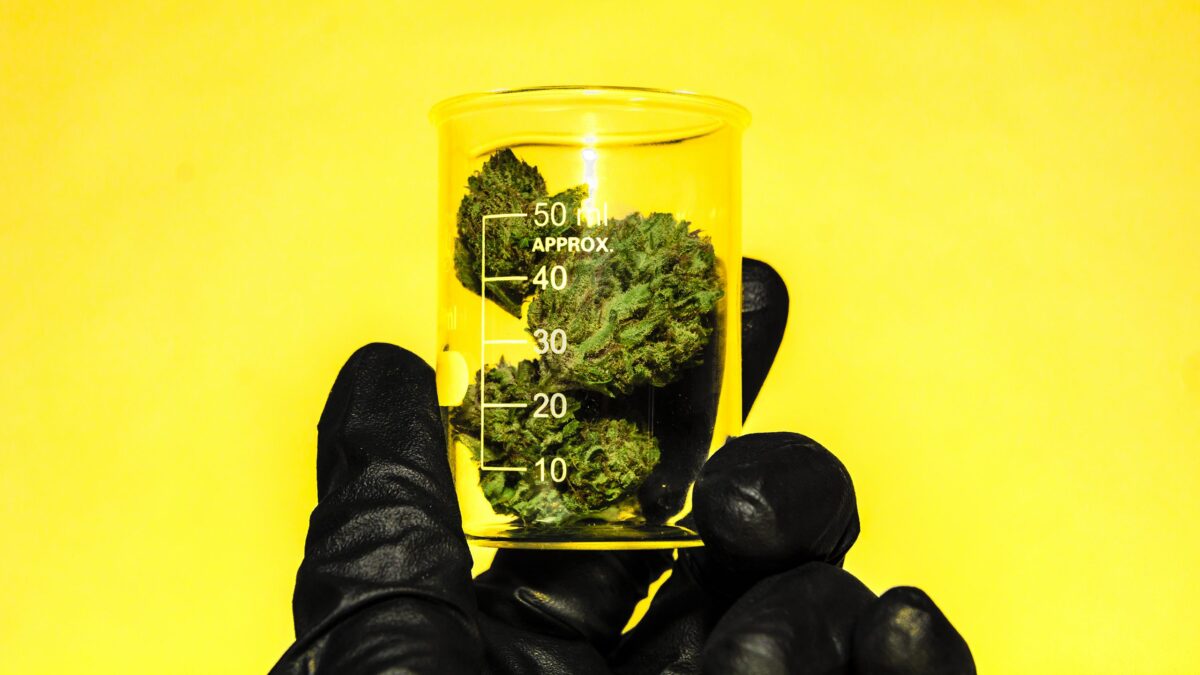
Last year was an eventful one for cannabis in the United States. At the onset of the pandemic in the spring, dispensaries were deemed essential businesses in more than a dozen states, causing consumers to race to stock up on supplies. In the fall, record-breaking wildfires brought on by the effects of climate change jeopardized the crops and livelihoods of growers in California, Oregon and Washington. As a result, harvests were delayed, crops were smaller than previous years and smoke in the air caused budding flowers to take on a smoky taste. Yet consumers spent consistently on cannabis throughout the year, showing that weed is not only recession- and pandemic-proof, but also, for many, truly essential.
States across the country also passed cannabis-related legislation in 2020. In February, the New Hampshire Senate passed a bill allowing medical marijuana patients to grow their own weed, and in May, Virginia decriminalized marijuana possession up to one ounce. In November, Americans weighed in on various cannabis measures in what turned out to be a historic year for cannabis legalization.
So what does this mean for cannabis consumers and cultivators in 2021? Read on to get the full breakdown of cannabis reforms happening throughout the country.
Although the 2020 elections were contentious, Americans in five states largely agreed on one thing: cannabis. In the five states where cannabis initiatives were on the November ballot—Arizona, Montana, New Jersey, South Dakota and Mississippi—all proposals were approved. Voters in Arizona, Montana, New Jersey and South Dakota passed initiatives legalizing marijuana for adults over 21 years old, while Mississippi and South Dakota approved medical marijuana measures.
In a historic vote a month later, the House of Representatives passed a bill that would have decriminalized marijuana at the federal level. The Marijuana Opportunity Reinvestment and Expungement Act, or MORE Act, would remove marijuana from the list of scheduled substances under the Controlled Substances Act and eliminate criminal penalties for manufacturing, distributing or possessing marijuana. The bill would also require the allocation of funds supporting businesses and communities impacted by the war on drugs and provide access to medical cannabis for veterans. Though the bill stalled in the Senate, advocates are optimistic that between the widespread approval of state-level ballot initiatives and the House’s passage of the MORE Act—which marked the first time Congress has ever voted on the decriminalization of cannabis—the stage is set to approach legalization in a meaningful way in 2021 and beyond.
“The big takeaway from Election Day was that no one can say that this is an issue that is confined to deep blue states or coastal states,” says Erik Altieri, executive director of the National Organization for the Reform of Marijuana Laws (known to many as NORML). “It’s truly an issue that’s supported across the country. These victories at the state level provide upward pressure on our federal officials.”
Legalizing marijuana in and of itself doesn’t end systemic racism, but it takes a huge tool out of the system’s toolkit that is being used to oppress Black and brown Americans.
Cannabis reform has often started at the state and local level, with criminal justice and mental health care programs. Now that a third of the country’s population lives in states where cannabis has been legalized, however, the pressure is on federal lawmakers to bridge the divide between local and national laws and the attitudes of constituents. (According to a recent Gallup poll, 68 percent of Americans are in favor of legalization.)
“The old saying that the states are the laboratory of democracy really rings true here,” says Steve Hawkins, executive director of the Marijuana Policy Project. “This is a very classic example of the fact that change rarely comes from Washington. It normally comes to Washington, and that’s where we are.”
As cannabis legalization spreads, previously reluctant lawmakers will likely become more supportive of cannabis reform, Altieri argues. This year a third of the House and more than a quarter of the Senate will represent states where cannabis is legal. Politicians in neighboring states may follow their lead. For example, lawmakers in New York and Pennsylvania are feeling the pressure to legalize adult-use cannabis, lest they lose business and tax dollars to New Jersey. “I [can] see 15 legal states turning into potentially 20 legal states next year,” Altieri says. On a global scale, legalization in Canada and potentially Mexico also puts the U.S. in a position to follow the momentum of countries worldwide, Hawkins says.
Federal marijuana arrests continue to persist. In 2018, 40 percent of drug arrests were for the possession, sale or manufacture of marijuana (more than any other drug, according to a Pew Research Center analysis of FBI data). In 2019, that rate dropped slightly, to 35 percent. It is important to note that drastic racial disparities emerge with consistency among these arrests: A Black person is more than three times as likely to be arrested for marijuana possession than a white person, according to the ACLU’s 2020 report A Tale of Two Countries: Racially Targeted Arrests in the Era of Marijuana Reform.
Central to many legalization initiatives—including the MORE Act and Arizona and New Jersey’s legalization bills—is the need for social equity and restorative justice programs. In Arizona, people with minor marijuana convictions can have their records expunged, and the state will reserve 26 licenses for business owners disproportionately impacted by the war on drugs. New Jersey’s bill creates a social equity excise fee whose funds will support social-good programs—like legal aid, drug rehabilitation and reentry for former prisoners—in communities impacted by disproportionate arrest rates and drug charges. As more states legalize cannabis, social justice and equity continue to emerge as essential aspects of the decriminalization process.
“Legalizing marijuana in and of itself doesn’t end systemic racism, but it takes a huge tool out of the system’s toolkit that is being used to oppress Black and brown Americans,” Altieri says. “In the early days, state lawmakers would typically focus on things like revenue, but now, just as equally, if not more prominently, they’re talking about the issues of racial justice and of mass incarceration.”
This year could see a landmark shift for veterans’ access to cannabis as well. Due to its federally illicit status, the Department of Veterans Affairs cannot prescribe medical marijuana to veteran patients, driving many to the black market. A 2017 American Legion survey found 83 percent of veteran households supported cannabis legalization, and 92 percent were in favor of additional research into the efficacy of medical marijuana. Should the MORE Act eventually become law, Veterans Affairs doctors could recommend medical marijuana to patients in states where medical use is legal.
Just as in the wider population (as seen by support for state-level cannabis initiatives and the House vote on the MORE Act), the veteran community has seen a decrease in the stigma around cannabis use, says Doug Distaso, executive director of the Veterans Cannabis Project. Distaso has heard firsthand accounts from vets about the plant’s apparent therapeutic properties. Those anecdotal accounts are backed up by studies that have shown cannabis to relieve symptoms of PTSD, anxiety, insomnia and pain.
With a new secretary of veterans affairs appointed by Joe Biden, Distaso hopes for more research into cannabis’s medicinal benefits, especially as it pertains to veterans.
“About nine million [veterans] get our health care from the Veterans Administration, and there’s no real mechanism to discuss the health concerns of cannabis and why it’s helping or how it’s helping,” he says. “Every state that legalizes [cannabis] helps end the stigma.” Moreover, Distaso says, cannabis provides an alternative to potentially harmful prescription drugs for many veterans who are struggling with physical and mental ailments.
Although the outlook for legal cannabis is optimistic, challenges remain. Politicians resistant to reform hold the keys to federal legalization, Altieri says. Proponents must build on the momentum of recent victories and continue to rally support and invigorate organizers, donors and, eventually, lawmakers.
“Just because things are going in a positive direction doesn’t mean that things can’t stall,” Hawkins says. “This is not the time for anybody to take their foot off the gas. This will require a dedicated group of people who are going to put their time and energy and effort into it.”