Your bag is empty.
An exclusive excerpt from *Dolls! Dolls! Dolls! Deep Inside Valley of the Dolls, the Most Beloved Bad Book and Movie of All Time*
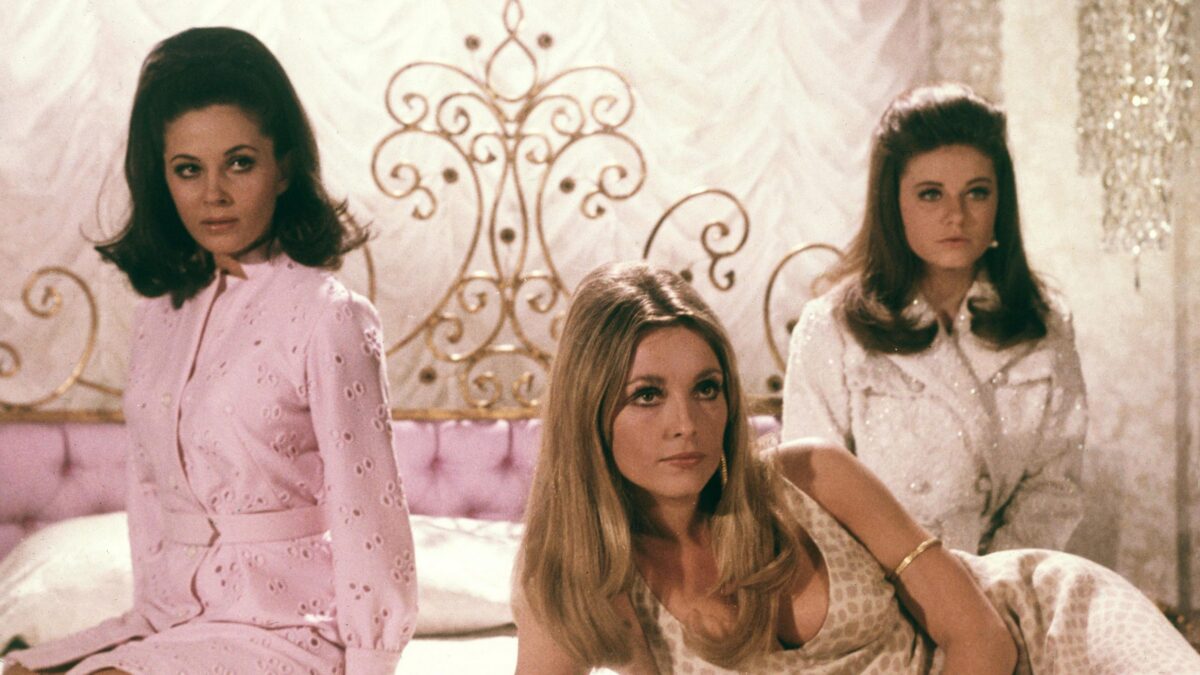
Premiering on December 15, 1967, Valley of the Dolls is a masterpiece of American kitsch. But it has something in common with masterpieces you laugh with instead of at (if you laugh at all): It has evolved in tandem with an ever-diversifying fan base and maybe even changed a few lives along the way.
Sharon Tate, Barbara Parkins and Patty Duke star as three women ricocheting between New York and Hollywood in search of romantic and professional fortunes that mostly elude them—especially the fiercely ambitious Neely O’Hara, played by Duke. Just 21 years old at the time of the film’s release, Duke had already won an Oscar for her portrayal of Helen Keller in The Miracle Worker, led a sitcom on which she played identical cousins and survived unspeakable abuse and exploitation at the hands of her guardians. Duke brought the furious talent and struggle of her early years to the Dolls set, but the resulting film wasn’t what anyone expected when it was conceived.
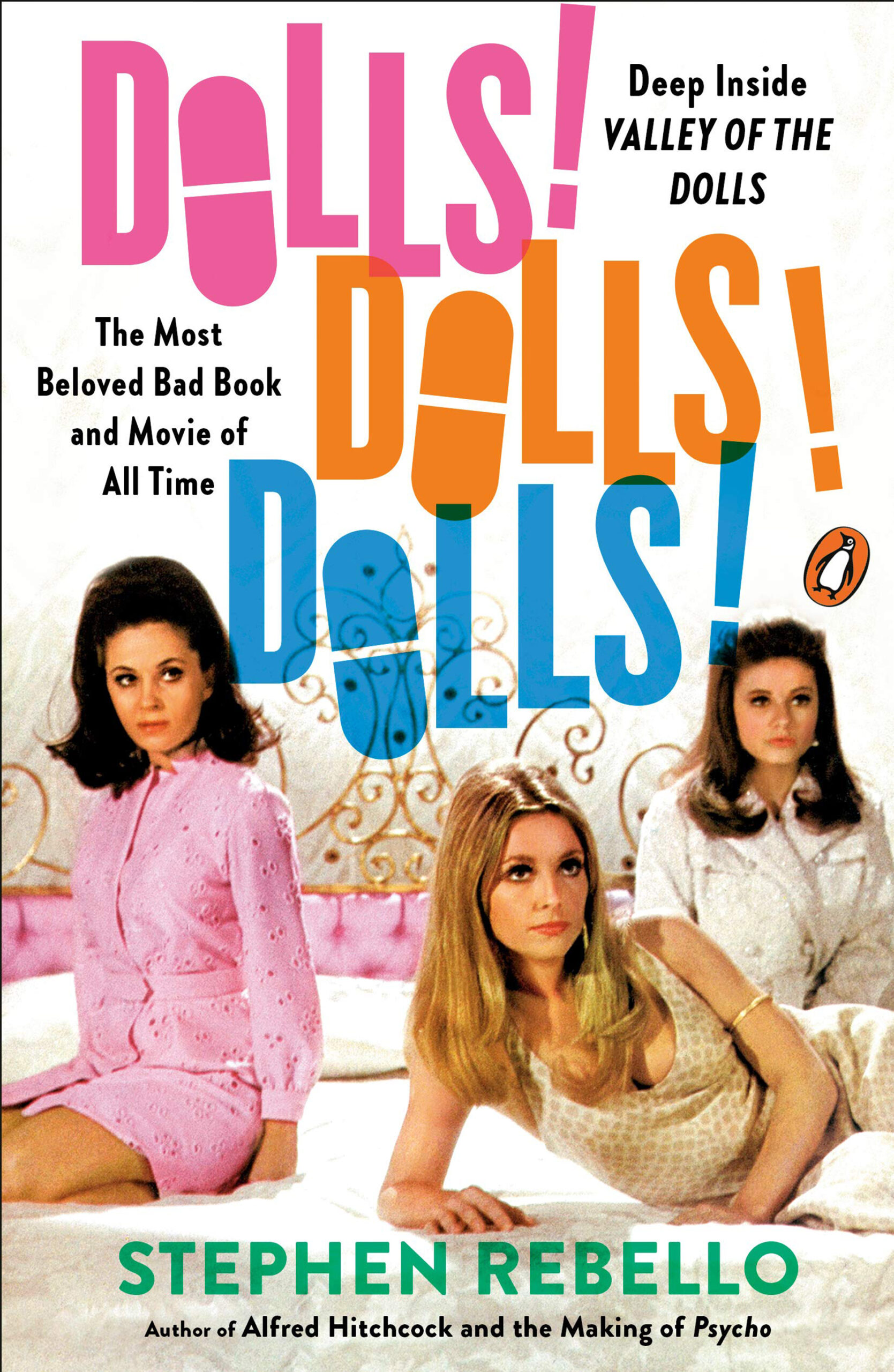
June 2 sees the release of Dolls! Dolls! Dolls! Deep Inside Valley of the Dolls, the Most Beloved Bad Book and Movie of All Time. (The movie is based on Jacqueline Susann’s book of the same name; it has sold over 30 million copies.) Author Stephen Rebello, a screenwriter and PLAYBOY contributing editor who has conducted more than two dozen Playboy Interviews, tells the story of how an enormously ambitious movie that attempted to take on America’s splintering attitudes toward gender, sexuality and pharmaceutical-drug abuse turned into the stuff of midnight movies and endlessly quotable clangers such as “Ted Casablanca is NOT a fag…and I’m the dame who can prove it.”
But the story doesn’t end there. Dolls would go on to attract new audiences over the years—audiences who, as Rebello puts it, “laugh with love” and who do, in fact, find profound meaning and community in the Valley.
In this excerpt, Rebello recounts Duke’s first day of filming and the beginnings of her epic feud with director and co-producer Mark Robson. We’ll also hear about tensions between the three principal actors, Robson’s sadistic approach to directing and the perils of swallowing handfuls of sugary red lozenges meant to be pills—or, as Neely calls them, “dolls.”
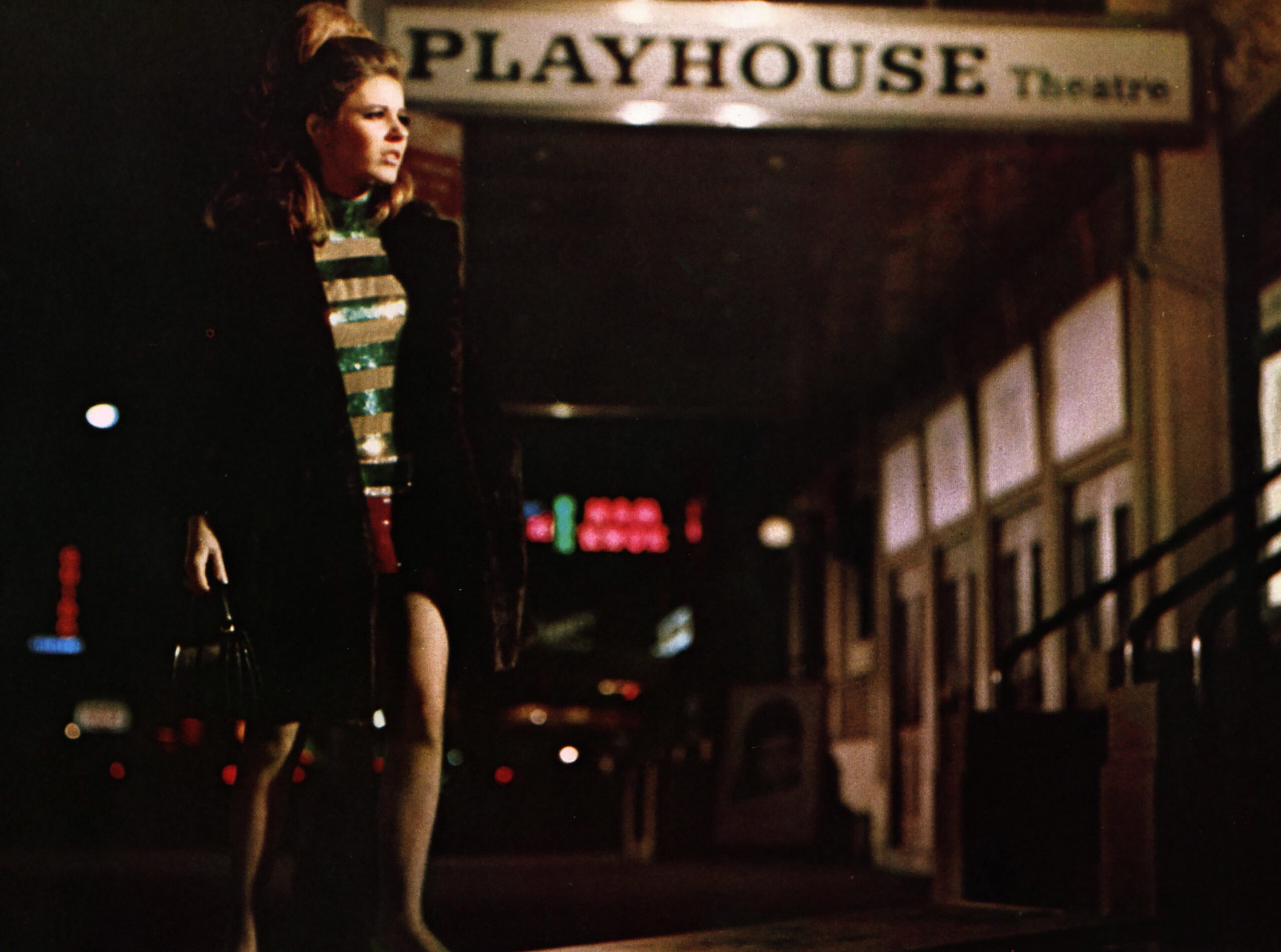
The night before Patty Duke’s first day of filming, she woke up screaming. It wasn’t the first time that had happened; it wouldn’t be the last. Still, on March 16, she and a limo driver braved the snowstorm and Duke climbed out at the Playhouse Theater, where from 1959 to 1961 she had starred in The Miracle Worker. Along with her considerable talent, in those days Duke brought major issues to the set. Her obsessive fear of death, for instance. For another, seething resentment for ex–guardians/managers John and Ethel Ross, opportunistic leeches who put her to work at the age of seven; changed her name; kept her away from other children; micromanaged her diet, grooming, and wardrobe; plied her as a child with alcohol and barbiturates; sexually molested her; and swindled her out of $1 million in earnings.
Then there were the effects of Duke’s chronic drug and alcohol use, her alarming mood swings and the multiple suicide attempts that led to psychiatric hospitalizations. Daily production notes indicate that makeup artists needed extra time to camouflage her bottom lip, broken out in an angry fever blister. Duke said, “One side of the lip was so much more voluptuous than the other; it looked dreadful.”
Her first shots required her to lurch and stagger from a bar to the theater across the street. Mark Robson called for a couple of retakes for technical glitches, and Duke mock-complained to him that as she stood in the bar awaiting her cue to exit, a horny male customer persistently kept trying to ply her with booze. At the time of filming, the featured production at the Playhouse was the generation gap comedy The Impossible Years; it was the final production to play there. Patrons pouring out after seeing the show might have been confused by the marquee and lobby posters that had been changed from “Alan King in The Impossible Years” to “Neely O’Hara in Tell Me, Darling.”
Duke got through the silent scene just fine. But she knew that the rest of the day and into the evening would be spent capturing moments that are among the few featuring all three young heroines together, despite how so much of the novel’s power and appeal stemmed from Jacqueline Susann’s interweaving of the lives of friends and frenemies. Coming out of makeup, it would be Duke’s first time being confronted by the movie-star sheen of two stunners, the sweet, beguiling Sharon Tate and the cool, reserved Barbara Parkins. Harboring deep insecurities about her diminutive height and physical appearance, how could Duke not feel a bit like teenage Judy Garland had while making Ziegfeld Girl, getting hit daily with double doses of the dazzle and lollapalooza of co-stars Lana Turner and Hedy Lamarr?
As if Duke’s plate weren’t already overflowing, after a decade of film and TV performances, a blockbuster run on Broadway, an Oscar win and fronting three seasons of her self-titled TV series, she was receiving second billing under newcomer Barbara Parkins, whose major claims to fame were sultry good looks, a knack for self- promotion and her well-earned popularity as the hottest thing on the TV pop culture phenomenon that was Peyton Place.
One of us is really working here and it sure as hell isn’t you.
That said, Duke had nabbed the film’s juiciest, showiest role, one for which Parkins herself had gone all out. For their part, how could Parkins and Sharon Tate not feel slightly apprehensive about sharing scenes with such an experienced, trained and acclaimed actor? As Cary Grant put it, in the sexist mind-set of his era, “Women who want to be actresses have a disease. Wanting to be a star is all-enveloping. It’s not a very feminine pursuit.”
These factors and more laid the groundwork for crackling tensions and insecurities that would play out throughout the filming, as each actress, in her own way, came out swinging.
Unlike the uneasy undercurrents in Duke and Parkins’s relationship, the tensions between Duke and Robson only grew stronger and more obvious during the course of the shoot. According to Duke, the director “complained about everything I did, and when he did, I’d just go to the crafts service table and put on weight.” Things came to a head more than once, but especially during a particularly grueling week of filming. On Tuesday, psychiatric-hospital nurses played by the single-named Ellaraino and Darlene Conley forcibly restrained her in a hydrotherapy tub. Duke, armed with firsthand experience of the horrors and abuses sometimes inflicted on patients in such hospitals, spent the day emoting at fever pitch.
But instead of Robson working closely with his keyed-up leading lady on a scene front-loaded with potential psychological triggers, the director delegated most of the filming to his assistant director, Eli Dunn. While Dunn put Duke through her paces on the soundstage, Robson was being interviewed in a nearby office by Michael Scott, the director-host of the Granada TV series Cinema.
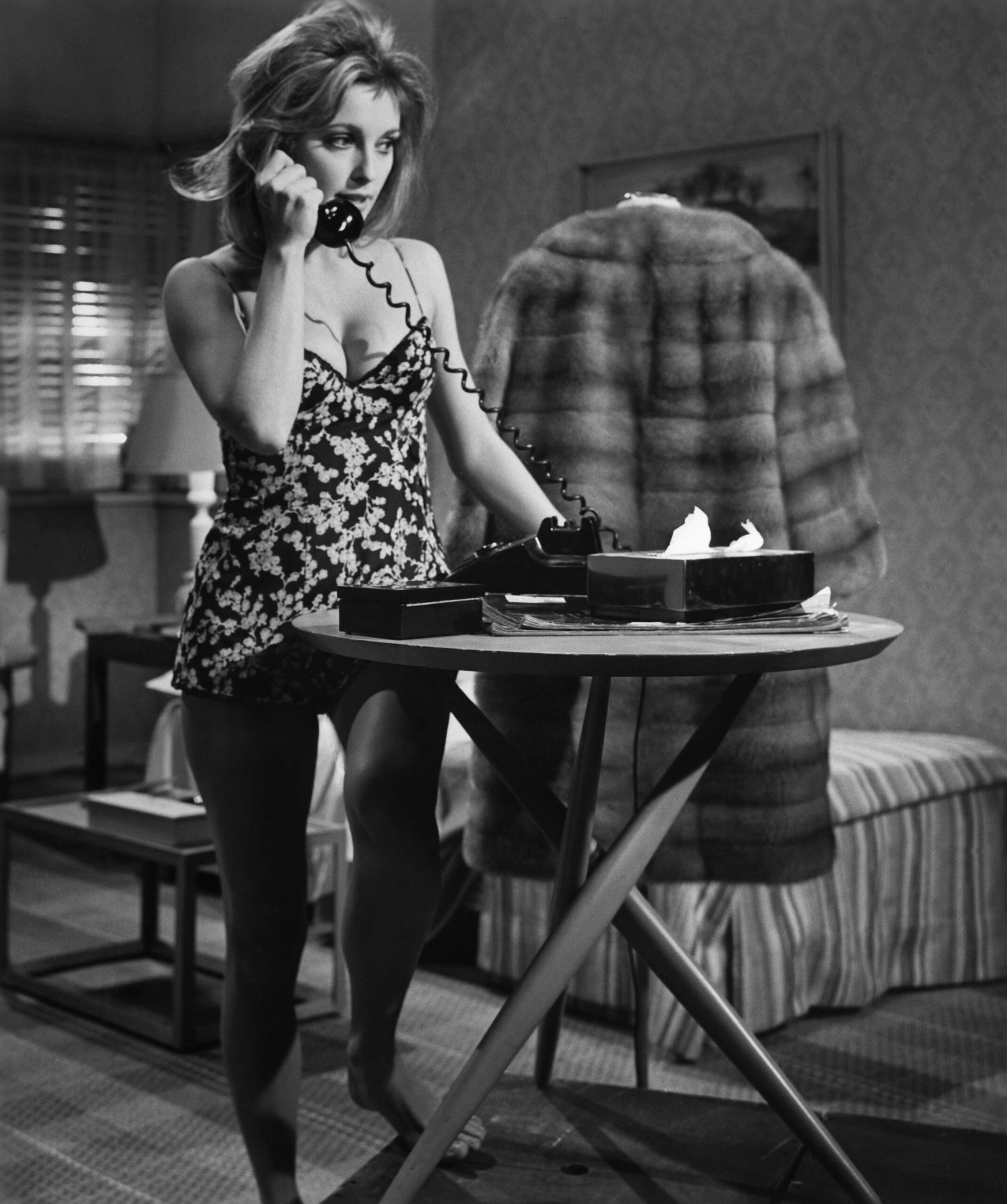
Scott, who described Robson as the “perpetrator” of Valley of the Dolls, recalled, “[Duke] had to scream and scream in the bath, and every time we were set to interview Robson, he had to rush out of the room to make sure she was screaming ‘properly.’” Eyewitnesses recall Robson later chiding Duke about playing the scene at half-mast: “You may have been able to do that when you had your TV show, but we’re really working here.” Duke fired back: “One of us is really working here and it sure as hell isn’t you.”
On Wednesday of that week Duke was filmed being accosted by a panhandler, and on Thursday and Friday, she had to weep for hours. Although she kept trying to assure Robson that the “good instincts” that guided her as a child actor were still in play, the director was dubious. Duke said, “[Robson’s] mentality was, ‘I have to get a performance out of these girls.’ I don’t know about anybody else, but you don’t have to get a performance out of me. I’ll give it to you. You can help me or you can hinder me, but you certainly don’t have to go get it.”
Duke had invested time and effort preparing for her role, altering her voice and walk, penciling red along the base of her eyelids until, she said, “it ran into my eyes and they were bloodshot.” She said, “I went to bars and watched confused, tormented people full of self-pity and wondered how they got to be that way. I thought of my own life, how I used to feel sorry for myself. Self-pity is a dangerous pitfall.”
At first, I thought I was being really good and serious in the role. I wasn’t. I gave up early on.
By her own admission, Duke became “miserable” making the movie. She said, “It was unfortunate that the realities of the circumstances that the characters were experiencing were not explored in the script, instead of the film going for the quick buck. At first, I thought I was being really good and serious in the role. I wasn’t. I gave up early on. I gave up on the character and on participating once I saw the way they were headed with handling the production.”
Aside from verbally zinging Robson, Duke manifested her anger and frustration in a number of ways, many of them self-defeating. As she recalled, “I don’t know if the role was rubbing off on me or I was rubbing off on the role, but the meaner he got, the more frustrated I got. I was too afraid to fight back…in anything but little sneaky ways.”
Said a co-worker with a ringside view, “I didn’t want to be mean—and, look, it wasn’t my place to say anything—but she was gaining so much weight. One day I said, ‘I notice you like donuts, Patty. Why don’t you tell me which ones you like the best so I’ll choose something else?’” (Although Duke freely admitted, “I gained 30 pounds during that picture,” it wasn’t only the donuts that contributed; Robson required multiple takes of her gulping sugar-filled “dolls” and then chasing them with the tea-and-Coke mixture that stood in for booze.)
The co-worker went on: “She said, ‘Donuts? I don’t even like donuts. But what I really don’t like is that fucking Robson.’”