Your bag is empty.
The extraordinary entertainer’s career has included everything from a legendary pictorial to movie stardom—with eponymous Playboy nightclub nooks (and some nookie) along the way
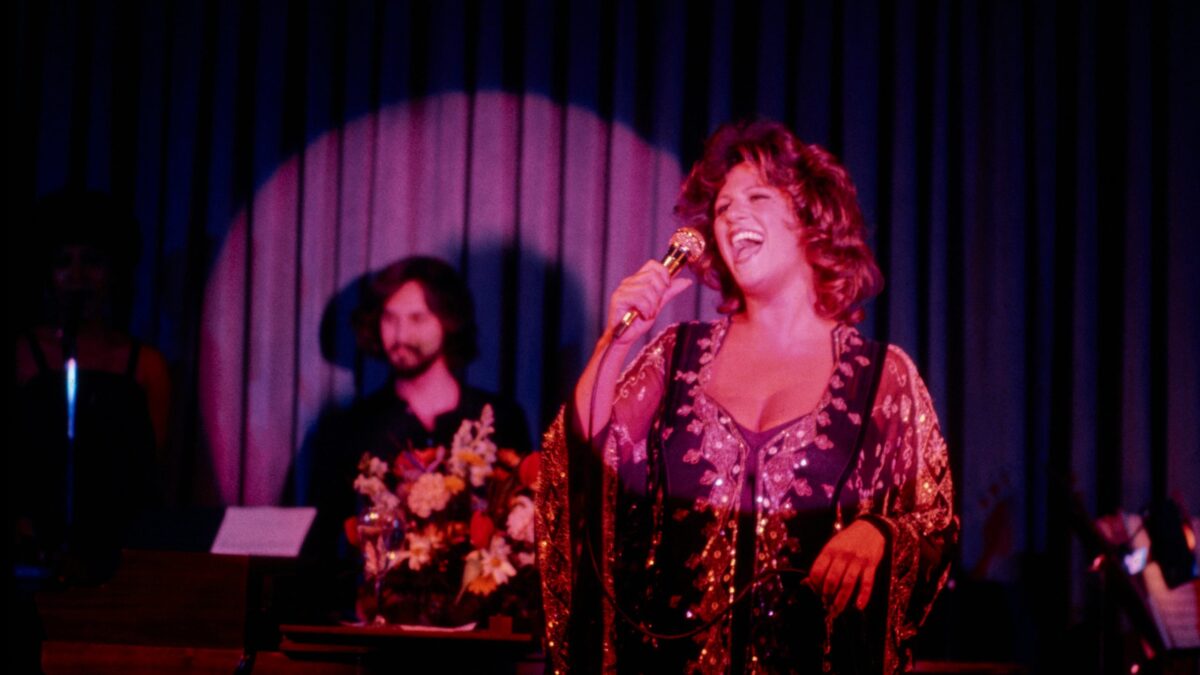
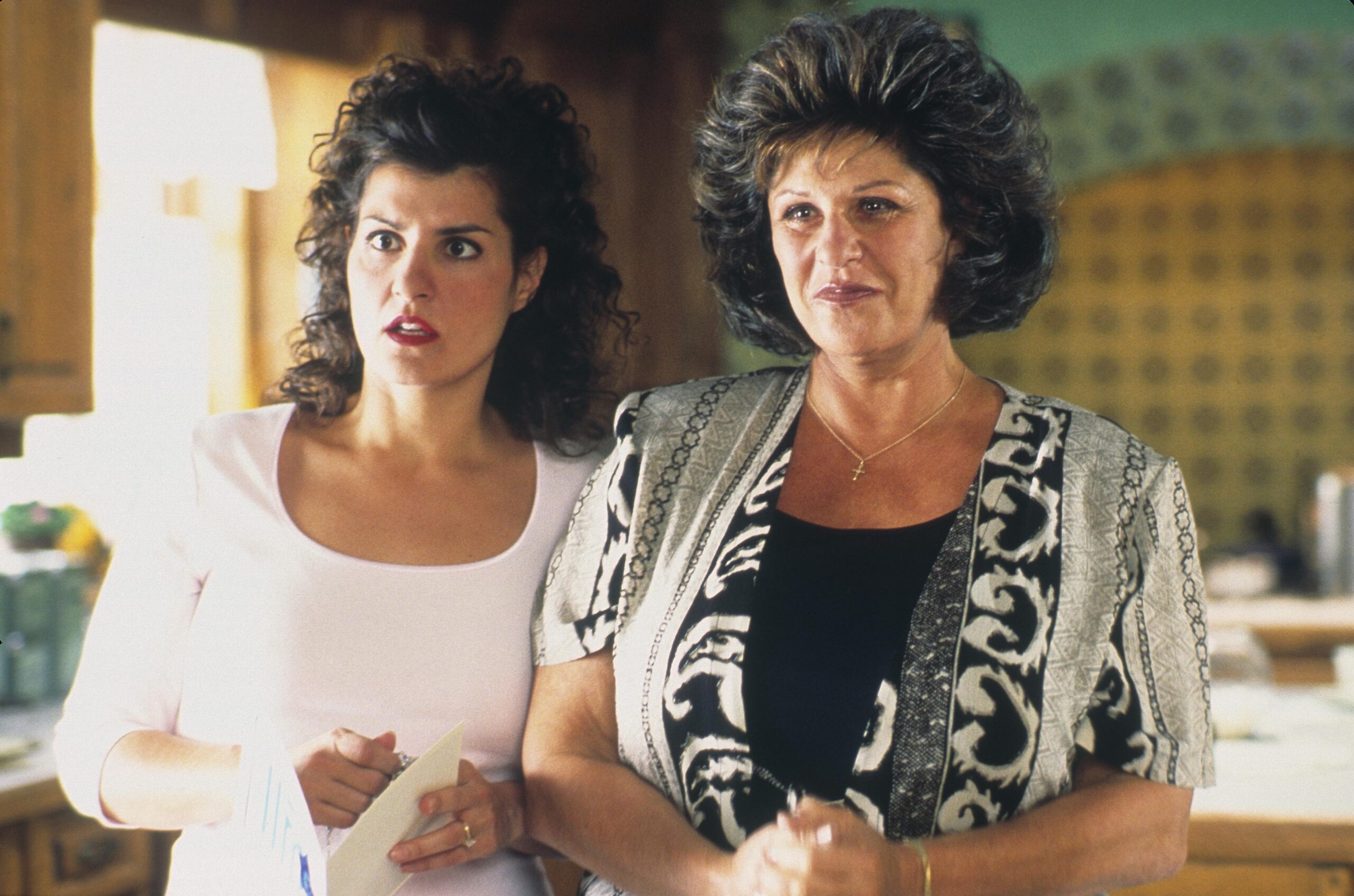
Lainie Kazan might be described as not one but two of the most singular figures in American pop culture. Since the 1980s she has made a specialty of playing zaftig, eccentric, older female relatives; you know her face, whether you’ve seen her in Desperate Housewives, Fuller House, The Nanny or My Big Fat Greek Wedding. But the Kazan of the 1960s and 1970s was a buxom singing sexpot with erotic energy and musical chops in equal proportion. In addition to inspiring comic-book creator Jack Kirby’s Big Barda of the DC Comics New Gods franchise, Kazan played a key role in the evolution of the Playboy empire. She was one of the most important celebrities of her time to pose for the magazine, and she played a pivotal role in the last great years of the first-generation Playboy Clubs.
Lainie Levine was born in Brooklyn in 1940 and later took her mother’s maiden name, Kazan. Her father was a bookmaker on the fringes of respectability.
“I grew up around that whole thing,” she says, meaning illegal gambling and organized crime, “so I didn’t really think about it.” Both her parents were Jewish but of different strains, endowing their daughter with a combination of Eastern European and Mediterranean DNA. This empowered her to play a wide range of characters and undoubtedly proved to be a factor in the first roles she landed on Broadway: The Happiest Girl in the World (1961) and Bravo Giovanni (1962)—based on Greek and Italian culture, respectively.
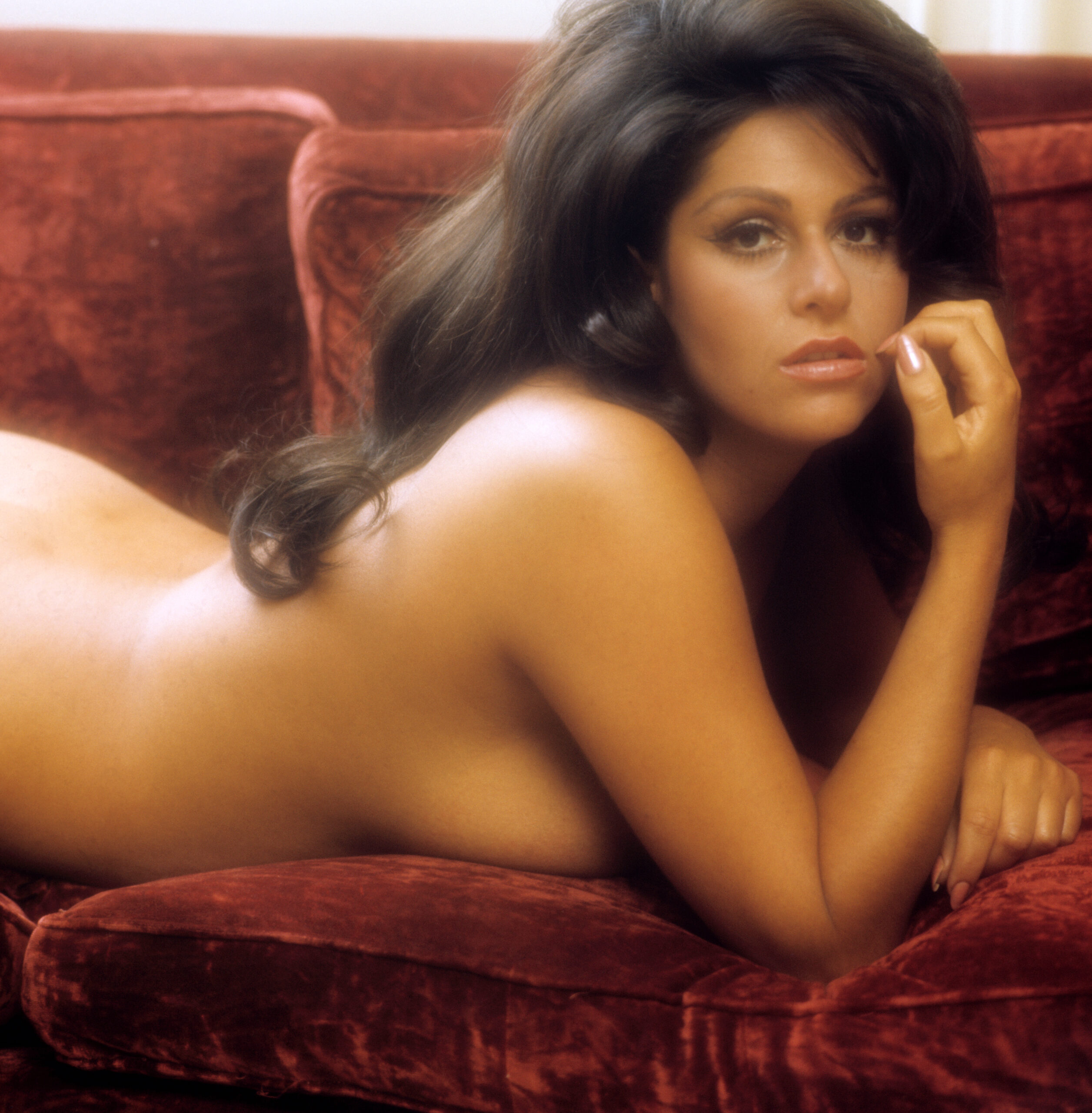
Kazan was singing at a small New York club called the Living Room when the producers of Funny Girl, the Broadway smash starring Barbra Streisand, came in one night. Floored by her passionate delivery—a PLAYBOY writer later said that “Lainie tackles every song as if it might be her last”—they hired her as the lead understudy, as well as one of the show’s “Ziegfeld girls.” To Kazan’s dismay, Streisand almost never missed a performance, although when the star happened to fall ill one matinee day in 1965, Kazan ably took on the leading role twice within several hours. It was precisely because it happened so rarely that when Kazan did go on, she attracted attention. When, that November, she appeared on a special Broadway-themed episode of the massively popular television show Bell Telephone Hour, she became the most famous understudy in the country.
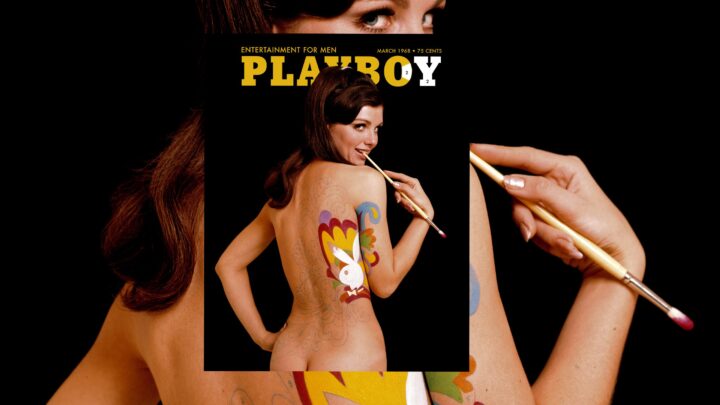
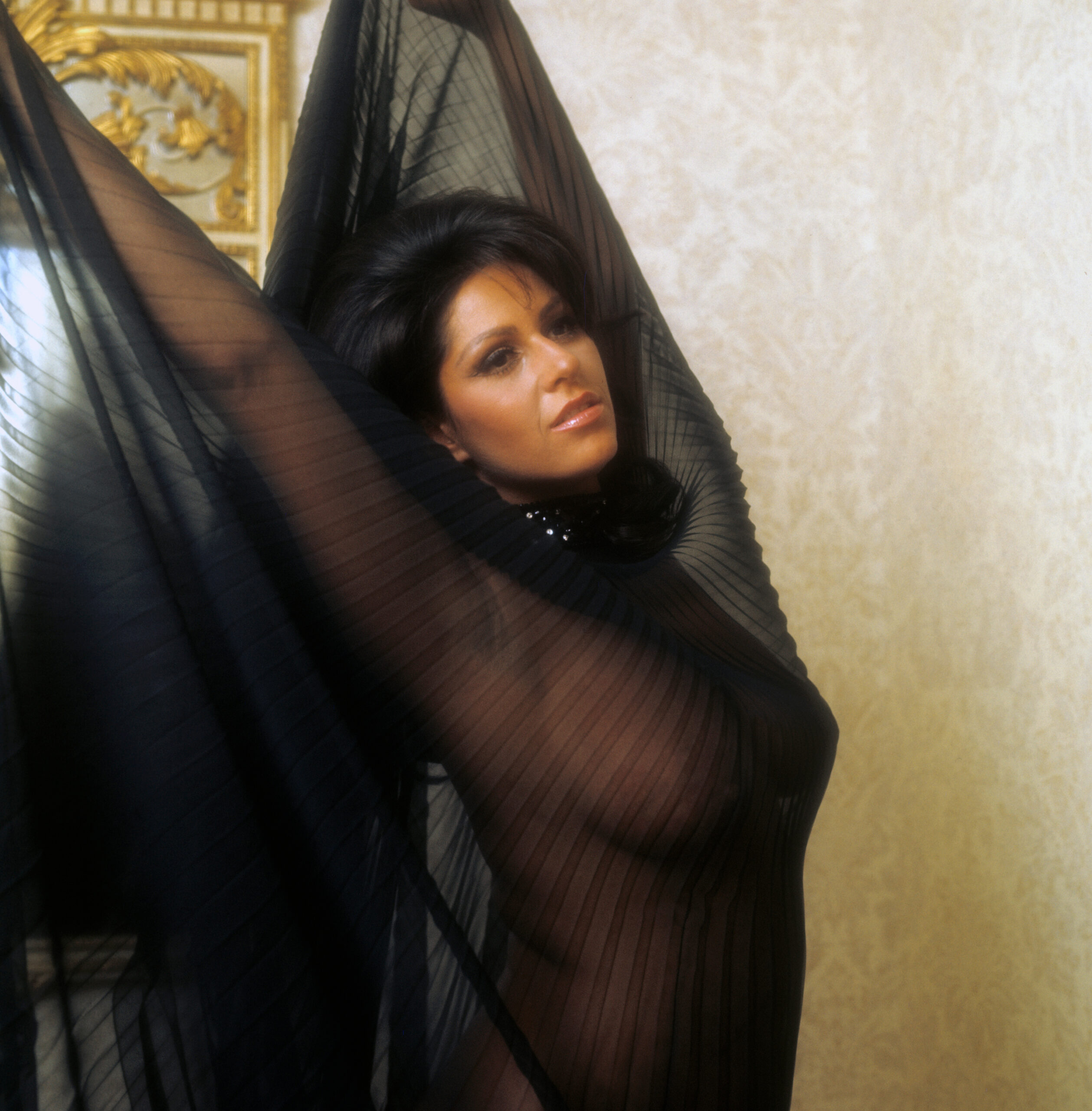
Kazan flourished in the late 1960s, making four albums for MGM Records and appearing in top clubs all over the country. She broke into movies and became a frequent guest on the major variety shows, including The Ed Sullivan Show and The Dean Martin Show. This period hit its peak when Kazan posed nude in the October 1970 PLAYBOY. Months earlier she had been filming her third movie, Romance of a Horsethief, in Yugoslavia, where she met photographer Lawrence Schiller. He suggested she pose for the magazine. “He cajoled me and told me I wouldn’t be totally nude—and I wasn’t,” Kazan says. “They were very Rubenesque pictures, very beautiful.”
Lainie’s Room was so successful that the home office asked her to open a second location.
After that high point, Kazan’s career stumbled. She broke her foot while filming a TV special, a stroke of bad luck that put her out of work for several seasons. The entertainment business was changing: Gradually, the old-school supper clubs went out of business, the TV variety shows went off the air and the big record companies shifted to new types of music. For a few years Kazan sustained herself and her daughter by working in low-rent clubs she calls “the toilets of America.” When a few of the seedier club owners refused to pay her, she had to rely on tough-talking friends to make sure they honored their contractual obligations.
The Playboy clubs, having had a strong start in the early 1960s, were going through a similar period of change as business fell off. Magazine sales reached an all-time high in the early 1970s, but the clubs were losing their edge; there was less incentive to be served by waitresses in Bunny costumes when women were wearing considerably less on discotheque dance floors. Hugh Hefner tried to expand the clubs by opening family-oriented resorts, but this proved a costly misfire.
A moment of serendipity arrived in the mid-1970s. “I was working at one place in Milwaukee that was just ghastly, and all the checks they gave me were bouncing,” Kazan recalls. “I was staying at this beaten-down hotel, in a room with a cockeyed floor.” She remembered a friend, Sam Distefano, who was running the Playboy resort in nearby Lake Geneva, where she had sung a few years earlier. “I called Sam and said, ‘I would really appreciate it if I could just come up for a weekend and lie down in a real bed.’ And he said, ‘Of course! C’mon up.’”
The resort itself was as beautiful as she remembered—“I thought I’d died and gone to heaven”—but she was shocked by the music she heard in the big showroom: a low-rent rock band called Three Shaggy Gorillas Minus One Buffalo Fish. Barely 10 people made up the audience. Mustering her courage, Kazan took her concerns to Distefano: Playboy had once been synonymous with the best in jazz. What had gone wrong? Distefano passed her remarks up the corporate chain of command to Playboy HQ in Chicago until they reached the desk of Hefner himself.
Hef proposed a meeting. Kazan thought it over: “What can I lose? I’ll go and talk to them. I didn’t have a car. I didn’t have any clothes. I had only jeans and a T-shirt with me, and so that’s how I went down. And they rented me a van.”
In the spring of 1976, she drove to Chicago with her daughter and met with Hefner and Victor Lownes, his partner in the clubs. As Kazan recalls, Hef said to her, “I hear you have a really good idea.”
“Actually, I didn’t have an idea,” she says about her bluff. “I just repeated my observations I had mentioned to Sam. But he quickly said, ‘Great, I’m leaving you with Vic. You two work it out.’”
What emerged from those talks was an innovation for the Playboy Club chain: Lainie’s Room, an entertainment showroom programmed by the songstress herself, would open inside the Los Angeles Playboy Club. Taking its name from a phone call Lownes made to Kazan at her hotel—she answered by saying, “Hello, Lainie’s room”—it officially opened to terrific fanfare in September 1976.
Kazan had overseen virtually every detail. “I changed the menu. I redecorated the whole place. I laid out linen napkins and tablecloths. Put roses on the table,” she says. “I made it classy.” Naturally she was also the first headliner, but she also booked the other talent—singers, bands and comedians. The room was new and fresh and attracted lots of media attention; its success was a shot in the arm for both Kazan and the clubs.
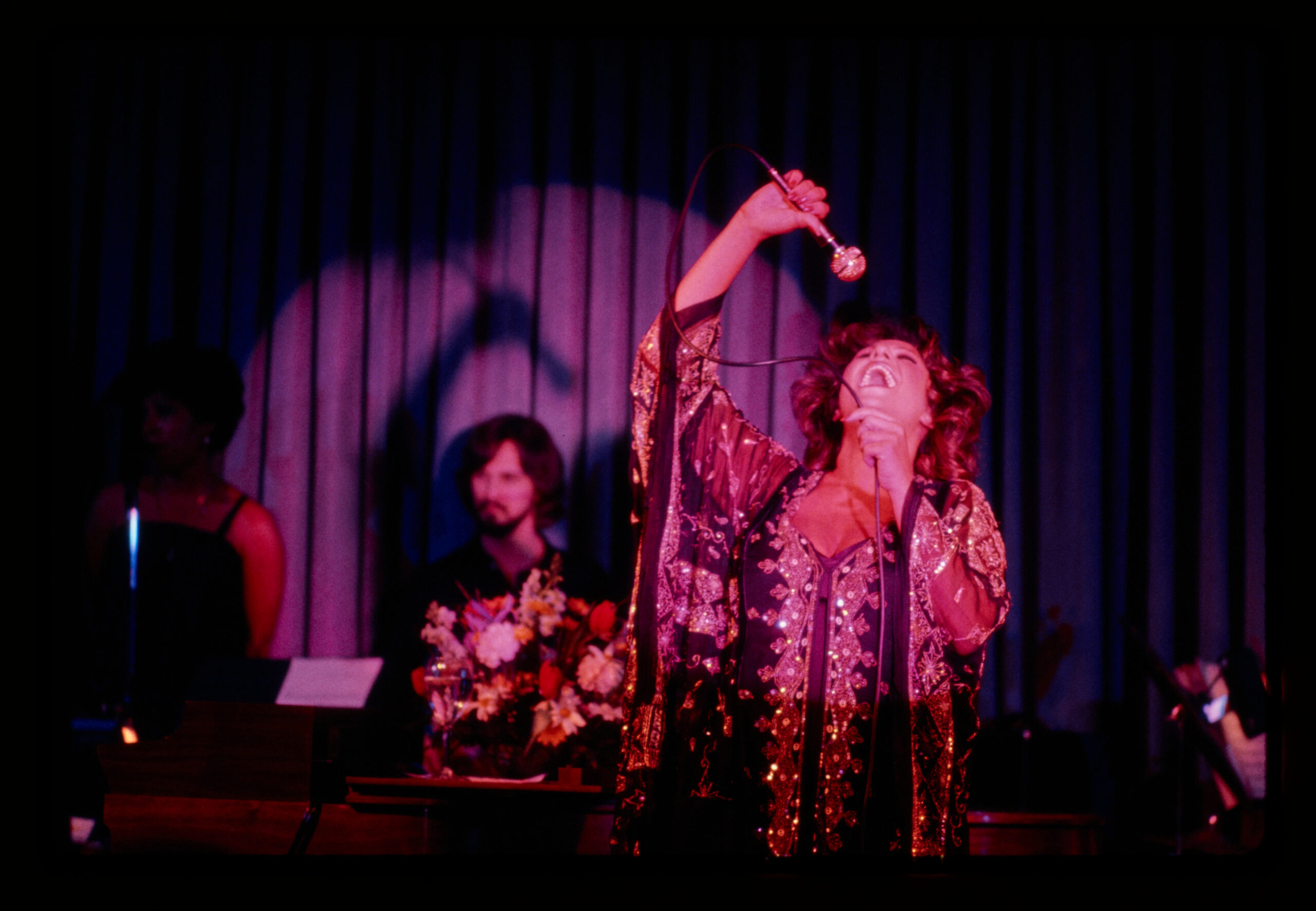
The new gig came with challenges—unpredictability goes hand in hand with booking live acts. Kazan recalls that one night Morgana King, who played Marlon Brando’s wife in The Godfather, simply decided she didn’t feel like singing. And when songstress Barbara McNair’s husband was murdered in December 1976, she understandably canceled her sets. In both cases, Kazan dropped her own plans in order to take the stage in their stead. Her devotion paid off. Lainie’s Room was so successful that about a year after it opened, the home office asked her to open a second location. Situated on the fifth floor of the New York Playboy Club, it launched in February 1978. Both sites operated as clubs-within-clubs; visitors could access Lainie’s Rooms without having to buy a Playboy Club membership—a point Kazan insisted on, and Hef finally acquiesced to.
Perhaps the biggest star to rise from Lainie’s Rooms was one of Kazan’s own musicians: pianist David Benoit. Kazan and her backing band were due to play a gig with the Duke Ellington Orchestra when her regular pianist simply disappeared—lost, she speculates, into his drug addiction. She desperately needed a replacement on keys. Someone recommended Benoit, a name that was new to her. He had played only in instrumental jazz and rock bands and had absolutely no experience accompanying singers, but Kazan took a risk and hired him.
Bob Dylan was a standard in the room. He was like a piece of furniture.
“She really taught me,” Benoit tells Playboy. “It was a lesson in how to accompany a singer.” He did so well that in 1977 Kazan recorded a new album, her first in a decade, The Chanteuse Is Loose, live at the L.A. club with Benoit on piano. Benoit eventually became Kazan’s full-fledged musical director; years later, he would become a Grammy-nominated contemporary jazz superstar.
Stars often entered Kazan’s orbit. One night Benoit was in her dressing room, picking up his notes, which Kazan issued after each show, and heard a knock on the door. “I said, ‘Who is it?’” Benoit remembers. “‘It’s Bob Dylan.’ I’m like, ‘No, no, c’mon. Who is it really?’ He says, ‘Bob Dylan!’ I opened the door, and there was Bob Dylan, right in front of me.”
Indeed, Dylan and Kazan dated for much of the time she was running the two Lainie’s Rooms. “Bob Dylan was a standard in the room. He was like a piece of furniture. He would come in at least once a week,” says Jessie Rich Williams, Kazan’s stalwart background singer. “He would come in incognito with a hat pulled down over his head and sit back in Lainie’s booth.” Dylan, who occasionally brought in his friend Joni Mitchell, was the only one with the chutzpah to give Hefner the cold shoulder in his own club.
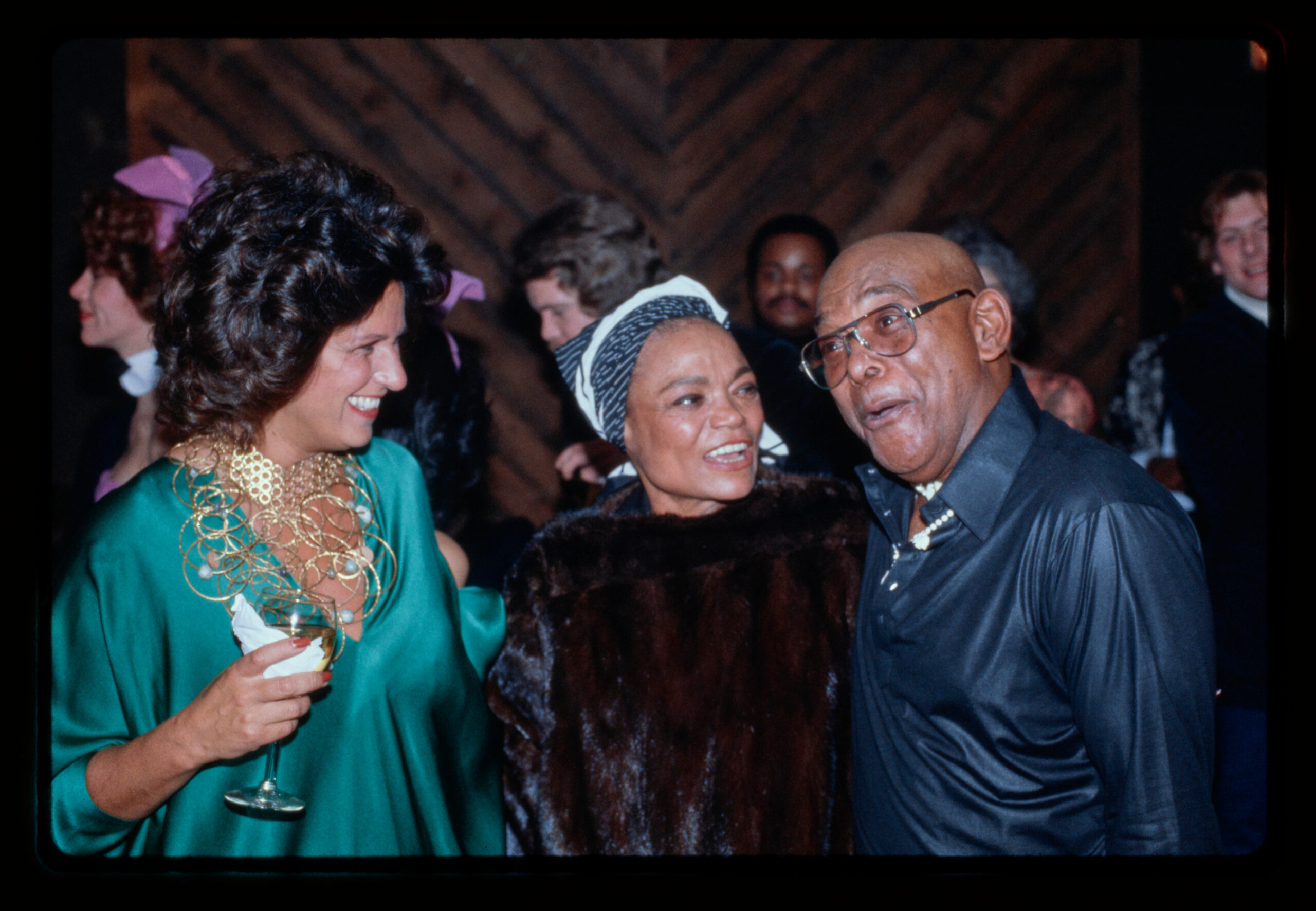
Kazan was no stranger to high-profile romantic partners. She is perhaps the only woman in the world to have enjoyed intimate relationships with both Frank Sinatra and Dylan; in a 1979 PLAYBOY story she characterizes herself as something of a short-term serial monogamist: “I’m a one-man woman, even if it’s only for a week.”
The Lainie’s Rooms gave Kazan a career boost that restored much of her stature in the entertainment industry. Offers started coming in from Hollywood. In 1981, Kazan said yes to Francis Ford Coppola, a friend from her Hofstra University days. But the movie they made, One From the Heart, was an epic flop. “A fiasco,” she says. “A big, big, nasty failure—but the greatest experience.” Despite the poor box office, Kazan’s film career was officially resuscitated.
In 1982 she appeared in My Favorite Year, delivering a performance that turned her into everybody’s favorite older female relative (and led to plenty of future roles in that vein). The film was so widely loved that 10 years later it was adapted into a Broadway musical, in which Kazan revived her original role and earned a Tony nomination.
As Kazan’s acting work picked up, she stepped away from the clubs. She had sold the use of her name to Playboy Enterprises, but the Lainie’s Rooms just didn’t work without Lainie. By the mid-1980s the rooms—along with most of the Playboy Clubs—were history.
Kazan, now 80 years old, looks fondly upon her Playboy years. She was treated as a full-fledged executive by the corporation, masterminding her venues, participating in corporate meetings and much in between. “I would make my points and they would take them in with some seriousness,” she says. “It was always a battle, but they would eventually do what I suggested.”
It all goes back to her beginnings—to her childhood in Brooklyn and the nascent grit that would bring her such durable and varied success. “I have negotiated with the most intelligent people and the high intellectuals, and I also negotiated with mobsters and with the lowest of the low,” she says. “I learned how to be, and I learned how not to be. It was the great lesson of my life.”