Your bag is empty.
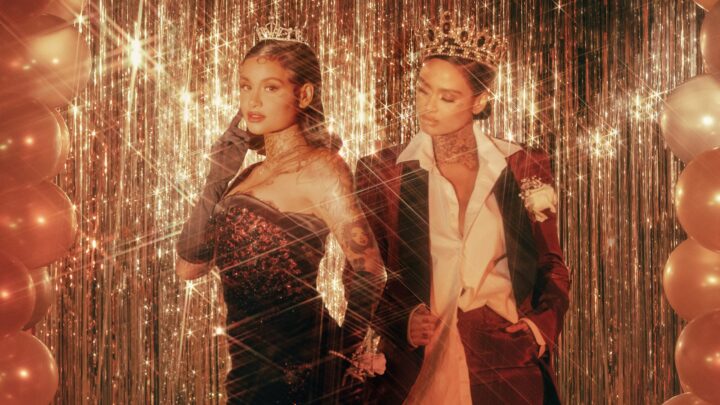
Sex educator and activist Ericka Hart wants you to decolonize your mind and your bedroom
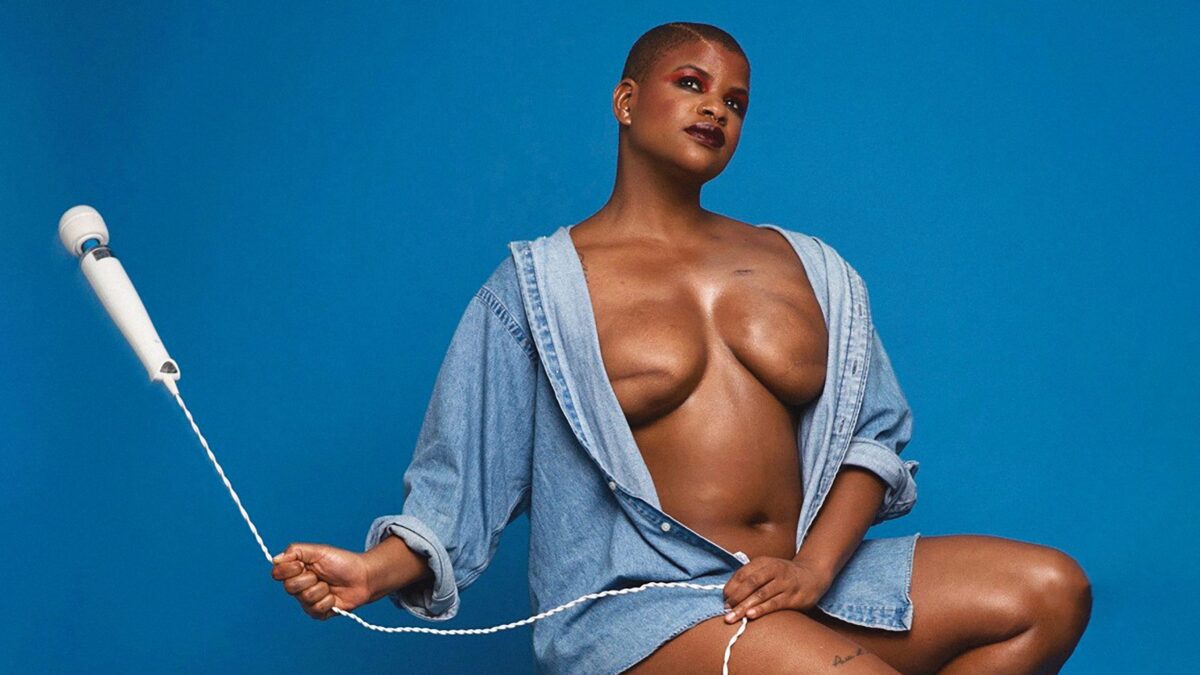
Much of the work that people are having to do right now is unlearning. Unlearning harmful beliefs about race, about gender and about sexuality. To be truly present in the historic moment that we’re in, one must re-interrogate much of the lies they’ve been fed about how society should function.
Enter Ericka Hart, a black and queer sex educator and anti-racist activist who has spent years in the trenches, advocating for the freedom of black bodies to experience joy and pleasure—before it became a sea of performative black squares on Instagram.
Now during this seismic shift in the Black Lives Matter movement that’s happening in the midst of Pride Month, the fraught intersections of race and sexuality have never stood in sharper relief. Hart is using her wide-reaching platform to spread a crucial message: if your #BlackLivesMatter declaration doesn’t center black women’s lives, black trans lives, then your declaration is worth nothing. If you aren’t shouting out the names of Breonna Taylor or Riah Milton or Oluwatoyin Salau or Dominique “Rem’Mie” Fells at the same decibel level as George Floyd, then your shouting is meaningless. On the eve of Juneteenth, Playboy called Hart for a discussion on the many forms resistance and rebellion can take.
What about this moment that we’re in feels different?
I honestly don’t know that it feels any different. It may feel a little different because now we’re in a pandemic, so many people have the privilege of working from home or they’ve been furloughed or laid off. People have the time to actually go protest, so you see lots of white people protesting. But the sentiment behind it is very similar. It feels performative to me. There are a lot of folks with a lot of institutional wealth or generational wealth who are not giving money or petitioning the state for reparations for black people, or holding their counterparts, their friends, their family members accountable for the racism that they perpetuate.
So ultimately once the fad of protesting in the streets and posting hashtags ends, you think this momentum will prove to not be sustainable?
It’s very easy to go protest, come back home, and then not actually address the racism that’s happening in your workplace that could potentially get you fired, or not address the racism that happens within your family that could potentially have you no longer talking to your uncle anymore. You know what I mean? There are not enough white people putting their lives and their livelihood on the line. These people just have more time on their hands.
What’s important is for us to be centering black trans femmes and black femmes all the time. That would look like a revolution to me.
Even in all the activating that’s happening right now, black women and black trans women are often left out of the conversation. Breonna Taylor received attention only after the video of George Floyd’s murder went viral. What does this say about the lack of intersectionality in many people’s activism?
If we were able to think beyond this moment, then the livelihood of black queer trans people, black trans femmes would be amplified. Instead they are murdered, and their names are not even said. There was a large push around a black cisgender man. A lot of folks have barely talked about Breonna Taylor. She is murdered violently in her own home while she’s sleeping by the police, two months before George Floyd, and what is now activating people is George Floyd. That has everything to do with positionality and what white supremacy says is important. When you look at CNN, they’re saying these protests are for George Floyd. The media doesn’t address that there has been police brutality and also just violence against black bodies that don’t look like George Floyd, that don’t hold the positions of George Floyd. This is another example of patriarchy. So what’s important is for us to be centering black trans femmes and black femmes all the time. That would look like a revolution to me.
How does the denial or fetishization of black pleasure intersect with other forms of oppression that black people face?
I just feel like we are used. Black femmes, in particular, have been used in this country over and over again—as the folks that are going to breastfeed your baby, as the people that are going to be sexually assaulted and receive sexual violence in order to create a larger slave force. A black femme saying, “This is how I want pleasure,” and having bodily autonomy around that is directly against the historical and current trauma against our bodies. Often sex ed programs targeting communities of color only focus on sex-shaming and pregnancy prevention. In all my years of doing pregnancy prevention in predominantly black and brown neighborhoods, there was nothing in regards to pleasure in those curriculums. It was all about how can we stop black people from making babies. Who cares if they had a good experience while they did so. And the folks who will never be a part of procreating, queer people, we’re not even going to address them. So it is resistance to the state when black people claim their pleasure, when they claim their bodies and have autonomy over themselves. That is a protest.
When did you realize you wanted to enter sex education?
The “aha” moment for me was really basic. I was like, “Nobody is talking about sex, and all of my friends are having sex. They’re coming to me about advice.” All of my friends were black, and all of them were sexually active. At the time I wasn’t linking it to them not getting any sex ed. But then when I went to grad school, I started to see that black people were greatly left out of the field of sex ed. Our bodies are treated as an other, as something that needs to be pathologized and not celebrated. You cannot have a conversation about sex education without addressing the attack on black bodies sexually, physically.
In what way do you feel your work is most misunderstood?
I’ve been called an influencer many times. That has to do with the amount of followers that I have, but I also think it has to do with people not trying to give me credit for the amount of work that I’ve done. I have been a sexuality educator for the past 11 years and have really worked my ass off. So I would really prefer to be called a sexuality educator than an influencer because I feel like that diminishes my work to followers. Influencers do really excellent work. It’s just not what I do.
What forms can protest take other than being physically in the streets, especially for black Americans?
If you’re black, every day of your life is a protest. You are always protesting. Your existence is a protest. It costs nothing, it takes nothing for white people to protest. It takes everything for you if you’re black. So my reminder to black folks is, how are you resting? How are you taking care of yourself? Are you being indulgent in terms of your self-care? Are you listening to music and zoning out until kingdom come? Are you drinking fucking rum? Are you gardening? Whatever you need to do to take care of your livelihood as a black person is a protest.