Your bag is empty.
She got her start as a pop princess, but the crown never sat right. Two years of self-reinvention and one new scream-o album later, the singer talks insecurities, entitlement and big-butt envy
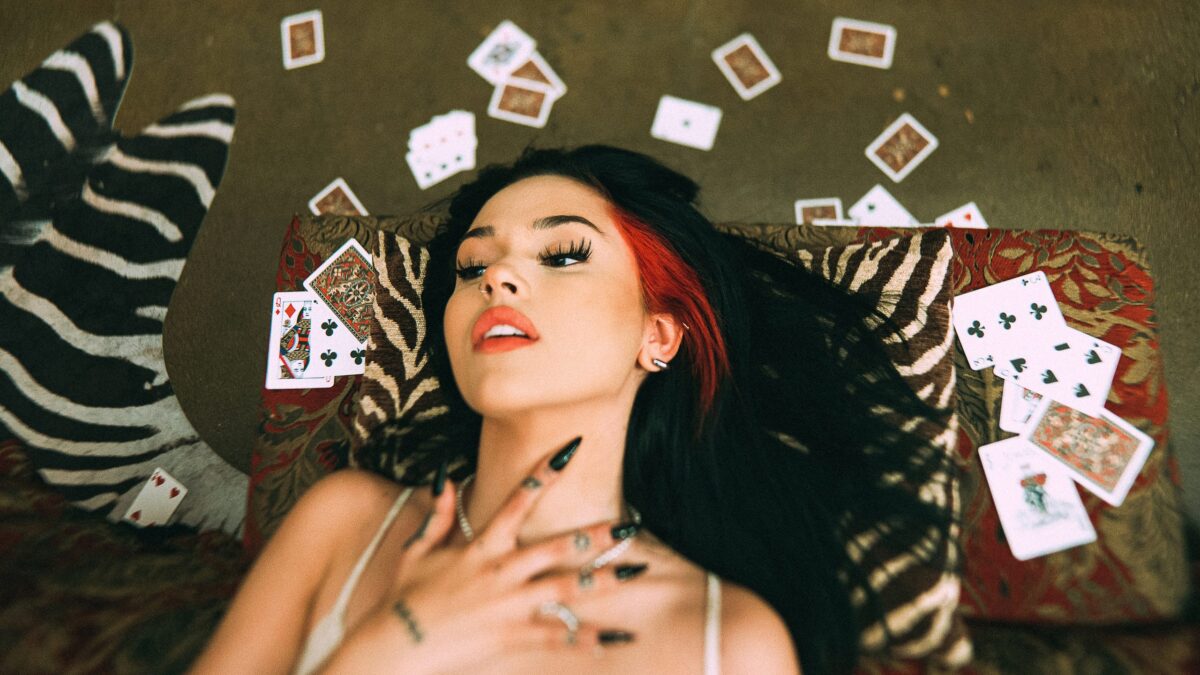
“It’s scary, and it’s all lies,” shudders Maggie Lindemann. The singer boasts millions of followers across her social media platforms, and even owes her career to a video-sharing app, but online attention still manages to elicit anxiety. For now, her following remains ever-devoted to the musician, but Lindemann is haunted by the possibility the wind could change.
Yet to evolve, she risked exactly that.
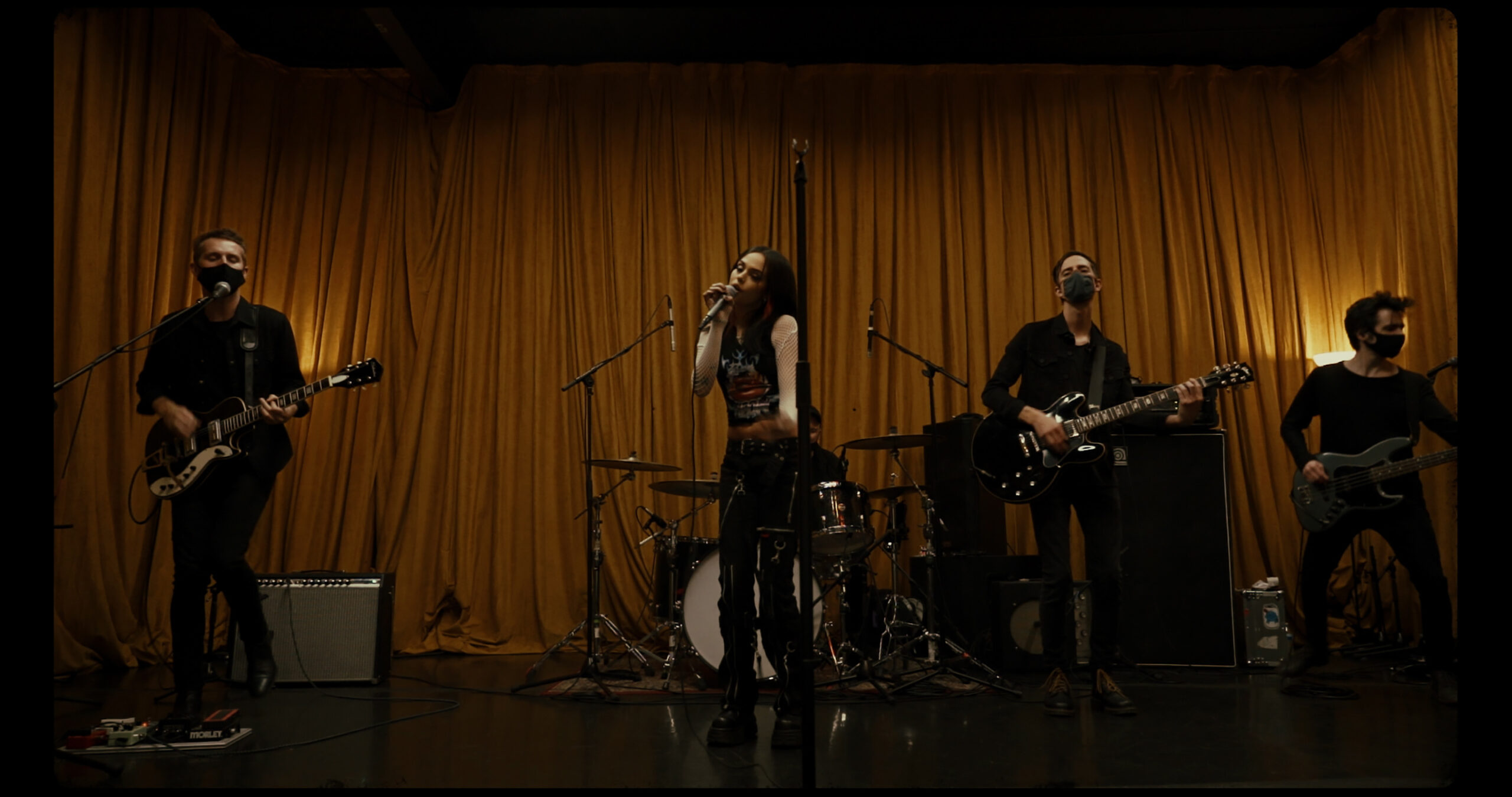
After years of putting out conventional pop music, late last month the 22-year-old released her debut EP, Paranoia (perhaps aptly named). A punk-mod-metal hybrid, the album is a major departure for the singer, a new phase in the evolution of an artist whose roots reach back nearly a decade to Keek.
Before TikTok there was Vine, and before Vine, Keek. It was on Keek—a now-defunct video-sharing app once beloved by Kylie Jenner—that a young Lindemann began building a fanbase from her silken singing snippets. It was during the Bieber era, in which execs from the music industry were vigorously scouring the internet for undiscovered talent. Lindemann, a sensation from Dallas, Texas, had already proved herself adept at filling the feeds of leagues of teens. She was just 16, and singing into a lamp, when a talent manager came calling.
Soon after, she decamped to Los Angeles to pursue her music career. Within just a few years of touching down at LAX, Lindemann found international success with the balladic “Pretty Girl,” charting in Canada and the U.K., as well as breaking into the U.S. pop radio rotation. The song was immediately remixed into a radio-ready pop-bop so saccharine that many missed its acerbic message: “Don’t underestimate me.” Lindemann’s early image as an unapologetic scene queen dissolved as the track gained mainstream attention. Seemingly overnight, she felt beholden to an audience built from a genre she didn’t much listen to and paired with artists whose style smothered her own. She had anticipated a slow-burn transition into traditional media. Now she was overheating in the spotlight.
In 2019, a new Lindemann began to emerge, one truer to her creative soul. Fresh off the success of follow-up single “Friends Go,” she had traveled to Asia for performances in Malaysia, Vietnam and Singapore. Three songs into her debut set in Kuala Lumpur, she was arrested for performing without a professional permit. Jailed for a day and confined to a hotel room for four more, Lindemann described the experience as a “living hell”—one that kick-started a complete artistic rebirth.
Her rebellion was steady and—early pointed lyrics aside—silent. She sheared her long locks short and grew her tattoo collection tenfold, her aesthetic becoming synonymous with fishnets and flannel. Musically, heavy guitar riffs and faster beats salted her sugary vocals. Blink-182 drummer Travis Barker appeared on one release, confounding some fans and prompting another to muse, “She should do punk/rock more often.”
The conventional “Pretty Girl” image was being sliced apart at the seams—and Maggie Lindemann was holding the knife.
“It was hard for me because it was this inner battle,” Lindemann tells me over Zoom. “It became about whether I wanted to be happy and have fun with what I was doing, or whether I wanted to be really successful and make money.”
I’m seen as like this big, bad, cool girl—but in person, I feel I’m not at all.
Staying true to herself won out. Oscillating between screamo and emo, Paranoia recalls early tracks from Lindemann’s punk-descendent heroes, Paramore. Stripped of industry gloss, with a few more layers of eyeliner, she’s become the singer she actually wants to be. In a wide-ranging conversation, Lindemann talks anxiety, privacy, human rights and why she just might go under the knife someday.
PLAYBOY: You’ve been through a huge transformation in the past two years. Walk me through the evolution of your artistic identity. What did the self-discovery process look like?
LINDEMANN: Oh my gosh. When I moved to L.A., I was only 16, and I didn’t know who I was. I had no identity. I morphed to my surroundings, just wanting to fit in. Now I’ve become the person who I feel I truly am.
At first it was definitely more of a style change. Then I wanted my music to sound the way I looked, and I wanted my music to sound like what I listened to. I wanted my music to be something I actually listened to and enjoyed. Obviously when you have such a big song [like “Pretty Girl”], they just want you to stick with that because they know it works.
PLAYBOY: Was there a turning point?
LINDEMANN: It was a buildup of moments. I would perform “Pretty Girl” at my shows and it was always so unnatural. I felt uncomfortable and awkward performing it because I felt so out of touch with it. It felt like a disconnect for a really long time. I see pop artists dance and do these little moves onstage and they look so cute performing to their songs. I never saw that for myself, never saw myself as that kind of artist.
PLAYBOY: So you start exploring this new sound. Were you worried about maintaining the loyalty of your “Pretty Girl” fans?
LINDEMANN: It was really hard. I’m nervous that people won’t like the stuff I’m doing. So that was always scary for me, but I don’t know. It was something I sat on for a while, trying to figure out how to do it. I guess I have so many fans on Instagram that started following me for my style, so I felt that after a couple of years, it would work.
PLAYBOY: How much of your personal life do you share? Do you hold back?
LINDEMANN: I like to keep private. In a way it is me online, but it’s me as an artist. You’re not getting the full me. If someone said something bad about me, that would hurt way more than if someone said something bad about me, the artist. I keep as much offline as I can because I’m very sensitive and that stuff can really hurt my feelings.
PLAYBOY: Is that difficult to navigate when your boyfriend, Brandon Arreaga, is also a public figure?
LINDEMANN: He’s a really private person too. You don’t know him at all online—he’s so different. He’s genuinely just such a sweet, kind person. There’s something about knowing someone personally that the world doesn’t know that is just really refreshing. Neither of us ever wanted to be all over social media constantly posting pictures together.
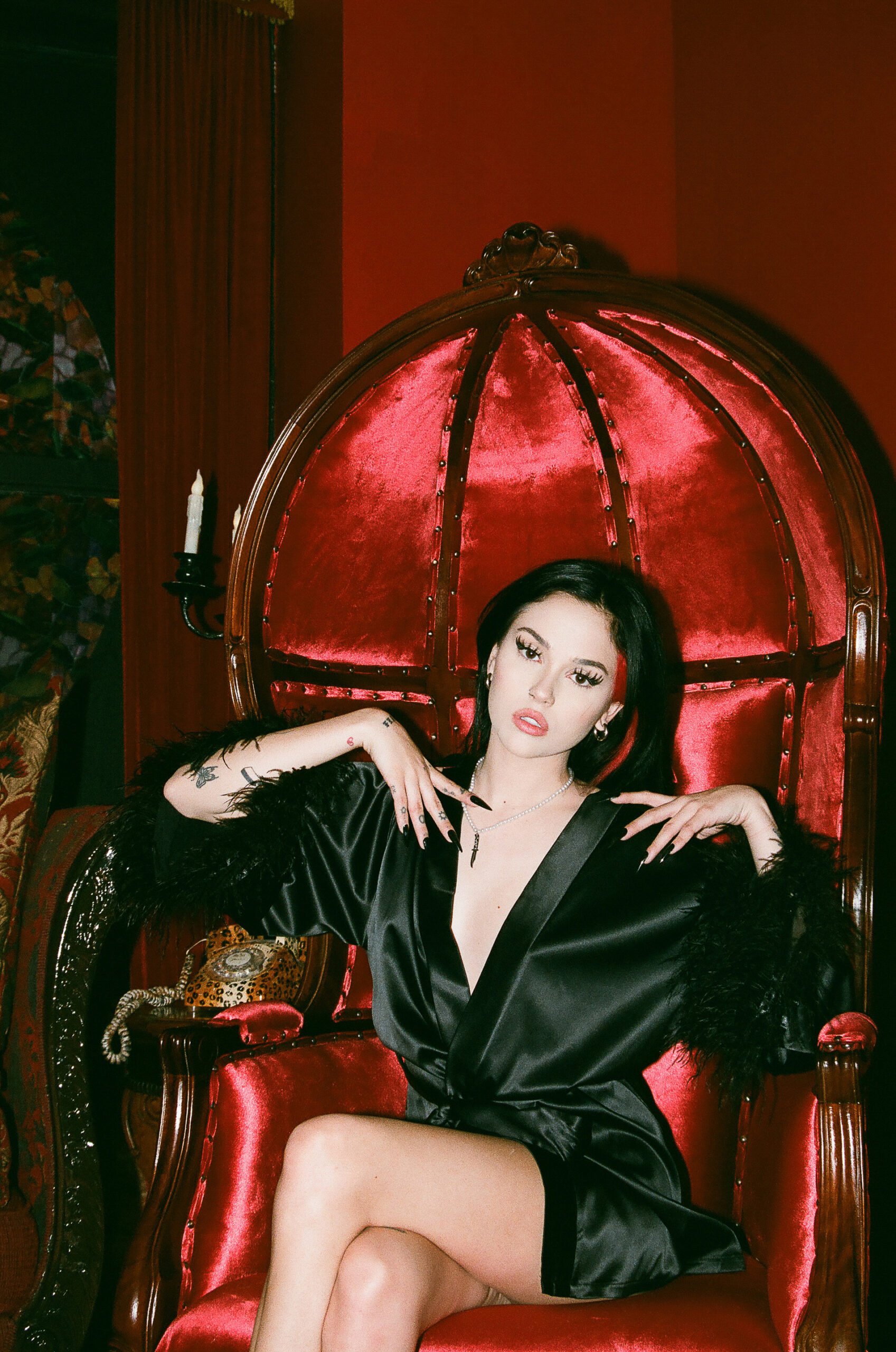
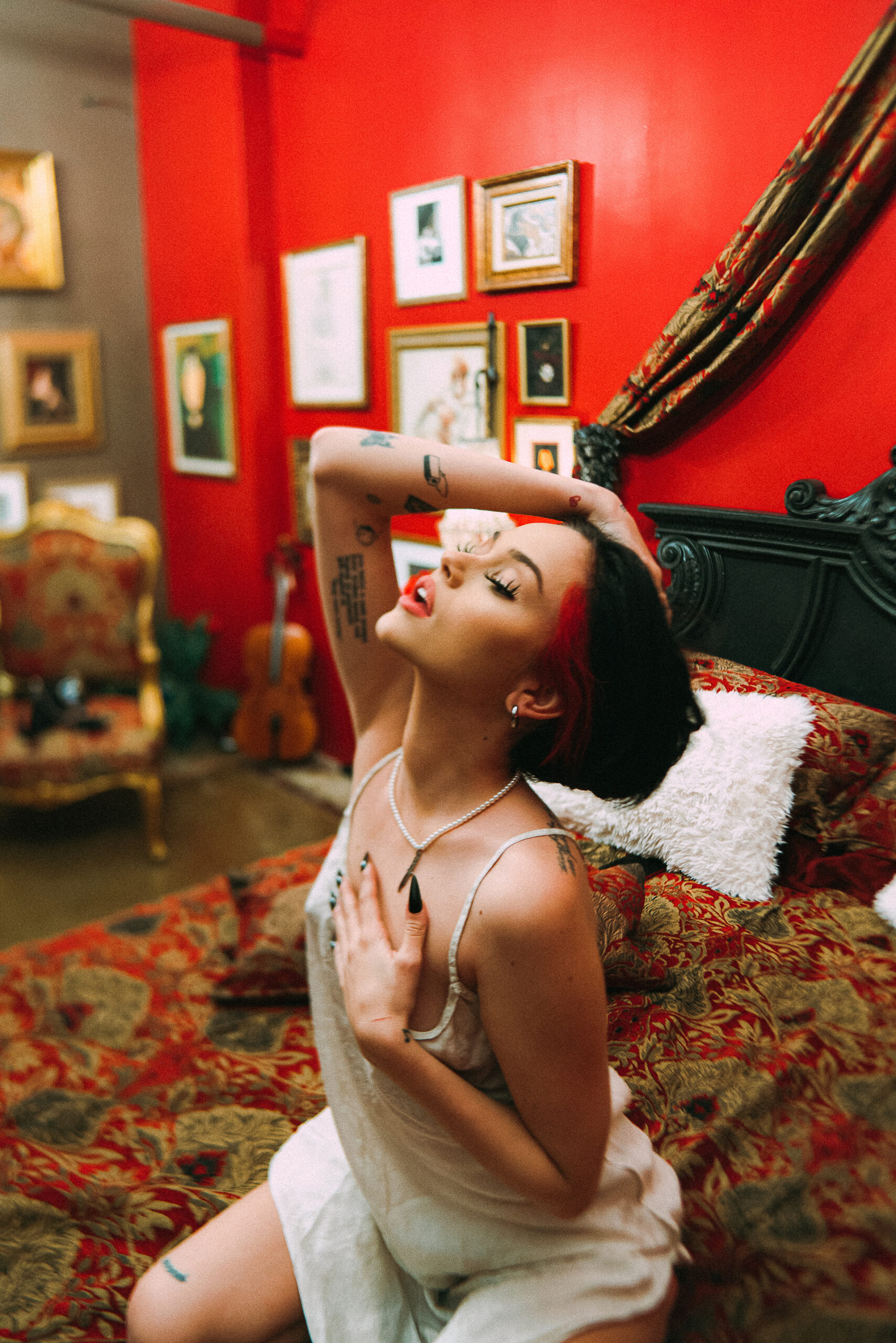
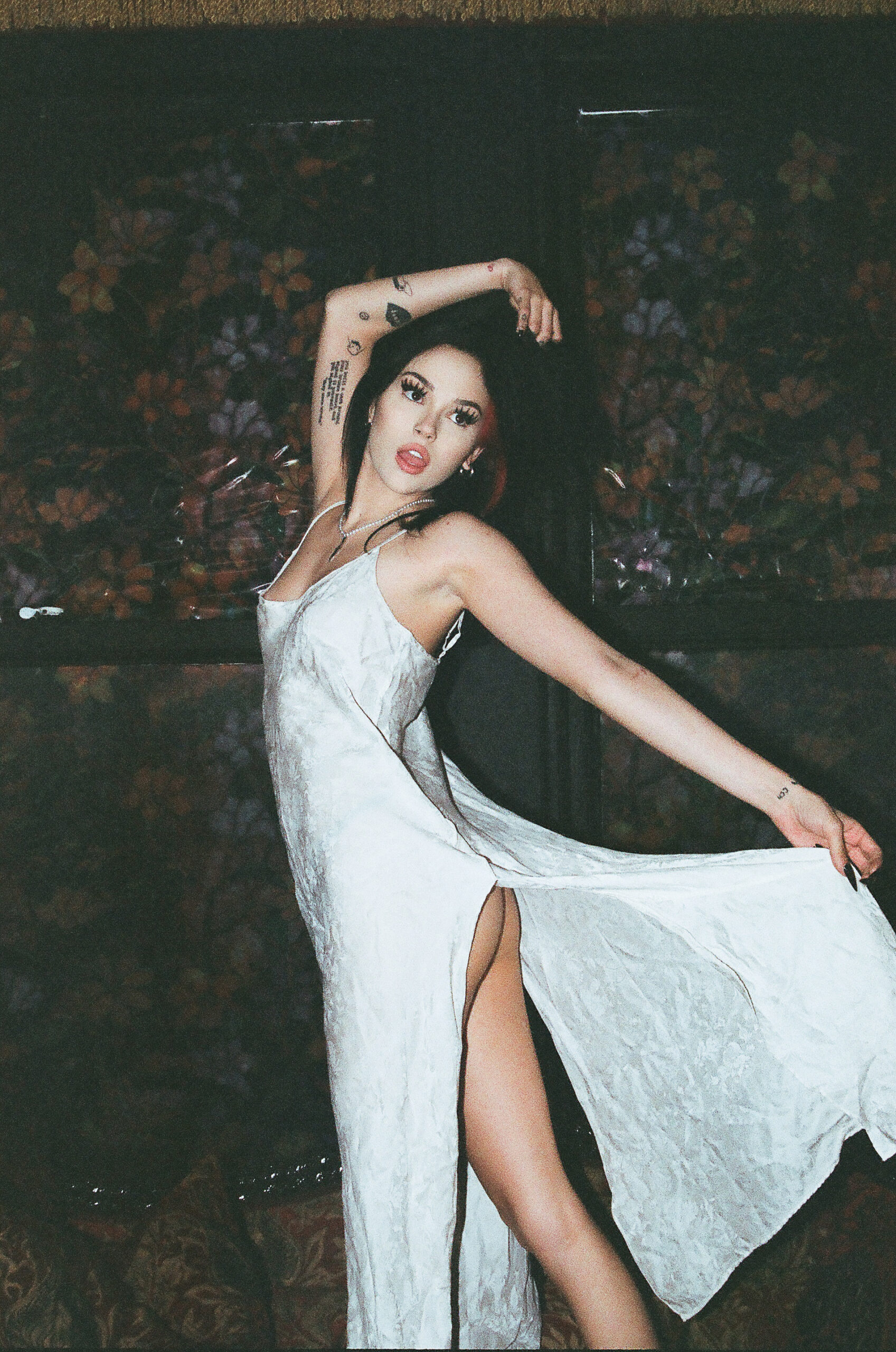
PLAYBOY: He shot the accompanying photos. What’s your dynamic on a creative level? How does shooting with him differ than with any other photographer?
LINDEMANN: Well, he just knows me, obviously, really well. We’ve been together for two years, and he knows what I like and how I like things to look. I just feel so comfortable with him, and he knows my angles and everything, and I always feel like I get such good pictures with him.
Sometimes meeting someone for the first time and then having to shoot is hard. You have to really open up because it shows on camera if you’re holding back. With him, it’s just immediate comfort, and we can jump right into it.
PLAYBOY: You’ve become more politically engaged recently; what compelled you to be more vocal?
LINDEMANN: I’m from Texas and grew up in a conservative Christian area—a very, very Republican place. I grew up with those views but didn’t really know what that meant at all. When I came to L.A., I just never really cared—I know that’s terrible now. I was so young that I was like, Oh, well, I can’t vote, so I don’t care.
Then four years ago, I started to find interest in politics and human rights. I do have a big platform, and I am of age to vote, and it’s just selfish of me to think that I shouldn’t care. Also just being in quarantine, and everything that’s gone on this past year, has given us so much extra time to see everything. It gave me time to reflect on everything that was going on and feel real anger about it. I felt real anger and passion for the things that I was speaking about.
PLAYBOY: One position you publicly supported is the abolition of the death penalty. Did you prepare for backlash?
LINDEMANN: I definitely didn’t think about that when I posted it. But people I grew up with commented on my post, like, “Wow, you were so much better when you lived in Texas.” Or, like, “You’re so stupid. What happened to you?” Stuff like that. I understand where they’re coming from because I used to have a lot of those same beliefs. If I feel confident about something, I’m going to speak up about it. You can have your opinion on the death penalty and I’ll have mine.
PLAYBOY: Have you noticed a difference in how you’re perceived versus how you perceive yourself?
LINDEMANN: People think I’m confident and pretty hard because of how I am online. I’m not. Like I said, I’m sensitive. I’m a baby in person. I’m definitely not confident. I have my insecurities and really bad social anxiety, and I’m not really good around a lot of people. I think it’s fun to come across a certain way online because I’m seen as like this big, bad, cool girl—but in person, I feel I’m not at all.
PLAYBOY: How does that affect your mental health?
LINDEMANN: I used to not let things get to me, but I think quarantine has really messed up my mental health. I don’t have a lot going on in real life besides work stuff. Other than that, when the interviews are done and the shoots are done, I don’t have much to do. I’m constantly just reading. The internet is so brutal, and people are so not understanding, and that sometimes really gets to me.
PLAYBOY: Is it the rumors or reviews that hit hardest?
LINDEMANN: It’s actually what I see people say about other people. I’ll be watching TikToks and see someone making fun of a celebrity, or I’ll be reading an Instagram comment on someone else’s picture, and people are so mean. It’s so toxic. That gets to me. I start thinking, What if that was me? I get a lot of love, but I’m always scared that’s going to end and eventually I’m going to get a lot of hate.
PLAYBOY: We’re also obsessed with “honesty.” Between filters and Facetune and cosmetic surgery, authenticity has become this hot commodity.
LINDEMANN: Yeah, but that’s just a sense of entitlement. You’re not entitled to know [what someone’s had done]. I find it so ironic when people are pro-choice but demand to know what someone does with their body. It’s literally none of your business. Entitlement is so out of control.
PLAYBOY: We feel entitled because our body image is affected by the images we consume.
LINDEMANN: Exactly. But if someone has a naturally big butt or a fake big butt and you don’t have a butt, it doesn’t matter if it’s fake or real. You’re still going to want that butt. So it becomes, What are you going to do to get it? You’re either going to have to work out a lot or get your butt done. The idea doesn’t change in your mind. It’s still the same. It’s messed up.
PLAYBOY: Were you ever tempted by the “Instagram ideal”? The huge butt or boobs?
LINDEMANN: I see the same stuff everyone else does. It’s hard not to be attracted to the beauty standard. It’s hard not to want to look like that, when that’s the most popular. It’s definitely been hard for me. I think, Do I need to get this? But I don’t want to go through the pain of it. Maybe one day, but for now I’m not trying to be in pain. That’s really the only thing that’s kept me from doing it. Knowing that you can’t sit on your butt for, like, two weeks? I’m thinking, Well that’s not going to work.
PLAYBOY: What was it like navigating the L.A. scene when you first arrived? Has it changed?
LINDEMANN: When I first moved here, I was having the time of my life. I was 16 and lived on my own. I had so much access to the world, which was a blessing and a curse, because I was still growing up and there were so many things I didn’t know. I wanted to fit in, but in L.A. there’s so much materialism. I felt like I wasn’t cool enough if I didn’t wear a designer bag or live in a really nice place and drive a really nice car. If I didn’t have those really nice things, I was looked at like I was failing. I got so caught up in it. Now I literally don’t care about any of that. So much of what I cared about just doesn’t matter.
I get a lot of love, but I’m always scared that’s going to end and eventually I’m going to get a lot of hate.
PLAYBOY: Do you find that the bigger you get, the more “making it” becomes a connections game?
LINDEMANN: L.A. is funny like that. You’ll meet someone and they’ll invite you out, and then it’s someone’s house and you’ll meet this person and this person. It’s so funny because I used to view celebrities as so out of reach. But once you’re in that world, it feels like everything opens up.
I definitely view things differently now. I used to look at celebrities like they were unreal. Like they don’t feel pain and they’re not sad. Now I see a little bit more of what they go through.
PLAYBOY: Are you concerned about cancel culture?
LINDEMANN: Yeah, definitely. I’m really bad with words—literally just so bad with how I word stuff, especially in front of an audience. When I’m on Instagram Live, I immediately run out of things to say and feel really awkward. Like, I’m just staring at myself. I don’t like it. I worry people are going to take what I’m saying the wrong way or not understand what I’m trying to say. It’s scary, and it’s all lies.
PLAYBOY: How is that reflected in your songwriting?
LINDEMANN: It was therapy for me to get everything out and write it down. But also I always think, Does this sound corny? Are people going to relate? Is this word right? Sometimes when people are too relatable in songs, I’m like, This doesn’t feel right; something’s off. I just want it to feel natural.
I really liked the idea of making the older generation feel nostalgic and the younger generation feel like they have a girl singer in punk, or whatever you want to call it, to look to. It would be really cool to be part of that.