Your bag is empty.

From the Emmy-nominated creator of Showtime’s Wu-Tang Clan: Of Mics and Men, a love letter to the songs and sounds that made him dream—and live

Music is cinematic. When this scribe listens to music, I see things that don’t exist. Yet. Melody has the ability to score the scoreless. It has the ability either to combine imagination with desire to create something brand new or to pump to the surface feelings that have been bubbling deep below the recesses of the flesh.
It all boils down to the endless possibilities that sound offers us. Maybe we learned from nature, because nature is an accomplished musician. Sea breezes, bird chirps, cricket shrieks, a fallen tree that no human was around to hear make its last splash, a volcano popping off—I’m talking about the original bangin’ beats right there. Somebody famously said that the hills are alive with the sound of music. Said individual wasn’t bullshitting.
In nature, the duty of sound is to represent the life force of the immediate environment. This is why hip-hop is so appealing: The sound and culture are a reflection of and a reaction to their immediate surroundings. When you listen to Public Enemy’s It Takes a Nation of Millions to Hold Us Back, you hear sirens and air-raid alarms booming behind Chuck D’s growl, the way you would hear Sitting Bull’s wail accompanied by hawks and stampeding bison on the Lakota plains. The Bomb Squad—the chief architects of that classic PE sound—was referencing the chaos of everyday inner-city life in their fearless narratives. Most bomb squads deactivate bombs; Hank and Keith Shocklee and Eric “Vietnam” Sadler dropped them on our heads.
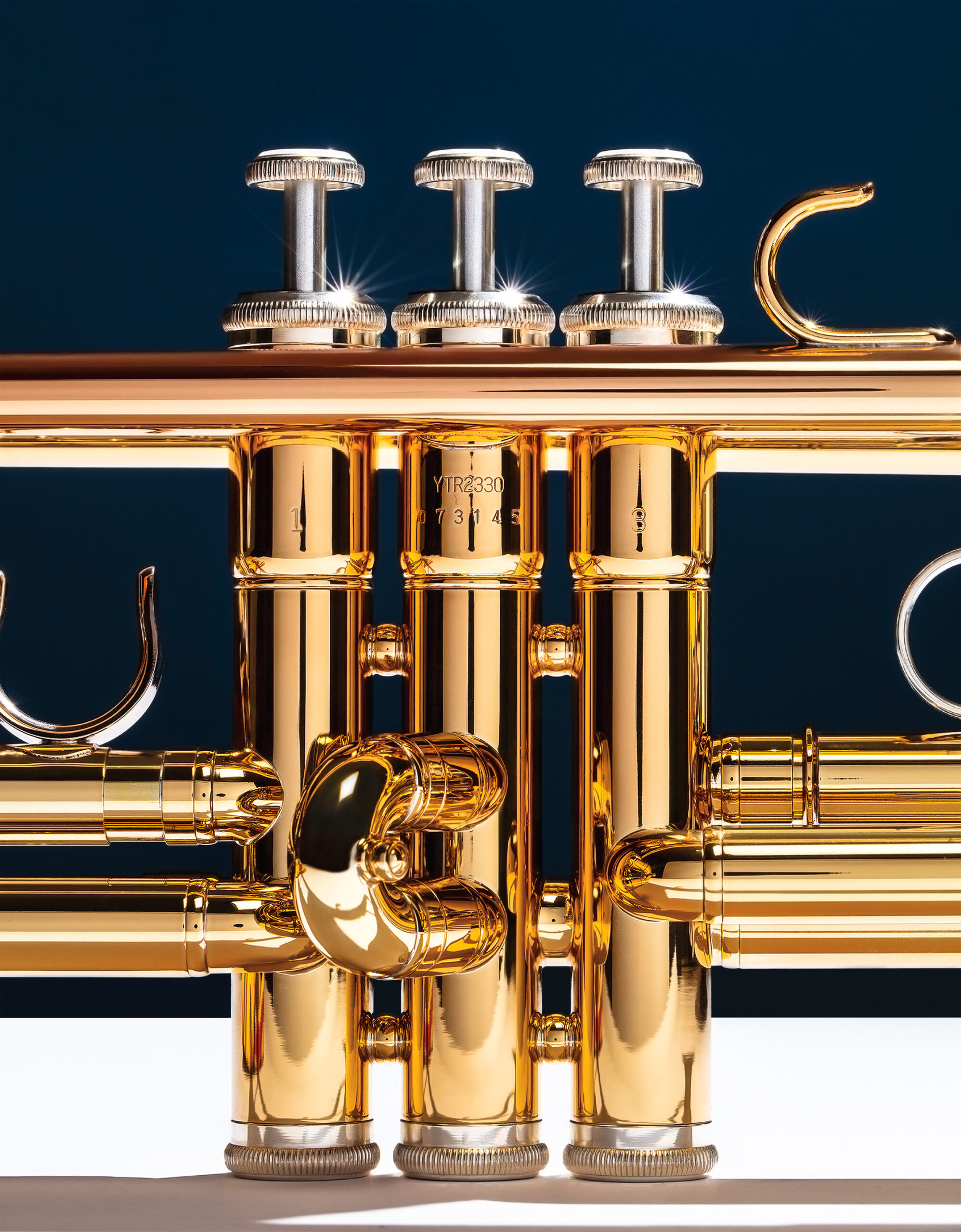
For years, I was a music journalist. I had the great fortune of spending time with the Gs of the era I represent: Nas, 50 Cent, Eminem, Roxanne Shanté. Their childhood experiences had a heavy hand in the music they would make. The chaos and trauma they faced as shorties would be documented in their lyrics and supported and amplified by producer greats like DJ Premier, Dr. Dre, Marley Marl and Pete Rock—men who also knew the maddening sounds of the hood all too well. Still, they were masters who reimagined ugliness and pain, trumpeters who honored the beauty in the struggle and the triumph that awaits after the last bar and beat fade.
As a director of films, I can assure you that there’s a music video of my own playing in my mind for every song I love, even if a video already exists for it. When I watch TV, I don’t see images or have visions of objects or people other than the ones I see flashing before me. Television is literal. Linear. Binary. Which is fine if you want to stay inside the places these programs can take you.
But sound has an algebraic quality, shrouded and mysterious (at least to me) yet definitive. Important. Nurturing and warm. Necessary and essential. The sounds that vibrate here on earth? There is an abundance. Hip-hop has mastered the idea and manifestation of the so-called sound collage, pointing country music in the direction of disco, in the direction of jazz, in the direction of zydeco and so on. For many of us coming up around the way, the infinite textures of hip-hop music nurtured us and took us to places our parents couldn’t afford to. In hip-hop we heard Africa, the place our public schools often characterized as “uncivilized.” We heard the sounds of Africa in our “black” American music, which helped us better understand who we are. Maybe I hadn’t physically been to Africa at that point, but by my teens, I damn sure knew what it sounded like.
When you take the time to count all the distinct sounds and styles that hip-hop has touched, you realize that the keepers of the culture are actually mad scientists, melding together strands of DNA often kept separated by the nightmare that has soiled the American dream for those of us who are a tad bit darker than baby blue.
As for those music videos in my mind, my American dream goes like this: Whenever I hear that Smashing Pumpkins joint “Cherub Rock” off Siamese Dream, I see teenage black girls rockin’ those percussive cheerleader steps and chants (there’s Africa!) in sync with Jimmy Chamberlin’s rattlesnake-y little-drummer-boy snare runs (Africa again!). To me, my vision is akin to what happens when your chocolate winds up in someone else’s peanut butter: delicious.
Another great song: Kool G Rap’s “Take ’Em to War” (also featuring B-1 and MF Grimm). It’s ominous, haunting and sneaky in the way the bass lick is massaged into your cranium. Then Grimm’s words seep in: “Fuck what you heard, crime pays / And always, unorthodox, I hold my pistol sideways / We kill crews, hearts go numb / And if retaliation comes then yo, fuck it, it just comes.”
With this I see a gaggle of disgruntled employees hovering around a water cooler, scheming how to physically remove their CEO. Suits and ties suddenly taking the law into their own hands—which is essentially what Kool G and crew are doing inside the song. When someone interjects, “Fuck Pataki,” they’re railing against then governor of New York George Pataki’s long-ass arm of the law. G Rap and company weren’t donning suits, though—strictly ski masks and leather gloves.
This is what I see because life often apes art, and the sounds we hear are married to the moments we experience in real time. Shit is wilder than the jungle.
Read the Rest of The Playboy Symposium: On the Five Senses
Touch is More Than Touch by Emma Koenig
Taste Takes Time by Marina Tweed
Chlorine and Brunettes by Colman Andrews
Bring on the Vomit by Paul Feig