Your bag is empty.
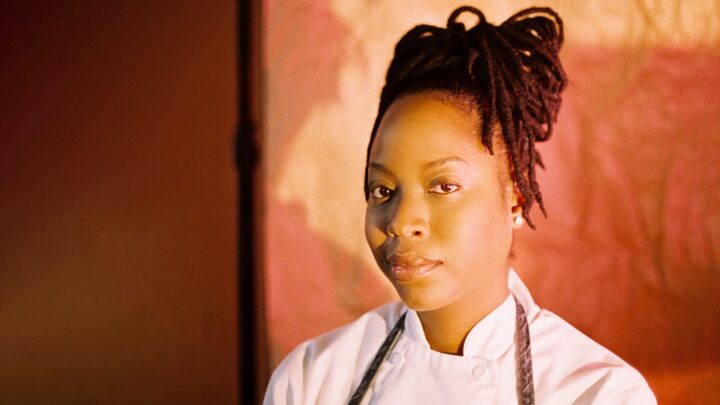
The Gourmand founder and editor in chief wants us to slow down and cultivate a discerning palate.
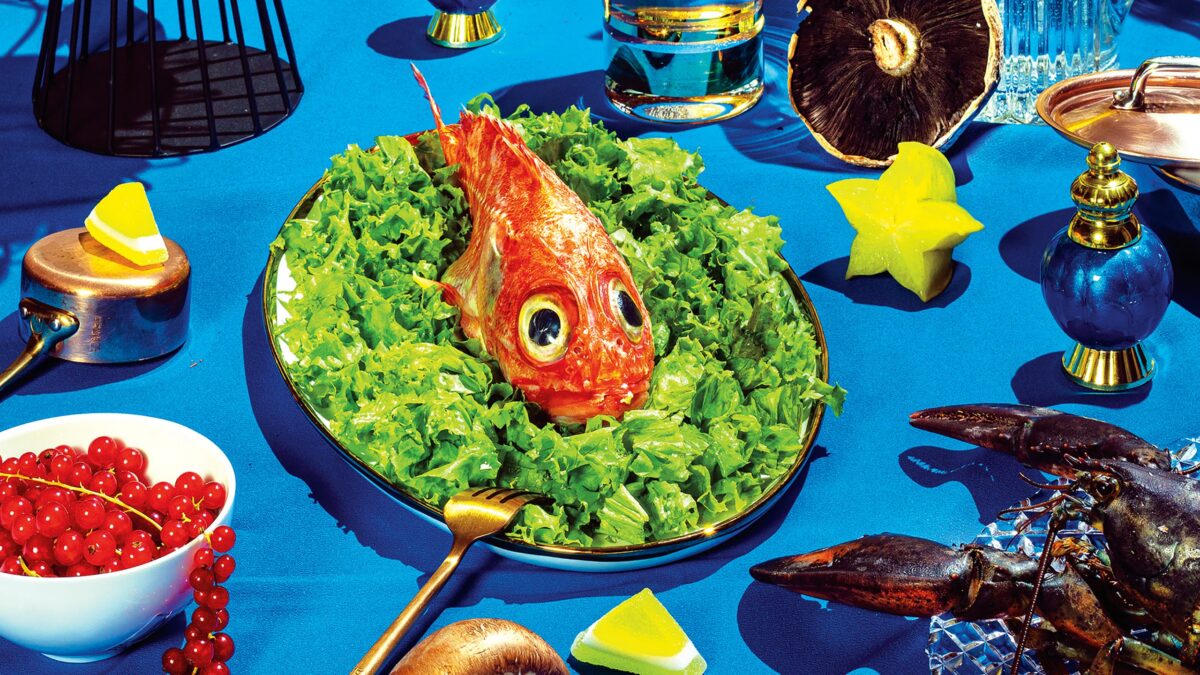
Be it food or information, the more substance we (thoughtfully) consume, the more we gain. Our personal likes and dislikes are what make us interesting, and we can develop these preferences only through experience. So how, in a world of instant gratification, do we keep our sense of taste both individual and refined?
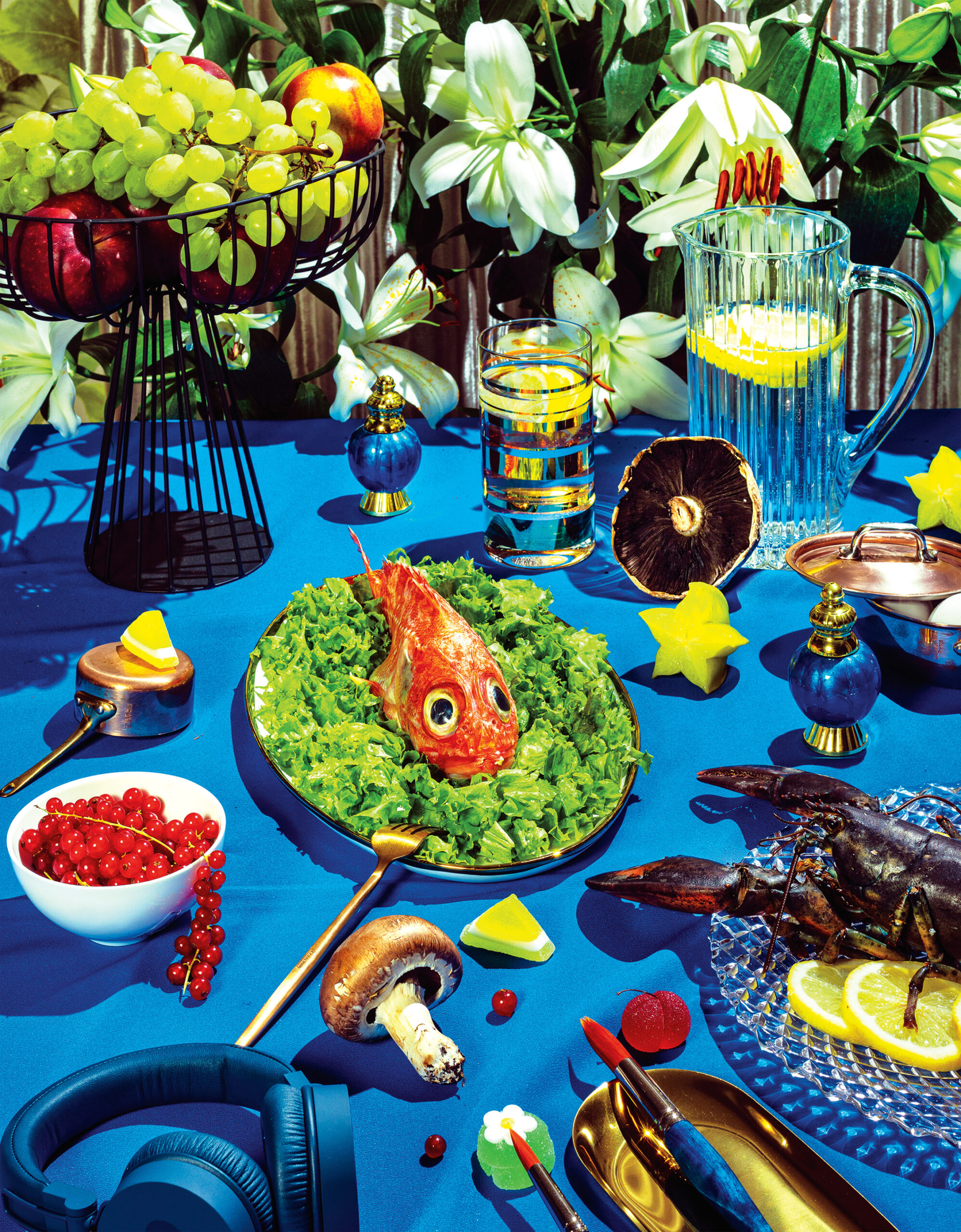
Everybody eats, but food is about so much more than just eating. My partner and I founded The Gourmand as a means to talk not just about food but about the culture that surrounds it. To tell the stories of people who are inspired by eating and drinking—whether they’re artists or writers, filmmakers or chefs, designers or musicians—we talk to them about their inspirations, aspirations and experiences. The journal is also a place for us to collaborate with photographers, set designers and illustrators to produce photo essays, still-life features and documentary imagery, all inspired by the endlessly creative field of food. As editors, we see the magazine as a culmination of our personal interests and ideas, and its pages as a testament to food’s communicative power. Essentially, The Gourmand is about taste—in every sense of the word.
The predominant purpose of taste is to keep us alive, to prevent us from eating poison. It’s essential to our evolution, designed to entice us to eat a varied diet and stay in good health. And of course it provides the utter pleasure of eating.
We also use the word taste to describe our leanings in music, art, fashion, film or anything else with which we surround our physical or psychological selves. And the same word has been adopted to describe an experience—a taste of something new. On all counts, taste is one of the key ingredients that make us who we are.
Taste buds are composed of some 50 to 100 taste-receptor cells bundled together on the tongue and epiglottis (the protective flap in the throat). These receptors are responsible for the detection of various tastes, commonly distinguished as sweet, salty, bitter, sour and umami. But it’s the gustatory cortex in our brain that processes taste, and it is this part of the brain we can teach how to taste. By feeding it with information, chefs, sommeliers, food analysts—anyone—can expand their sensory knowledge of flavor.
Taste takes time to develop, and it all starts in the womb. A fetus develops taste buds that can detect strong flavors through the amniotic fluid from as early as 13 weeks in utero. Once a baby is born, flavors can be passed on through the mother’s breast milk. As the milk changes according to the mother’s diet, the baby’s library of flavors broadens.
Exposure to flavors at an early age contributes to the tolerance of certain foods. I was very aware of this while weaning my firstborn, and now at the age of four he enjoys eating spicy food as much as he does beans on toast. Flavor exposure enables children to accept foods within their culture—and explains why they may have an aversion toward other flavors.
Our taste in food is not something we’re born with; it can be learned and refined over time, and the same is true of our cultural tastes. Fetuses can hear from as early as 18 weeks, and taking in sounds at such an early age helps familiarize them with the world they’re about to enter. As with our taste in food, our taste in music is something we have to find: We can learn what we like or don’t like only through discovery.
This journey of discovery is infinite. Throughout our lives our tastes can evolve as we’re exposed to economic, ethical and environmental factors. I for one float between being a “free-form” carnivore to a fish-eating vegan depending on where I am in the world, what my body craves and what I’ve recently read or watched. And some things we can just outgrow (though I can’t imagine I’ll ever stop loving vanilla ice cream).
Our tastes are realized through knowledge and experience. Be it food, music, art or wine, we get the most out of the things we put the most into. It’s key to our development that we allow ourselves the time to discover, experiment, play and digest. But in this age—when we can shop a pop star’s look while Alexa queues up that same artist’s latest album, or google the latest superfood as our fridge orders groceries, or Instagram the art others have “curated” for us while an algorithm selects films to watch on Netflix—time is hard to come by. Are we missing out on the exploration of our personal likes and dislikes, the adventure of discovering them and the pleasure of consuming them? Through social media and the amplification—as opposed to cultivation—of our own tastes, are we in fact not learning enough about ourselves?
Perhaps we should avoid being told what’s in good taste, stop following the tastemakers and take the time to discover things for ourselves. After all, home-cooked food always tastes much better than ready-made.
Read the Rest of The Playboy Symposium: On the Five Senses
I See What I Hear by Sacha Jenkins
Chlorine and Brunettes by Colman Andrews
Bring on the Vomit by Paul Feig
Touch is More Than Touch by Emma Koenig