Your bag is empty.

What happens when AI relationships enter divorce court.
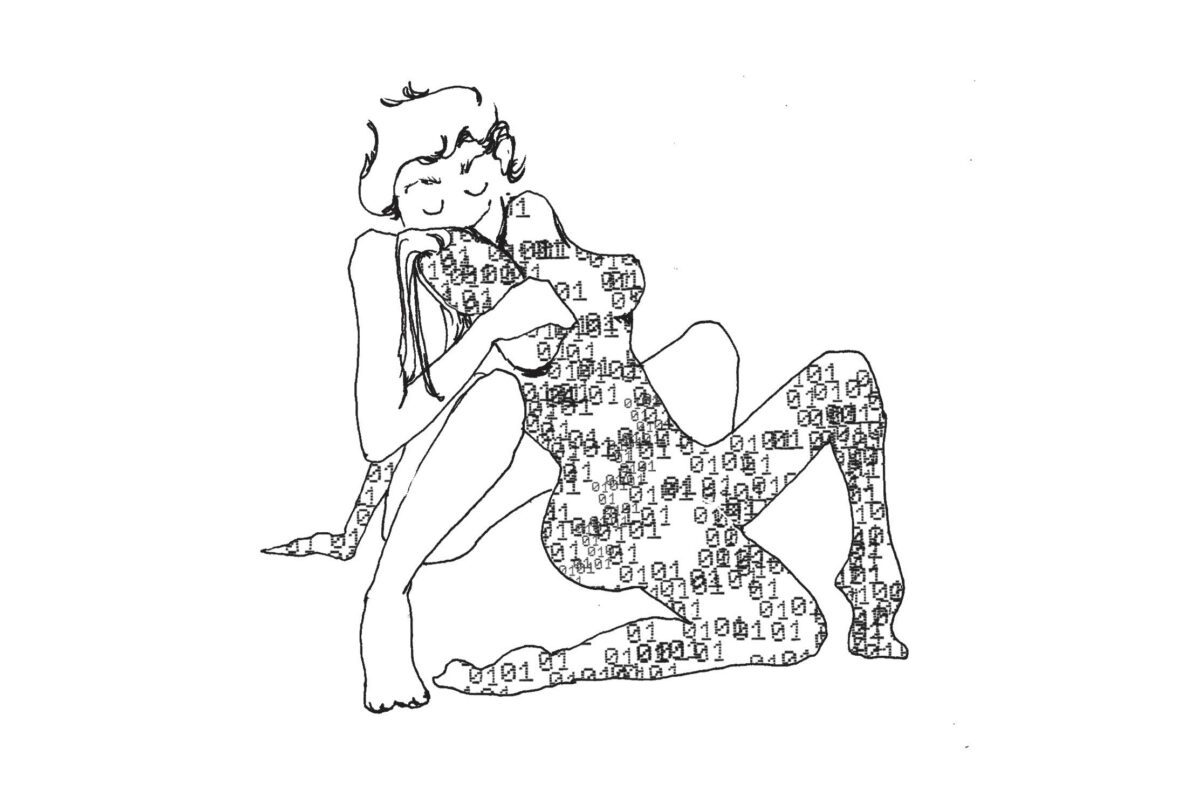
“I don’t know if he’s having an affair. He’s not leaving the house, but he’s not interacting with me.”
This is a version of what a client recently told Megan Noble, a family law attorney in Kansas City, Missouri. After a little digging, they found out the client’s husband was cheating on her—sort of. “He had spent a ton of money on subscriptions for AI virtual girlfriends,” Noble says.
For Noble, the calls have become familiar. “Clients say, ‘I didn’t know that my spouse had a $50,000 credit card out there,’ and it’s for AI [chatbot] stuff,” she says. The trend is already showing up in divorce filings.
Divorce-Online, the U.K. online divorce provider, reported an increase in divorce applications in early 2025, with filings referencing a partner’s relationship with AI chatbots from platforms such as Replika, Anima, Dream BF.AI, and Wife GPT. This past November, Wired reported that a “divorce boom” was on the horizon, noting that a “new legal frontier is emerging in family law” due to AI romances. Now states are having to discern whether or not an AI chatbot is considered a third party and, in turn, if a relationship with one is a viable cause for divorce.
But will all this AI companionship really lead to more divorces? James Sexton, a divorce lawyer in New York, doesn’t think so. “It may be the newest manifestation of an age-old problem, which is we’re not particularly good at monogamy,” he says. “The problem of loneliness, the problem of alienation from your partner, the problem of feeling disconnected—we throw new things at them all the time.” Prostitution, porn, chat rooms, social media DMs and disappearing messages, Only Fans and subscriptions to online sex workers, and now chatbot relationships are just the newest iterations. “None of them seem to do a particularly good job,” he says. “They’re all Band-Aids on a bullet wound.”
Still, cheating is cheating, whether it’s with a human or a bot, says Maryanne Fisher, a professor of psychology at Saint Mary’s University in Nova Scotia and an affiliate faculty member at the Kinsey Institute at Indiana University, in Bloomington. “It really comes down to what’s actually leading that person to choose the outlet instead of the partner or the relationship,” she says. “I think intention is what’s important, and that’s a really hard one to talk about legally, let alone philosophically or psychologically.”
In divorce court, hurt feelings don’t carry much weight. “[Clients] feel, ‘This is embarrassing, and I’m angry and I want to punish them.’ To what extent? Because there’s no remedy in the law that says, ‘OK, you cheated with AI, or you had a relationship with AI. This is how we’re going to punish you,’ ” says Noble. “We tell clients the court doesn’t care if you’re cheating. What they care about is if you’re depleting marital assets.” That, of course, can be a major issue with chatbot affairs, as people secretly spend thousands on subscriptions and in-app purchases.
Even then, not only is it unlikely that chat- bots will lead to a divorce boom, but they also won’t be the sole cause of a divorce. If someone digitally steps out on their relationship with a chatbot, there are other issues at play.
“The AI didn’t find the person,” Fisher says. “The AI didn’t come and say, ‘Hey, do you want to engage in cybersex?’ ” It may be the conduit, but it isn’t the cause.