Your bag is empty.

Many media outlets’ framings of the situation don’t quite recognize what’s going on
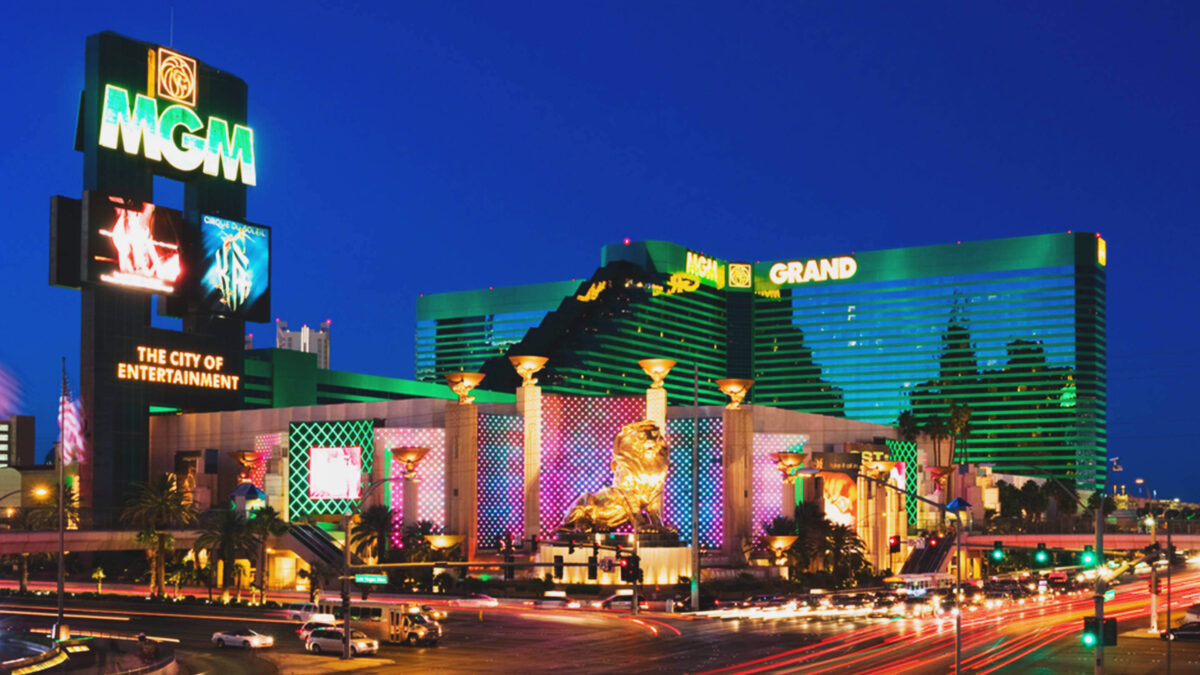
On October 1 of last year, shooter Stephen Paddock killed 58 music festival-goers from a window on the 32nd floor of MGM’s Mandalay Bay Resort. Now, MGM Resorts is suing the victims of the deadly mass shooting in what seems to be a terrible PR move, bound to generate plentiful media ire and public outrage.
Although many media outlets aren’t reporting it, it’s worth noting right off the bat that MGM isn’t seeking any monetary compensation from victims of the shooting. The hotel chain suing the 1,000-plus victims in an effort to avoid liability and potential future negligence suits, and the company asked federal judges in Nevada and California to rule on whether MGM can be held liable for tort in security measures that enabled the gunman.
MGM says that a 2002 federal law, the Support Anti-Terrorism By Fostering Effective Technologies (SAFETY) Act, gives liability protection to companies that use “anti-terrorism” technology. Since the vendor from which MGM contracted out security for the Route 91 Harvest festival has been vetted by the Department of Homeland Security, MGM claims they cannot be held liable. One potential issue with that reasoning is that the security company might be protected via the SAFETY Act, but not MGM itself.
Another potential issue at play is the classification of Paddock’s act as “terrorism”––it’s currently still unclear what his motives were, and the terrorism classification is likely to be relevant in terms of discerning whether the SAFETY Act applies.
Las Vegas-based attorney Robert Eglet told the Las Vegas Review-Journal that the lawsuit’s grounds are “obscure.” Eglet and other lawyers have also questioned whether these claims should be made in federal court, as MGM is trying to do, or through the state’s court system, since MGM is a Nevada-based company.
It’s hard to say what implementation of better security measures would look like. Too often, efforts to respond to tragic events only result in security theater.
Media outlets like Splinter have taken this story and run with the outrage, claiming, “To sue victims of this shooting may seem, oh, unconscionable, but don’t worry: MGM has an airtight excuse. The lawsuits are ‘an act of compassion for the victims,’ MGM spokeswoman Debra DeShong said in a statement Monday.”
On one hand, they’re partially right––from a public relations standpoint, MGM is being quite callous and doing a poor job of explaining what exactly they’re after (protection from liability, not money from victims). They should tread more carefully when dealing with something as serious as figuring out liability from a mass shooting.
DeShong did clarify that the company is trying not to draw out litigation, in an effort to help victims heal. That’s likely partially accurate, but MGM also seems to be pretty overtly trying to prevent its own company from having to pay out massive settlements, so one would be naive to think it’s an entirely altruistic pursuit. Still, many media outlets’ framings of the situation don’t quite recognize what’s going on: This is a liability issue, not an issue of MGM extorting victims for mass amounts of money.
One broader policy implication that’s unlikely to be sorted out through this suit is how exactly a music festival could prevent against a mass shooting of this scale. The Las Vegas shooting is known as the deadliest mass shooting in U.S. history––the 22,000-person event resulted in 58 deaths, 59 including the shooter, and nearly 500 injuries.
Some politicians and activists have claimed banning bump stocks (the accessory that allows a semi-automatic rifle to fire like an automatic weapon) could have prevented the high number of casualties, while others believe that criminals hell-bent on getting access to certain types of weapons and accessories will find a way to do so, despite regulations. Others claim that security measures at Mandalay Bay should’ve prevented Paddock from bringing guns into the resort, but it’s hard to say what implementation of better security measures would look like. Too often, efforts to respond to tragic events only result in security theater, as is the arguable case with the notoriously-incompetent Transportation Security Administration, or TSA.
Still, MGM should recognize that this legal battle only makes their company look bad, regardless of outcome.