Your bag is empty.
Motorsports' resident expert, Chris Medland, details everything you need to know.
This story appears in our Spring 2026 issue, on newsstands now. Want us to come to your place? Order the issue here to get it delivered to your door, or become a member to get digital access to the issue and early access to paywalled content.
Ana de Armas walks the wrong way down the track and ignores a television interview request. Emily Ratajkowski and Camila Cabello push past mechanics sweating in overalls and team sponsors posing for selfies, barely able to see the asphalt below their feet.
There’s 15 minutes to go until the start of the first three-way Formula 1 title decider in 15 years, and the cars sit ready to race yet hidden from view. The grid—the starting point for every F1 race—is packed shoulder to shoulder with the atmosphere of a red carpet, just dressed in asphalt.
Zak Brown, the American CEO of the all-conquering McLaren team, is looking for one of his investors to join in on a photo opp. But he can’t escape my microphone for a quick interview, because he can’t move. “The sport is on fire and long may it continue,” he says of F1’s explosive growth.
Two hours later, Lando Norris stands on top of the podium in Abu Dhabi as a world champion for the first time, having beaten Max Verstappen by two points in the closest title battle in nearly two decades. It’s a podium that millions of non–racing fans around the world have now seen on the big screen thanks to Brad Pitt’s F1, the highest-grossing auto racing film in history.
The racing series has never been more popular. Patrick Mahomes and Travis Kelce have skin in the game with one of the teams, Alpine. The owners of the Dodgers and Lakers even have their own entry, Cadillac, hitting the track this year. On a recent episode of the podcast F1 Explains, Formula 1 president and CEO Stefano Domenicali mused on how “encouraging” it is to see the sport’s exponential rise. “Now the picture is much bigger, and we need to think even bigger,” he said. “Just look back—I’m not talking about 40 years, but just four years ago—the sport was in a different dimension.” He’s not wrong. Before COVID hit, you’d be forgiven for not knowing F1 existed.
Back then, races on ESPN averaged barely over half a million viewers, and there was just one U.S. race, in Austin. Then the world went into lockdown, and F1’s American ownership struck lucky. After Liberty Media bought the sport in 2017, it green-lit Formula 1: Drive to Survive, a Netflix docuseries aimed at the U.S. market. The series stripped away the technical mystique and leaned into personality: You’re not rooting for an absurdly fast car; you’re rooting for the superheroes behind the wheel, or the warring bosses calling the shots. And Drive to Survive showed that in F1, scheming is necessary and winning is complicated. Reaching a new audience, the sport boomed. Controversial title battles, death-defying escapes, and a new generation of drivers speaking directly to younger fans pushed growth faster than a fired-up Verstappen. And last year was the biggest yet.
The 75th-anniversary celebration at London’s O2 arena in February 2025 sold out in 20 minutes. Viewership on ESPN averaged 1.3 million per race, a 20 percent increase from 2024. (The Abu Dhabi finale drew 1.5 million viewers.) Total season attendance hit 6.7 million, a new record. The aforementioned F1 movie not only grossed $600 million at the box office but also emerged as Apple’s most successful movie ever. Riding that momentum, Apple beat out ESPN for the latest U.S. television rights in a bidding war that pushed annual offers comfortably into nine figures.
This year brings new engines and new aerodynamics, producing cars different enough to reshape the competitive order. F1 is parlaying its popularity into expansion, with Audi joining Cadillac as new entrants under manufacturer-friendly rules that may also widen the field. It’s a reset—the hierarchy is no longer fixed. And this is where it should get interesting.
So you watched Brad Pitt do 58 laps at Abu Dhabi and now think you’re an F1 expert. Knowledge isn’t the point this year. Stakes are. Here are the real reasons to watch in 2026.
For the first time in 10 years, Formula 1 will have more than 20 cars racing, thanks to the arrival of a new entrant. And it’s not just any team— this is Cadillac, backed by General Motors and promising to bring a true American outfit to the grid.
Cadillac has facilities in Indianapolis and Charlotte, North Carolina, as well as a base in the United Kingdom as it goes about the challenge of building a team at the same time as building a car. And it’s one hell of a challenge.
With a huge budget and huge fanfare—the team’s identity was revealed during the Super Bowl halftime show in February—Cadillac is making plenty of noise but knows that being anything other than last will be an achievement.
Going up against the 10 established teams who weren’t keen on expansion, Cadillac will start off with Ferrari engines and proven race-winning drivers in Sergio Pérez and Valtteri Bottas. What the team must do is become competitive as quickly as possible.
“The closer you are to death, the more alive you feel.” That’s how James Hunt described his daredevil antics racing during the ’70s. He may not have been the most successful driver F1 has ever seen, but for many he was the coolest. He came from an era when drivers were revered as rock gods, risking their lives in a sport that went hand in hand with sex, drugs, and rock ’n’ roll. The danger was real—in the seven years Hunt competed, seven drivers died during F1 events—but that made flamboyant drivers like the good-looking and smooth-talking Brit even more popular.
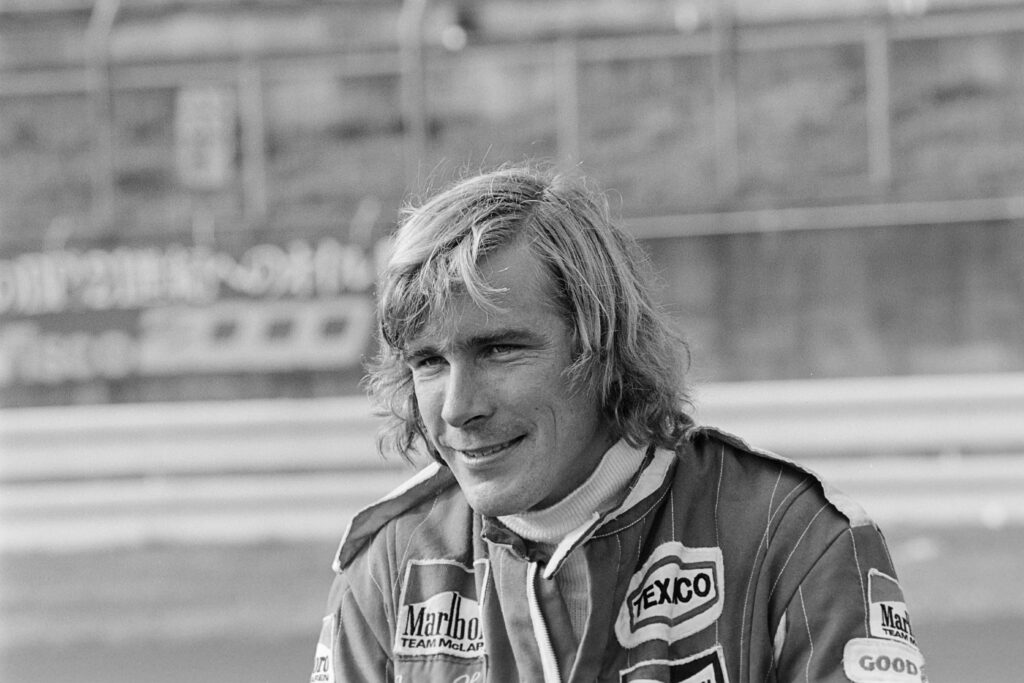
Hunt had success, winning a championship during a dramatic 1976 season that saw his title rival, Niki Lauda, nearly killed midseason—a year immortalized in the movie Rush—but his off-track escapades gained almost as much attention as his racing. Legend has it that he bedded 33 British Airways stewardesses in the Tokyo Hilton in the run-up to his title-winning race. Hunt even wore a patch on his overalls that read sex, breakfast of champions. Even after he retired, Hunt’s no-nonsense commentary style made him a cult hero, calling bullshit on French driver René Arnoux’s excuses live on BBC television.
That he died of a heart attack at just 45 only adds to his mystique.
An F1 car may be an insane blend of science, engineering, and art, but it’s only as fast as the human behind the wheel. At 200 miles per hour, drivers balance respect with rivalry. Beating a rival on the track can mean the difference between multimillion-dollar contracts and championship chances—or losing one of the sport’s 22 seats. And with new cars to master this year, the stakes are higher than ever. So who will go big, and who’s on the wane? Our predictions, here:
THE NEW CHAMP: Lando Norris, McLaren
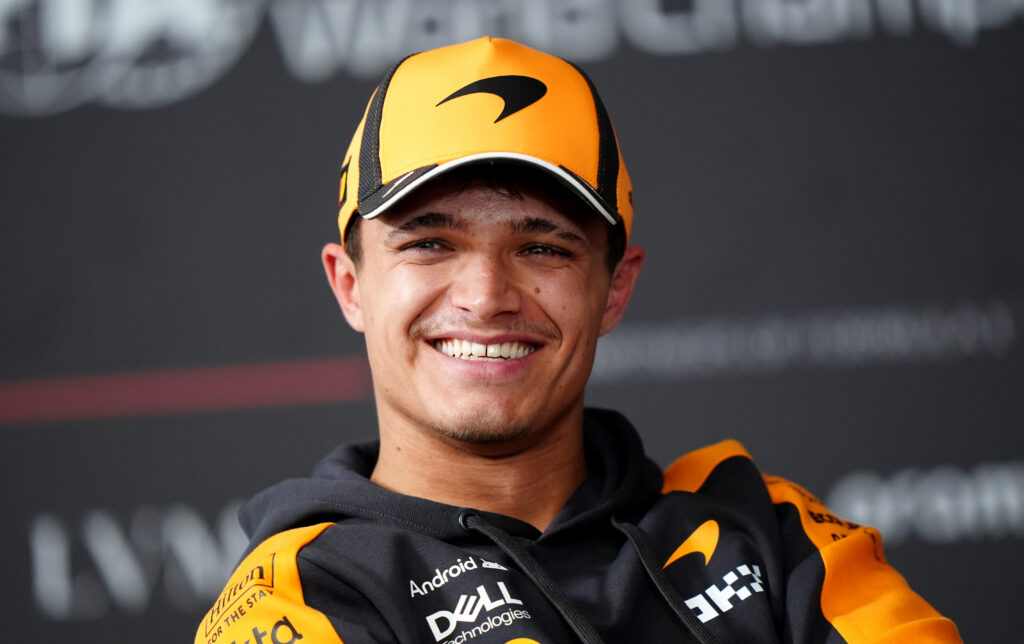
After winning his first race in 2024, Lando Norris toppled reigning champion Max Verstappen last year to take his first championship. The British driver has been with McLaren his entire career and saw off the challenge of younger teammate Oscar Piastri, answering his own questions about whether he had what it takes to win a title. Open about his feelings and his self-doubts, Norris attracts a younger, often female, fan base, but he has been criticized for a lack of a killer instinct. Does carrying the number 1 on his car this year give him an edge or bring further pressure?
THE FADING GOAT?: Lewis Hamilton, Ferrari
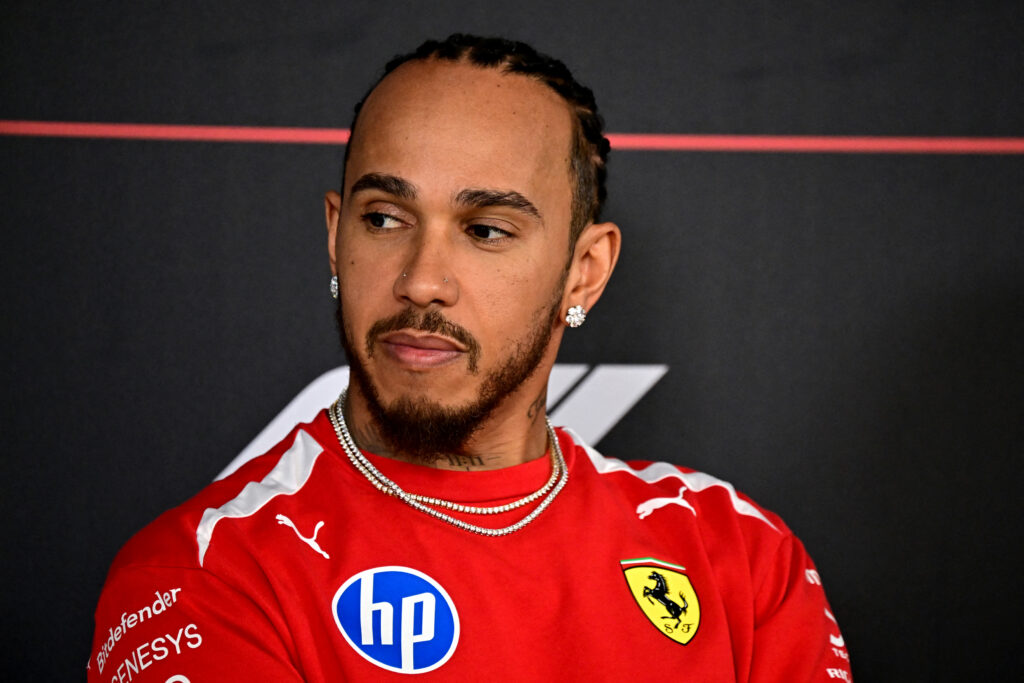
With the most F1 wins of any driver ever and seven world championships under his belt, Lewis Hamilton made one of the most anticipated transfers in the sport’s history when he moved to Ferrari last year. It soon turned into a nightmare, as Ferrari failed to win a race and the British driver didn’t stand on the podium for the first time in his 19-year career. As the sport’s only ever Black driver, Hamilton fights for equality off-track along with wins on it, but his legacy needs a better season in 2026 to prevent louder questions about whether it’s time for the 41-year-old to call it quits.
THE AGELESS MATADOR: Fernando Alonso, Aston Martin
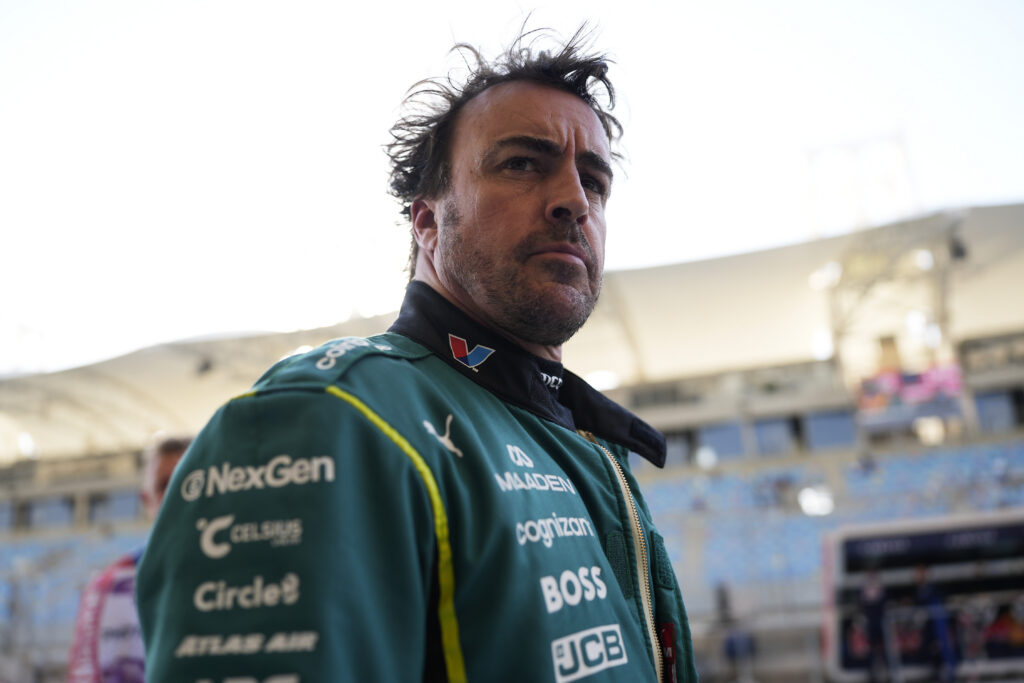
Hamilton’s not the oldest on the grid: Fernando Alonso will turn 45 this year. The second of his two world titles came 20 years ago, and the Spaniard’s career since then has been beset by badly timed moves between teams. Two starts at the Indy 500, wins at Le Mans and Daytona, and an attempt at the Dakar Rally all show his versatility and make Alonso the racer’s racer. Now at Aston Martin— which has huge backing and, in 2025, brought on the best car designer in the sport—Alonso goes in search of his elusive third title in what could well be his final season.
THE PRINCE OF MONACO: Charles Leclerc, Ferrari
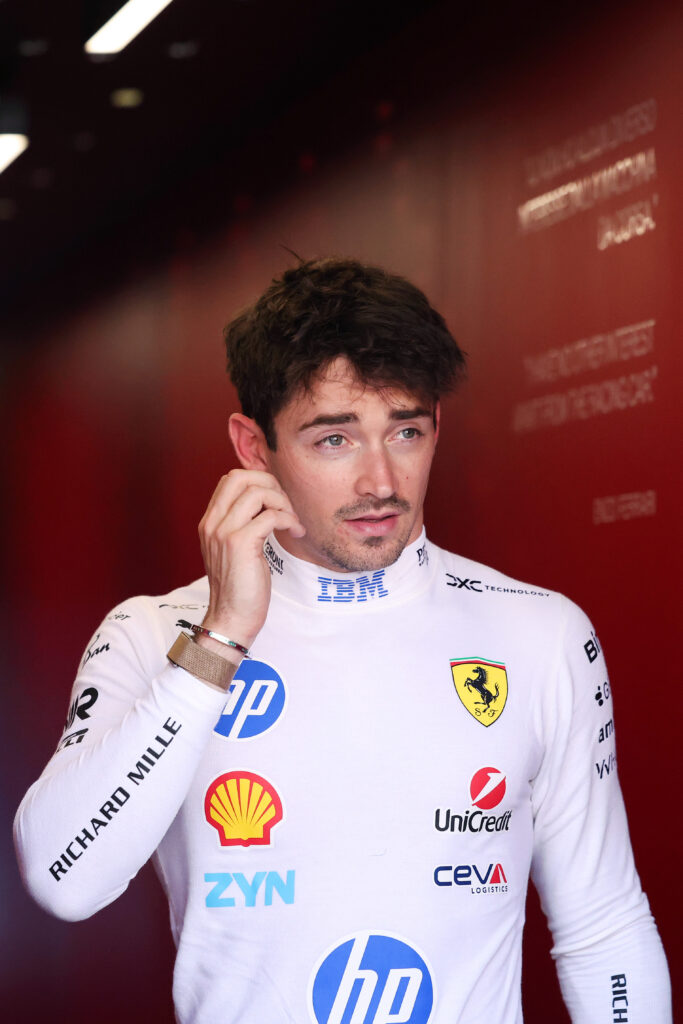
Being a Ferrari fan hasn’t been easy over the past 20 years, nor has being a Ferrari driver. Monaco’s Charles Leclerc was one of the youngest drivers to get such a coveted race seat when he joined the Scuderia at 21 in 2019, and he proved his mettle, becoming one of the fastest drivers over one lap. He has eight wins to his name, but a title tilt has eluded him and he often has to face up to the team’s failings. Massive support from a devoted fan base almost borders on sympathy. At 28, Leclerc could be facing his final realistic chance of chasing the Ferrari title he dreams of.
THE DUTCH LION: Max Verstappen, Red Bull
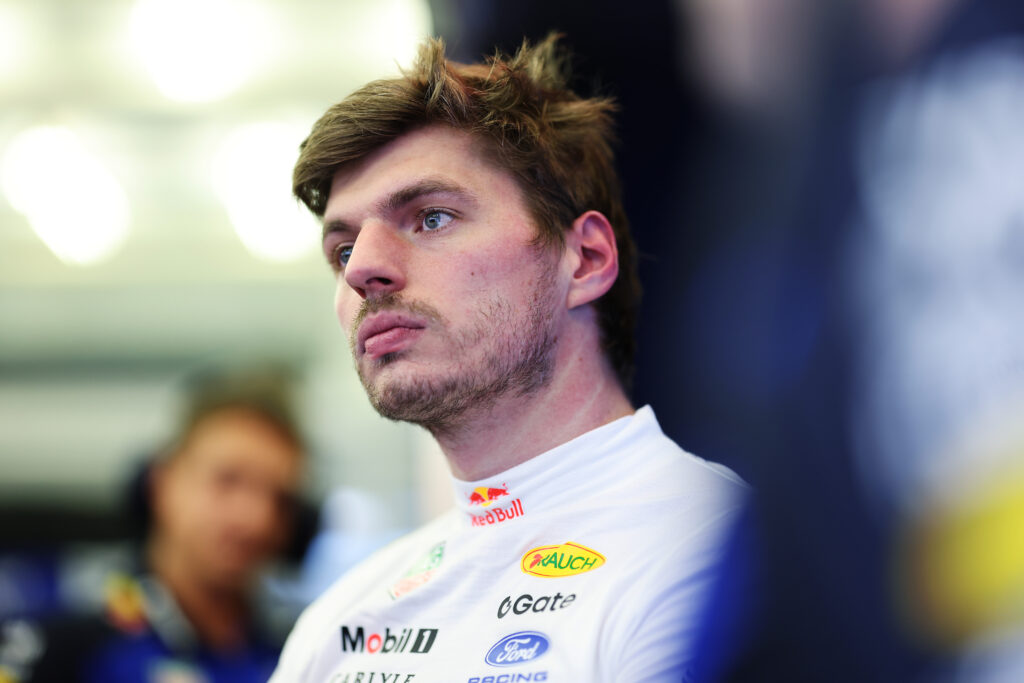
One of the best drivers of his generation, Max Verstappen, the four-time world champion from the Netherlands, came within two points of pulling off an epic comeback in his quest for a fifth-straight title last year. Uncompromising and aggressive on track, he is not afraid to push the limits and has earned a reputation that makes other drivers wary of how to race him. Backed by seemingly the entire Dutch population, Verstappen is regularly followed around the globe by a sea of orange. He might not have the machinery to challenge in 2026, but he will definitely win races if given a sniff.
THE BABY-FACED ASSASSIN: Kimi Antonelli, Mercedes
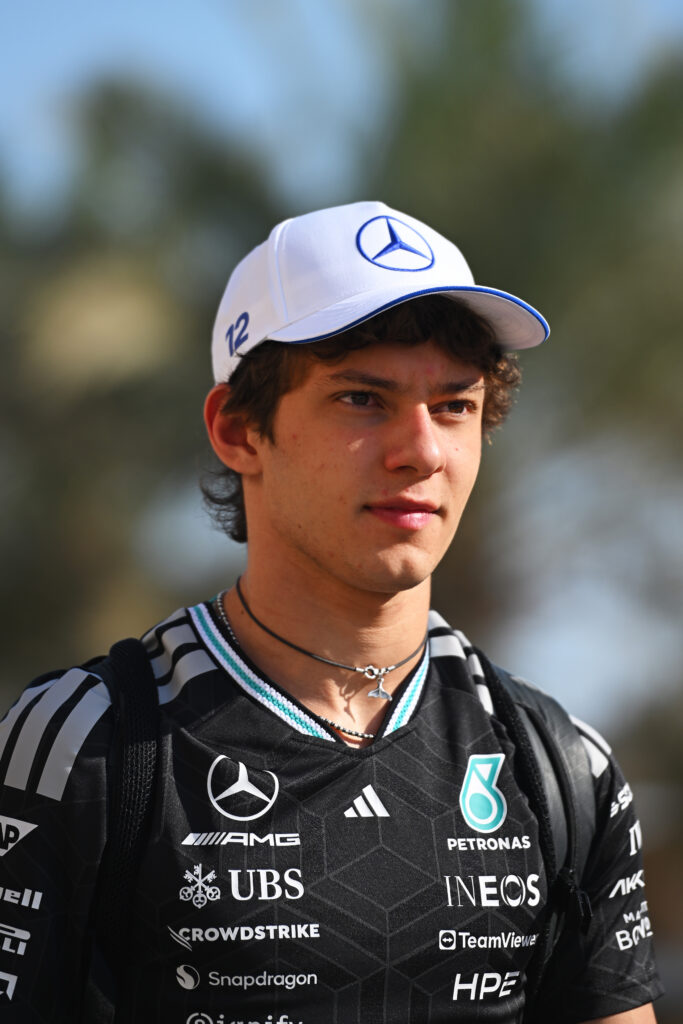
Want to root for an up-and-coming superstar? Look no further than the Italian teenager Kimi Antonelli. Last year, Mercedes fast-tracked the then 18-year-old into a race seat to replace Ferrari-bound Hamilton, and flashes of immense speed were paired with a fair number of rookie mistakes. But podiums followed, and a win wasn’t far away. With an exuberant driving style, the motorsport-obsessed Antonelli has been welcomed and supported by many of his rivals, but will that change if Mercedes gives him the car to start beating them all this year?
America is now Formula 1’s most aggressively courted market, and the only country with three races on the calendar. Each offers a very different version of the sport, from spectacle to substance to pure excess. Here’s how to decide which one’s worth the flight.
Austin – October 25
The O.G. Circuit of the Americas was built specifically for F1 in 2012, giving the sport a permanent American home when interest was nowhere near today’s levels. It’s an epic test for drivers with sections based on iconic corners from race tracks around the world. Austin embraces F1 completely, drawing massive crowds for legitimately great racing complemented by huge concerts. (This year Post Malone and Maroon 5 will play; Taylor Swift and Eminem have headlined in the past.) Go if you want the best balance of serious racing and a proper festival atmosphere.
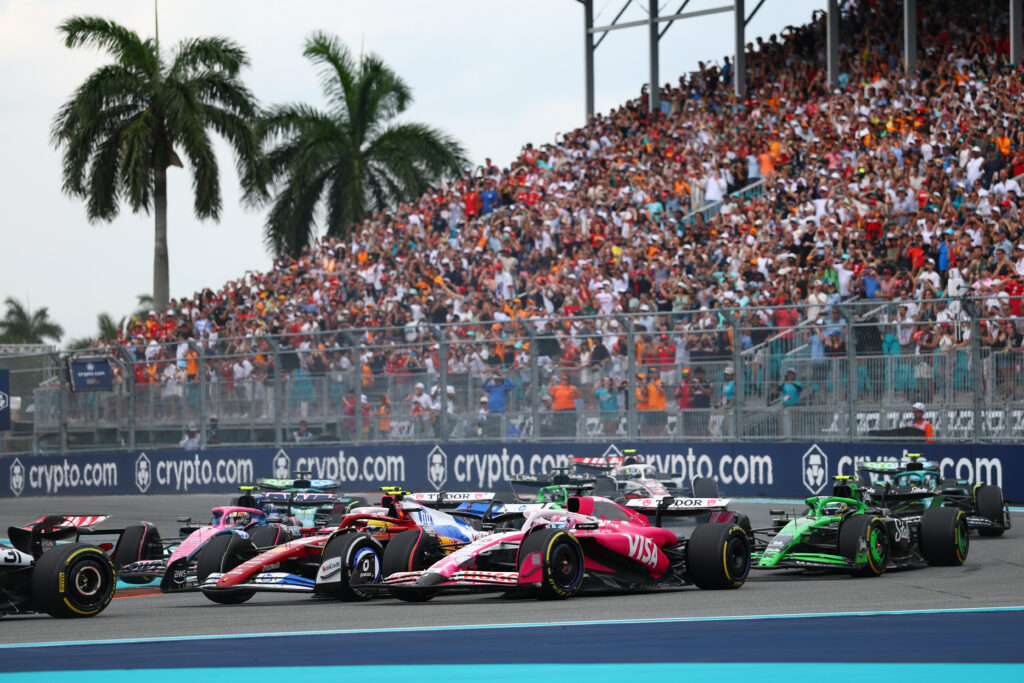
Miami – May 3
The party race. Miami made a splash in 2022 with a track that winds around Hard Rock Stadium, and everything about it is overtly South Florida. There’s a beach club section and a fake marina, complete with boats, to sell the illusion trackside. The racing can be exciting, but the weekend leans just as much into the scene: Paris Hilton DJing, LeBron James hosting dinners at Carbone Beach, and nonstop opportunities to be seen. Go if you want the full spectacle and don’t mind if the race itself is secondary.
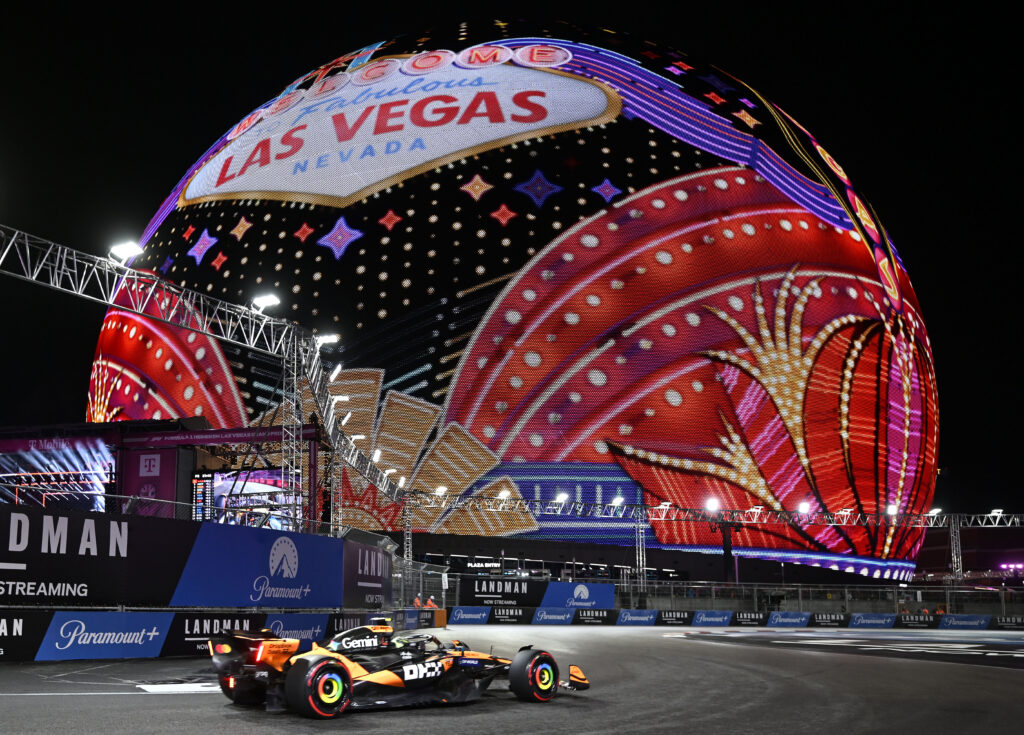
Las Vegas – November 21
The high-roller grand prix. F1 invested its own money to make Las Vegas happen in 2023, spending nearly half a billion dollars to build a circuit that races straight down the Strip. It’s a spectacular Saturday night race aimed at the biggest of big spenders, offering pure Vegas entertainment with legitimately exciting on-track action. Go if you want speed, spectacle, and excess in equal measure, and have the budget to match.
The 2026 calendar crystallizes Formula 1’s tension between tradition and growth: Monaco remains untouchable, while Madrid debuts.
Monaco – June 7
The Monaco Grand Prix is the jewel in F1’s crown, showcasing all the glitz and glamour of Monte Carlo. Nearly ever-present on the schedule since 1950, it’s a race that would never get approval today. The tight and twisty layout makes for processional racing more often than not. But Monaco doesn’t need to justify itself. It’s Monaco, and F1 keeps the race around for what it represents, not how it races.
Madrid – September 13
Madrid is built to be the opposite: a modern street circuit designed for high speeds, banked corners, and actual overtaking. Set to host the Spanish Grand Prix for the next 10 years, it’s F1’s vision of what a street race should be when history isn’t holding you back. The location isn’t sexy (it’s the city’s exhibition center), but it’s accessible and built for purpose. This is the new model … whether you like it or not.
Drop a pin in Oxfordshire—around an hour outside London—and you’ll find yourself within 40 miles of facilities for 10 of the 11 teams competing in F1.
Though the global sport races from Mexico City to Melbourne, the majority of teams call this area, a.k.a. Motorsport Valley, home, either with their main headquarters or a satellite operation in the region. Since Audi (with a headquarters in Switzerland) joined the party with a technical center last year, only Ferrari is exclusively based elsewhere. The iconic Scuderia is housed in Maranello, close to Bologna in Italy. Racing Bulls’ HQ is in nearby Faenza, but the team also has an aero dynamic facility near Audi’s new office in Bicester.
The reason for the concentration? The first ever F1 World Championship race, 1950’s British Grand Prix, was held at the Silverstone Circuit there, leading to the growth of supply chains and expertise in the area. Teams gravitated to the personnel and equipment they needed. Formula 1 may race around the globe, but much of the sport is built within a short drive of that first starting grid.