Your bag is empty.
From Martin Luther King Jr. to Dolly Parton.

Everyone jokes that they read Playboy for the articles, but if we haven’t made it abundantly clear, the articles are actually really good. Not only has Playboy had some of the best writers of our time pen stories for the magazine, but we’ve also interviewed the most consequential public figures in recent history for our legacy series, the Playboy Interview.
These interviews broke news and provided unprecedented access to powerful, beloved, and, at times, reviled figures. In honor of National Archive Day, we dug up five of the best Playboy Interviews from the past.
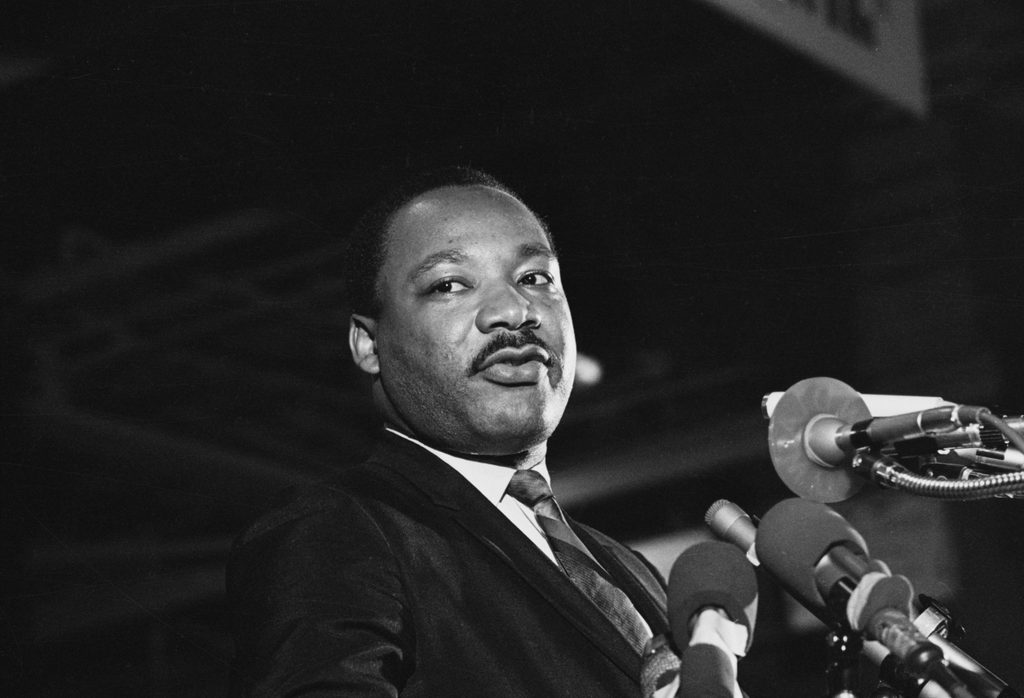
In 1965, Playboy‘s Alex Haley caught up with civil rights leader Martin Luther King Jr. through numerous interviews over the course of a week. The end result was the longest interview King had ever granted. With Haley, King discusses his personal struggles, admits to some “tactical errors,” unpacks his thoughts on Malcolm X, and, of course, lays out his dreams. In his interview, King said he would “dedicate the rest of [his] life to the Negro cause” if he had to, but he dreamed of a day when “the demands presently cast upon [him] will be greatly diminished.” He estimated that day would come in the next five years. He didn’t live to find out. The 39-year-old was killed in 1968, assassinated while standing outside his hotel room in Memphis.
On being bailed out of jail after organizing bus boycott because of Rosa Parks’ arrest:
“I think it was a mistake, a tactical error for me to have left jail, by accepting bail, after being indicted along with 125 others, mainly drivers of our car pool, under an old law of doubtful constitutionality, an ‘antiboycott’ ordinance. I should have stayed in prison. It would have nationally dramatized and deepened our movement even earlier, and it would have more quickly aroused and keened America’s conscience.”
On Malcolm X:
“I totally disagree with many of his political and philosophical views—at least insofar as I understand where he now stands. I don’t want to seem to sound self-righteous, or absolutist, or that I think I have the only truth, the only way. Maybe he does have some of the answer. I don’t know how he feels now, but I know that I have often wished that he would talk less of violence, because violence is not going to solve our problem. And in his litany of articulating the despair of the Negro without offering any positive, creative alternative, I feel that Malcolm has done himself and our people a great disservice. Fiery, demagogic oratory in the Black ghettos, urging Negroes to arm themselves and prepare to engage in violence, as he has done, can reap nothing but grief.”
On what kept him going:
“I never will forget a moment in Birmingham when a white policeman accosted a little Negro girl, seven or eight years old, who was walking in a demonstration with her mother. ‘What do you want?’ the policeman asked her gruffly, and the little girl looked him straight in the eye and answered, ‘Fee-dom.’ She couldn’t even pronounce it, but she knew, it was beautiful! Many times when I have been in sorely trying situations, the memory of that little one has come into my mind, and has buoyed me.”
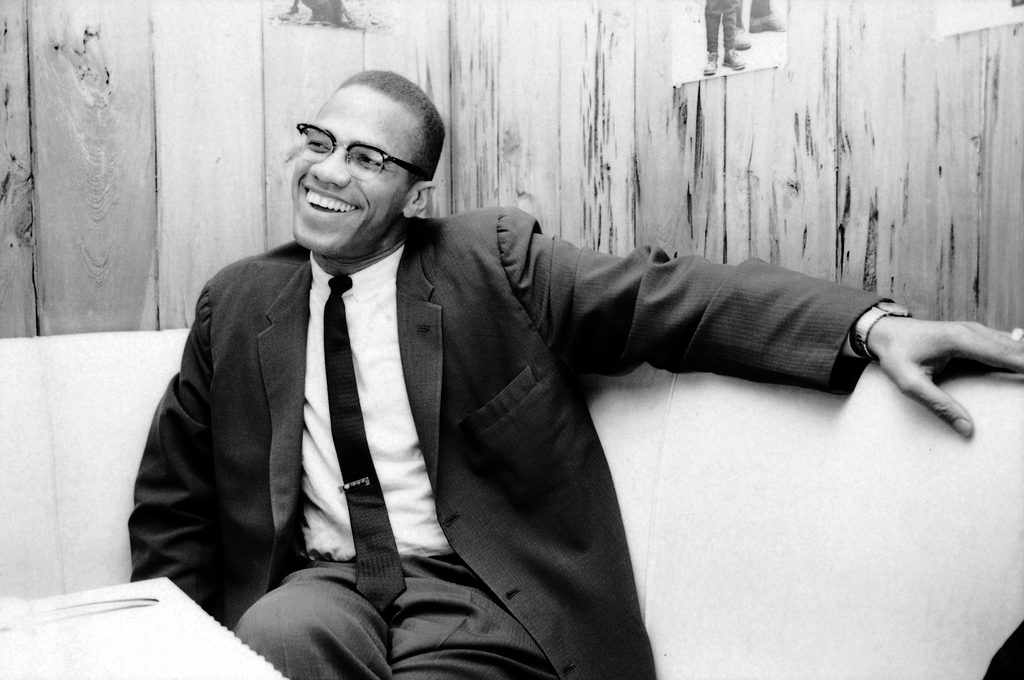
Two years before his talk with King, Haley sat down with Malcolm X, a prominent Black empowerment leader and figure in the Nation of Islam. Playboy caught Malcolm X “at the pinnacle of his most combative Black nationalist phase and America in the grip of racial turmoil,” according to the Guardian. Within a year of the interview, Malcolm X would reverse course on many of his stances, splitting with the Nation of Islam. But the interview became the basis of “The Autobiography of Malcolm X,” a collaboration between the civil rights figure and Haley, published about eight months after Malcolm X was assassinated in 1965.
On the difference between America and apartheid South Africa:
“They don’t stand for anything different in South Africa than America stands for. The only difference is over there they preach as well as practice apartheid. America preaches freedom and practices slavery. America preaches integration and practices segregation.”
On the idea of Black progress:
“You talk about the progress of the Negro—I’ll tell you, mister, it’s just because the Negro has been in America while America has gone forward that the Negro appears to have gone forward. The Negro is like a man on a luxury commuter train doing 90 miles an hour. He looks out of the window, along with all the white passengers in their Pullman chairs, and he thinks he’s doing 90, too. Then he gets to the men’s room and looks in the mirror—and he sees he’s not really getting anywhere at all. His reflection shows a black man standing there in the white uniform of a dining−car steward. He may get on the 5:10, all right, but he sure won’t be getting off at Westport.”
On his believe that white people are inherently evil:
“Is it wrong to attribute a predisposition to wheat before it comes up out of the ground? Wheat’s characteristics and nature make it wheat. It differs from barley because of its nature. Wheat perpetuates its own characteristics just as the white race does. White people are born devils by nature. They don’t become so by deeds. If you never put popcorn in a skillet, it would still be popcorn. Put the heat to it, it will pop.”
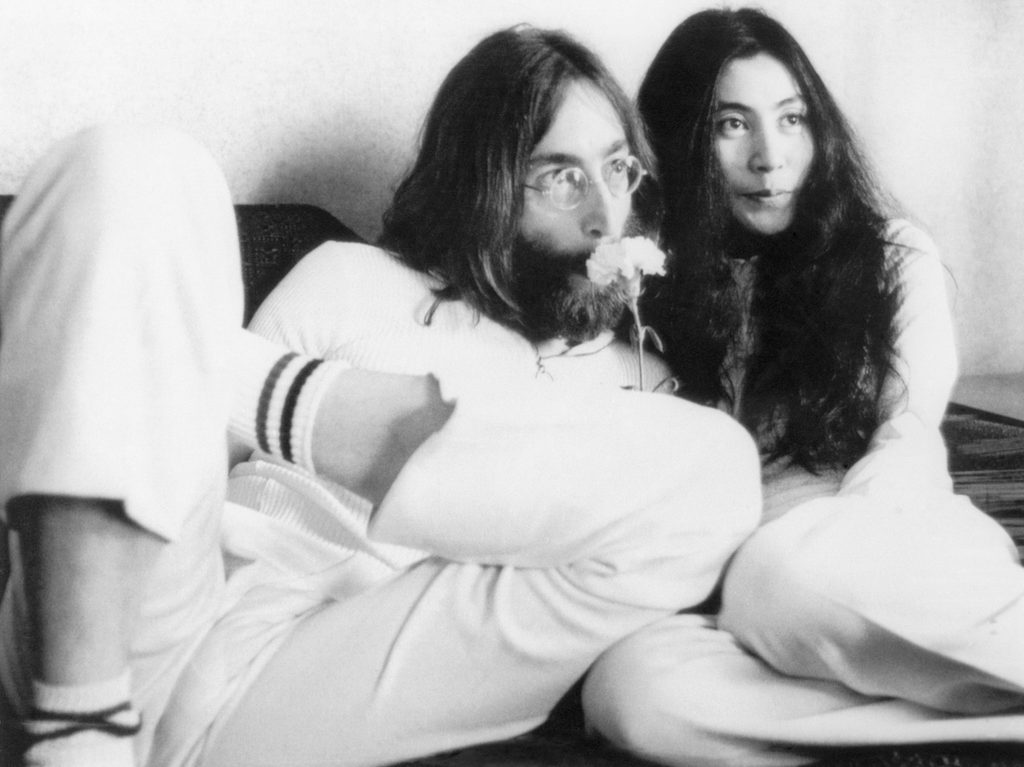
After a hiatus from public life, John Lennon and Yoko Ono slowly crept out onto the scene in 1980, offering a handful of interviews as the pair cut a new album. Reluctantly, Playboy was one of those interviews. Their talk with Playboy‘s David Sheff would have been significant no matter what—an often private pair, the interview offered a window into the controversy around their relationship, Lennon’s soured relationship with his former bandmates, and his thoughts on The Beatles’ larger influence. But the interview took on new meaning when Lennon was shot and killed just two days after it hit newsstands in December 1980.
On leaving the public eye and becoming a “house husband”:
“I had been under obligation or contract from the time I was 22 until well into my 30s. After all those years, it was all I knew. I wasn’t free. I was boxed in. My contract was the physical manifestation of being in prison. It was more important to face myself and face that reality than to continue a life of rock ‘n’ roll—and to go up and down with the whims of either your own performance or the public’s opinion of you. Rock ‘n’ roll was not fun anymore. I chose not to take the standard options in my business—going to Vegas and singing your great hits, if you’re lucky, or going to hell, which is where Elvis went.” – Lennon
On the controversy around their relationship:
“Do people think I’m that much of a con? John lasted two months with the Maharishi. Two months. I must be the biggest con in the world, because I’ve been with him 13 years.” – Ono
On answering Playboy‘s many questions about The Beatles:
“This Beatles talk bores me to death.” – Lennon
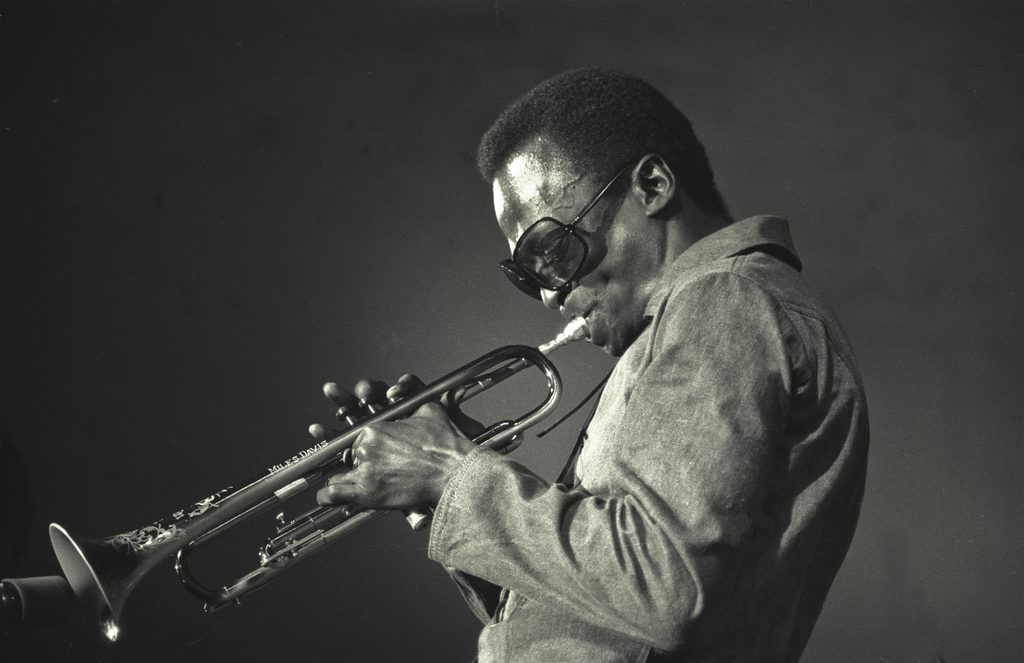
Miles Davis sat down with Haley in September 1962 for our very first Playboy Interview, kicking off the series with a bang. The famed trumpeter discussed prejudice against Black performers and people, his philosophy on critics, and much more, setting the tone for the wide-ranging nature of these interviews moving forward.
On the perception that he’s rude to his audience:
“Even in jazz —you look at the white bandleaders — if they don’t want anybody messing with them when they are working, you don’t hear anybody squawking. It’s just if a Negro is involved that there’s something wrong with him. My troubles started when I learned to play the trumpet and hadn’t learned to dance.”
On critics:
“I don’t pay no attention to what critics say about me, the good or the bad. The toughest critic I got, and the only one I worry about, is myself. My music has got to get past me and I’m too vain to play anything I think is bad.”
On racism:
“I got my music, I got Frances, and my Ferrari—and our friends. I got everything a man could want—if it just wasn’t for this prejudice crap. It ain’t that I’m mad at white people, I just see what I see and I know what’s happening. I am going to speak my mind about anything that drags me about this Jim Crow scene. This whole prejudice mess is something you would feel so good if it could just be got rid of, like a big sore eating inside of your belly.”
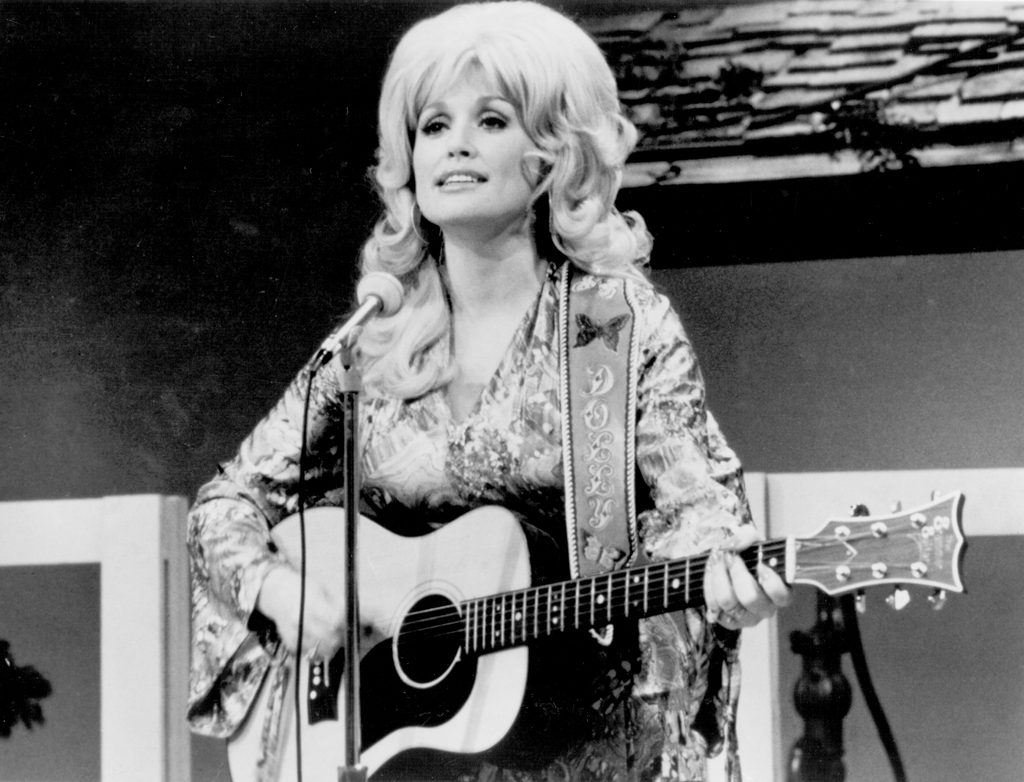
One of the most-loved figures of our time, Playboy caught up with Dolly Parton in October 1978 for an in-depth look at her life, career, and future. In the interview, Parton inadvertently laid out her life philosophy, one that gained extra meaning recently when she died at the age of 80. This interview is just plain fun, and offers an uplifting and funny jaunt through Parton’s mind.
On how she’d describe herself:
“I love life, so why should I fear somethin’ I love? And why should I not reach out to the things that I know I can touch? I’m strong-willed. I can think like a workingman because I know what a workingman goes through. I’m a person you could sit down with even if you were a total stranger and tell me the thing you thought was the most horrible thing and I would understand it. And I wouldn’t tell. I’m a good friend. I’m loyal and devoted to the things that I believe in…. I’m full of shit!”
On sex:
“I always loved sex. I never had a bad experience with it. I was just very emotional. I felt that I could show my emotion just like I show my emotion with words. If I felt I wanted to share an emotion, then I did. To me, sex was not dirty. It was somethin’ very intimate and very real. I don’t ever remember bein’ afraid of it. I wasn’t afraid the first time I tried it.”
On her biggest goal:
“I don’t want a tombstone. I want to live forever. They say a dreamer lives forever…. I want to be more than just an ordinary star. I want to be a famous writer, a famous singer, a famous entertainer; I want to be a movie writer; I want to do music movies, do children’s stories; I want to be somebody important in time; I want to be somebody that left somethin’ good behind for somebody else to enjoy.”