
Your bag is empty.
I wont pretend I’m a film or TV expert by any stretch of the imagination. In fact, I rarely watch TV at all because it baffles me that, as a fat, black, trans woman in 2018, I still don’t see myself reflected in media, and so I spend most of my leisure time advocating for our visibility. Therefore, when award-season banter begins unfolding, I express very little interest. Perhaps I never really understood what all the hype was about.
Nomination snubs happen all the time, especially within a cavernous pool of competition in an industry of cookie-cutter concepts and “safe-scripting.” Critics go mad over why their chosen contender should have been recognized for the same regurgitated story line Hollywood’s been peddling since its inception, and how criminal it was that they were deprived of their participation trophy.
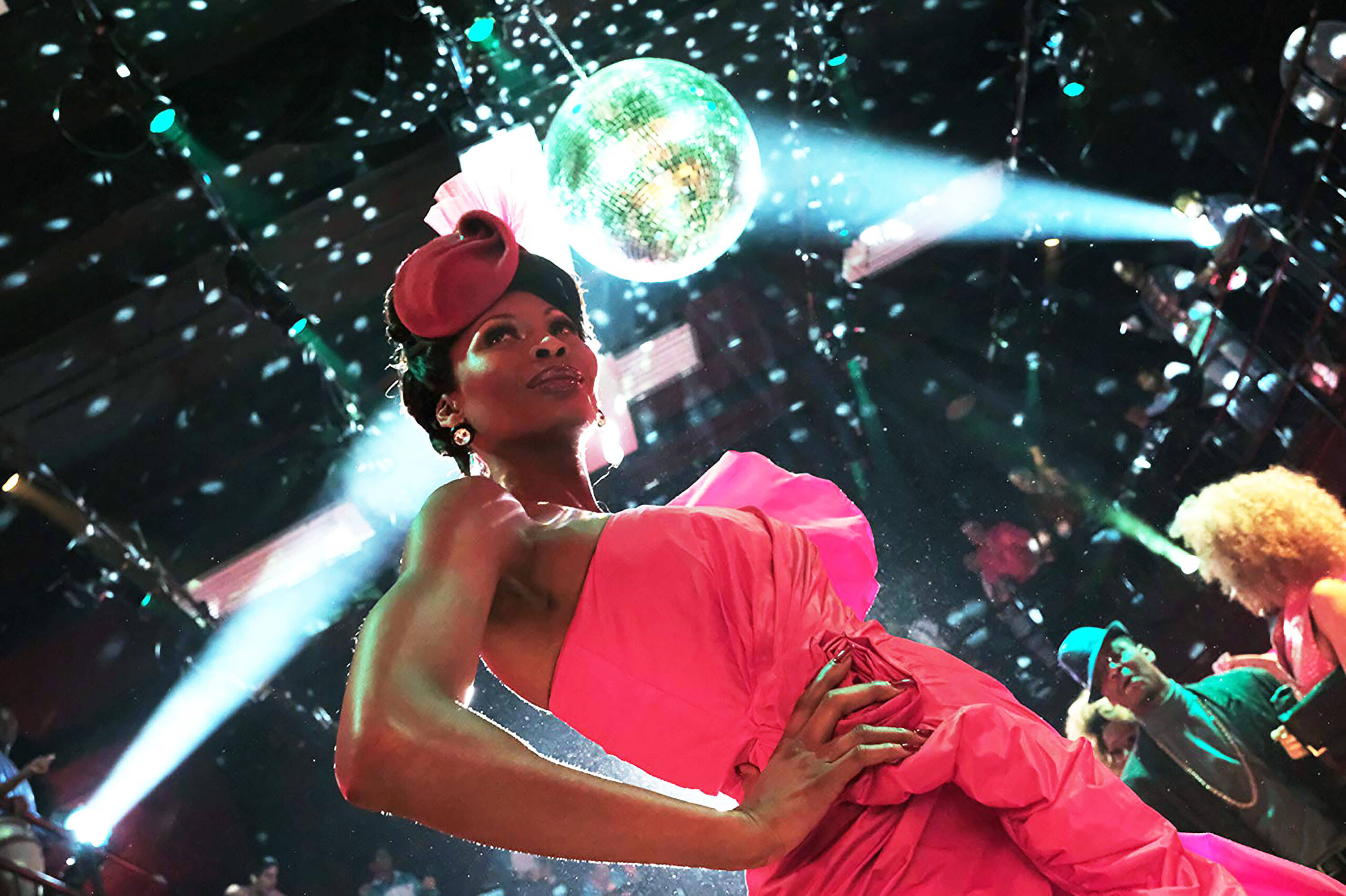
In the backdrop, maintaining their dignity, grace and poise, are many of the most talented, diverse and deserving individuals in film and television. As always, they have been largely absent from this year’s awards nominations thus far. This includes the trailblazing trans women of FX’s groundbreaking hit series Pose.
The show has clearly impressed critics: It picked up Golden Globe nominations last week for best drama series and for Billy Porter as best actor, and currently holds a 97 percent approval rating on Rotten Tomatoes. And yet not a single trans woman on co-creators Ryan Murphy, Brad Falchuk and Steven Canals’ show, predominately centering on the lives of trans women of color, has yet to earn a nomination, as the series’ complete omission from Wednesday’s SAG Awards nominations counted among the most glaring snubs.
While the women of Pose didn’t make the cut, they shaped the culture by triumphantly impacting the intersectional lives of millions of trans people who tuned in to see themselves reflected on TV for the first time.
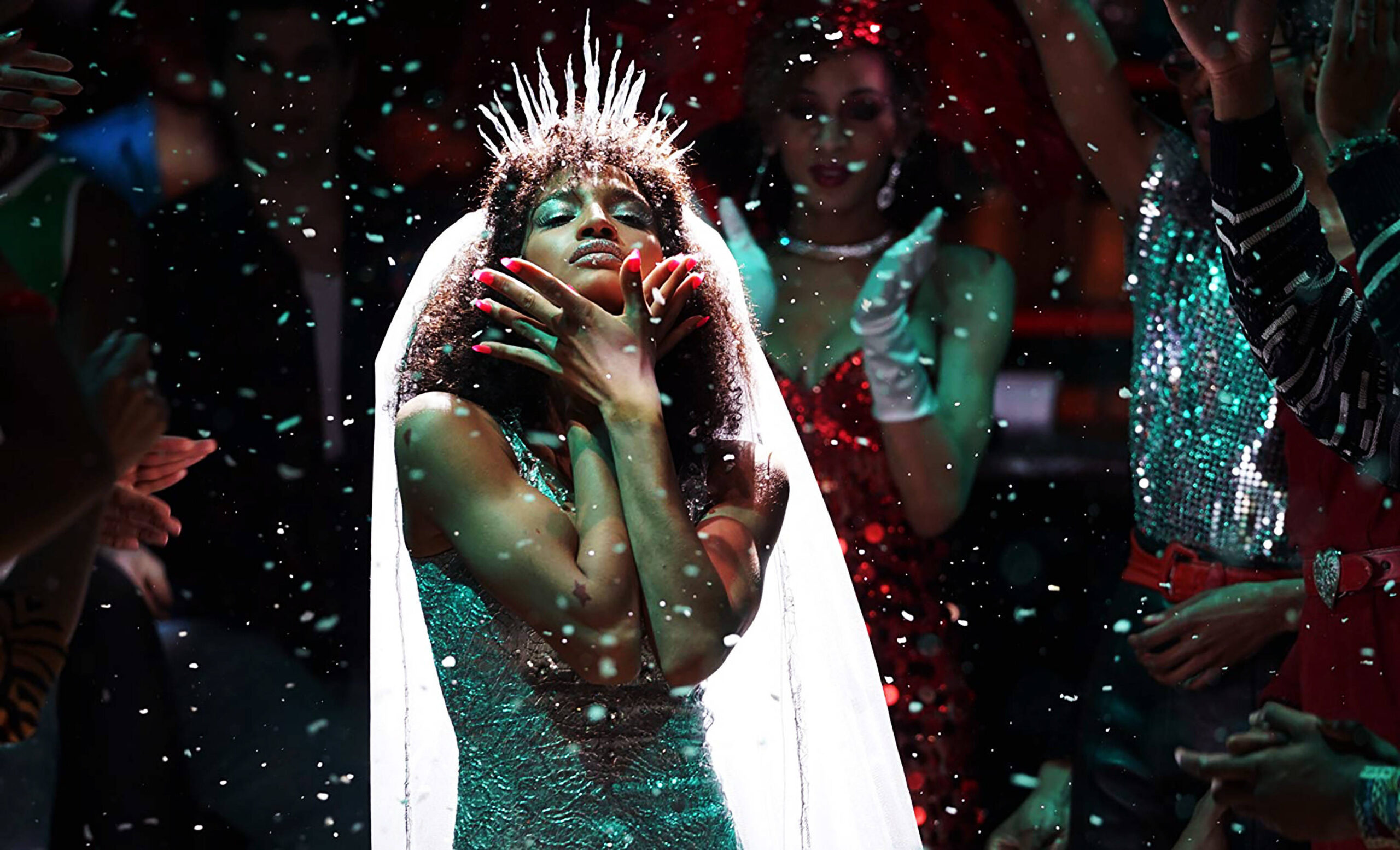
Like other pioneers of diversity in film and television, the actresses’ talent, labor and willingness to live their truth on and off-camera—in a world where there’s virtually no degree of separation between their own lives and the characters they portray—went unrecognized. Not only does Pose deliver the passion, performance and provocative themes of an award-winning series, the show made history across multiple fronts. Ryan Murphy hired an unprecedented number of LGBTQ talent, including five trans leads—Mj Rodriguez, Dominique Jackson, Indya Moore, Angelica Ross and Hailie Sahar—who deliver nothing short of excellence, while Janet Mock broke boundaries as the first trans woman of color to write and direct for episodic TV.
Granted, awards nominations will always be a subjective and competitive process, but the fact remains that we live in a day and age where cisgender actors land accolades for their “brave” portrayals of the trans experience, while the few trans actors and directors who are even given opportunities in the industry are overlooked for trophies. To celebrate trans brilliance in film and television would be to acknowledge our humanity—a daunting juxtaposition within societal attitudes toward trans identity. Too often, trans people are deemed nothing more than mythological caricatures, our narratives pre-packaged for cis-heteronormative consumption.
As a society, when will we disrupt the implicit notion that trans people should feel lucky but not celebrated, and placed under examination but not exaltation? When will we be viewed as adjacent and not ancillary?
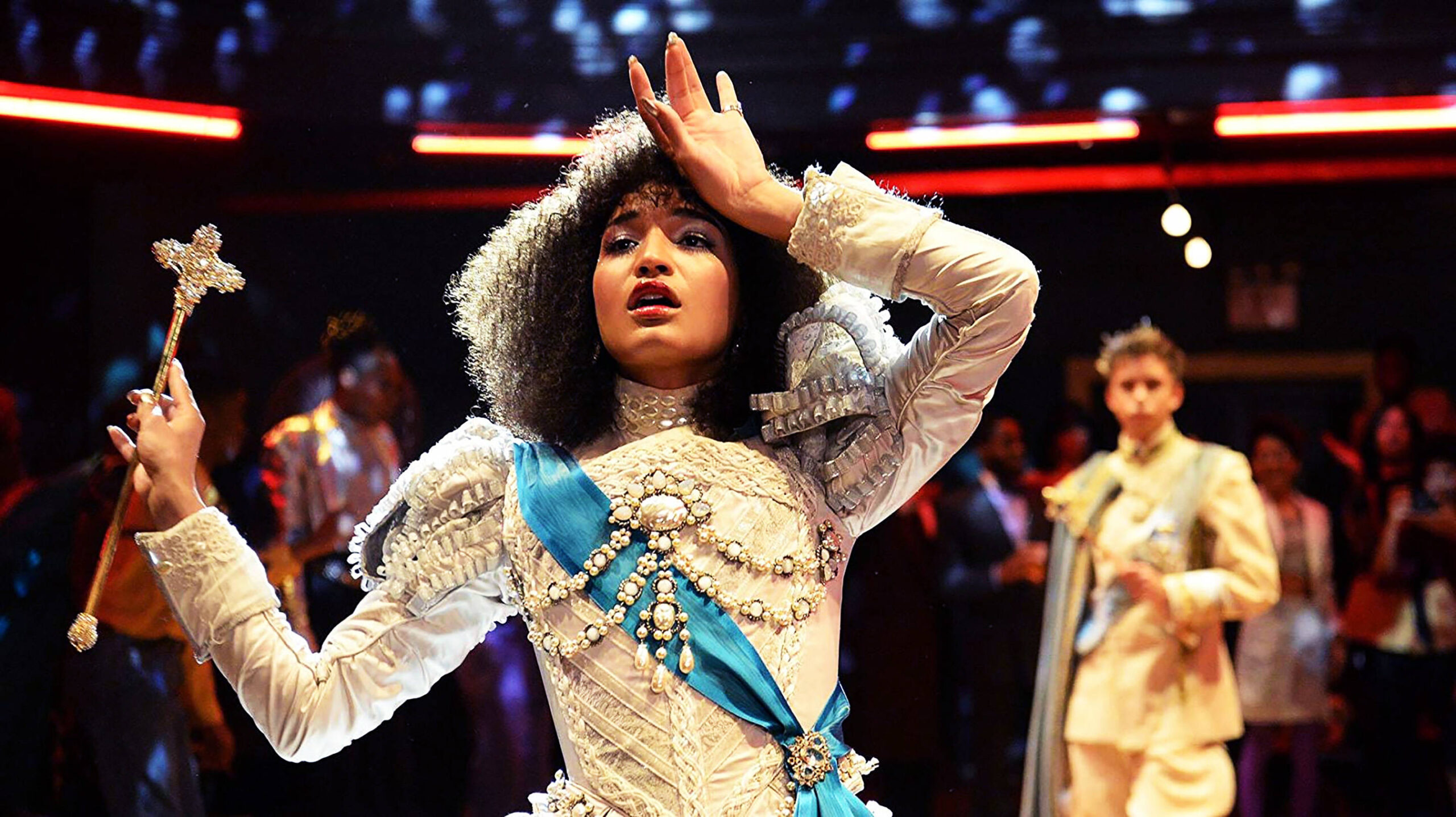
It’s nauseating when creative teams pat themselves on the back because a white cisgender man played a trans lead role, while real trans actors were on the sidelines playing supporting parts. It’s nothing short of egregious that when trans actors of color play leading roles, the support from the nominating powers-that-be is limited, on and off-screen.
There’s an evolving diversity checkpoint leading into new media—but old Hollywood is still somewhat ethically poor, and too socially bankrupt to pay the toll. While the women of Pose may not have made the cut, they shaped the culture by triumphantly impacting the intersectional lives of millions of trans people who tuned in to see themselves reflected on TV for the very first time. That in itself is an accomplishment worth celebrating.