Your bag is empty.
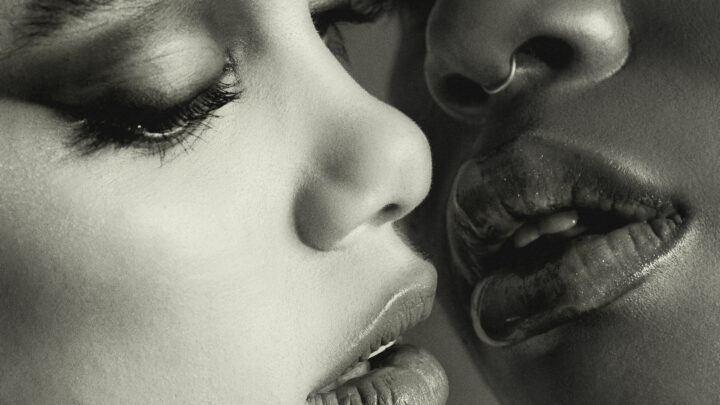
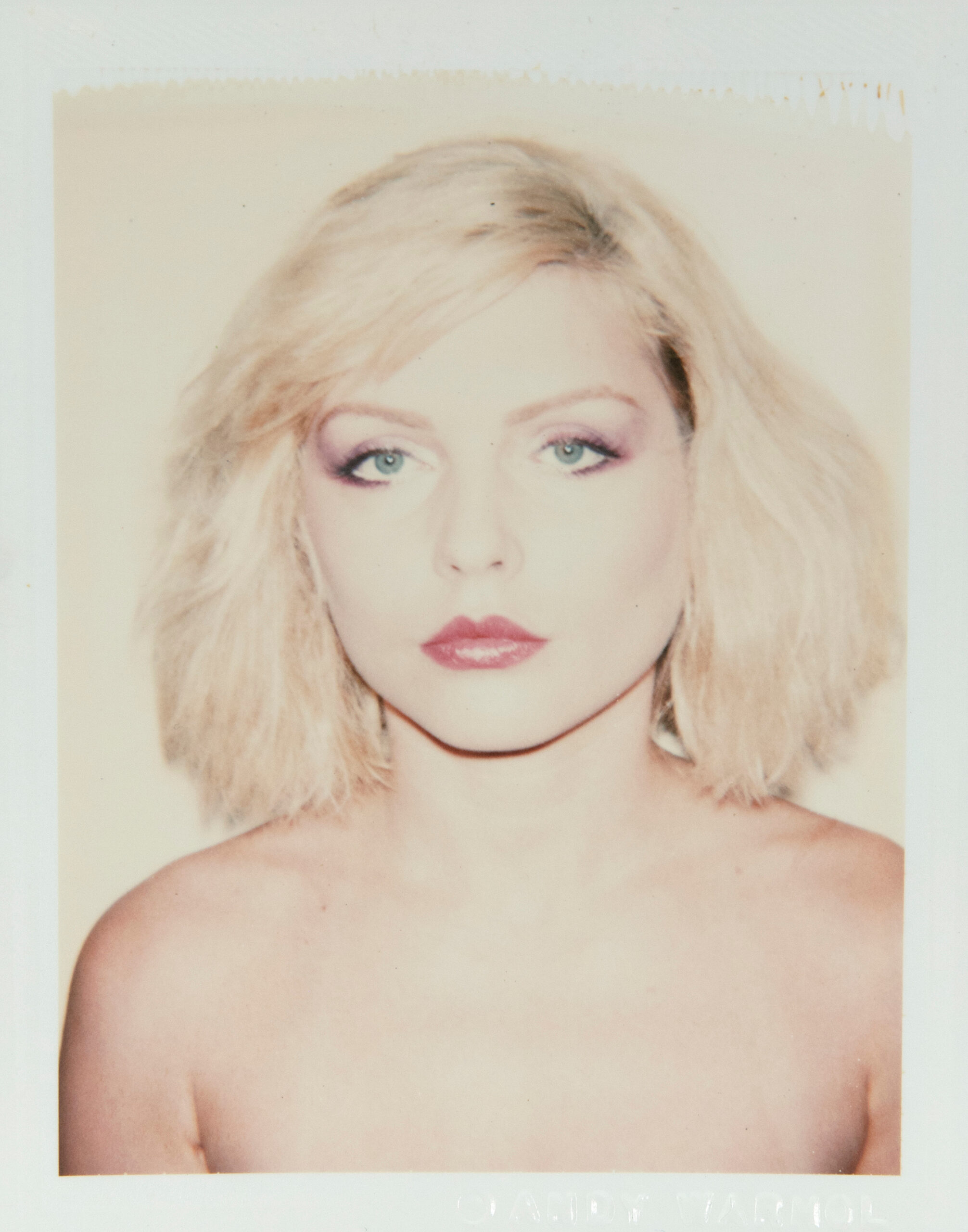
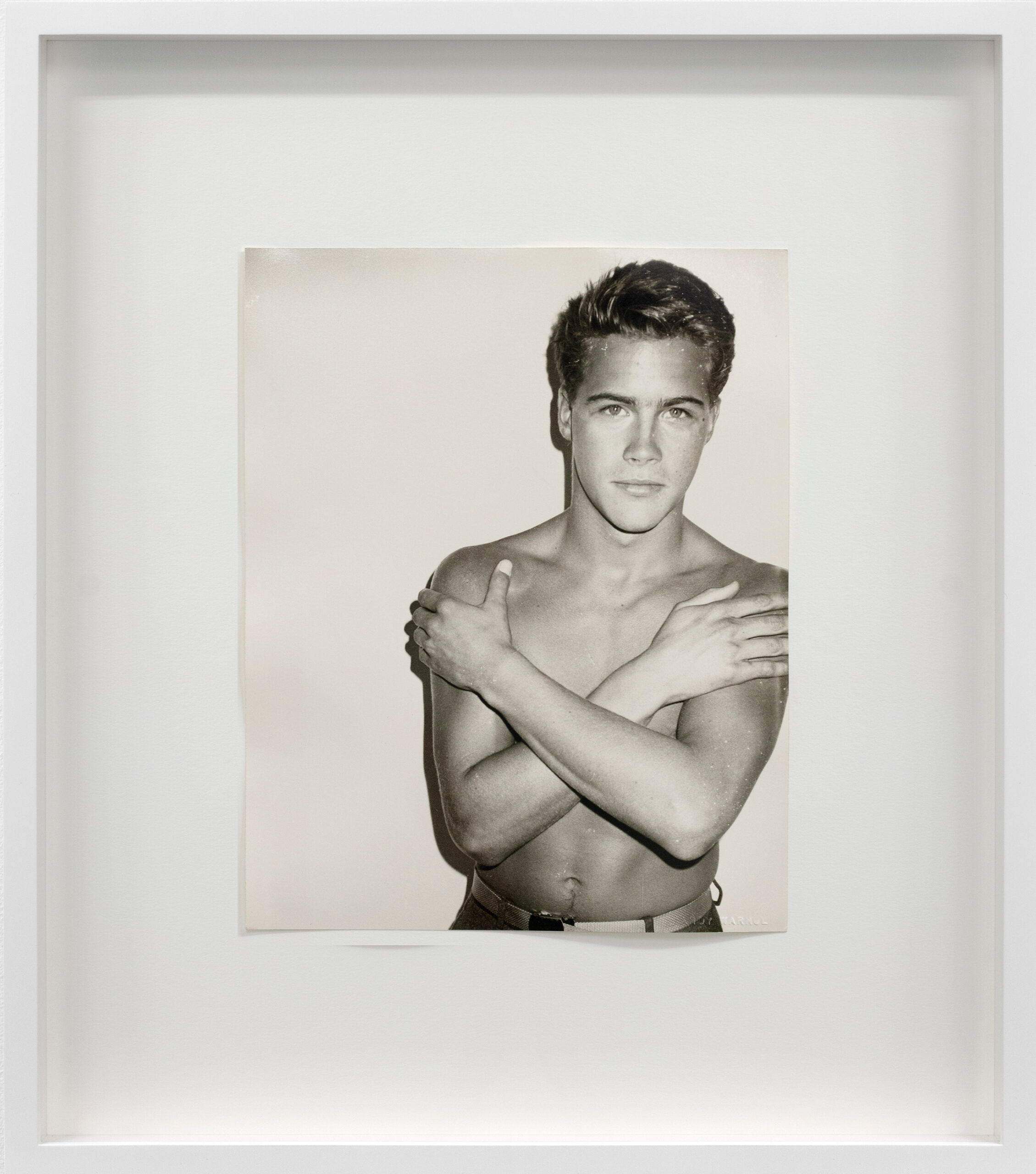
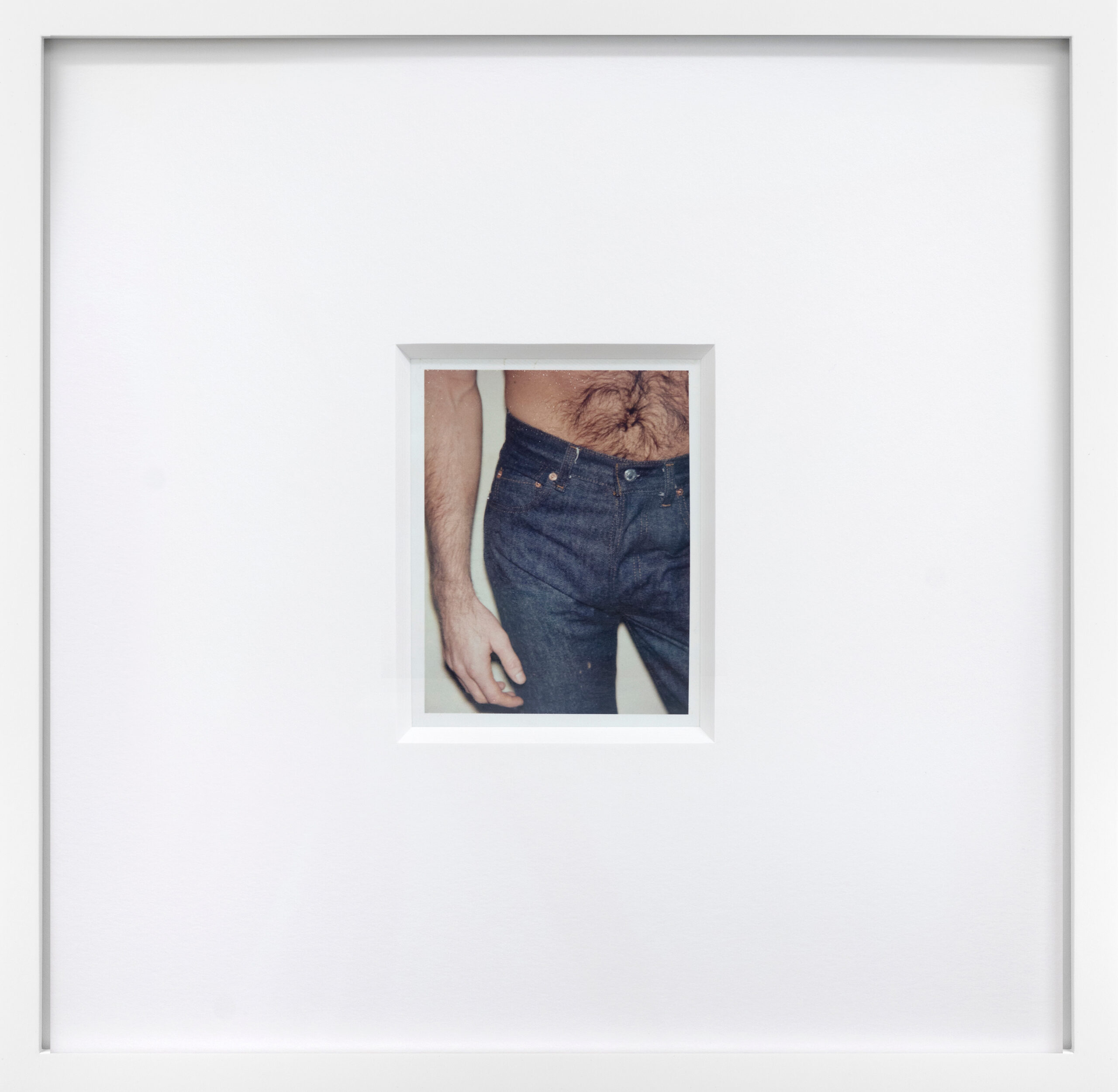
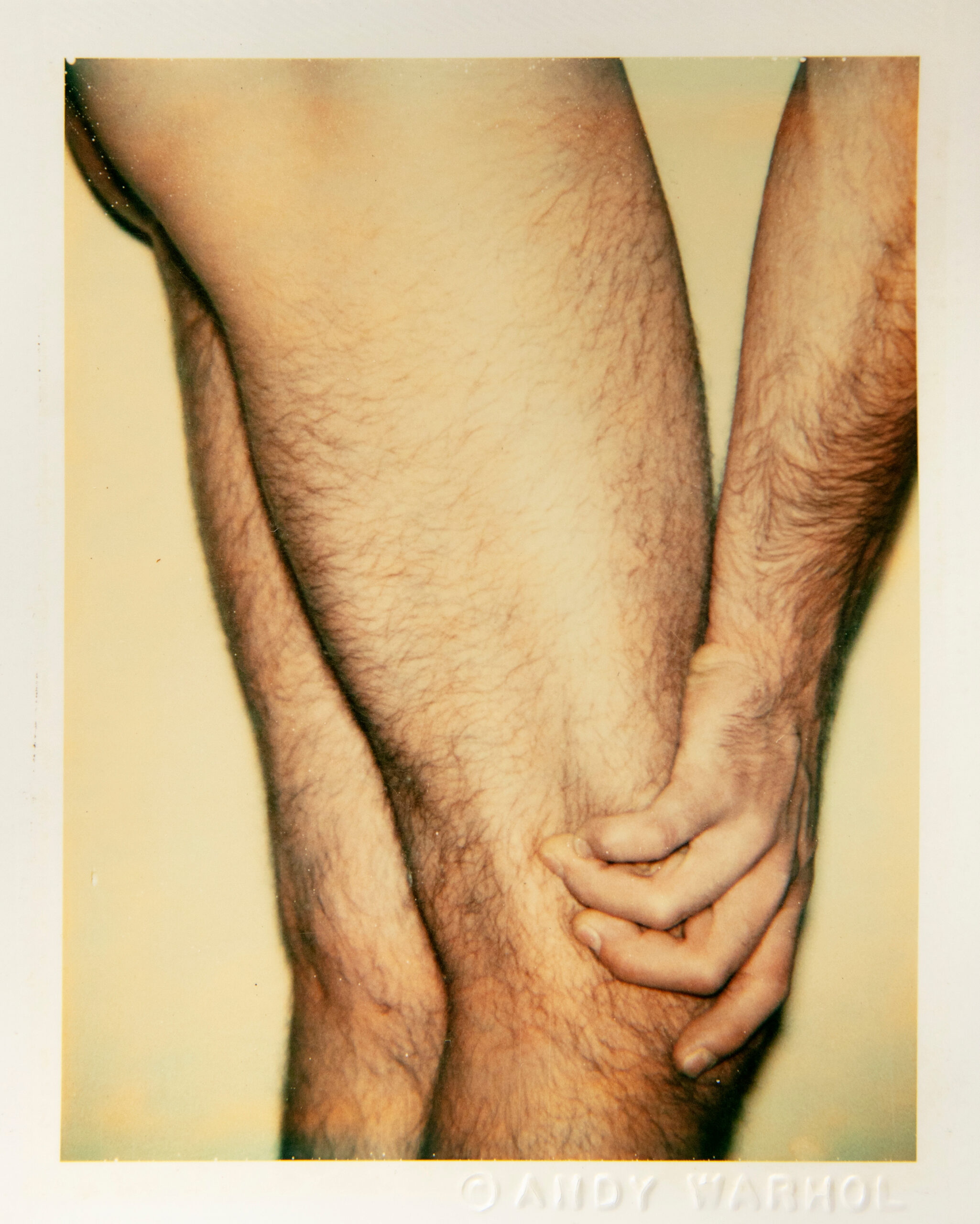
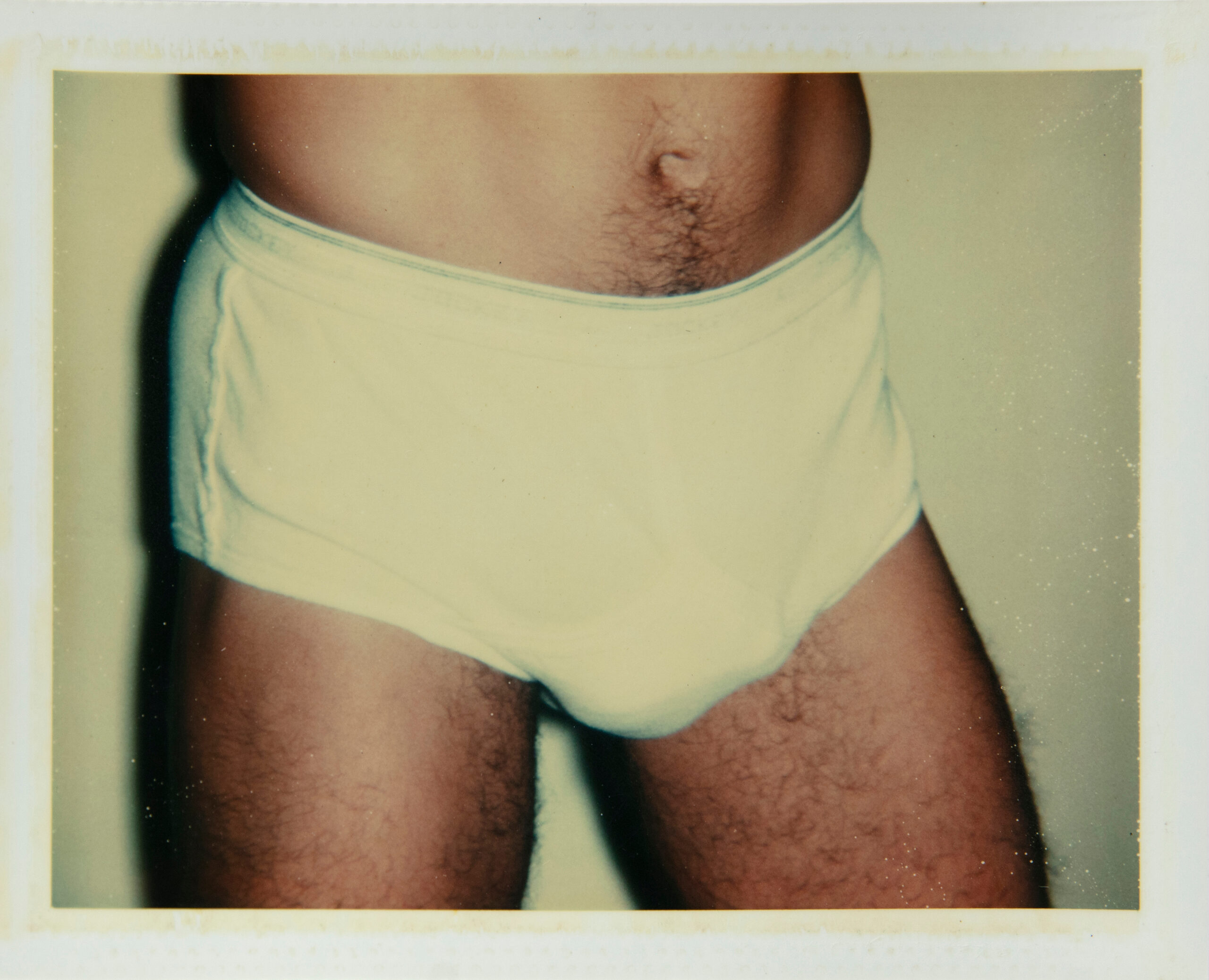
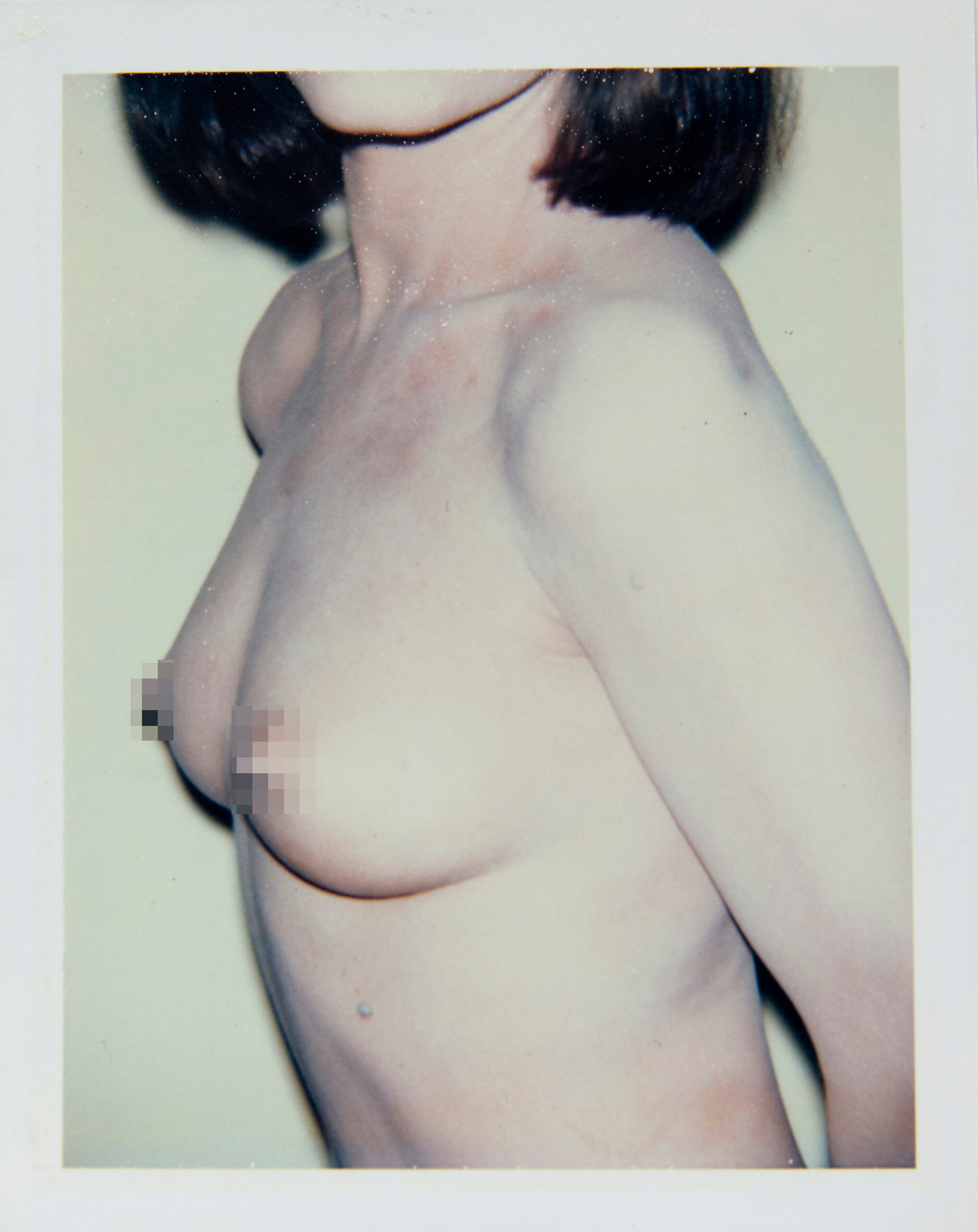
The following is an exclusive excerpt from Blake Gopnik’s upcoming book, *Warhol*, accompanied by a selection of exclusive images from *Andy Warhol Photography: 1967-1987,* a survey of rarely-seen works recently exhibited at Jack Shainman Gallery
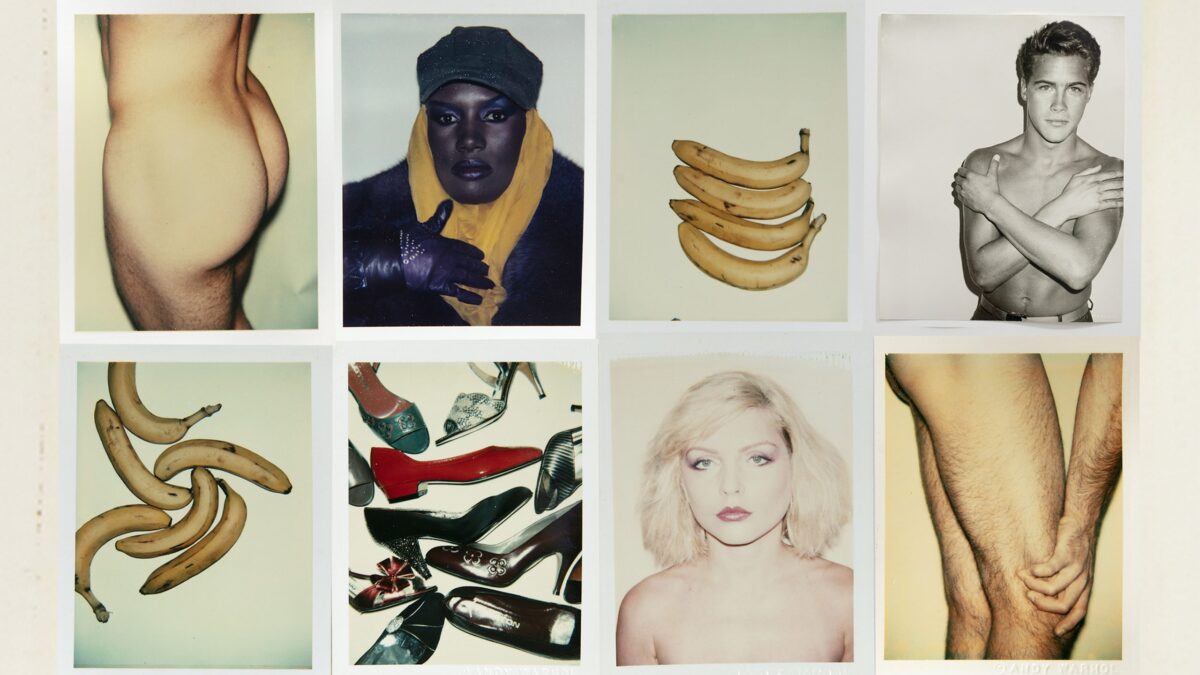
“Tuesday, March 15, 1977: Victor came down with a nude pose-er. I’m having boys come and model nude for photos for the new paintings I’m doing. But I shouldn’t call them nudes. It should be something more artistic. Like ‘Landscapes.’ Landscapes.”
After that first mention in his diaries, Andy Warhol’s nudes went on to be “landscapes” whenever they came up. The series grew to include 94 silkscreened canvases, more than 40 drawings and two editions of prints, all based on 1,664 Polaroids and 47 rolls of film showing almost 50 different models. Warhol was clearly more deeply invested in the project than in just about anything he’d done in the decade since Valerie Solanas and her .32 had almost done him in. The finished works that came out of the project offered tasteful rear views of attractive male bottoms, such as might have been made in any traditional art class, and also those same bottoms presented doggy style, with testicles hanging below. Waist-to-thigh “portraits” of naked women, relatively demure, were joined by crotch shots of a porn star with a penis that hung halfway to his knees and others of a man with his penis erect. A handful of canvases zoomed in on an anus and penis about to meet.
For more details on the execution of these works, one can refer to the entry in volume 5(b) of the complete catalog of Warhol’s paintings, an eminently scholarly enterprise: “Foreplay and sex acts, including masturbation, fellatio and anal intercourse, were part of many of the sessions.” We can take the word of such an authoritative source that, for more than a year, the rear spaces of Warhol’s studio became a place where normal office etiquette was left far behind. For a while at least the back painting room was off limits to the studio’s teenage helper. The “studio visits” for Warhol’s regular portrait patrons did not include taking in his latest creative efforts.
Warhol had toyed with gay drawings in the 1950s; he had tried, and dismally failed, to use them to get a foothold in the world of “serious” contemporary art. Once he’d hit it big with Pop Art, in the early 1960s, he’d dared to make “art films” that came close to being gay porn. But the audience for the 1950s drawings had still been far in the closet, and the most explicit of the 1960s films were meant to stay deep underground. A dozen years later, however, with Warhol having become a major figure in the public eye, it looks as though he was determined to use his latest pornography to figure out just how far he could take his art.
“There were always a number of portraits to do,” recalled Ronnie Cutrone, Warhol’s studio assistant in the 1970s. “That was work. But then there were other times when Andy would say, ‘Okay, now what are we going to do for art?’” Warhol once complained about the oppressive docility of “work” on his paid portraits, and talked about the “more imaginative” painting he might do if he was working just for himself, without any client involved. When he’d found time to make that come about, the result was as transgressive as he could manage.
His guide to this new territory was the “Victor” mentioned in Warhol’s diary: Victor Hugo Rojas, known simply as Victor Hugo, a former lover of Halston’s who continued to live and work with that star of the American fashion scene. Hugo was the wild man to Halston’s control freak. Although he’d entered Halston’s life as a hard-bodied callboy, with darkling good looks and a classic pornstache, he had aesthetic ambitions. As Warhol put it, and understood it, Hugo was “always making art everywhere.” Once, that consisted of painting on top of a portrait that Warhol had done of him, in a gesture Hugo justified as a remake of Robert Rauschenberg’s famous erasure of a drawing by de Kooning. Hugo later slashed the portrait and penetrated the slit with a dildo and his fist. This was the man Warhol once described as “the greatest artist in the world,” and went to for help when he was looking to radicalize his own sleepy career as a society portraitist. Warhol got Hugo to find the models for his bodily “landscapes” and then to join those models in front of his Polaroid Big Shot, with its apt name and properly phallic lens extension.
The “casting” of Warhol’s shoots “really took a guy who knew how to hang out at the baths,” said Cutrone. “Victor Hugo did that really well. He would recruit people from the baths in those days. I was there for all the shootings but not for the recruiting. The choreography was basically strip and make yourself comfortable. Andy was a very shy, coy voyeur. He was like, ‘Oh, oh, oh, that’s so great. Oh, what can it do? Oh, what a big one. Boy, I wonder how it would look stuck in there?’ . . . And there would be guys sucking and fucking, and Andy would be taking pictures. Later they euphemized the series and called it the Torsos.” A friend of Hugo’s remembered him clubbing until four a.m., then heading to Warhol’s studio for a photo session.
Warhol took photos of men involved in every kind of sex act, but when it came time to making them into paintings only a few of the tamer shots got silkscreened onto canvas. All three of the modestly naked women Warhol shot made it into the finished “art” he produced, versus something like 40 nude men who did not, despite (or because of) the gymnastics they had gotten up to before the camera.
From his art-school days on, a huge number of Warhol’s drawings and paintings had been based on photographs. (He’d had a camera, and a darkroom, since third grade or so.) You could almost bill him as a photographer who worked with paint rather than a painter who used photos. But his so-called “landscapes” were the first works where the act of pointing the camera and clicking the shutter, 3,356 times, really rivaled anything he then did with the shots that he’d taken—where the real charge, and maybe the real “art,” came in documenting the film-worthy scene in front of his lens.
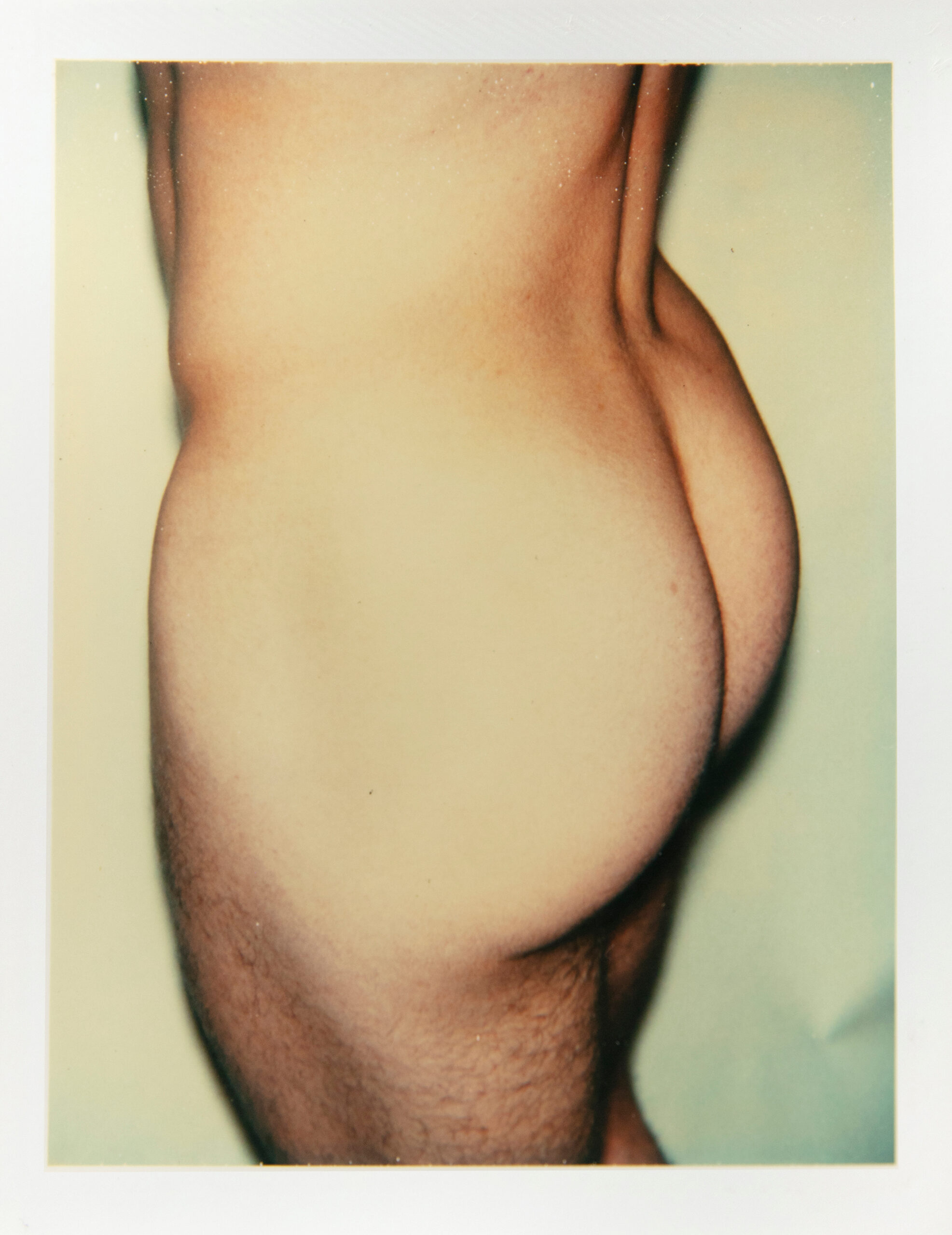
“There were times when, even in my opinion, things would go a little overboard,” said Cutrone, a mostly straight man whose tastes in sex ran wide and deep. “It just got to interfere sometimes with office work and some of the other painting. Very rarely did it bug me, but there were times when I thought, ‘Oh, my God, we have one of those shoots again. Here we go.’ We’d be right in the middle of a project, he’d give me five things to do, and then we had to ‘entertain’ these guys.” Warhol always insisted that the shoots were work, not play, let alone sex. But he also once told a staff member, “If you’re working, if you don’t like it, if it’s not fun—I mean, it’s just not worth doing.”
For some while, Warhol’s “work” on his Torsos was taking place just one closed door away from the young people trying to keep the studio and Interview magazine running. Fred Hughes, Warhol’s manager, finally drew the line: “No more raunch here, Victor,” he said, insisting that all high jinks be exported to Hugo’s loft, just up the block on Fifth Avenue. Once there, the sex became even more hot and heavy, as recorded in the most hard-core of Warhol’s photos. Those included wrists bound in duct tape and all kinds of penetration. “Andy was jerkin’ off in the bathroom in between taking the pictures,” Hugo later claimed.
He also said that Warhol never actually touched his models, but this hands-off approach doesn’t mean we ought to view any of these works as the abstract “landscapes” or aestheticized “torsos” that their public, palatable titles have been meant to suggest. If Kenneth Clark had famously distinguished between the “nude” body seen in art and the “naked” one we all see in the mirror, Warhol preferred a third category: the “hot” body seen in porn or in the baths where the likes of Hugo spent time. “Movies should arouse you, should get you excited about people, should be prurient,” Warhol had said at the start of the decade, when he was busy denying that his movie Fuck was porn, despite the accuracy of its title. Seven years later, with Torsos and Sex Parts, Warhol was proving that he truly did believe in the power of prurience.