Your bag is empty.
Playboy talks to one of the minds behind Coachella’s best kept secret
The word Coachella is now synonymous with show-stopping headliners, hundreds of thousands of attendees and an endless march of meticulously coordinated Instagram-ready looks. The criticism that Coachella has become more a scene than a music event is pretty played out in 2019, but what gets nary a mention are the subcultures that exist and thrive inside this pop culture leviathan and never stopped being about uninhibited artistic expression.
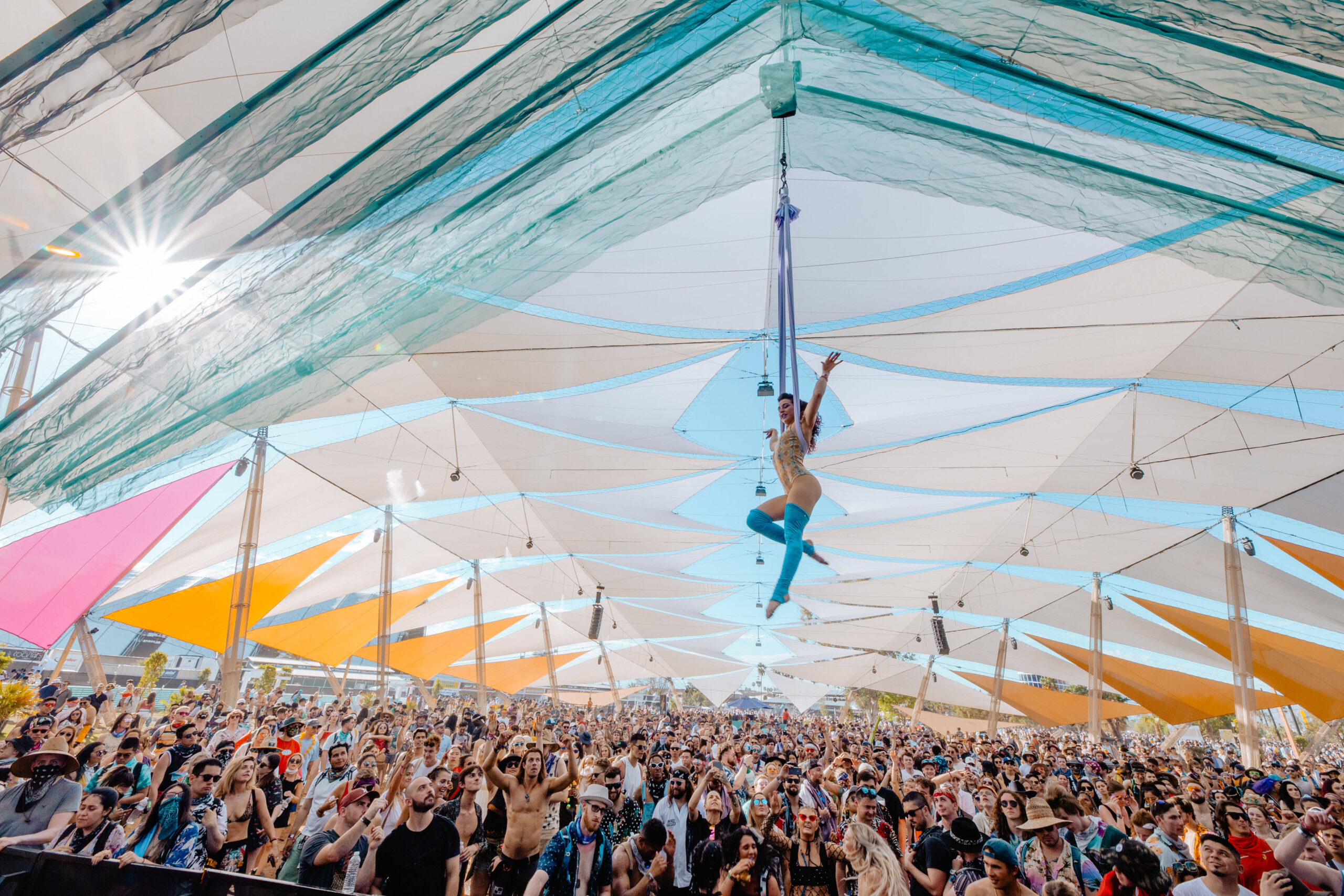
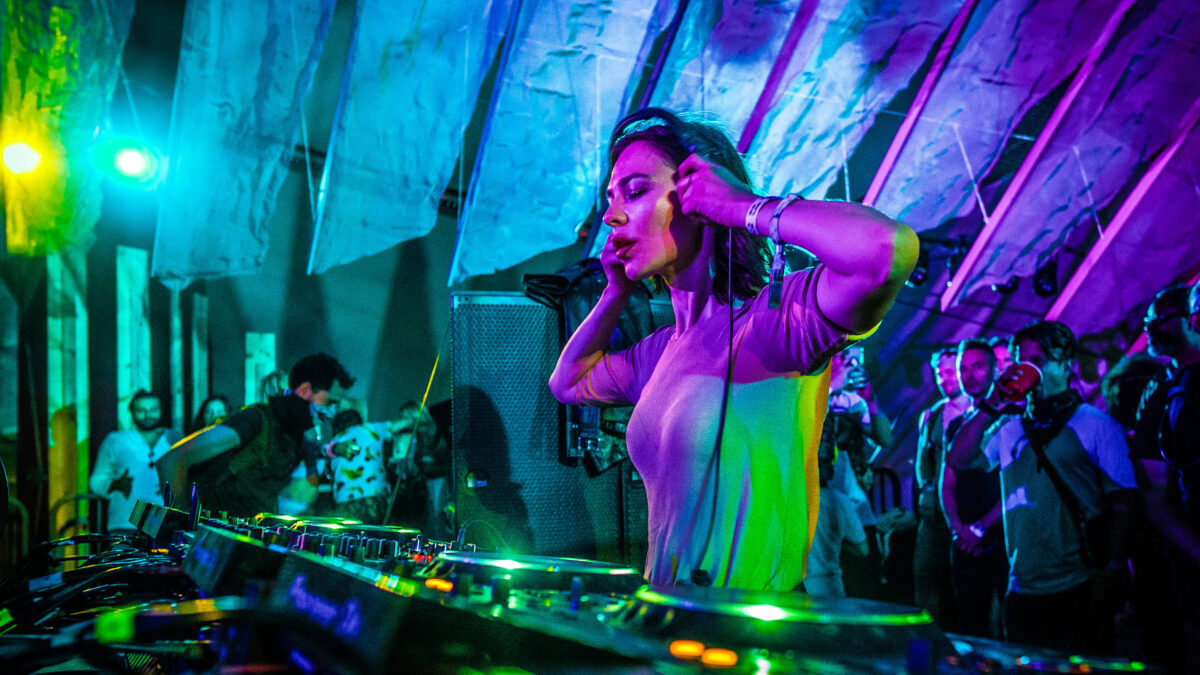
Enter Do LaB, a space within Coachella that’s quickly become known for its escapism and creativity. The Do LaB stage, which entered its 15th year at Coachella, offers a rare opportunity to discover the next wave of musical talent alongside immersive art installations. You won’t see pop divas or rap gods on the Do LaB stage and that’s by design; it’s an experimental environment where the search for meaning takes precedence over clout-chasing ephemerality. Genre-bending creatives such as The Funk Hunters, Bleep Bloop and Pete Tong all graced the Do LaB stage this year, adding to the space’s long history of highlighting independent artists.
For seasoned festival-goers who are weary of jostling with the flower-crowned selfie-takers, the Do LaB stage grants an appreciated respite. It’s often called a festival within a festival, a microcosm that stays true to the ethos of community and consciousness that made music festivals so disruptive to begin with. If you look at the founders of Do LaB, the three Flemming brothers, Dede, Jesse and Josh, the ethos makes sense as the trio also produces the famous Lightning in a Bottle music festival, seen by many as the large-scale embodiment of counterculture one would expect to find in California’s Central Coast.
Playboy spoke to Dede Flemming, one of the three founders behind Do LaB, about how the production breathes fresh air into Coachella—no easy feat in the dust-swept desert.
How would you explain the mission of Do LaB to someone who has never experienced it before?
We’re trying to put on experiences for people that are outside of the norm. It’s not just about the music but also the visual and the overall feeling of it. At Coachella, we built an artistic stage and installation along with creating a great show with new music you might not be exposed to otherwise.
Many refer to Do LaB as an escape from the “influencer culture” that’s been so rampant within Coachella in recent years?
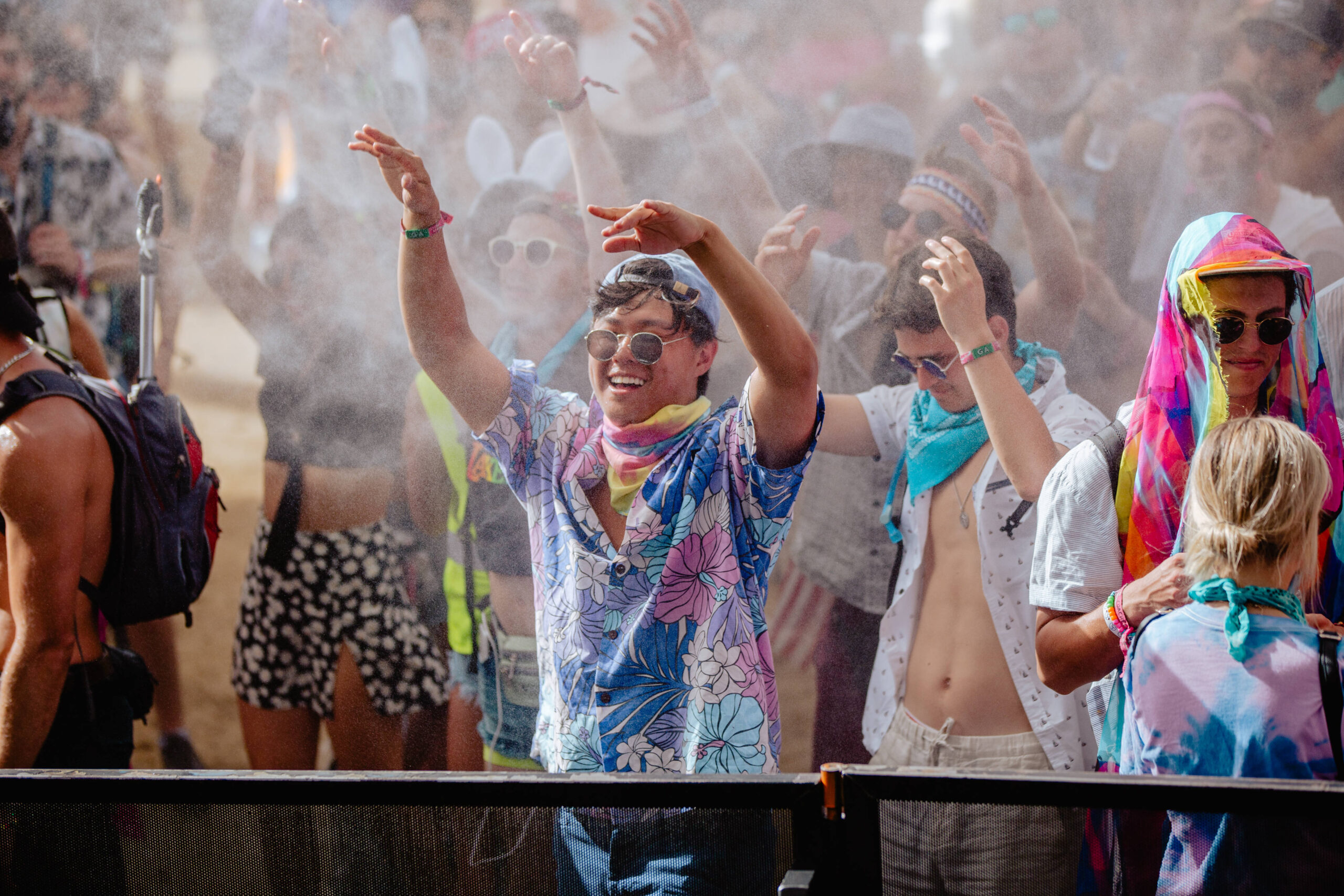
Coachella is a great festival but when you’re looking at it, you get a clear idea of what it is. It’s certainly evolved over the years, but what we do inside of Coachella is super unique. At Coachella, all the stages are big white tents, big live acts, but we have a full-on interactive experience with our performers. And we don’t just mean our musicians but also our aerialists, dancers, people in costume, people spraying you with water. People are able to call it a festival within a festival because we have our own festival, we have a Lightning in a Bottle. There’s a lot of contrast with what we do when compared to Coachella, but there’s a lot that we do that complements it as well.
You’ve been doing this for 15 years, and Coachella is entering its 20th year. Overall, what’s been most rewarding about creating the event?
I love looking back and seeing where we came from. We often joke about it, but 15 years ago, we put up a 60-foot geometric dome and put up funky, weird sculptures of metal and fabric, and we walked around handing out orange slices. It was this small, intimate thing where we had no idea what we were doing—we were just goofing off and trying to create art. We look at the evolution from turning into an art piece with music to one of the featured stages at Coachella, and it’s a pretty proud thing for us. We were just punk, young 20-year-olds goofing off, partying and having a blast and building art with all of our friends. We’re a little bit older now but we’re still out with our friends having a good time—only now some of us are bringing their kids with them.
What’s been the biggest challenge in the tremendous growth you’ve had? Has there been trouble in maintaining the original intent of Do LaB as it’s become more widely known?
Our goal has always been to maintain the integrity of our festival and our brand. If we can do that with more people then let’s go for it. The original intent will always be to create art and a meaningful experience. We’re still doing that. In terms of scale, we always push the envelope, we always push the boundaries with design. This year was challenging because we went more than twice the size of our previous structure, which was a big leap. But it’s something that fuels us and inspires us to think bigger.
“”Don’t worry about where your phone is or if it’s charged. The memories are right in front of you to be made and stored in your brain, not to be captured on an Instagram story.””
You’ve been able to see Coachella grow alongside Do LaB. What are your thoughts on what Coachella is today versus two decades ago?
When this all started, it was about who are you going there to see? What kind of music, which headliners, which acts are you there for? It does seem like it’s evolved a little bit into going there to be seen. We see a lot of people now walking around with their phones in front of them. I guess they’re videotaping themselves for Instagram, not sure what’s going on there, but they’re talking to the camera and staring at the screen. I saw a lot of that, and it’s bizarre to me. I’ll be at a stage, and I’ll see a few younger people run in. They take out their phones, shoot a video and then just bounce. They’re there for 12 seconds. It’s not so much about the music but to show that you were there. Then again, that’s not Coachella, that’s just society. I’m not going to put that on Coachella.
If you had asked the people behind Coachella 15 years ago if they wanted it to be as big as it is, I don’t think they would have said yes. We’re trying to go against those societal shifts. When you come into the Do LaB stage, you’re like “Well, fuck my phone. I don’t even know if I have it with me. I’m having such a good time right now that it doesn’t matter.” That’s what we’re trying to accomplish whether it’s at our stage at Coachella or at Lightning in a Bottle. Don’t worry about where your phone is or if it’s charged or where your friends went. The memories are right in front of you to be made and stored in your brain, not to be captured on an Instagram story.
You feature a lot of new artists on the Do LaB stage and for some of them, it’s the biggest stage they’ve been on. Would you describe Do LaB as an artist incubator?
I wouldn’t say it’s an incubator, I wouldn’t want to take any credit for these artists. We’re a good stepping stone for them, artists who are at the beginning of their careers and wanting to get a leg up, trying to be heard. That’s what it’s all about, getting your music in front of more people. There are people who played at our stage early on in their career and appreciated that opportunity we gave when they were starting out. They come back and support us now that they’re playing at Mojave or Gobi or the other larger Coachella stages.