Your bag is empty.
Does Afropunk's quick expansion and heartfelt cause hint at the future of the music festival scene?
There are more music festivals than anyone can accurately count—especially now that the idea of an annual festival season, reserved for the hottest of months, has expanded into a full year of seemingly endless events across the country.
While few should take issue with the music never stopping, such a packed calendar has ramifications. For one, most ticketed festivals blind attendees with corporate sponsorships, like Made in America’s previous and bold Budweiser partnership, now notably replaced by Citi. As commodification continues to grow, such music experiences, once considered niche, are now overcrowded by those more interested in taking selfies in crop tops than searching for the promise of those once-in-a-lifetime staged moments.
Finding those unique magical sets—like Beyoncé’s monumental 2018 Coachella Arts and Music Festival performance—requires a much more exhaustive search in 2019. But since attending a festival requires more money than ever before (many cost upward of $200 for a general admission pass), how does one begin to justify the investment at all? And if budget allows, how does one pick which of the countless, strangely similar festivals to invest in?
While Neilsen Music reports that 2018 saw a five percent increase in music festival attendance in the United States, how can the industry prevent an eventual decline in festival-goer enthusiasm as the organization continues to pivot for mass appeal? The answer may lie in a study of Afropunk, an annual weekend-long affair that travels to three continents and five cities—Atlanta, London, Johannesburg, Brooklyn, and Paris—in an effort to offer an experience that goes beyond crowds, food, alcohol and music.
Afropunk is a festival born out of the titular 2003 James Spooner documentary that explores the historical black presence in a blindingly white punk scene throughout the U.S. It is a festival created by black artists—a space that represents a counterculture movement that gives people an opportunity to be their true selves separate from societal pressure. “It’s imperative for the people that create the culture to enjoy it in a space that is welcoming and safe,” Afropunk coowner Matthew Morgan says.
This year’s iteration of the Brooklyn event took place at Commodore Barry Park over two days in August, with an impressive lineup including FKA Twigs, Jill Scott, Junglepussy, Kamasi Washington, Leon Bridges and Gary Clarke Jr. And even though it was not immune to sponsorships, Afropunk figured out a way to earn financial support without bombarding patrons with logos. Giant retail brand Target, for instance, turned its red logo to black to blend in at the Hair and Beauty Village, providing a place that explores “facets of black hair through the eyes of creators, innovators, visionaries and artists to manifest conversation, creativity and community” alongside boutique brands like Baby Tress. During the same weekend, Afropunk hosted live discussions with thought leaders like Elaine Welteroth and Tarana Burke to discuss ways to feel empowered in a world that tends to neglect and abuse people of color.
It’s imperative for the people that create the culture to enjoy it in a space that is welcoming and safe.
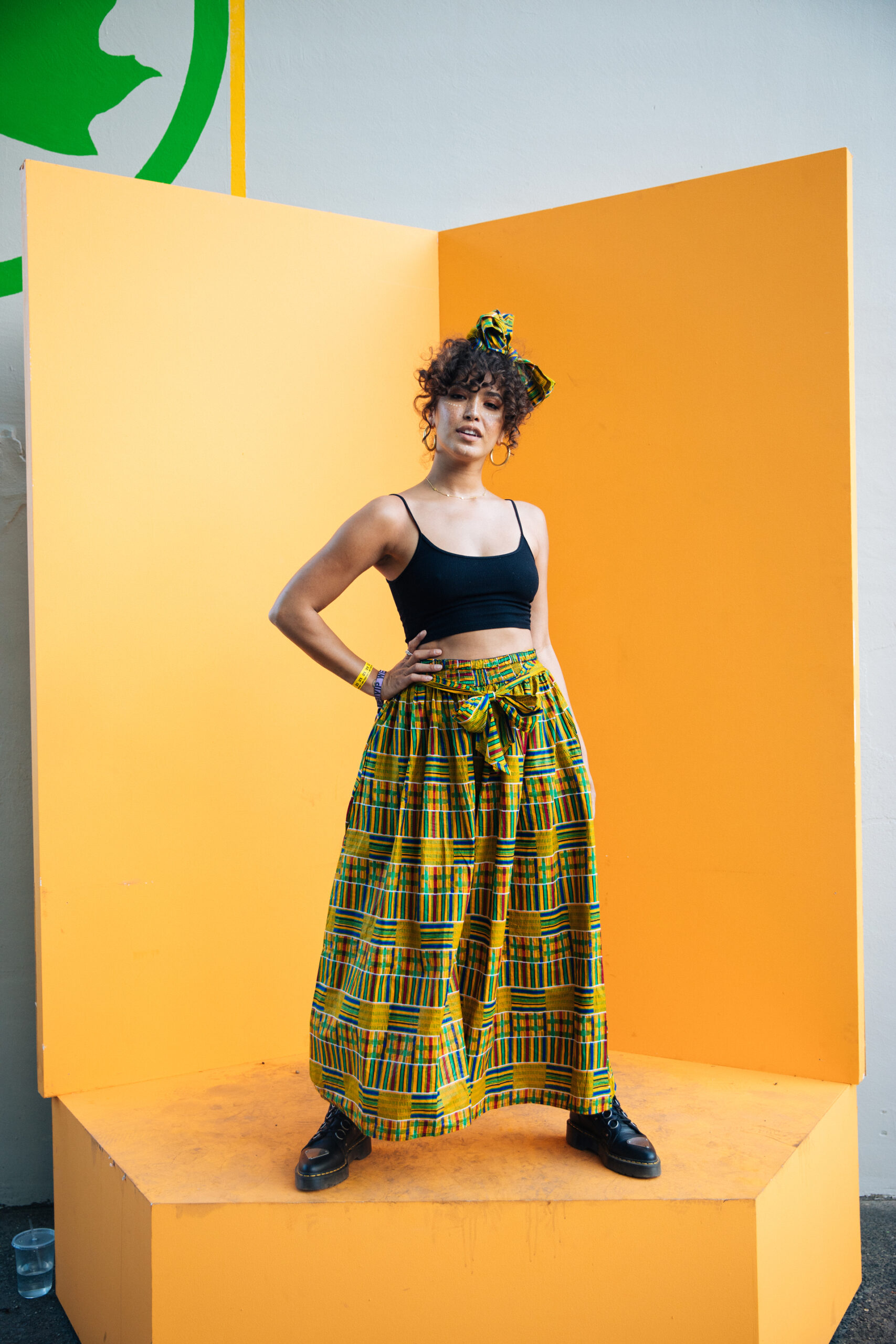
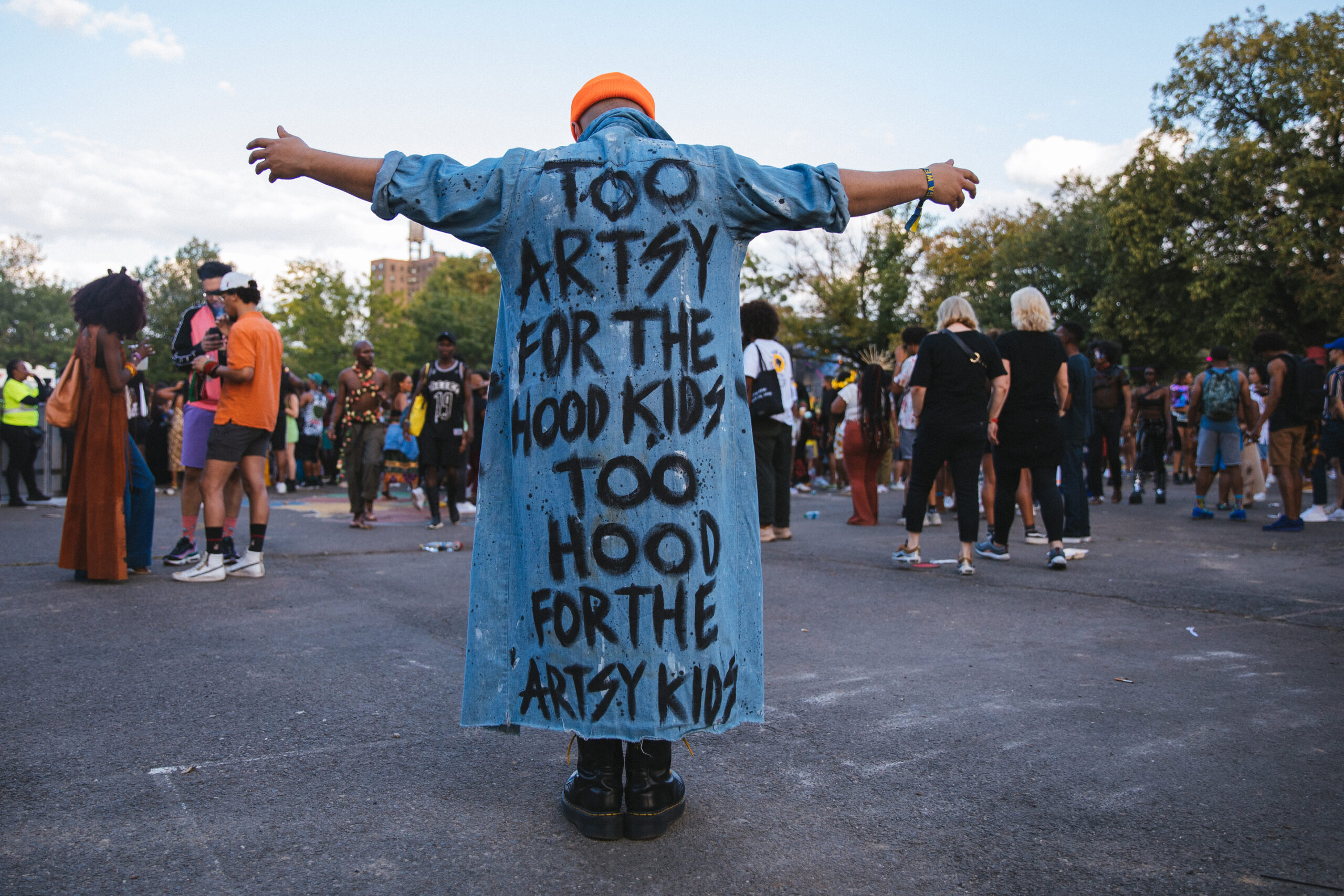
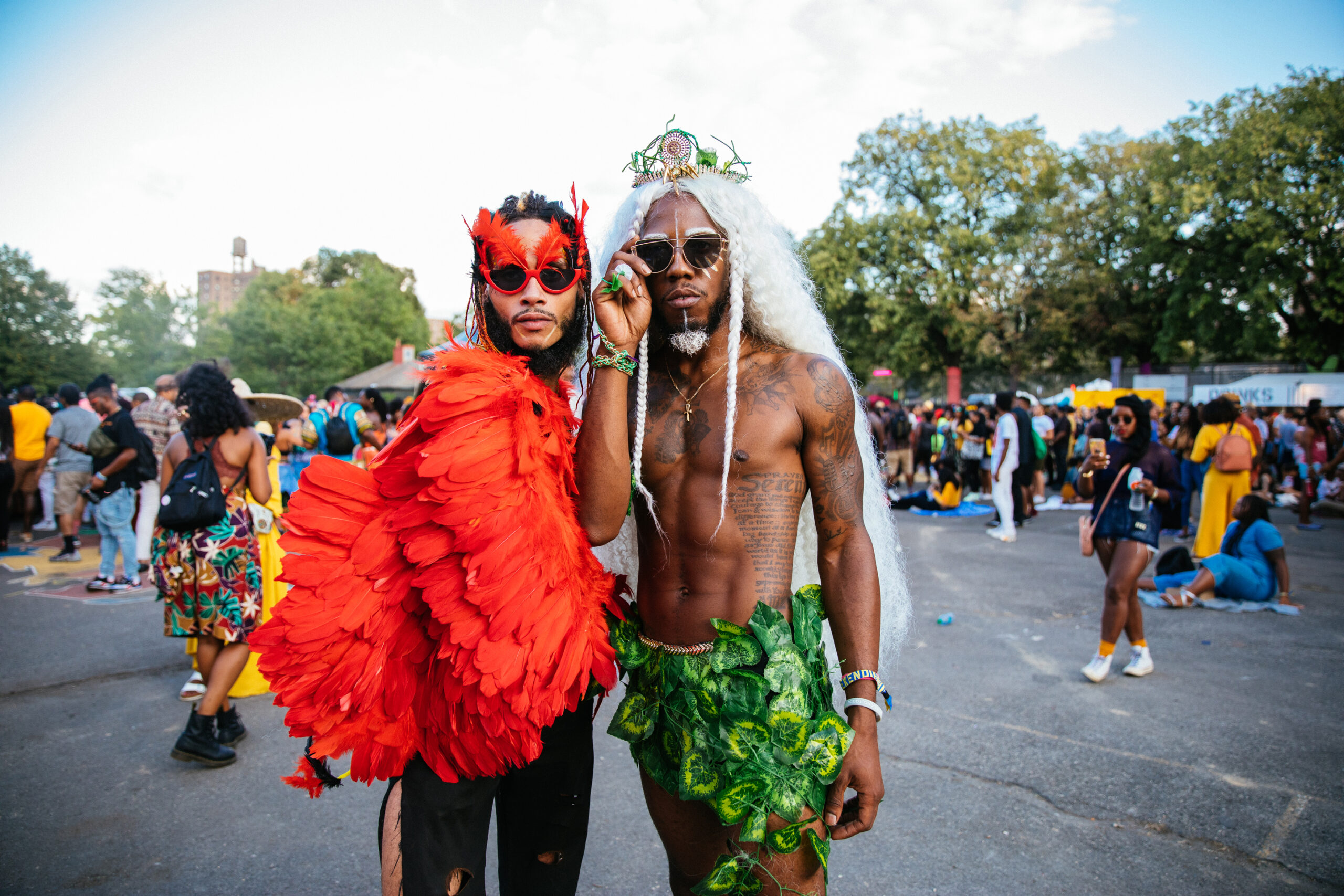
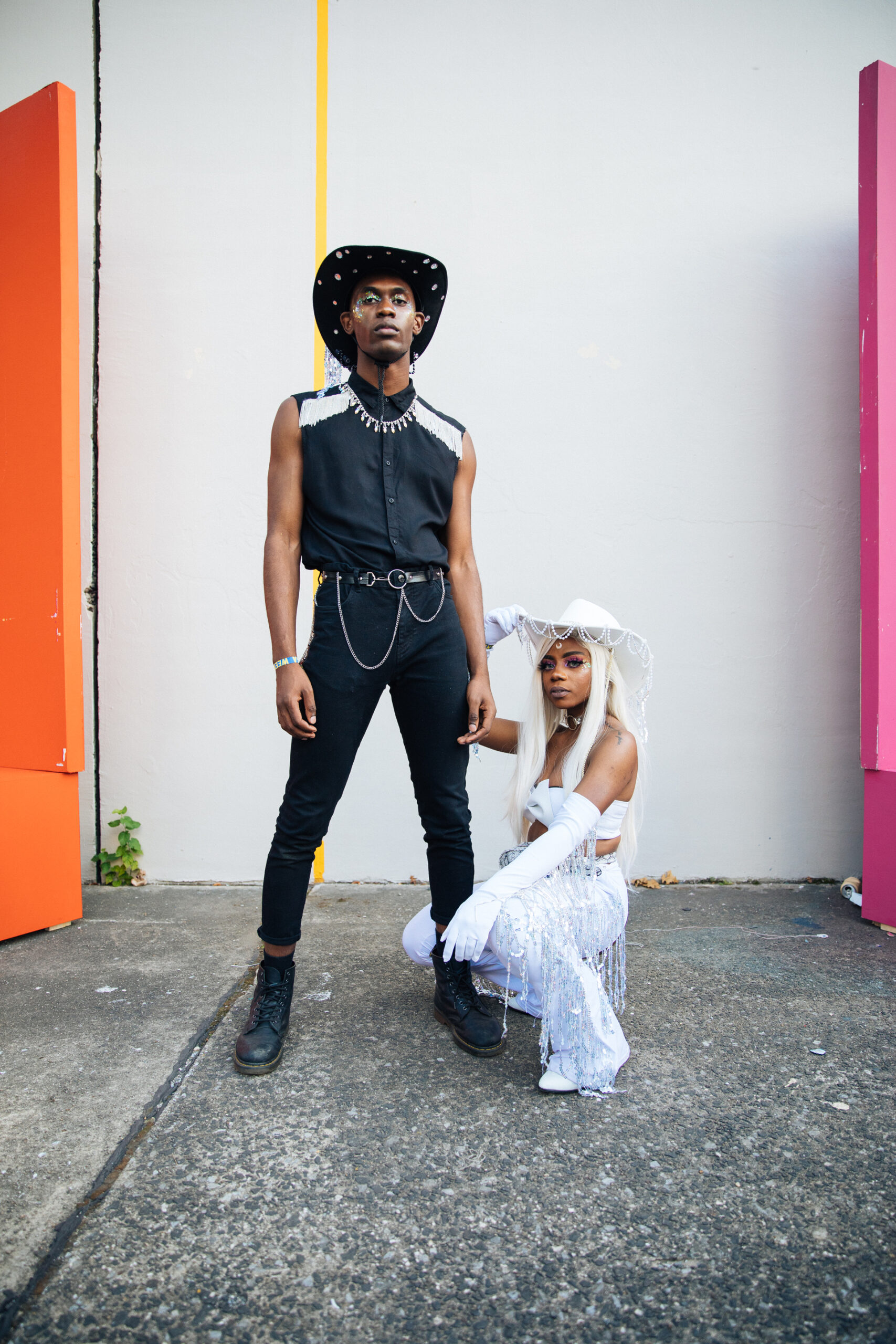
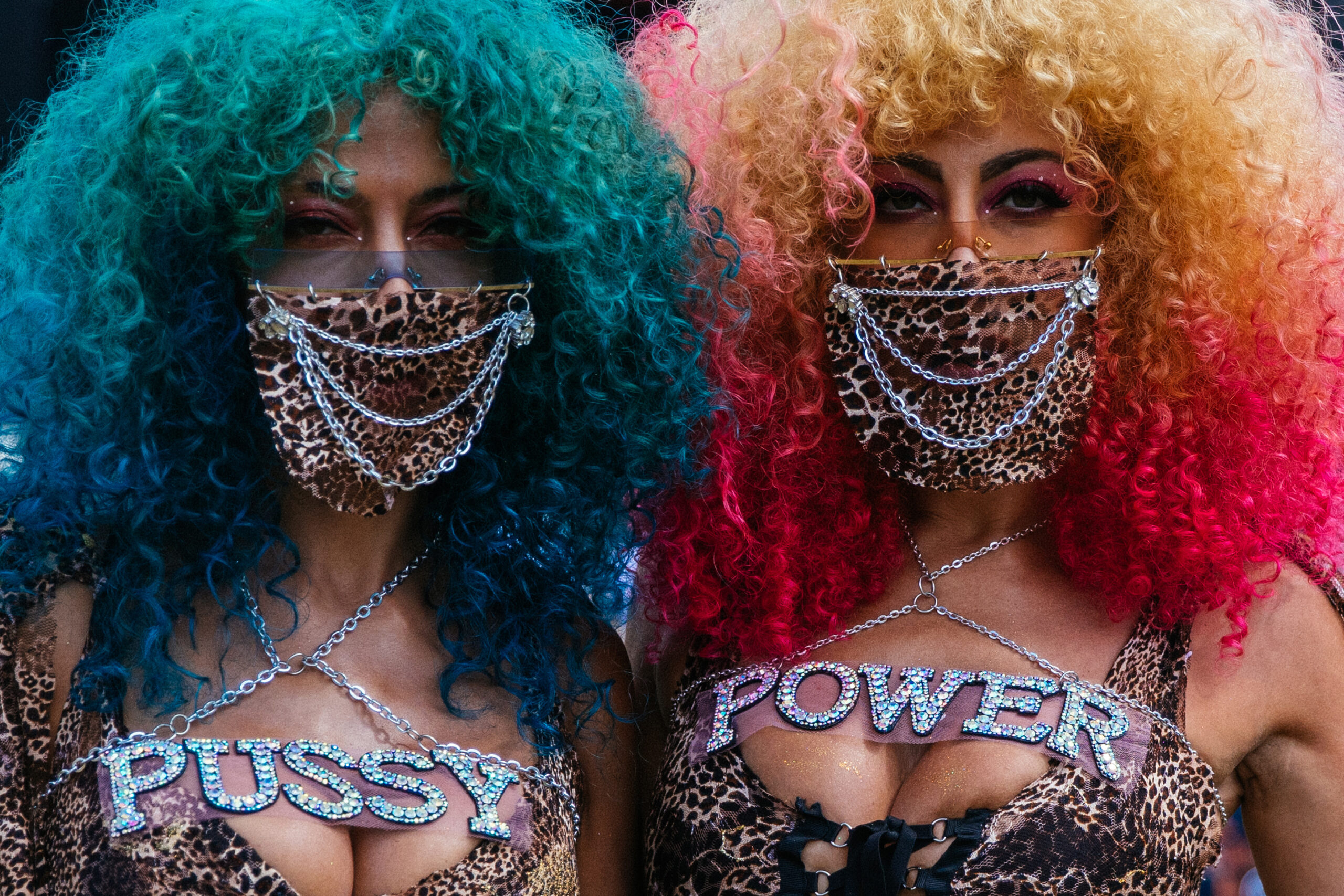
The feeling of community was infectious among the three stages on a sticky summer day in New York. Two strangers high-fived before one told the other “You’re killing it!” with her African-inspired face paint and tassel vest. Dance sessions broke out, even in corners devoid of live music. Another show-goer greeted passersby and offered to slip a pink bracelet on their wrists. Attendees weren’t following trends as much as they were creating them; Technicolor tulle sprawled throughout the park, tribal patterns adorned many shoulders and a pair of women strutted in sheer homemade skin-tight outfits, face shields and bedazzled oversized necklaces reading “pussy power” (perhaps in spite of the rise in reported assaults at festivals).
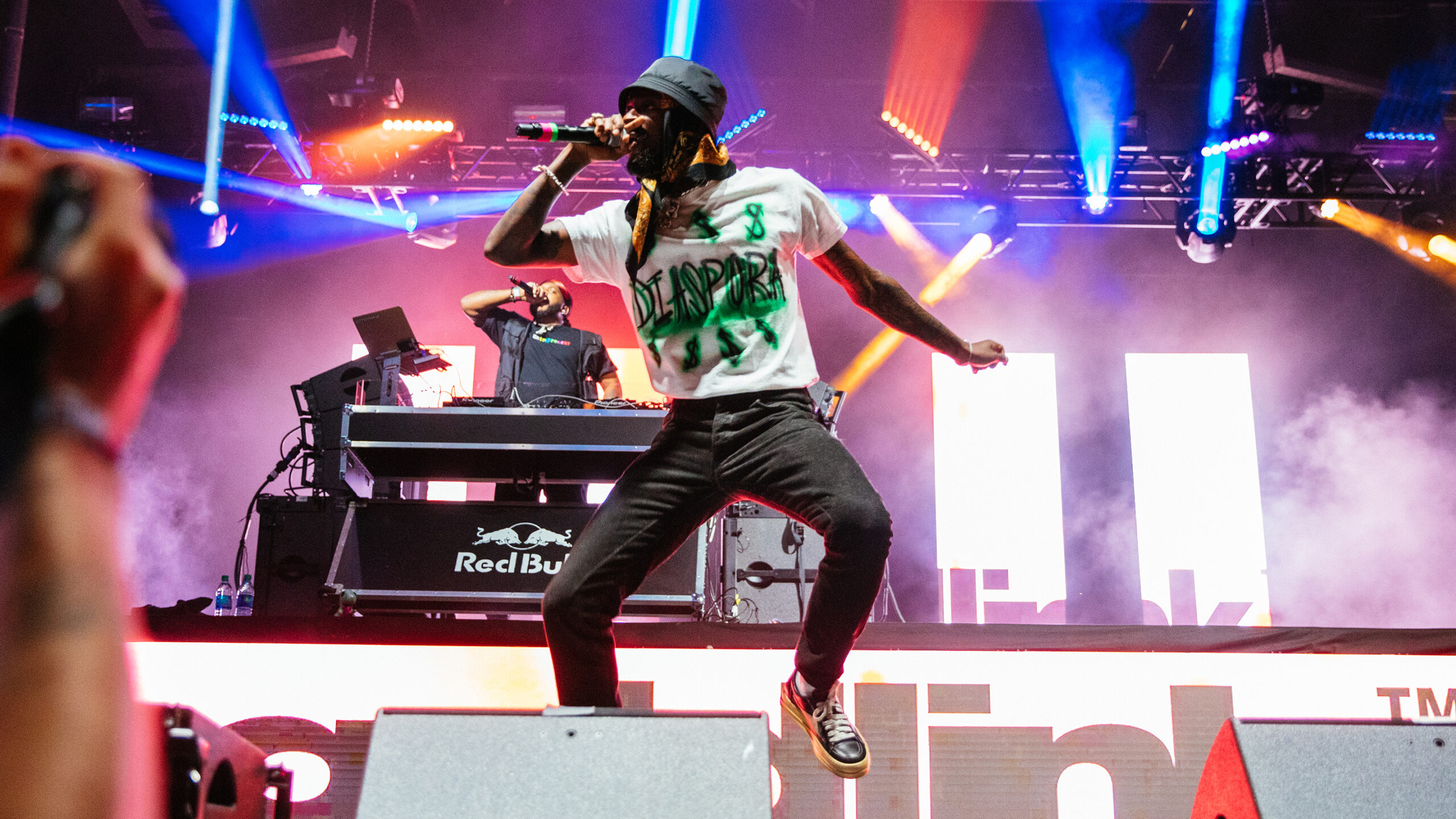
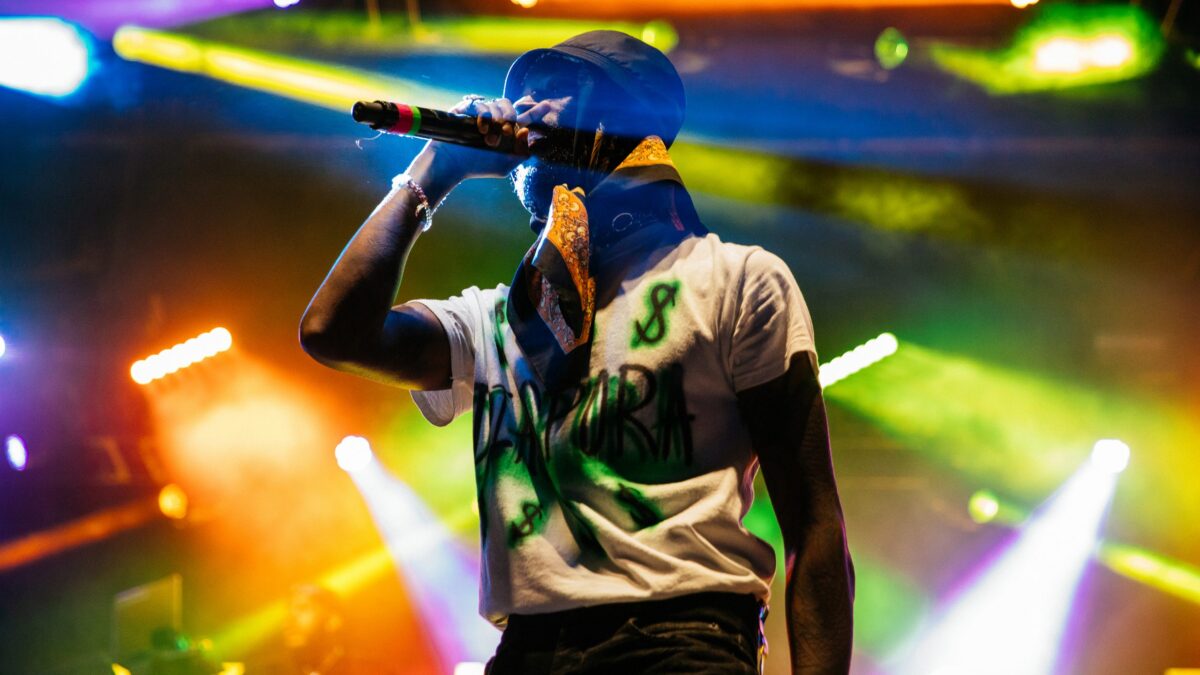
From the food vendor choices to the VIP gift bags, the celebration of inclusivity and heritage rang as rhythmically as the music. Warmth and passion were exchanged between attendees versus the usual selfie-ready chill at so many other large music events—and artists weren’t immune to the crowd’s good vibes either. Performer Goldlink confirmed he could feel a very specific sort of spirit in the air, anchored by a reminder of the freedom and joy that comes with the right music.
The 26-year-old’s second album, Diaspora, sounds almost as though it was made for Afropunk’s cause. Its 14 tracks take listeners on a world tour, touching on the beats of the black communities so often appropriated by others, to fuse international genres such as reggaeton and R&B together. He sits in the middle of a rush of sounds traveling all the way from Nigeria, to China, to Latin America and then back to his native Washington D.C.
“It feels like a home show in a way,” the artist muses in sunglasses and a head scarf only minutes before his night time second-day set. “Even just the style of afro and punk and fusing those vibes together. It’s just a clusterfuck of this amazing, one-of-a-kind vibe that has been accomplished consistently for years.”
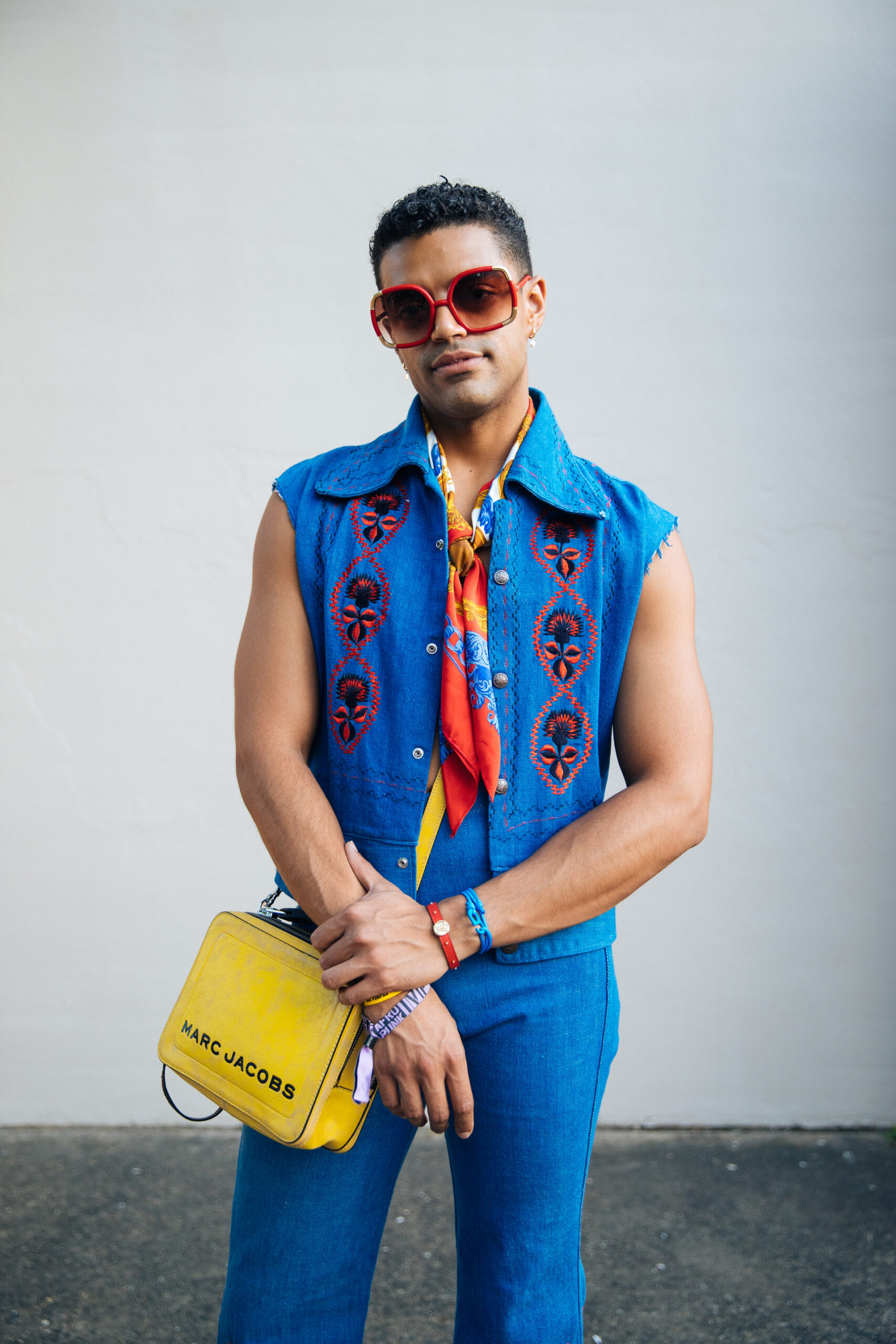
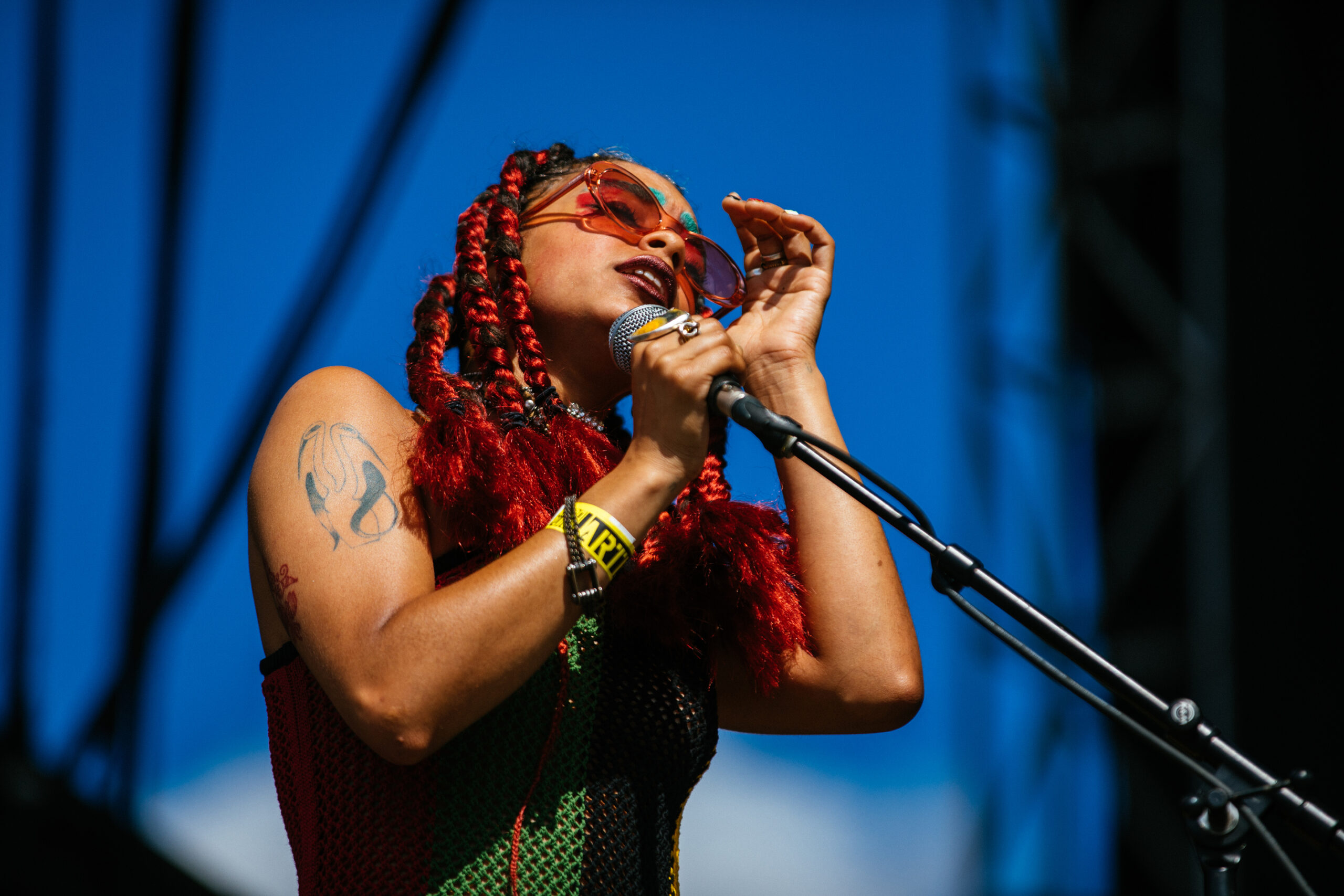
Earlier in the day, Kelsey Lu only opened her eyes to take a bite out of an apple. “I’ve always been obsessed with fruit. It reminds me of my childhood when I used to try to eat the fake fruit on my grandmother’s table,” she recalls. The L.A.-based artist is known for being a rebel of sorts; opting to bend genre lines and to master the cello instead of more conventional string instruments. Lu’s freewheeling spirit has worked in her favor, too. It’s her peculiar ability to connect with an audience that’s earned her cosigners such as Florence + the Machine and Solange. But after her performance, Lu remembered feeling a special connection with those in the audience that day. “That’s a part of the experience that I feel like other festivals don’t really have…it feels like family,” she tells PLAYBOY.
As is usually the case with any politically tinged movement, the festival has not been without its controversies. In 2018, the founding editor-in-chief of Afropunk.com, Louis Constant-Desportes, resigned with a long, blistering message about how the organization had noticeably shifted since its initial free-of-charge event in 2005. Constant-Desportes accused the organization of performative activism and being more concerned with propelling the business of Afropunk versus its original mission to “amplify” marginalized voices.
“When the editorial content was too ‘radical’ or unapologetic for their taste, we were asked to tone it down, our independence was compromised,” he wrote on his personal Facebook account. “Meanwhile, they were using radical imagery, slogans and intersectional mottos to market their events.”
In 2018, Erika Hart and her partner, Ebony Donnely, claimed they were kicked out of the festival for being of the same mind as Constant-Desportes. Donnely wore a white T-shirt emblazoned with the handwritten message “Afropunk sold out for white consumption.”
Of course, they’re open to their interpretation. Maybe they’re right. But as the organization prepares for its Atlanta chapter, one can also be inspired to ask questions. Is compromise necessary in order to garner the stage to truly amplify a message? Yes, prices have dramatically increased since its inception and yes, there is now a VIP section. Yes, lines are longer. Yes, the artist lineup has become more mainstream.
At the same time, Afropunk is larger and more powerful than ever before, enlisting artists with mass influence and preaching the same mission: to advocate for inclusivity and freedom of expression that will strengthen the black community—and with a louder microphone then ever before. No matter how divergent Afropunk in 2019 may appear to some, there is no denying that such a dominant and powerful message can only aid in fighting for disparity today.
The battles the black community is fighting are endless: inequity in the workplace, racial profiling, high incarceration rates, inaccessibility to health care, soaring infant mortality evidence, and on and on. Today’s political climate—in the era of Trumpism, Charlottesville and Ferguson—is exactly why Morgan believes “Afropunk is as important today as it was when it first started and will be until the playing field is equal.”