Your bag is empty.

Playboy critic Stephen Rebello reviews the slow-burn thriller
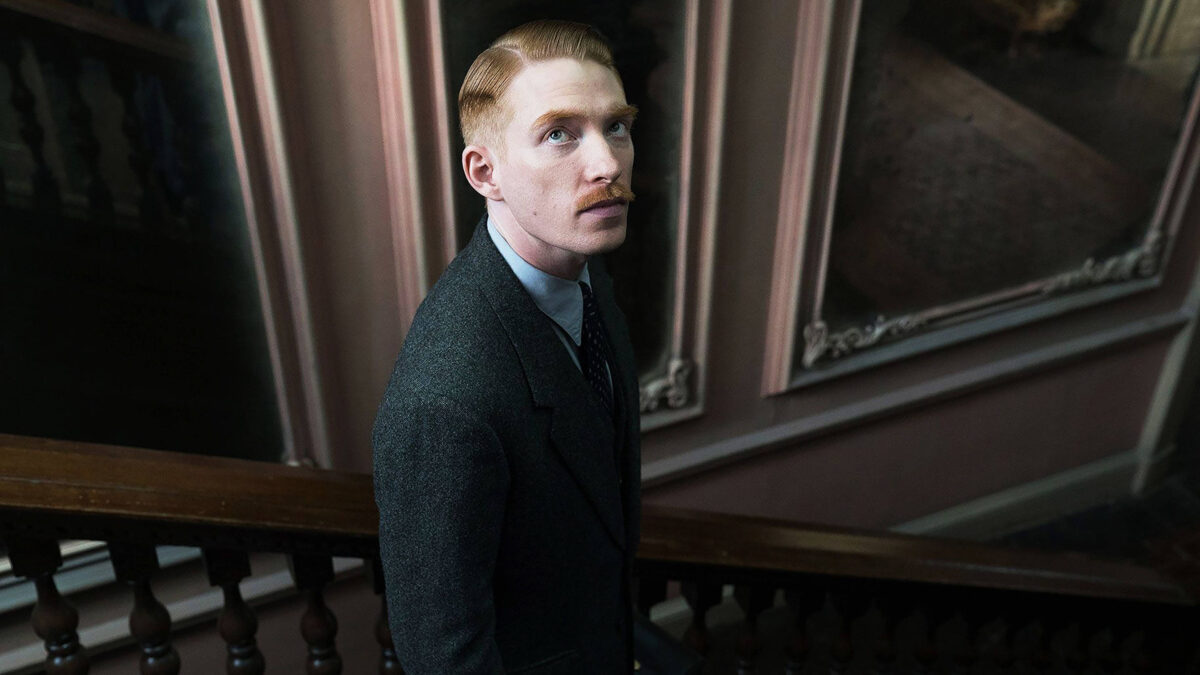
With brain-melting heat pummeling so much of the country, a lot of us could use a good shiver. So, into the theaters creeps the subtly unsettling, elegantly atmospheric gothic chiller The Little Stranger. Smart and understated, in the style of 1960s classics like The Innocents or The Haunting, it’s a movie of quiet dread and implied menace. That means it’s probably not going to win over fans addicted to the jump scares and cranked-up shenanigans of thrillers inspired by the success of The Conjuring and Insidious flicks.
All of the melancholy and moody goings-on in The Little Stranger will be familiar to readers of Sarah Waters’ 2009 bestseller that Stephen King called the year’s best and a guarantee of “sleepless nights.” The action—such as it is—unfolds in 1948 and focuses on the very good Domhnall Gleeson (Star Wars: The Last Jedi, Mother!) as country doctor Faraday who, growing up as a poor young boy, fell under the spell of a grand mansion known as Hundreds Hall, where his mother worked as a servant to the high and mighty Ayres family.
Grown-up, repressed and emotionally inscrutable, Faraday gets summoned to tend to an ailing, spooked teen housemaid (an excellent Liv Hill) at the now-ramshackle, centuries-old estate where what’s left of the Ayreses struggle to hang on to their fast-faded social standing and pride as fiercely as social class-obsessed characters out of Chekov. Amid the suffocating atmosphere of overgrown weeds, cobwebs and festering regret, Faraday encounters Freudian weirdness, abuse and psychological trauma running rampant among the Ayres clan.
As lovingly directed by Lenny Abrahamson (Room) and scripted by Lucinda Coxon (The Danish Girl), most of the shadowy revelations at Hundreds Hall (so spectacularly shot by cinematographer Ole Bratt Birkeland—and detailed in Simon Elliott’s production design—that, cliché or not, is a major character) are straight-up spoilers. So, let’s just say that a kind of trust and a tentative romance develop between the ambitious upstart Faraday and by the intelligent, lonely, quietly defiant Caroline Ayres, played by the ever-provocative Ruth Wilson in a spectacularly wry performance that walks away with the entire film.
Everything’s implied, but nothing is tied up in a neat bow and explained away.
Also lurking about are Charlotte Rampling—as the vinegary family matriarch still mourning for a favorite elder daughter Suki, who died as child—and Will Poulter as Caroline’s brother, a physically and psychologically scarred ex-RAF pilot brother. They suspect that something, perhaps supernatural—a “bad thing,” as a young maid calls it—is alive in the house. How else to explain the way Hundreds Hall creaks, sighs and just about breathes, thanks to fantastic sound design by Steve Fanagan? Why do servant’s bells ring out, apparently on their own? And what about the scratch marks that mar the walls?
Thrill addicts may find Lenny Abrahamson’s slow-burn pacing too restrained for their liking. Some may judge the third-act thrills too wispy, creaky and metaphorical for their tastes. Everything’s implied, but nothing is tied up in a neat bow and explained away. For some of the rest of us, though, The Little Stranger is a rare thing—a classy, gloomy, sorrowful little heartbreaker.