Your bag is empty.


This June we look to our Playmates for their thoughts on love, equality and freedom
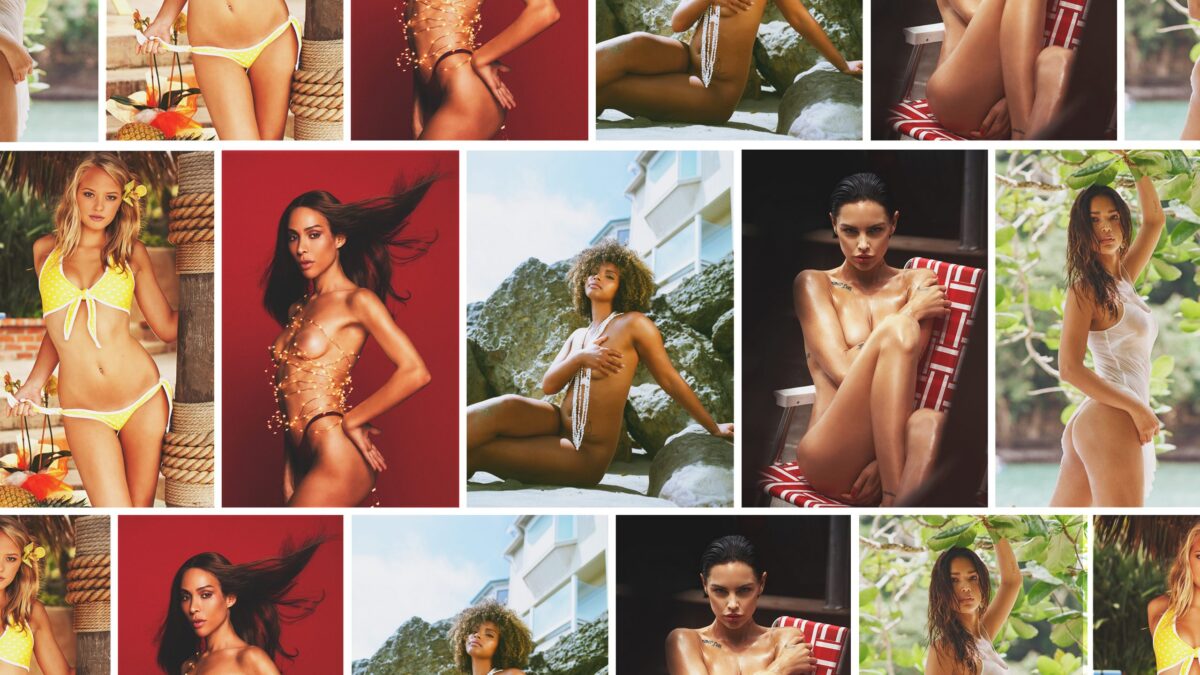
When I tell people that I work at Playboy, they frequently respond with comments about the magazine, the Mansion and the man behind it all, Hugh Hefner. But what I wish more people knew about is how Playboy has championed an open and nonjudgmental approach to love, sex and relationships since the company’s creation in 1953. (As Hefner once put it, Playboy was “a response to the repressive antisexual, anti-play-and-pleasure aspects of our puritan heritage.”)
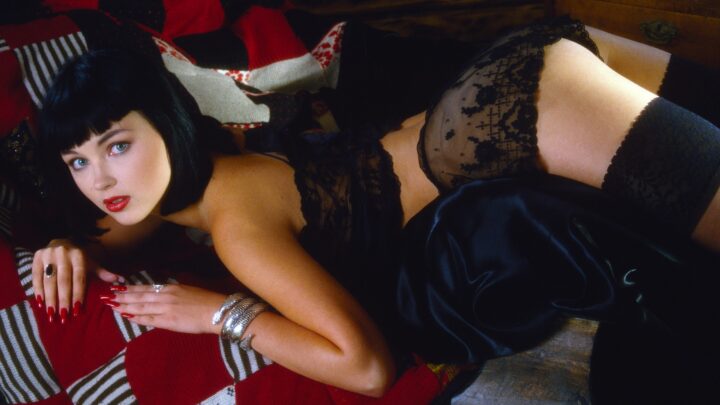
Certain salient moments and themes across the brand’s history stand out as meaningful to me: In the 1950s the magazine normalized nudity and empowered women to explore their sexuality. The Playboy Advisor franchise launched in 1960, allowing readers to reach out and ask questions about sex and sexuality without shame. Editors in the 1970s used the iconic Playboy Interview as a platform for frank conversations about homosexuality with leading sexologists such as William Masters and Virginia E. Johnson, as well as with pop-culture figures including David Bowie. That same decade, the Playboy Foundation began funding LGBTQ advocacy groups with sizable donations. When President Ronald Reagan refused to acknowledge how the AIDS virus was afflicting the gay community in the early 1980s, Playboy spoke up and challenged the administration while discrediting misleading stereotypes about the disease. In 1991, Playboy featured transgender model Tula, also known as Caroline Cossey, in her own pictorial (she had previously appeared with other women in a 1981 shoot). Over the years, Playboy has held AIDS-awareness benefits, taken an early stance in support of gay marriage, campaigned against conversion therapy and lent countless stars a platform to discuss their sexuality and gender without judgment.
On the path to equality, there is much more work to be done; Playboy will continue to champion sexual freedom and an individual’s right to love freely.
To me, working at Playboy means I’m part of a lineage of freedom fighters who will never stop speaking up for equality. When I walk through our office, I see the diversity of our staff and feel safe to be myself—a proud bisexual woman. I’m part of a community of people who understand that love comes in many forms and should always be celebrated.
In many parts of the world, queerness remains stigmatized and even criminalized. On the path to equality, there is much more work to be done; Playboy will continue to champion sexual freedom and an individual’s right to love freely.
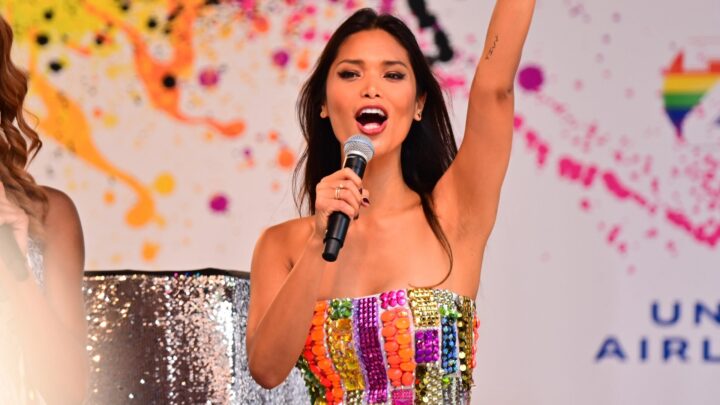
Within our Playboy family, several Playmates use their platforms to support the LGBTQ community, helping to pave the way for others to be themselves without fear. We reached out to a handful—Teela LaRoux, Gillian Chan, Geena Rocero, Ines Rau and Ashley Hobbs—to hear what they had to say about Pride in 2020.