Your bag is empty.

*Punisher,* Bridgers’s eerily prophetic new album, came out last week but feels like it was written within the past month. So does its “bio,” written by *In the Dream House* author Carmen Maria Machado. Read on as the two artists conjure their ghosts

The bio that accompanies Punisher, the new album by Phoebe Bridgers, contains no backstory, no direct references to the artist’s work, no case for why you should buy or stream it. It’s a two-page work of fiction set in a haunted house, which makes sense considering it was written by Carmen Maria Machado, whose books In the Dream House and Her Body and Other Parties use odd formal constraints (one story consists of 272 imagined scenes from Law & Order: SVU) to take on the elusive and often violent nature of desire.
Titled “Yesterday, Tomorrow” and set in a small domicile called the House of Punishment, the bio makes actual biographical exposition feel lazy, but here goes: Phoebe Bridgers is a Los Angeles–bred 25-year-old whose first album, 2017’s Stranger in the Alps, established her as an artist whose lyrics deserve comparison with the greats of the past six decades. (The list of famous Bridgers admirers and collaborators is impressive but much less interesting than her own story.) Led by the single “Garden Song,” Punisher takes the folkie backbone of her early work and ups the stakes. The production is bigger and more eclectic, and the words build toward an apocalypse crowded with friends, ghosts, aliens and MAGA bros. The album closer, “I Know the End,” is breathtaking—literally, judging by the isolated gasps in its last few seconds.
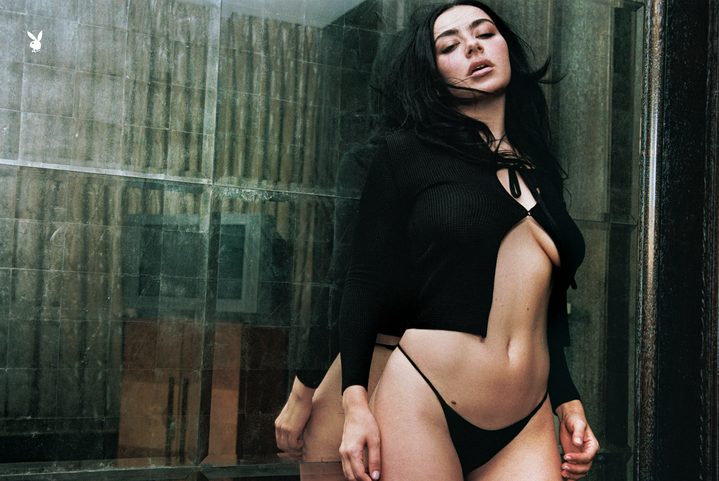
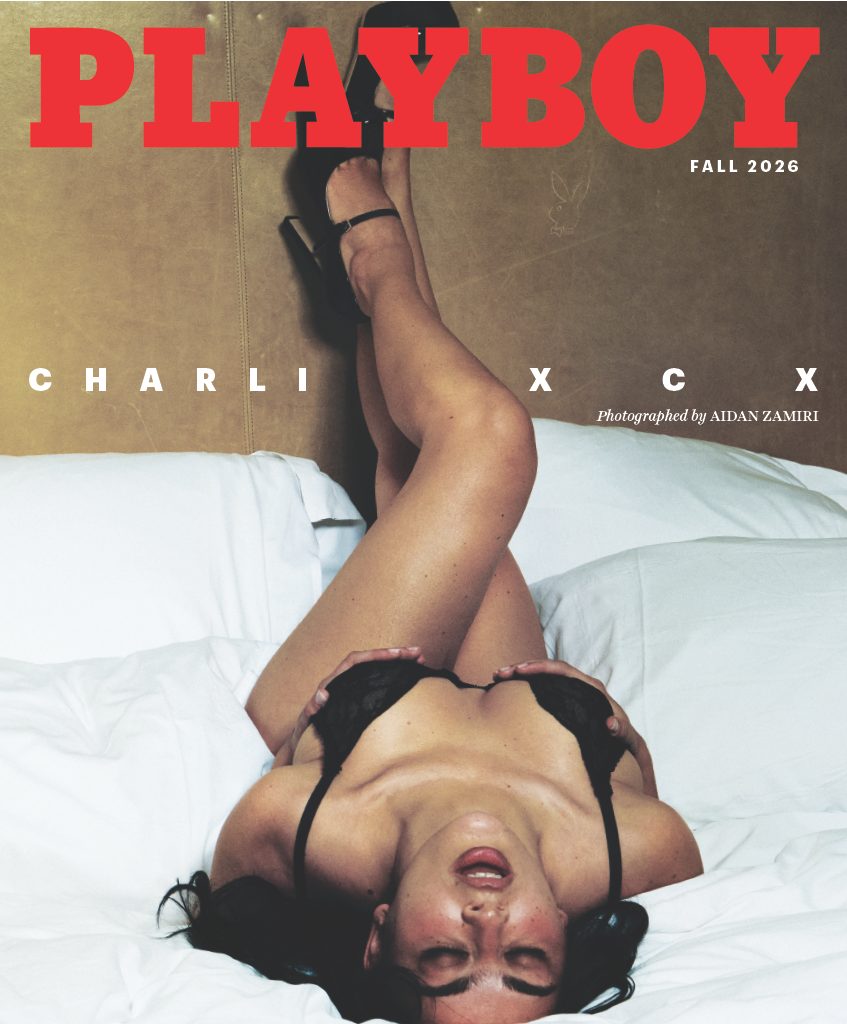
In early June, Playboy got Bridgers and Machado on the phone to talk about the bio and the album that inspired it—and Bridgers’s remotely directed, camgirl-inspired PLAYBOY shoot. Along the way they got into spirituality, art as prophecy, J.K. Rowling and, of course, the year’s overlapping crises.
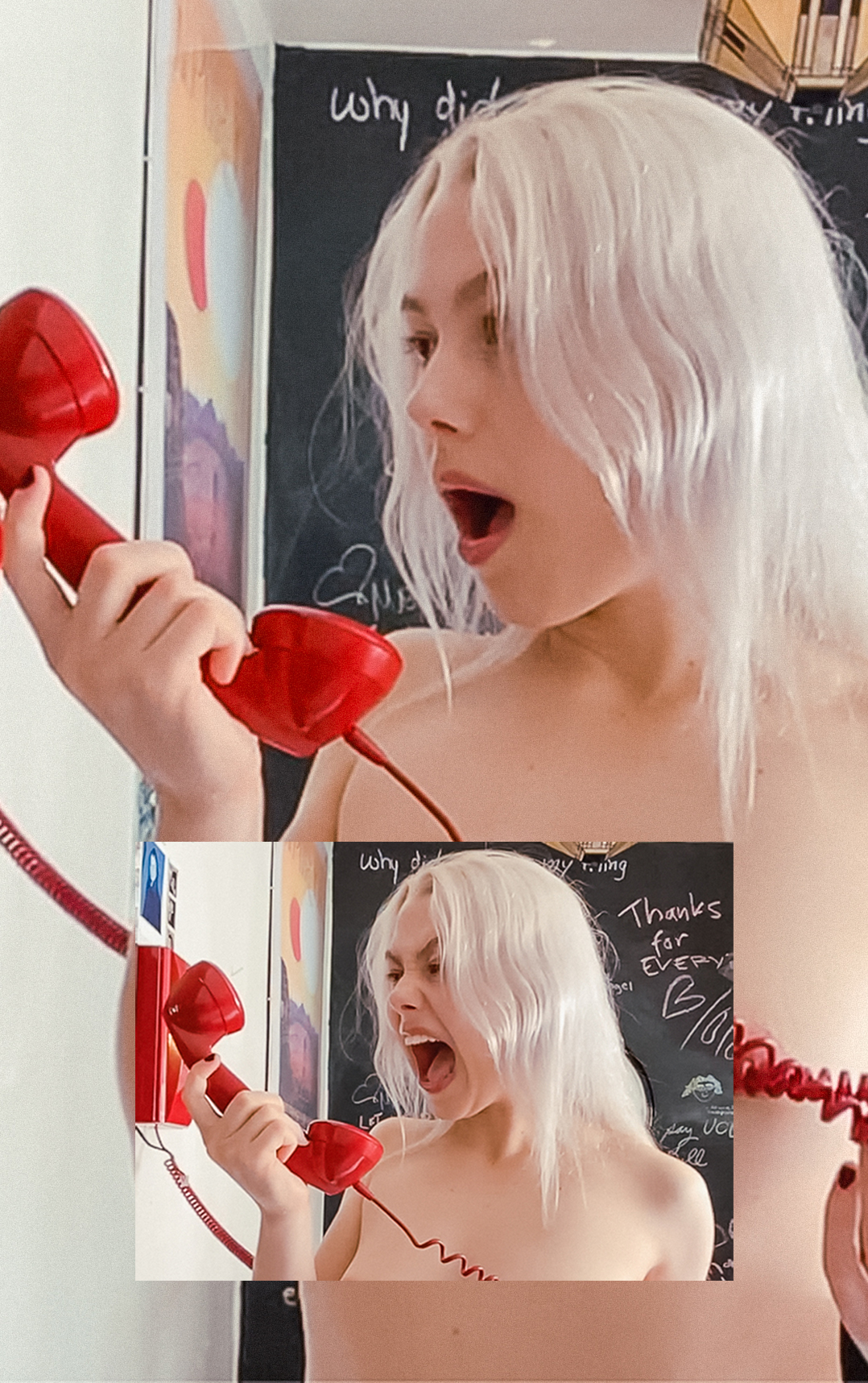
PLAYBOY: “Yesterday, Tomorrow” is partly based on a conversation the two of you had in March, when the world was a very different place. What’s it like reading it now?
BRIDGERS: It was funny, because we didn’t have a direction; it was just like, let’s see what happens. I was not trapped in my house when we had that interview, and now I’m trapped in my house, and everyone’s like, “Well, clearly your record is about quarantine.” So that’s been wild. When I first read [the bio] I was like, “Wow, this is a beautiful piece of writing.” One of my best friends was like, “If I knew that Phoebe Bridgers fan fiction was a job, I would have quit my day job years ago.” And then upon reading it again in the context of right now, I’m just like, “What the fuck? What the fuck?” I’m trapped here. This is the House of Punishment. It’s crazy.
MACHADO: I keep getting asked about my story “Inventory” from my first book, because it’s about a pandemic. People are like, “How did you know?” Other writers who have written about pandemics are getting questions like that too. And I’m always like, “Well, if you’re a person who pays attention and you’re interested in certain themes, it makes sense that prescience is a normal thing in art.”
BRIDGERS: Definitely. Weirdly, some of the record is about how art comes true.
MACHADO: I feel like we covered this when we were having our talk for the bio. I was talking about tarot and how I don’t believe in predicting the future in a magical sense, but that tarot is the way of mapping your subconscious.
BRIDGERS: This is my favorite intersection of science and magic: looking at a bunch of tarot cards and being like, “Of course my life is going to fall apart in two weeks,” when it’s actually just your subconscious that knows it to be true. I think so much science aligns with that at a certain point. I dated this kid in high school who would end up going to MIT on a full-ride scholarship for math. We had lunch when he was in grad school and he was like, “Well, basically what we’re working on right now is time travel.” And I’m like, “Oh, there is just a point where math and science just become magic.” The more you find out, the more mystical it is, and I think that’s what’s so fun.
PLAYBOY: Both of you tend to put a lot of ghosts in your work. Do you believe in them?
BRIDGERS: I feel like I’m too excited by ghosts to believe in ghosts. I want supernatural stuff to happen to me so bad that it just doesn’t. Like the minute I stop giving a shit, something will float through the wall, and I’ll be like, “Oh, yeah, it’s a ghost.” That’s my dream.
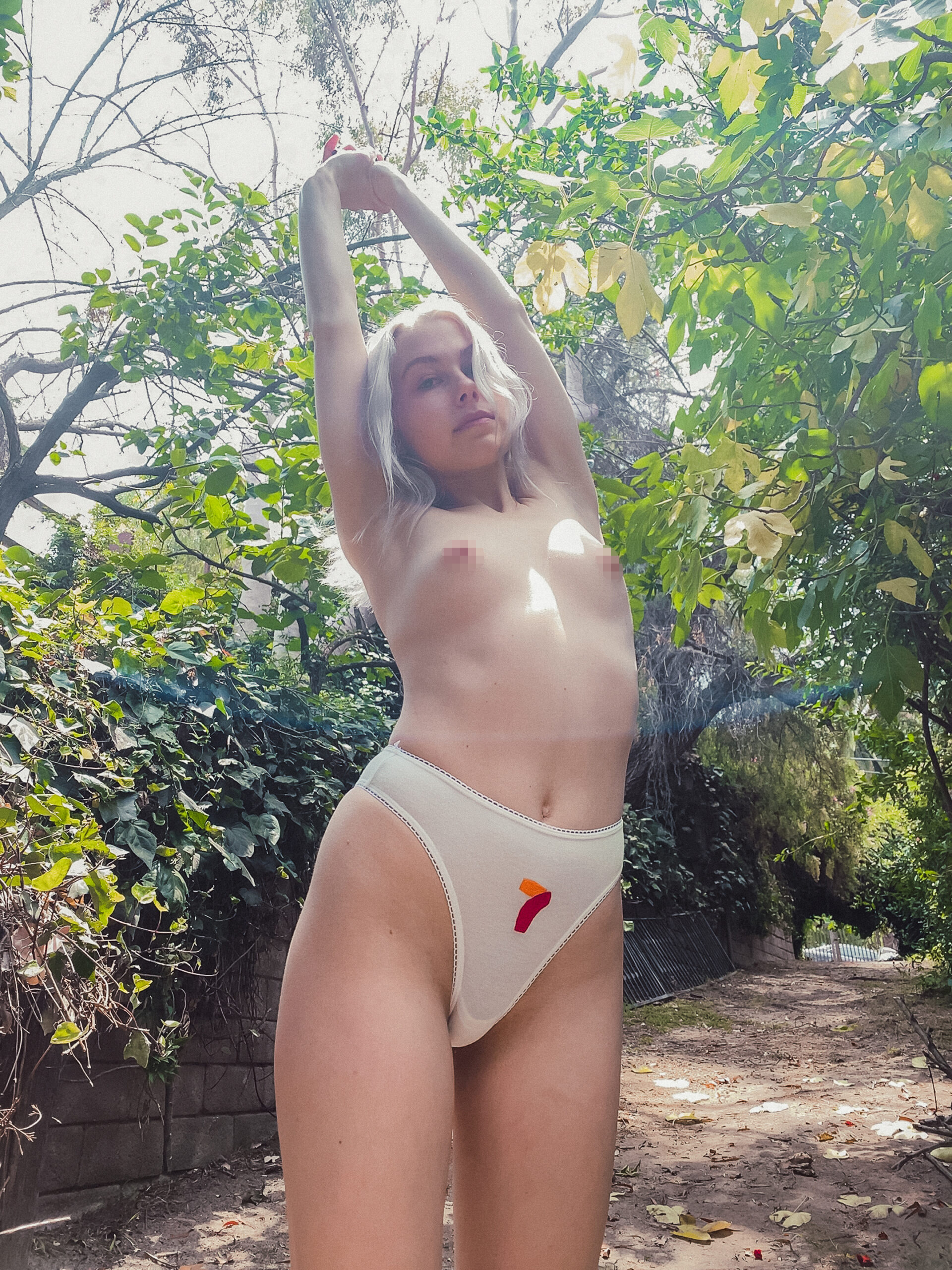
MACHADO: I don’t believe in ghosts, but I would give my left arm to just be like, all right, ghosts are real, magic is possible, cryptoids exist. I would love to be in that world.
PLAYBOY: How does mainstream spirituality make its way into your work?
MACHADO: I was raised in the Methodist church, which is a super mainstream middle-of-the-road denomination that is probably about to schism over the issue of gay marriage. But while I was in high school, I fell in with a gang of evangelicals because I wanted to feel something, and I felt like the evangelicals really felt something super strongly. But I also remember thinking, “Okay, if you believe in God and angels and demons, I guess then you believe that all this other crazy supernatural shit in the Bible is real.” I don’t know. I was a teenager, and I really wanted to feel something—as an adult, I figured out ways to do that without religion or magic—but I feel like that is a symptom of a desire for a kind of magic.
My most literal lyrics sometimes sound like my spookiest. My imagination is not as creative as my reality.
BRIDGERS: I actually have a song on my record about that. I was not really raised religious. I think my mom tried for like two seconds, but it was just not happening. The closest I ever got was crying on my 11th birthday when I didn’t get a Hogwarts letter.
MACHADO: Oh, yeah?
BRIDGERS: Even though I was so doubtful—even Santa Claus, since the beginning of time, I’ve been like, “No way”—I just wanted someone to prove to me that there was an out; I wanted to believe something. I was so jealous of religious people because it was like, you go to sleep every night thinking, “There is an unseen force taking care of me,” and I’ve never really felt that. I would probably, in the Matrix, take the religion pill if it meant I could sleep easy. So I have a song called “Chinese Satellite,” and the metaphor is that you’re looking at the sky, and there aren’t even stars, and you’re like, “All right, I’ll settle for this giant piece of hardware in the sky.” It’s always felt like that’s my relationship to religion: I’m going to try this because it’s not really working with other stuff.
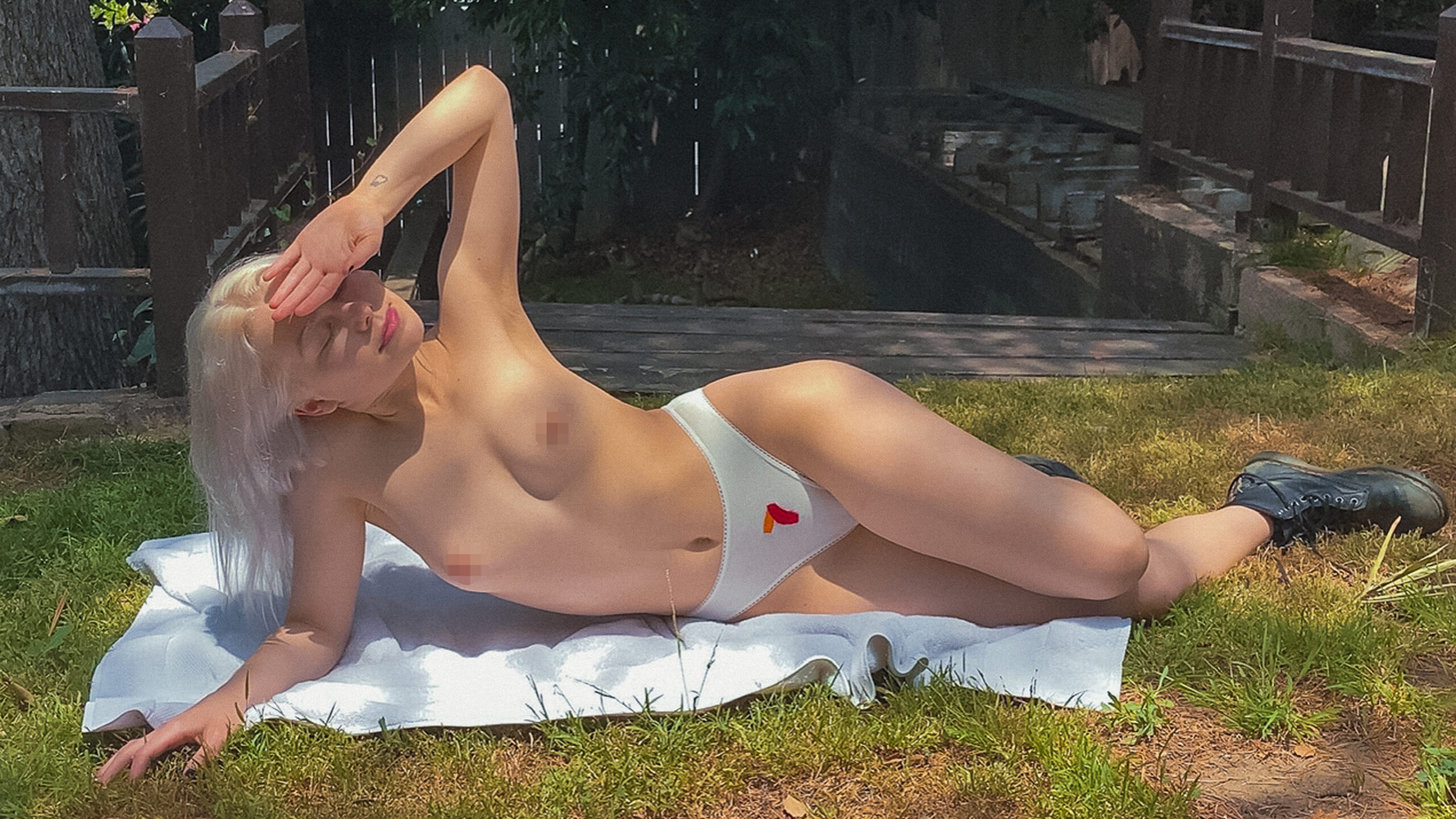
PLAYBOY: Love and romance can be hard to locate on the album. There’s that moment in “Garden Song” that also appears in the bio: “And when I find you / You touch my leg, and I insist / But I wake up before we do it.” How do they fit into the House of Punishment?
BRIDGERS: I think love has really been a changing form for me in my adulthood. There isn’t as much of a script for friendship, so I think the lines kind of blur on the record between romance and platonic friendship. They’re kind of becoming the same thing to me. Sometimes I’ll be like, “I’m going to write a song about my friend,” and then I end up with this very obvious Starbucks love song.
MACHADO: [laughs] Sorry, a Starbucks love song?
BRIDGERS: I don’t know, like a Jason Mraz song. My corniest songs that are the least fraught are about my friends. Actually, this is a conundrum too: My most literal lyrics sometimes sound like my spookiest. In “Garden Song,” the line “The doctor put her hands over my liver and told me my resentment is getting smaller”—that was a nutritionist in Los Angeles who literally did that to me. My imagination is not as creative as my reality.
PLAYBOY: The bio contains some portentous lines toward the end: “Everyone knows the world is ending. They’ve been told as much, and they can see it in the streets, and they know the world is irreparably fucked, but most importantly they feel it among themselves; they know this goodness cannot last forever.” Do you think that passage speaks at all to the events of the past two weeks?
Art has its own life or energy but is a little separated from the artist.
MACHADO: I mean, it’s sort of what I was saying before about prescience. I think that anyone looking at the world with any kind of self-awareness and empathy can see that a lot of systems are fundamentally broken. If you don’t think that, you are extremely lucky and very privileged and I’m not really interested in what you have to say. But the different ways it’s broken are going to be more or less obvious to different people depending on what you’re talking about. Right now we’re experiencing a very concentrated conversation around race and policing and then larger conversations about race, the way that we had a conversation about Me Too two years ago, where gender was at the center of things. Whether or not you think that they will make a long-term difference is anyone’s guess. I am a little pessimistic, but also I feel like on this particular issue of how black folks are able to live in our society, it’s not really up to me to say if I feel pessimistic or optimistic. All I can do is hope things get better and do what I can with the talents and abilities that I have. But I feel like people have different levels of optimism or pessimism around things like racism or sexism or homophobia or transphobia, and right now we’re getting it from all sides. Speaking of getting your Hogwarts letter——
BRIDGERS: Oh my God.
MACHADO: I could go on and on about J.K. Rowling in particular. But what’s weirdly illustrative about her is that she’s obviously a super privileged and fucked-up person and is wearing that in a lot of ways, but it doesn’t, I think, diminish what her art has meant for a lot of people. Other writers have publicly shown themselves to be bigots, and that can be true even while their art means something to lots of people. It illustrates the many ways in which art has its own life or energy but is a little separated from the artist. If you create a thing, until it’s out you can fuck with it as much as you want. Phoebe, you know this.
BRIDGERS: Yeah.
MACHADO: But at some point it’s out, and then you can’t fix it. You can’t change it. It is. It’s like a separate thing from you, and it has nothing to do with you anymore; it has to do with all the people who are having conversations with it now and for all of human history, until we destroy ourselves. But also it’s sort of beautiful because it’s not really about you anymore. And I feel like that’s actually useful for artists, because it allows you to move on and do other things. But I think it’s also useful for readers or listeners who can say, “This means something to me, and that has nothing to do with J.K. Rowling as a person,” or any particular artist as a person or a human being in all their fucked-up ways. It just gets to be its own thing.
Camming is close to my heart. As a millennial, it’s kind of ingrained.
BRIDGERS: I think there are certain people whose identities are so wrapped up in being the underdog, like J.K. Rowling. Like, “I’m a woman and I’ve been belittled for my ideas, I was rejected from each publishing house and my success is this big victory against all odds,” but somewhere there’s a black woman trying to do that who we never heard from. And the idea that J.K. Rowling is more privileged than other people is clearly so uncomfortable for her and feels like an attack. I think a lot of artists are like, “Wait, wait, wait, I didn’t have a lot. I fought the power too! It was hard for me too!” And it’s like, “Yeah, but your skin color was never a part of it. Your gender identity was never a part of it.” When equality feels like an attack, it’s just so wild. All you have to do is step the fuck back. It’s so hard for people to just shut up and realize it’s not their time.
PLAYBOY: Have you guys been marching or otherwise participating in the protests?
BRIDGERS: I’ve been marching, which was so weird. I don’t judge anybody for avoiding marches because of quarantine, because it’s kind of impossible: Everybody’s wearing masks, but with the police presence there looming and being fucking terrifying, it’s like everybody’s even closer together than they would be if it was just a peaceful protest, without police. L.A. is its own brand of fucked. The LAPD has such a bloody history that I only really knew half of before going to marches. And then going and hearing like 10 different moms tell their stories about their kids being killed in ways that were not filmed, I had a very predictable reaction: “Oh my God, I knew it was happening, but I didn’t know it was happening.” So it felt good to kind of open my eyes to the way that every single community is affected in the same way by a broken system.
It’s super weird making music that has nothing to do with race relations or what’s going on in the country and using it as a tool, but I feel so lucky to be able to do it; I feel uniquely qualified to open some people’s eyes. I’ll post “Black Lives Matter” and get someone being like, “Hey, watch your mouth,” or, “Your cop fans are sad right now.” And I’m like, “Fuck you. Quit your job.” Like, I’m sorry if I don’t make music for you. It’s just so weird that my perspective is radical to some people. It’s tempting to think, “Oh, I’m preaching to the choir; nobody who listens to my music disagrees with me politically.” And then I realized that’s not true. I said, “Fuck Donald Trump” in Salt Lake City once and got total silence—at my own sold-out show. I’m like, “Do you guys not pay attention? ‘Fuck Donald Trump’ is the least radical thing I’ve said, ever.” So I think people are realizing how many people with enormous blind spots exist right now. It feels like even the little that I’m doing is doing something, because those people are kind of everywhere.
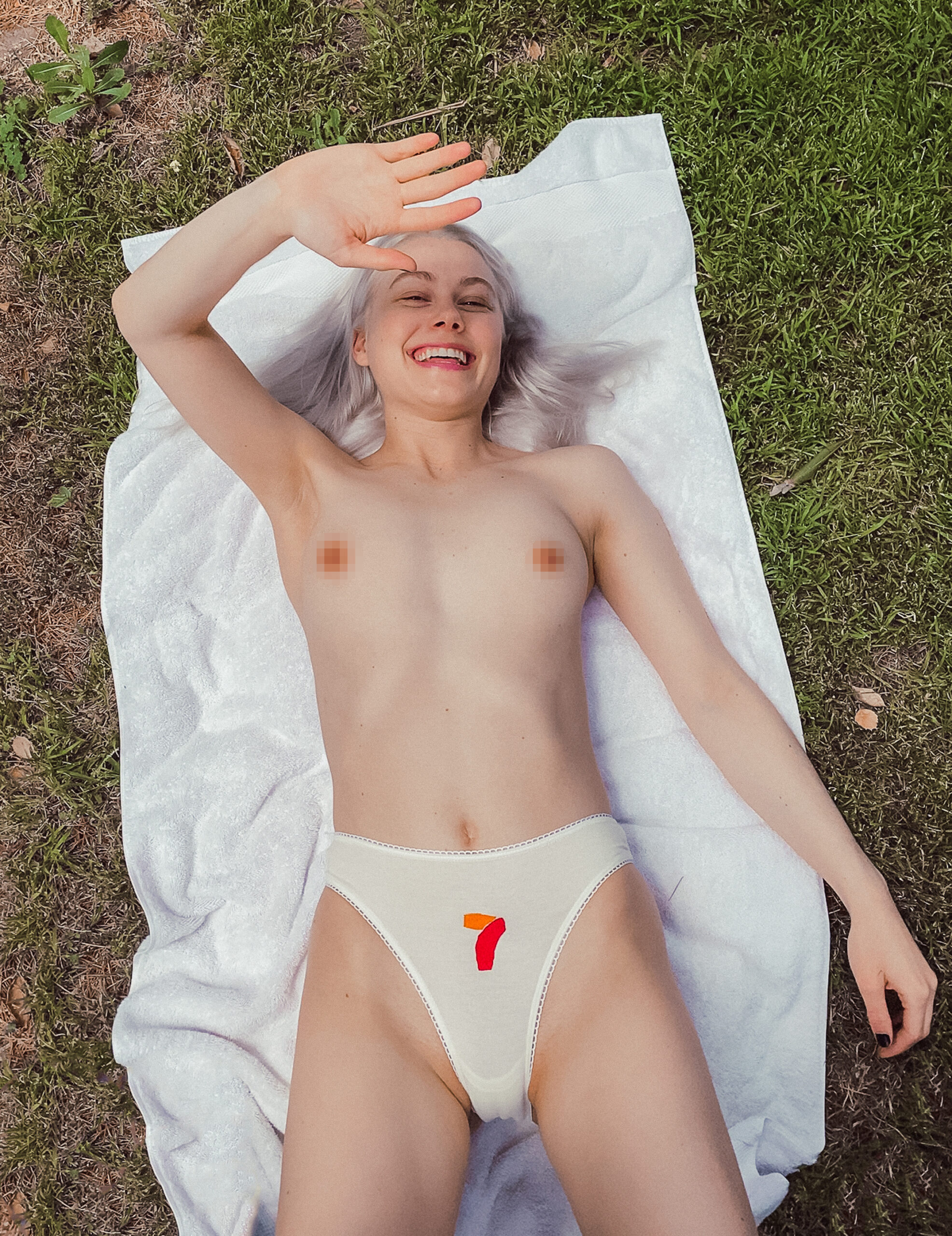
PLAYBOY: Last question: Phoebe, have you told Carmen about the Women of 7-Eleven shoot you originally had in mind for this story?
BRIDGERS: I hadn’t. It’s so epic. It’s basically an advertisement for how normal people can be hot. It’s actual people who work at 7-Eleven, these cute girls behind the counter—and then naked photos in trucker hats and stuff. It’s truly beautiful and inspiring. And I really wanted to do it, but then they were like, “7-Eleven might not be down with that anymore.”
PLAYBOY: The story is actually that they stopped stocking the magazine, so the pictorial was Playboy’s fuck-you to 7-Eleven.
BRIDGERS: Well, fuck 7-Eleven then.
MACHADO: That is really smart.
BRIDGERS: But where we landed is camming, which is close to my heart. As a millennial, it’s kind of ingrained. And with the quarantine, you have to give yourself specific guidelines. I think we’re going to get creative with our restrictions, which is going to be fun.