Your bag is empty.

Seven men have been accused of raping a woman at Cornell University in 2024. Toby Morton wants you to know their names.
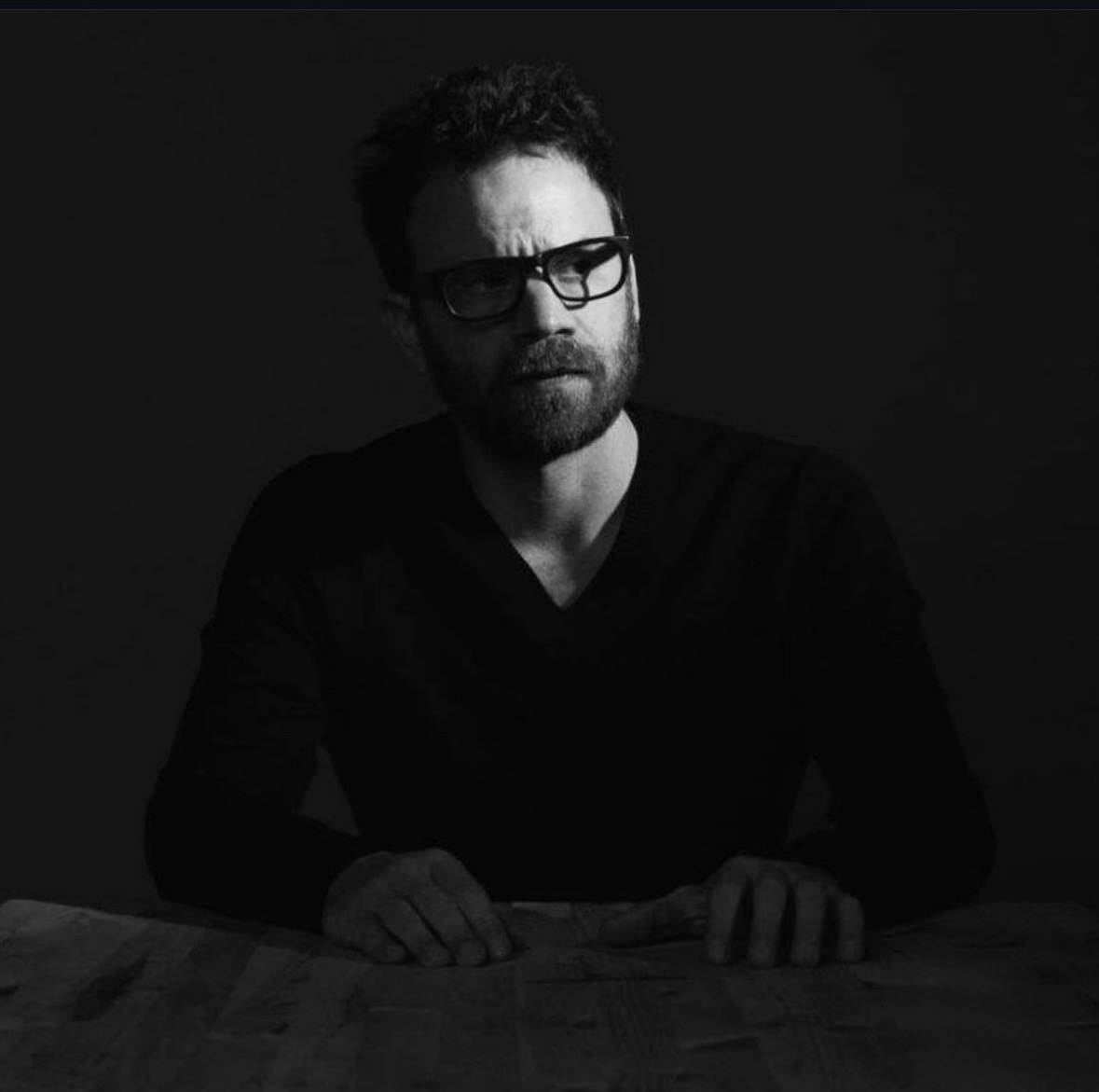
Cornell University has been the subject of innumerable headlines this week, as an anonymous woman’s lawsuit against the university over her alleged 2024 rape prompted New York prosecutors to reopen their investigation of her claims, from which the initial criminal investigation yielded no criminal charges.
The details of the lawsuit are nothing short of shocking. According to the complaint, the student identified only as Jane Doe was severely intoxicated when seven members of the Chi Phi fraternity pressured her to take ketamine before assaulting her individually and as a group. The complaint also contains a screenshot of what appears to be a Chi Phi group chat on Snapchat, where members said there was “free pussy” upstairs, which the lawsuit says referred to Doe. After the assault, Doe went to police, kicking off the university investigation and the criminal investigation that didn’t lead to any arrests. Cornell’s own investigation involved suspensions, and, the lawsuit alleges, an offer for the accused to write essays in exchange for lighter punishment (Cornell denies this characterization. In response to Playboy’s request for comment, Cornell directed us to this statement).
But her disturbing, 101-page civil complaint doesn’t just lay blame on the university. In addition to Cornell University, Chi Phi fraternity, and various other institutional entities, Jane Doe named the seven men she claims drugged and raped her in the lawsuit.
Since she filed the lawsuit on September 16, the men’s names have gone viral amid #MeToo-era discussions on sexual assault, rape culture, and consent. On September 21, Cornell’s student newspaper, The Cornell Sun, published the names in an editorial titled, “Cornell Won’t, We Will,” criticizing the university’s handling of the initial investigation. And shortly after, Toby Morton—a satire and comedy writer who’s written for shows like South Park—created a website to hold the seven men named in the lawsuit accountable. On TheCornell7.org, Morton is publishing “names, photographs, documents, messages, and other information related to the case” to seek accountability.
Morton, who buys domain names and publishes often-satirical websites calling out politicians, says these kinds of sites are a way to make sure accountability “doesn’t have an expiration date.” While a social media post or news cycle might quickly fade, a domain name won’t, he tells Playboy.
“I started building The Cornell 7 in late September, after reading the complaint and realizing how easily something this serious can eventually disappear into the internet’s basement,” Morton says. “The goal is pretty simple: preserve the public record, follow what happens, and make sure accountability doesn’t have an expiration date. The internet remembers everything except, somehow, the things powerful institutions would prefer it forget.”
We caught up with Morton via email to talk more about the site, his goal, and what accountability means in cases like these.
Courts determine legal liability. The rest of us determine whether we listen, whether we take allegations seriously, and whether we pay attention. I’ve chosen to pay attention.
The DNA is the same: use the internet to make something difficult to ignore. But this one carries a very different responsibility. When I’m making fun of a politician, I can bring a flamethrower. Here, there are allegations of sexual violence and real people living with the consequences of everything being discussed. So the humor stays mostly around the edges. The subject itself deserves seriousness.
Accountability starts with not looking away. It means following the legal process, documenting what is publicly established, asking hard questions of the people and institutions involved, and making sure this doesn’t simply vanish when the news cycle finds its next shiny object. My job is making sure people keep paying attention.
Slowly. Painfully. With approximately 47 browser tabs open at all times. Verification matters enormously. I’m dealing with real people and serious allegations, so I cross-reference public records, court documents, photographs and other information before publishing something as fact. I’d rather be late and right than first and wrong. There’s already enough misinformation on the internet. I don’t need to open another franchise.
Of course I think about it. You’d be reckless not to. But fear of being sued can’t become a substitute for accuracy. I rely heavily on public documents, and correct things if correction is warranted. I’m not trying to conduct my own trial on a website.
I don’t actually see it as that big a departure. Satire has always been about pointing at something powerful or absurd and saying, “Are we all seeing this?!” This is obviously not a joke. But the instinct is similar: don’t look away because something is uncomfortable. I think it spread because a lot of people, particularly women, are fucking exhausted by watching stories about sexual violence become enormous for 48 hours and then quietly disappear.
I meant I’m not working inside a newsroom, waiting for an assignment, negotiating column inches or wondering whether an editor thinks I’ve spent enough time on one story. I can obsess over something for as long as I choose. Apparently my great journalistic innovation is having no editor capable of telling me to go home.
I think men need to challenge other men when women aren’t in the room. That’s where a lot of this culture survives, in the joke nobody challenges, the story everybody laughs at.
Men shouldn’t require a daughter, wife, girlfriend or sister before sexual violence against women becomes important to them. Women are enough. And condemning sexual assault shouldn’t qualify anyone for a medal. The bar is on the floor. Step over it. I also think men need to challenge other men when women aren’t in the room. That’s where a lot of this culture survives, in the joke nobody challenges, the story everybody laughs at, the behavior friends excuse because confronting it would be uncomfortable.
When a woman says she was sexually assaulted, my starting position is to believe her. Apparently that remains controversial, which is fucking insane. For generations, women have been asked what they wore, what they drank, why they went there, why they stayed, why they left, why they waited, why they spoke up. Meanwhile, somehow, the accused are afforded an endless buffet of benefit of the doubt. Believing a woman isn’t the same thing as issuing a legal verdict. Courts determine legal liability. The rest of us determine whether we listen, whether we take allegations seriously, and whether we pay attention. I’ve chosen to pay attention.
Because websites are stubborn. A social media post gets buried by tomorrow morning. A website has an address. You can search it, send it, archive it and come back six months later. I started buying domains because I realized that if powerful people and institutions spend enormous amounts of money controlling their image, a domain name can be a wonderfully inexpensive piece of real estate they don’t control.
Absolutely. Billboards and advertising have been part of virtually every website campaign I’ve done. The website is the information; the advertising is how I make sure people actually have to confront it. I love billboards because they’re basically websites you can’t scroll past. You can block me, mute me, close the browser, throw your phone into the ocean, whatever brings you peace. But it’s considerably harder to unfollow a 48 foot sign on your drive to work.
That’s always been the larger idea behind these projects: don’t just build the website and hope somebody finds it. Put it in front of people. Online, offline, wherever eyeballs are inconveniently located. And yes, The Cornell 7 will have billboards.
We spend enormous amounts of time asking women how to protect themselves. I’d like us to spend considerably more time asking men how we create a culture in which women don’t have to.
First, I hope the legal process establishes the facts fairly and thoroughly, and that the people affected are treated like human beings rather than content.
The larger conversation I want is about what happens before a case becomes national news: what friends tolerate, what institutions overlook, what people convince themselves isn’t their problem. We spend enormous amounts of time asking women how to protect themselves. I’d like us to spend considerably more time asking men how we create a culture in which women don’t have to.
Since launching this, I’ve received an extraordinary number of messages from current and former Cornell students sharing information and experiences. I’m verifying what I can before deciding what belongs publicly on the site. That response has probably taught me the most important thing about this project: people don’t just want someone to speak. They want someone to stay.
The internet is very good at outrage. I’m more interested in endurance. And, unfortunately for anyone hoping I’ll get bored, I’m a comedy writer. Obsessively pursuing one idea long past the point when reasonable people would have stopped is basically the job description.