Your bag is empty.

Freaked out by Trump's massive beef import, people are finding local food sources...like Facebook Marketplace.
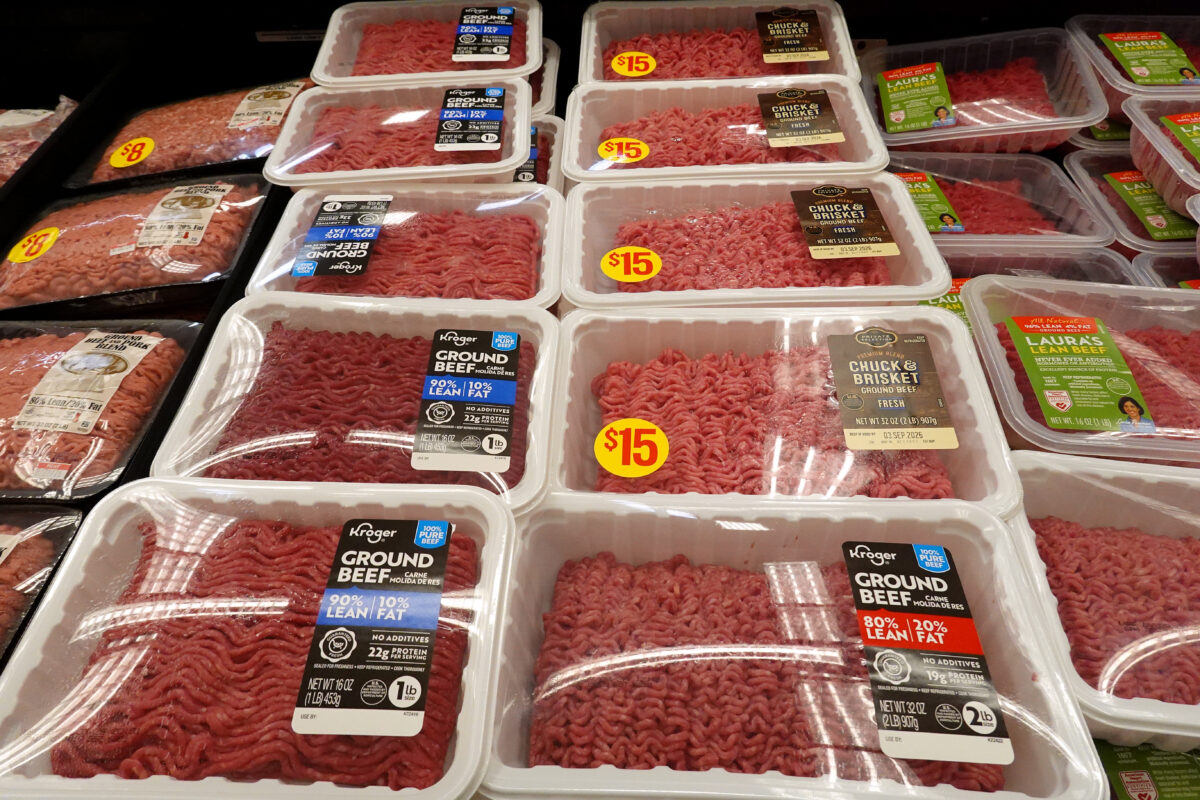
As a Chicagoan, “local beef” usually refers to a fight with a neighbor over a parking spot, sports team, or hot dog condiments. Now, with food recalls happening seemingly every other day, reported government-sanctioned sales of wild horses to slaughterhouses, and President Donald Trump’s recent effort to lower beef prices, the term has taken on a more nutritious meaning. I never thought I would consider driving over an hour to buy ground beef on Facebook Marketplace, but in 2026, it sounds like a safer gamble than buying it on Amazon for $1.99 a pound.
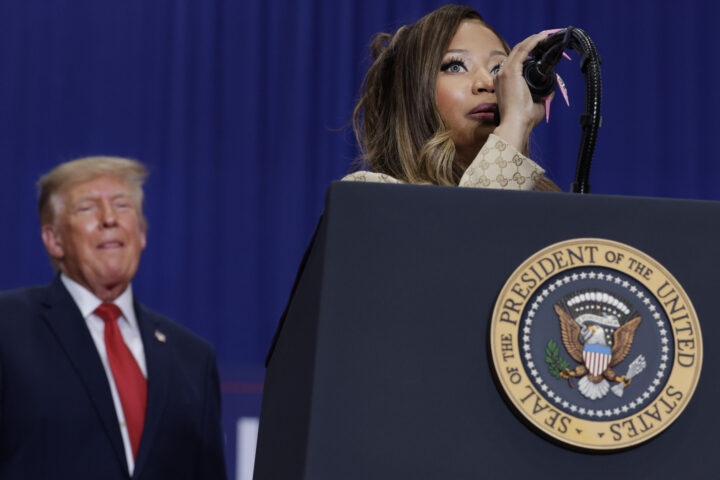
I’m not alone in my search for meat with a little less mystery. In late August, Trump signed an executive order in an effort to lower ground beef prices, removing tariffs on 300,000 metric tons of imported ground beef and requiring it be sold 25% below market price. Amid a flurry of food recalls (diarrhea lettuce, anyone?), people quickly expressed skepticism about the plan online. It only got worse when the U.S. Department of Agriculture Food Safety and Inspection Service recalled 29,628 pounds of imported beef that had been distributed in Texas and Florida. According to The Hill, the beef wasn’t connected to Trump’s no-tariff imports, but the damage was done. Across the internet, people were looking for local meat.
“Now that they’re trying to feed us donkey dick and horse meat, I got to know where our ranchers in Illinois are that are selling beef,” Jay Valenz posted on TikTok. “Because I’m definitely going to take a drive and get some real meat.” Some on the platform are sharing their journeys to get local beef. “With these talks of Trump importing bad, unsafe beef, I decided to go straight to the farm to get fresh, local beef myself! Super cool experience and I will definitely be back,” one user wrote. “If someone wants to get together and chip in on a whole cow, half cow, or quarter cow, let me know. They will cut it up and split it up for us!” In her comments, there are people ready to split a cow.
On Threads, users are crowdsourcing their meat. “I am looking for a local beef farmer I can purchase from in the Austin area. I’m NOT interested in mystery horse-beef, I AM interested in supporting local ranchers,” a Threads user wrote. “Can we get a thread of all the SC farmers and ranchers going?! We want to support LOCAL. Please drop your info and location!” wrote another. There are similar posts for states across the country, like Illinois, Florida, and New Jersey, all inquiring about and recommending local farms and cattle ranches.
And on Facebook, people are, obviously, turning to Marketplace. A Minnesota-based couple saw a quarter of a cow for sale in the local Facebook Group Farms Direct Minnesota after the original buyer fell through. The pair were surprised to learn that they could arrange to buy an eighth of the cow. “So we hopped in our truck to get about $600 of meat,” Scott, one half of the couple, says. Where to store it, however, became an issue.
For others, the biggest issue with sourcing local meat is politics. Because the local meat frenzy was triggered by Trump’s move, many are looking for farmers who didn’t vote for him in the last election. This inspired content creator Necessary Noise to start Blue Dot Beef Suppliers, a Facebook group that has grown to more than 43,000 members since its recent launch on August 25, 2026. “It is in reference to being a democrat in a red state,” explains Necessary Noise, who preferred not to share his real name. It is frequently cited that 80% of farmers voted for Trump, but this is not entirely accurate. Rather, a majority of farming-dependent counties did, at an average rate of 77.7%. All that really proves is that progressive farms are, as the group founder puts it, “blue dots in a sea of red.”
“The common notion that farmers helped get Trump elected is not supported by any real evidence,” notes Michael Burns, a hog farmer based in upstate New York. Sure, there is evidence that rural voters helped Trump, and that “Big Four” meatpacking corporations that make up about 85% of the U.S. market spend more money on lobbying republican politicians. Still, that doesn’t speak to the interests of independent farmers who, like many Americans, are struggling to survive.
“Despite my good market, I’m getting clobbered by the cost of steel and aluminum equipment and fuel,” Burns says. “The social media interest is positive, but it has to lead to, ultimately, change in policy.” In the meantime, Burns says he hopes more people will learn about the nuances of the U.S. food supply.
Prairie Creek Farms, a regenerative farm in Oklahoma, reported a 60 to 70% increase in protein sales in less than two weeks, noting that the interest in local meat is definitely a boon for small farms like theirs. But farmer Nate Beaulac also took the opportunity to shed light on the beef industry, complicating the narrative that this moment is solely good for farmers.
“This may kind of be a win for local farms. Some ranchers are going to get a little bit hurt by this, but beef prices are still up [at] record prices. The real concerning thing here for me as a farmer is that the general consumer is so surprised by this,” Beaulac says about imported beef. “This has been going on forever. [The U.S. has] always imported beef.” And while he’s happy for the boost in sales to his farm, he noted the upcoming midterm elections as a potential motivator for politicians to prevent further grocery store price hikes. If people want real change, he says in the video, they have to “opt out” of the price of convenience and start shopping with local farms across the board–for the long term.
“I’ve seen all sorts of people buying half beef for the first time ever—incredible. Opportunity abounds for us to change the way that we eat and change the way that this whole show works,” Beaulac says in the video. “Because at the end of the day, whose fault is it if we hand the keys [to our food system] over and someone drives us off a cliff?”