Your bag is empty.
A look back at the Rabbit's London hop—when Playboy took a chance on gaming
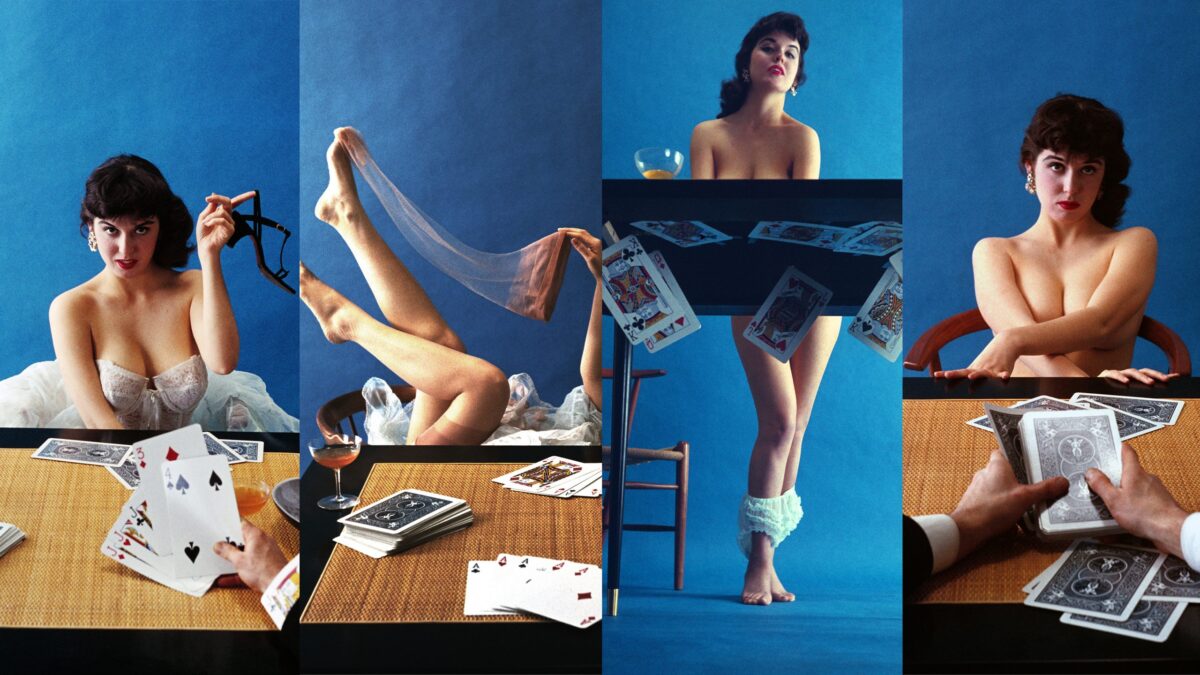
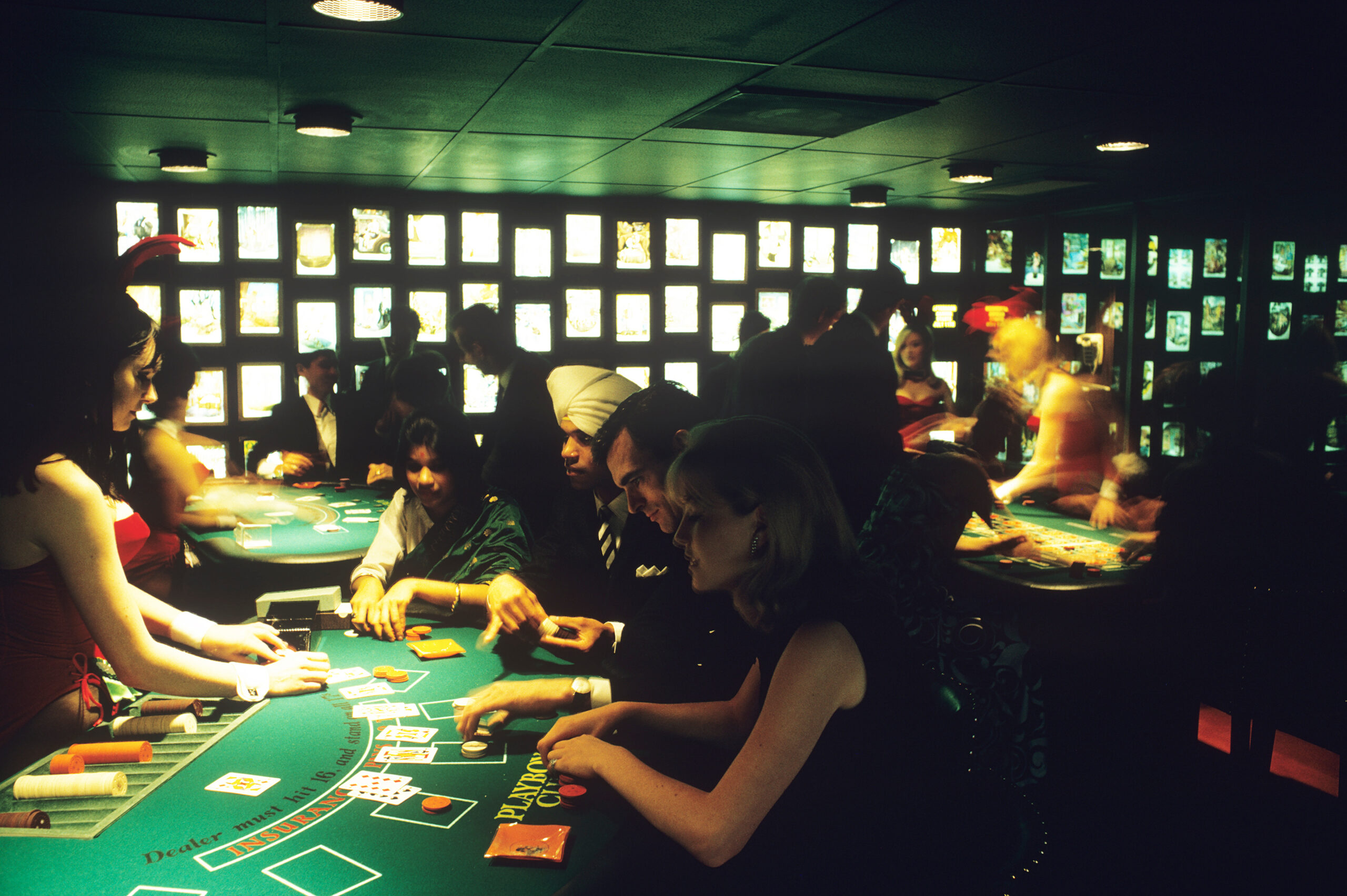
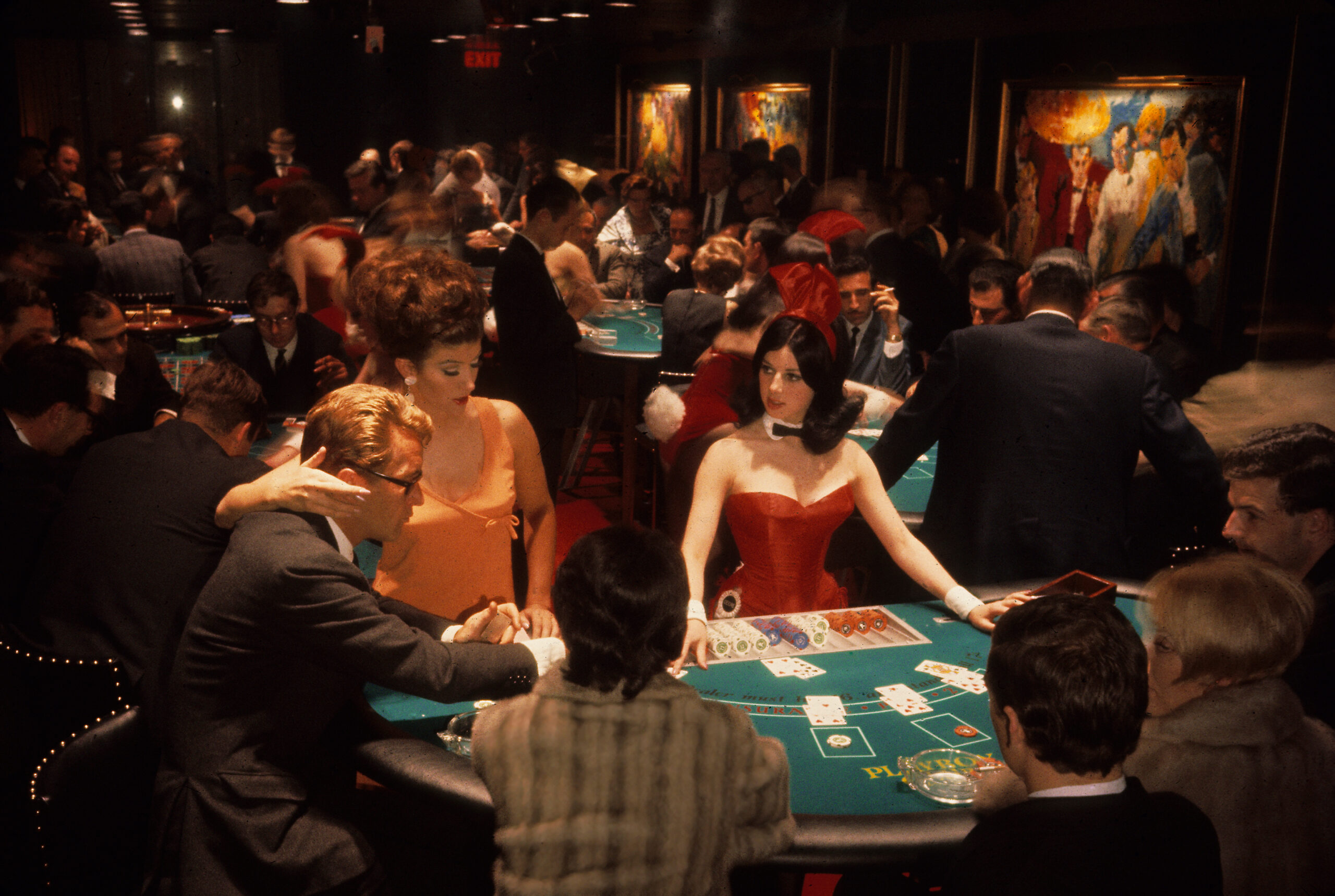
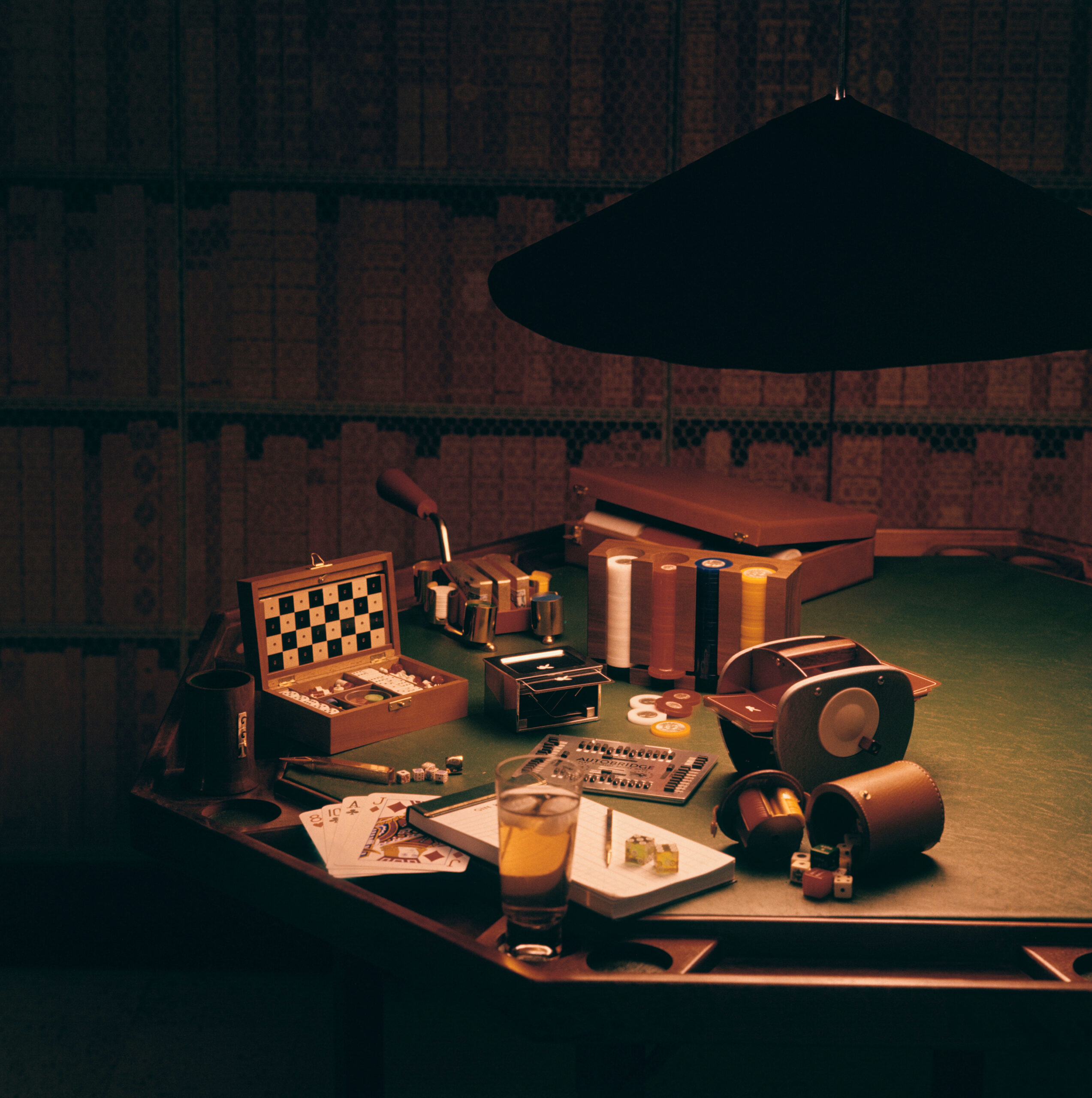
Playboy hit the jackpot in 1966 when, six years after opening the first Playboy Club in Chicago, it founded a club in London with a distinct twist: It was a casino too. Having published plenty of articles on slots, poker and backgammon (Hugh Hefner’s favorite), Playboy was no stranger to the sophisticated world of gaming. But the London club marked Playboy’s first major business venture in the industry. The casino, which featured roulette, craps and blackjack, was an instant success. Famous actors, musicians and dignitaries came from around the world to enjoy the one-of-a-kind experience.
The casino was possible in large part thanks to Victor Lownes, a top Playboy executive and Hef’s right-hand man, and the Bunnies who staffed the casino and were akin to local celebrities.
Marilyn Cole was training to be a Bunny at the London club when she met Lownes, whom she would later marry.
“Victor and Hefner had their pulse on what was happening,” says Cole, who became a Playmate and has her own remarkable pride of place in Playboy history. “The Playboy Casino opened at the perfect time—in the swinging ’60s—and it was very American, which people in England just loved. The glamour of gambling, the Bunnies, the famous entertainment and the ambiance—with the LeRoy Neiman paintings and all the opulent decorations—were a winning combination.”
“I can only describe the whole experience as an assault on the senses,” says Bunny Barbara, a Cocktail and Croupier Bunny at the London club (and aboard the R.H.M.S. Atlantis, the cruise ship on which Playboy operated a floating mobile casino) and eventual room director. “To this day, I remember everything from the smell of the searing steaks and cigars, to the rich royal blue colors of the VIP Room, to the sounds of Lolly, our pet parrot, squawking in our dressing room and the click-click-thud of chips being picked up in the casino.” During her 12-year tenure, Barbara recalls many stars stopping in, including Jack Nicholson, Stevie Wonder and John Wayne, in addition to everyday people like her doctor and gas attendant.
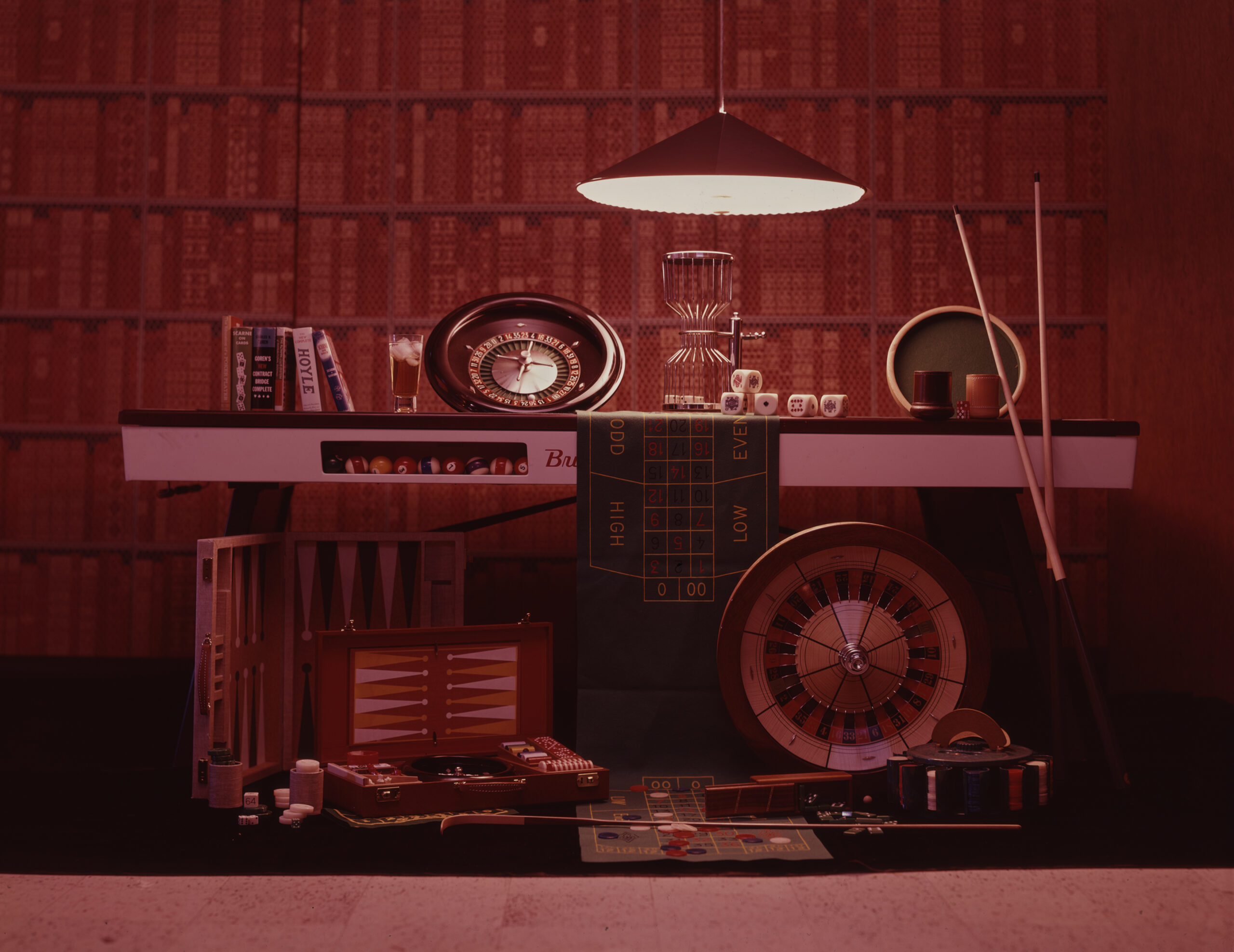
Playboy did its best to replicate the magic of the London casino at other locations in England in the early 1970s in Manchester, Portsmouth and another club in London. The Clermont gaming spot, which was located just down the street from the London club, became one of the most exclusive casinos, with higher betting limits—£100 compared with the £5 or £10 limits at other clubs—and VIP-level hospitality, including chauffeurs for the guests. The Playboy casinos were a window to the world’s elite. From Princess Anne dining and Saudi Arabian royals flirting and gambling to Diana Ross being turned away at the door (along with everyone else) because the club closed early one evening due to high winnings, John Lan, Clermont’s casino manager and general manager, saw it all.
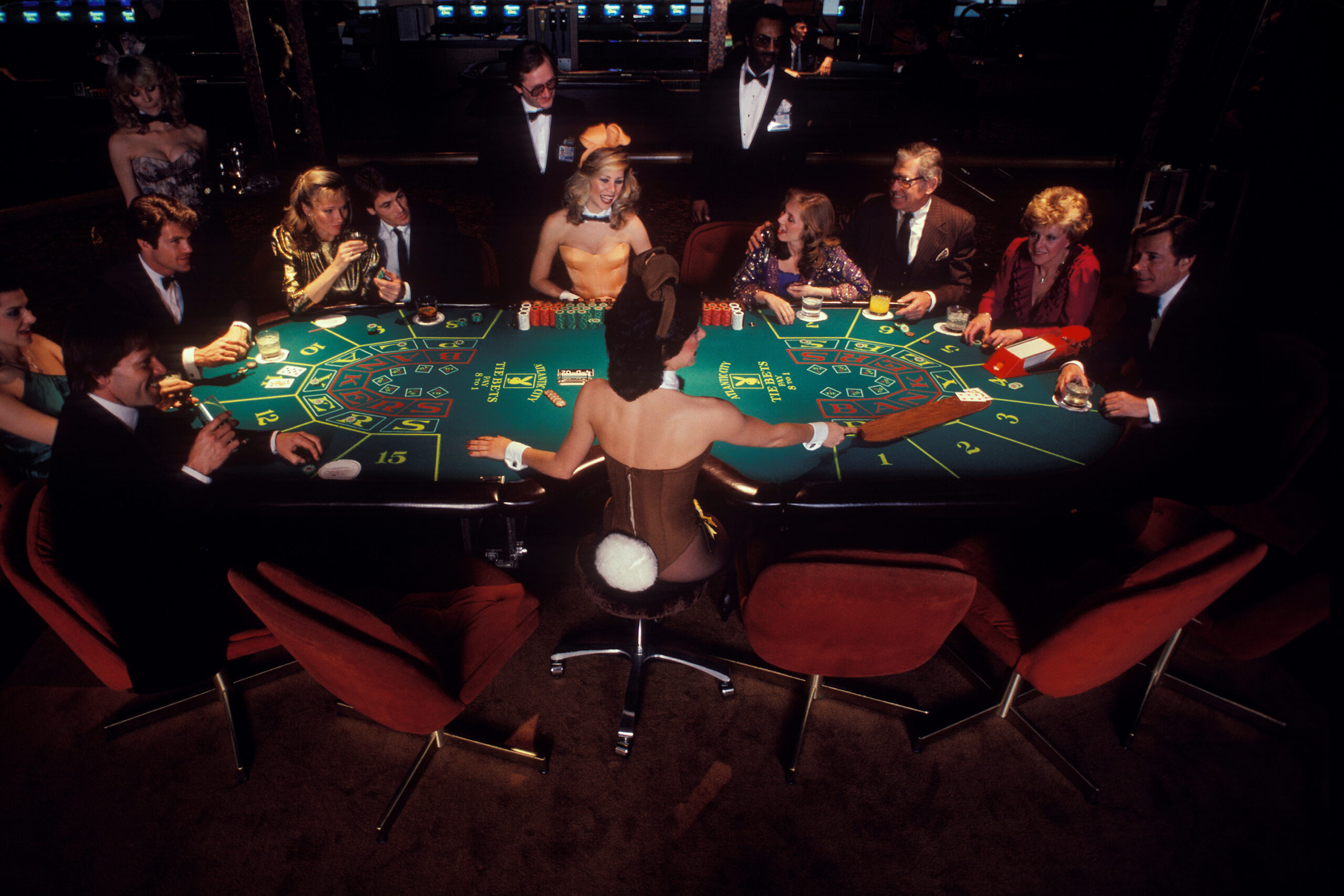
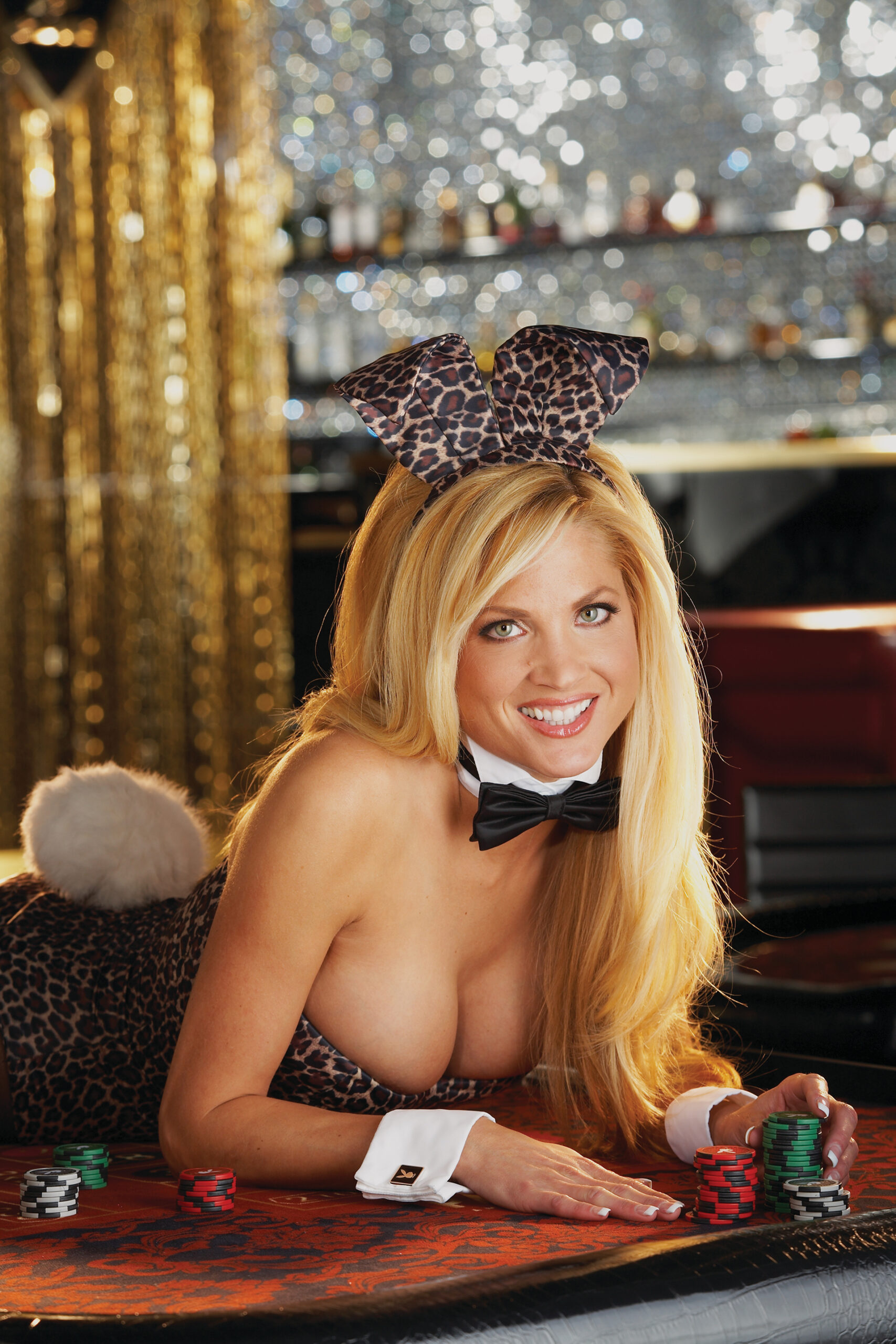
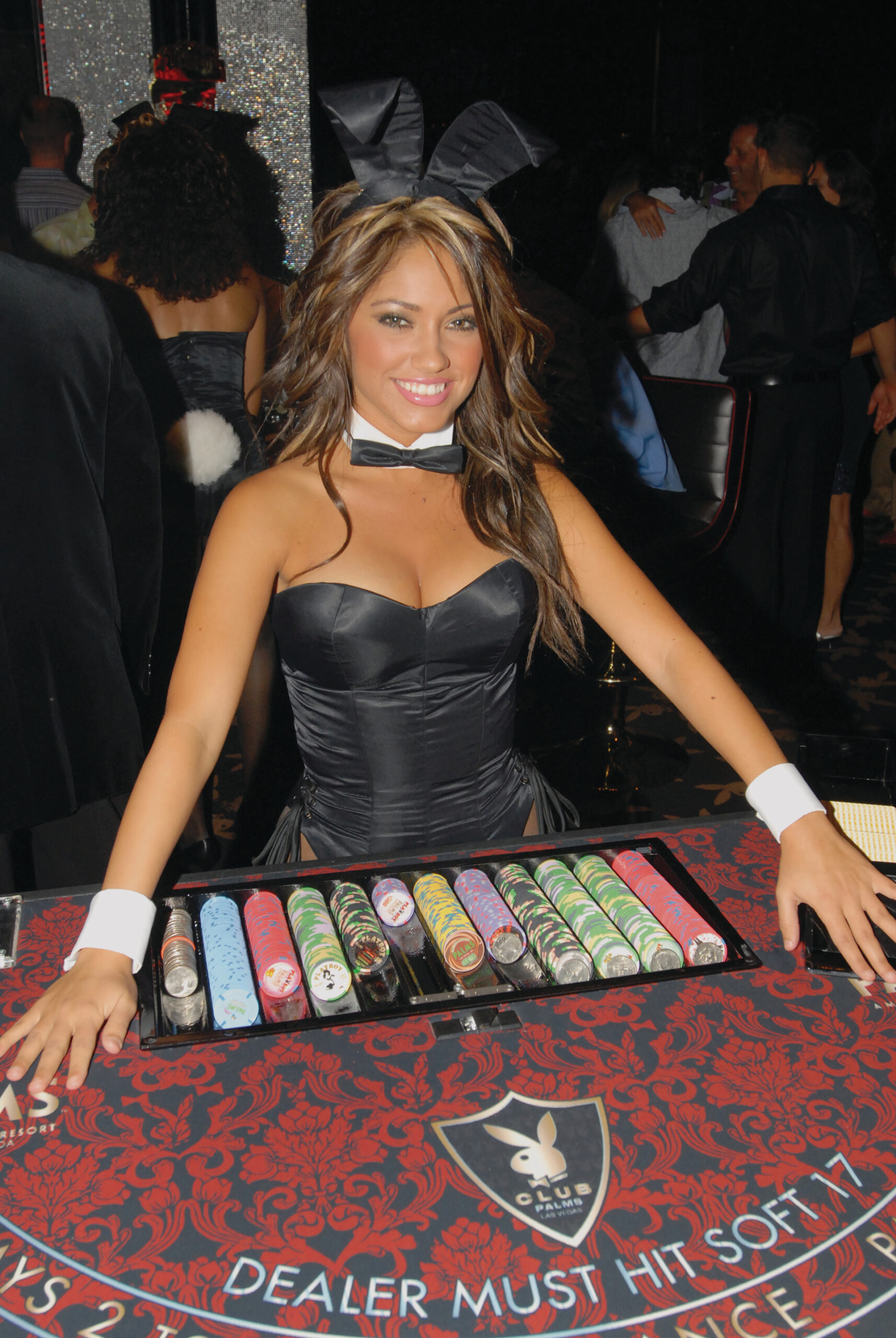
Across the years and miles, Playboy casinos could be found in Nassau (opened in 1978), Atlantic City (1981), on one floor of the Palms in Las Vegas (2006), Macau (2010) and in London again (2011), where a new club opened in honor of the original. (As Cole says of the first dazzling London spot, “It was the most successful casino in Europe, if not the world.”)
The lure of the tables is timeless. We think Mario Puzo, author of The Godfather, put it best in his 1976 PLAYBOY feature Standing Up for Las Vegas: “I think that the magic power of gambling lies in its essential freedom from endeavor and its absence of guilt. No matter what our character, no matter what our behavior, no matter if we are ugly, unkind, murderers, saints, guilty sinners, foolish or wise, we can get lucky.”
To that, we say, Play on!