Your bag is empty.
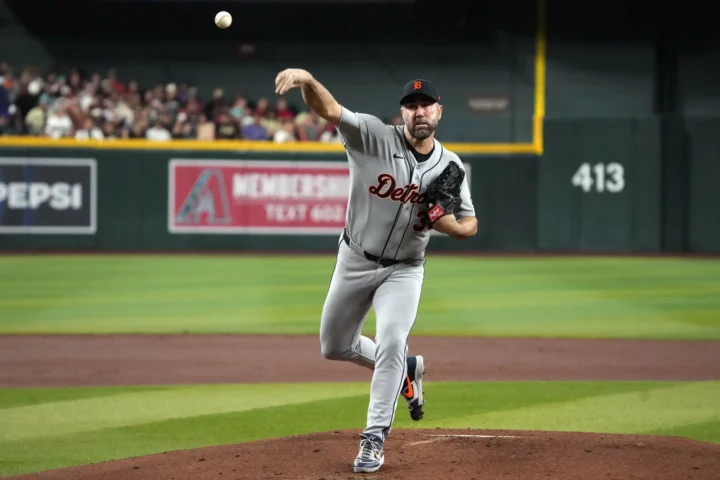
Since sports betting became legalized in the United States, there have been many proactive measures taken to curb the threat of point shaving in games – especially at the collegiate level.
In a stunning blow to that desired integrity, federal authorities unsealed an indictment on Thursday, charging 26 people in an elaborate point-shaving scheme targeting NCAA Division I men’s basketball. The plot allegedly began in 2022 with games in the Chinese Basketball Association before expanding to U.S. college hoops.
At the heart of the scandal are 20 current or former college players from 17 different teams, accused of accepting bribes ranging from $10,000 to $30,000 per game.
Prosecutors claim the scheme was orchestrated by a network of “fixers” with deep ties to basketball recruiting and training circles, who used their connections to approach financially strapped athletes.
U.S. Attorney David Metcalf described the operation as “very successful,” noting that while not every fix guaranteed a win for the bettors, the overall enterprise netted millions through wagers placed on rigged outcomes.
The scandal’s exposure has sent shockwaves through the NCAA, prompting immediate suspensions and investigations for players still on current rosters. In fact, four of them – Simeon Cottle (Kennesaw State), Carlos Hart (Eastern Michigan), Camian Shell (Delaware State), and Oumar Koureissi (Texas Southern) – played for their current teams in the last week.
The operation was deceptively simple yet meticulously planned. Fixers, including Shane Hennen and Marves Fairley, who faced prior charges in NBA gambling scandals, recruited players through trusted intermediaries like trainers and recruiters.
Players were targeted based on perceived financial needs, with bribes often exceeding what they might earn through NIL deals. Once recruited, athletes were instructed to subtly underperform by intentionally missing shots, committing turnovers, or ensuring the final score stayed under a betting line, without making it obvious to coaches or fans.
Text exchanges captured in the indictment showed coordination, such as Bradley Ezewiro of Saint Louis texting about DePaul’s Da’Sean Nelson: “he ready to tap in.” Bettors then placed large wagers, like $27,000 on a DePaul-Georgetown game or $195,000 on a Fordham-Duquesne matchup. The scheme started small in China’s CBA, where former NBA player Antonio Blakeney allegedly manipulated games, before scaling to college ball in the 2023-24 season.
Hennen even texted, “Nothing guaranteed in this world but death, taxes and Chinese basketball,” noting how confident the whole scheme was in working to perfection.
The indictment names 39 players from 17 NCAA teams, though only 20 were charged alongside six fixers. Prominent athletes include Cottle and Demond Robinson at Kennesaw State, who allegedly received $40,000 for fixing a March 1, 2024, game against Queens University.
DePaul University had multiple players implicated, like Jalen Terry, Micawber Etienne, and unnamed player agreeing to underperform in games against Georgetown, Butler, and St. John’s. In DePaul’s February 24, 2024, loss to St. John’s, bettors wagered $52,000, profiting from the underperformance.
Other charged players hail from Eastern Michigan (Hart, Camian Shell, Oumar Koureissi), Saint Louis (Ezewiro), and former Fordham player Elijah Gray, who was dismissed from Wisconsin in October 2024 amid investigations.
Fixers like Jalen Smith coordinated payments, once sending a photo of $100,000 in cash. The scheme’s reach extended to 12 additional unnamed teams, showing how wide this network was.
This scandal arrives during a boom in sports betting, with Metcalf linking it to “the monetization of college athletics… through the liberalization and proliferation of sports betting markets.”
The NCAA, under President Charlie Baker, has investigated about 40 players from 20 schools over the past year, urging student-athletes to “make well-informed choices” and calling for bans on prop bets to protect players.
Potential sentences are severe: up to five years for bribery, as well as 20 years for wire fraud.
It echoes past scandals like the 1951 CCNY case, but it does appear in the forefront of a modern context with NIL deals and apps like DraftKings and FanDuel being around. The fallout could lead to stricter monitoring, as the NCAA already probes 22,000 contests annually, and get ramped-up reforms to safeguard integrity.
Ultimately, this case serves as a wake-up call, reminding stakeholders that while betting generates revenue, it risks eroding trust in college sports. As trials proceed, the sport must balance innovation with vigilance to prevent future corruption.