Your bag is empty.
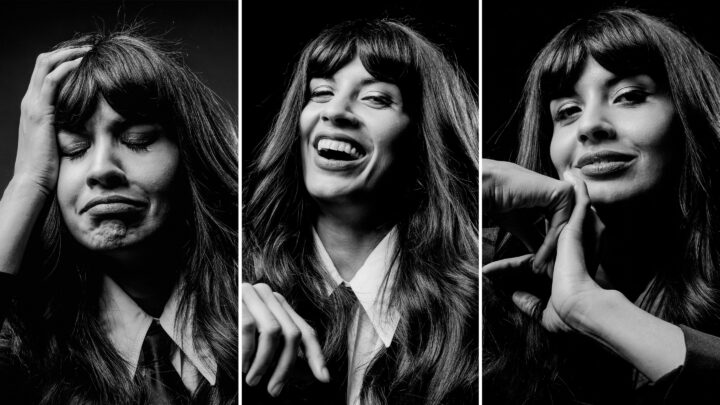
Representation is a positive step, but this *POSE* star wants inclusion to continue even when the TV sets are off

“I’ve always known that I was a girl. I don’t see myself as a trans woman, but see myself as a woman who happens to have trans experiences. That is only based on society’s perception of me,” Hailie Sahar tells me.
The actress, who oozes sex appeal and seemingly effortless confidence, has never shied away from sharing her trans experiences both in her personal life and on screen by portraying a transgender woman on Freeform’s Good Trouble and Ryan Murphy’s hit FX series Pose, but Sahar still longs for society to bridge the gap between transgender women and cisgender women.
While mainstream media’s attempt at finally showcasing the transgender experience to the masses can prove that we’re beginning to move in an intentionally inclusive direction (which is a beautiful sight to see), there’s still no denying that much work needs to be done once the TVs are turned off, especially when it comes to ensuring the safety and protection of trans women.
“Many of the experiences that people of trans experience face are identical to cisgender women when it comes to things such as predators, rape and misogyny,” Sahar explains. “I pray that one day the world will see us as one and finally understand the love and support we truly need and deserve.”
A lot of my experience and growth has been spent in isolation, not by choice, but because society for many years didn’t include women like myself in spaces.
According to the Human Rights Campaign’s 2019 annual report, at least 22 transgender and gender non-conforming people have been killed in the U.S. since the beginning of the year. All but one were black.
The report goes on to state that there have been more than 150 transgender and gender non-conforming people who were victims of fatal violence since January 2013, with at least 127 of those victims being people of color. These numbers are likely underreported.
“Transgender women of color are living in crisis, especially black transgender women,” said HRC President Alphonso David. “While the details of the cases documented in this report differ, the toxic intersection of racism, sexism, transphobia and easy access to guns conspire to deny so many members of the transgender and gender non-conforming community access to housing, employment and other necessities to survive and thrive. Every one of these lives cut tragically short reinforces the urgent need for action on all fronts to end this epidemic—from lawmakers and law enforcement, to the media and our communities.”
There was one movement, however, that did provide some form of solace for Sahar, who has navigated through her own sexual harassment and violent threats.
“With the #MeToo movement, I feel a sense of sisterhood I’ve never felt before. It makes me feel empowered to stand with dignity and self-respect. Many people of trans experience are afraid to speak up, because the majority of those around us are privileged. We also have to consider our safety. I admire and applaud anyone who has spoken up and stood in their truth, setting a new accountable tone for the industry.”
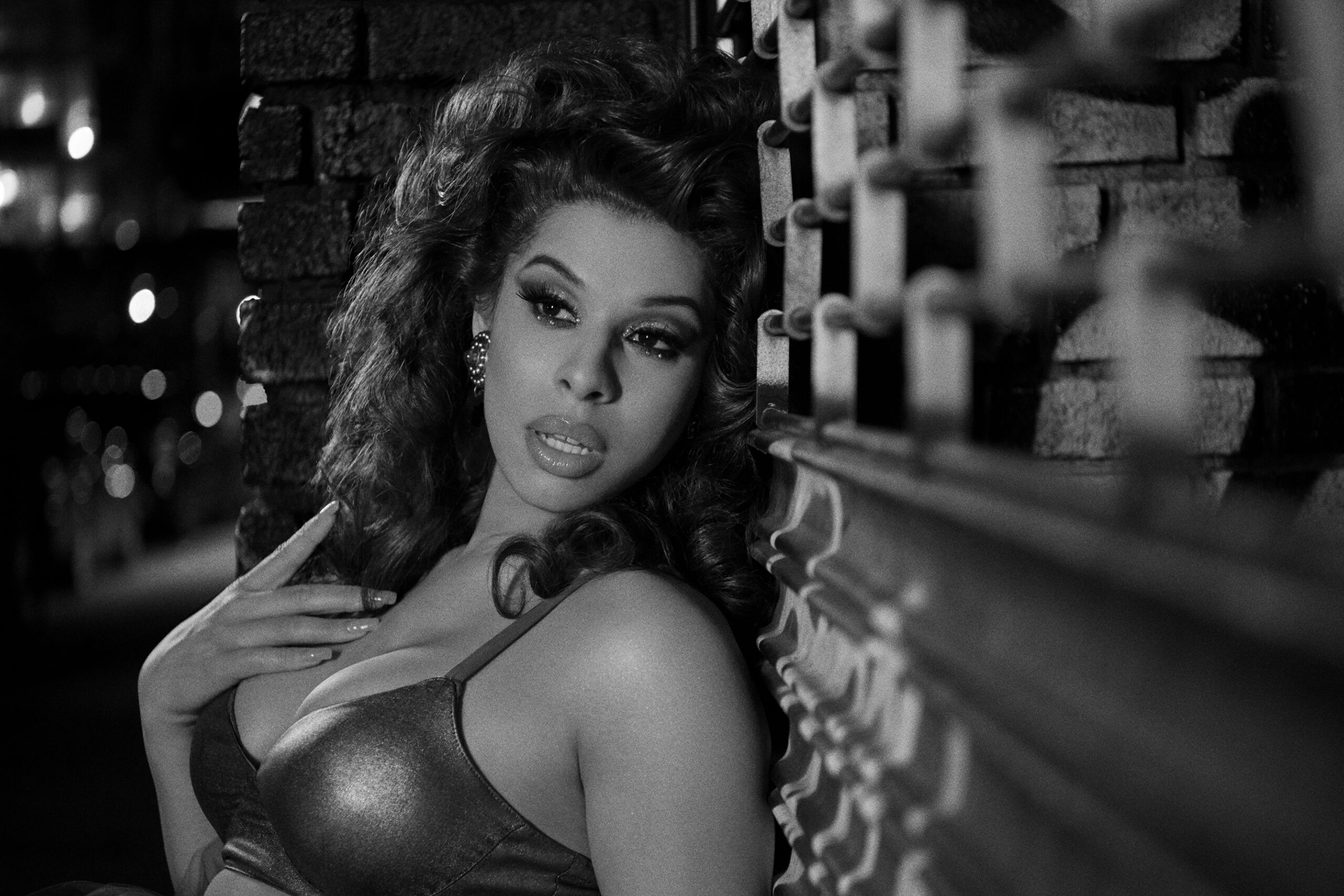
Of course, Sahar’s decision to live out her true identity didn’t come without hardship and sacrifice. Growing up in a religious household with a father who was a preacher in a Baptist church provided its own unique set of hurdles on top of the fear of how she would be perceived by society.
“I remember earlier on, there was a slight bit of hesitation for me to medically transition, because I understood that my level of understanding myself was far more advanced than the majority of the world around me. I remember having reservations, because I didn’t know if I’d be protected or even given the chance to be understood by the world.”
Regardless, Sahar’s decision to fully transition provided her with a priceless gift: self-love.
“As I’ve looked back over my life thus far, I have to give myself credit as a major resource of support. I’m proud of taking the initiative to follow my heart in the life of being a woman of trans experience. A lot of my experience and growth has been spent in isolation, not by choice, but because society for many years didn’t include women like myself in spaces. However, during this time I spent a lot of time reflecting on self-love and personal development. I’m also a very spiritual person and I believe in God’s grace and love. I credit my spiritual beliefs to the overall source of my strength.”
Our generation today wants authentic stories and trans people have some of the most unique stories and history on this planet.
While the LGBTQ+ community tends to steer away from religion altogether because of trauma from the church, Sahar has always been very vocal about her close relationship with God and spirituality, and explains it has been monumental in salvaging her faith.
“God is love. Love is kind. Love is pure. Love does not judge. Love does not envy. Love embraces. Love is God. Let that be your source of understanding your spirituality,” she shares. “Don’t let people around you define your understanding of God. They are just people. Build your own personal relationship with God based on what love truly means.”
Artistry has also proven to be another saving grace for the brunette beauty, who, in addition to acting, has written and directed plays from a young age.
“During my moments of defeat, my source to keep going is the art I love to create. I love to spin something painful into something beautiful, so being able to tell stories that uplift others keeps me strong. I have a mission on this planet and that is to bring love to others in many forms, but mostly through my art.”
Society has a fixation on the trans experience, therefore society propels this idea of labels, which ultimately continues the ignorance surrounding the subject at hand.
Shows like Pose, a project she “equates to a form of civil rights” because of its cast and authentic depiction of the LGBTQ+ experience, can feel like a huge win, but Sahar hopes that this is just the beginning of Hollywood’s acceptance in portraying the stories of trans people.
“It’s time for Hollywood to open its creativity and expand its understanding of the universe around us,” she explains. “Our generation today wants authentic stories and trans people have some of the most unique stories and history on this planet. Trans people are some of the most brilliant individuals I’ve ever come across. The strength, dignity and wisdom alone that people of trans experience have is unmatched.”
So how do we begin to bridge the gap between trans women and cis women in a way that doesn’t dismiss the trans experience? According to Sahar, the answer is simple.
“Respect people for who they are and stop labeling everyone and forcing them to fit into a box,” she states.
“I’m just a woman who happens to have some trans experiences, just like I am also a woman who happens to be multiracial. Society has a fixation on the trans experience, therefore society propels this idea of labels, which ultimately continues the ignorance surrounding the subject at hand, resulting in inequality and a lack of respect for people of trans experience’s rights on this planet.”
For those who are facing disapproval for their trans experiences, Sahar offers this piece of advice: “Remember this is your life and only you are in control of your destiny. Live out loud, love yourself authentically, and embrace your differences. Be unapologetic with the decisions you make as long as they’re based in love.”
At the end of the day, Sahar’s ultimate desire in this lifetime is pretty straightforward. In fact, it’s almost universal.
“I don’t want much,” she says. “I simply want to be happy, to laugh, and not always feel like I’m fighting the world to understand me. I just want to smile. I want to have babies, and I want to be married with my beautiful husband. I want to cook food, and I just want to laugh with my family. That’s all I want. I just want peace of mind and love.”