Your bag is empty.
Indya Moore, MJ Rodriguez and more of the FX series' key figures tell PLAYBOY about supporting their community
According to the Human Rights Campaign, 2017 was the deadliest year on record for transgender people in the United States. At least 29 individuals were murdered nationwide—and 24 were trans women of color. In both 2018 and 2019 at least 26 murders were reported.
Monica Roberts, award-winning blogger, trans rights advocate and founding editor of TransGriot, has been tracking the murders of transgender people as far back as the early 2000s. “The top factors that lead to our murders are intimate partner violence, anti-trans hate being stirred up by trans-exclusionary radical feminists [TERFs], Trump’s administration, the Republican party and evangelicals,” says the Houston native, speaking with PLAYBOY over the phone.
“When they start spewing anti-trans hate; it doesn’t just disappear into the atmosphere—somebody’s going to act on it,” Roberts explains. “Unfortunately, we had a lot of people act on it this past year.” As reports of black trans women being murdered continued trending on social media, allies to the trans community began asking what they could do in the face of the tragedies.
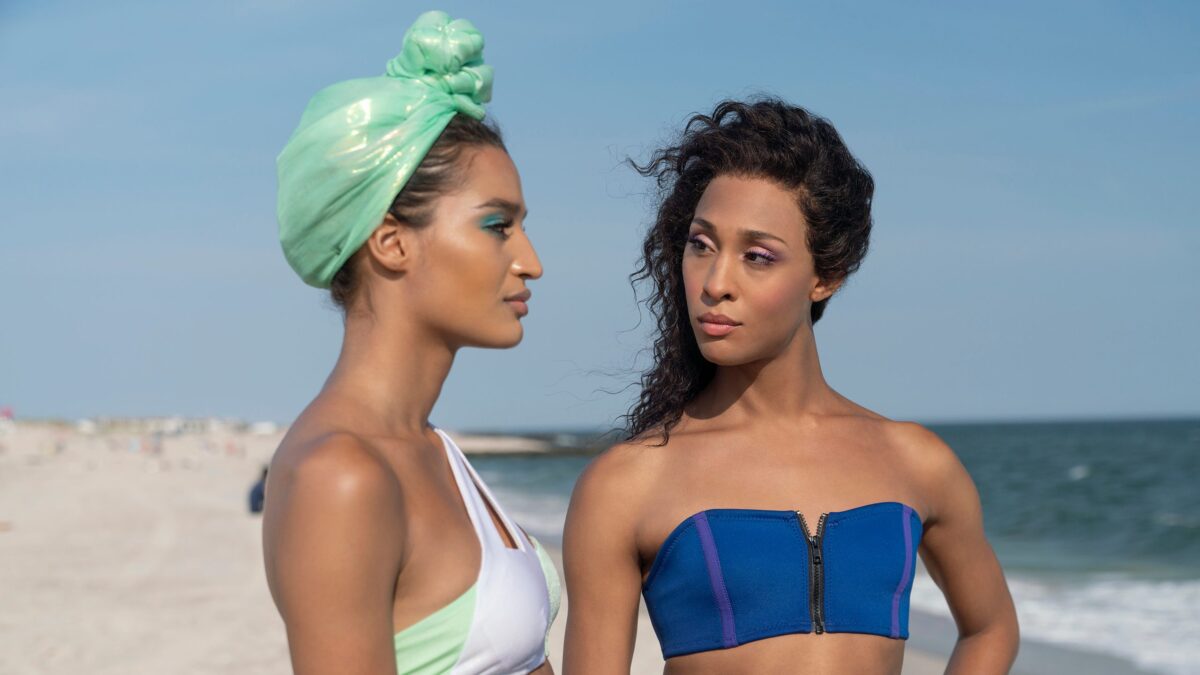
For fans of FX’s series Pose, the murders felt much more personal. America has fallen in love with the five black trans femmes—who not only made history as part of the cast with the most trans regulars on a TV series, but also humanized black trans women in a way unprecedented in American pop culture.
Defend us when you hear someone calling us out of our names, recommend our work to those looking to engage and deepen their understanding, and advocate for us from the streets to the boardroom.
Pose creator Steven Canals believes that he and others in the entertainment industry must make it their mission to be better allies for black trans women. “As a cisgender male, it was important to utilize the privileges afforded to me by my identities and use them for good,” he tells PLAYBOY. “My desire was to show the world what true allyship looks like.”
According to Canals, Pose was borne out of a need for black trans women to be seen and centered. He describes Pose as a much-needed thank you to the trans women who were at the forefront of shaping the ballroom community; he sees it as a history lesson for the show’s audience, along with a way to acknowledge these women who are often disenfranchised and overlooked. While the show takes place against the backdrop of NYC’s AIDS epidemic of the 1980s, the show’s characters face challenges that are still prevalent today.
“I can’t complain about the state of the industry and the lack of opportunities for the trans community—all LGBTQ people, in fact—if I’m not actively working to dismantle the system that has created the problem in the first place,” the Pose executive producer adds. “TV has the ability to influence public perceptions and impact one’s self-esteem, so it’s all the more important to have accurate portrayals of LGBTQ lives.”
PLAYBOY also caught up with Pose writer, director and producer Janet Mock, along with stars Indya Moore, MJ Rodriguez, Dominique Jackson, Angelica Ross and Hailie Sahar, to get their thoughts on how allies can show up for black trans women in 2020. We present their insights below, interspersed with statistics and links that, we hope, will broaden your understanding of the trans experience in America.
There needs to be summer camps that are open and understanding to us as black trans individuals.
It’s unfair that we must often become celebrities and public figures in order for our existence to be humanized.