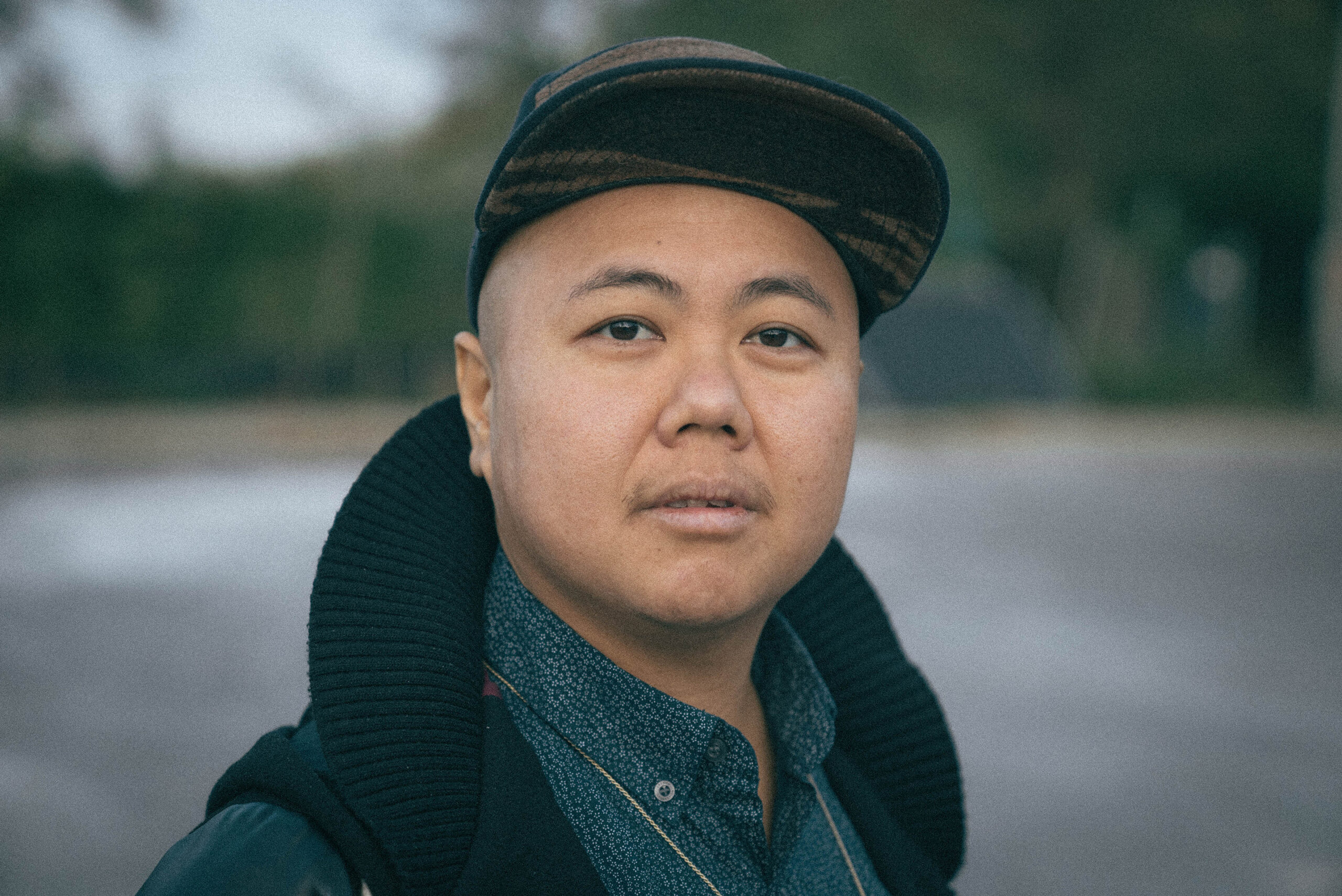
Five Emerging Transgender and Nonbinary Leaders to Watch
This year for Transgender Awareness Week we celebrate five people working to give voice to the underheard, justice to the underserved—and laughter to us all
This Friday marks the annual Trans Day of Remembrance, which since 1999 has memorialized members of the transgender community lost to violence and murder. Recent years have seen some LGBTQ leaders beginning to reorient the spirit of the day by referring to it as Trans Day of Resilience. Empowering and protecting transgender and gender nonconforming lives doesn’t just mean honoring the dead, but also celebrating the humanity of trans people through their accomplishments and victories. The concept of resilience doesn’t stop at survival; powerful and talented trans pioneers continue to rise to the top of their fields across industries, from arts and entertainment to politics and activism.
To celebrate trans resilience, Playboy is spotlighting five emerging voices that should be on your radar. Each of the nonbinary and transgender leaders profiled here is not just changing the game, but also blazing a path for younger generations to follow.
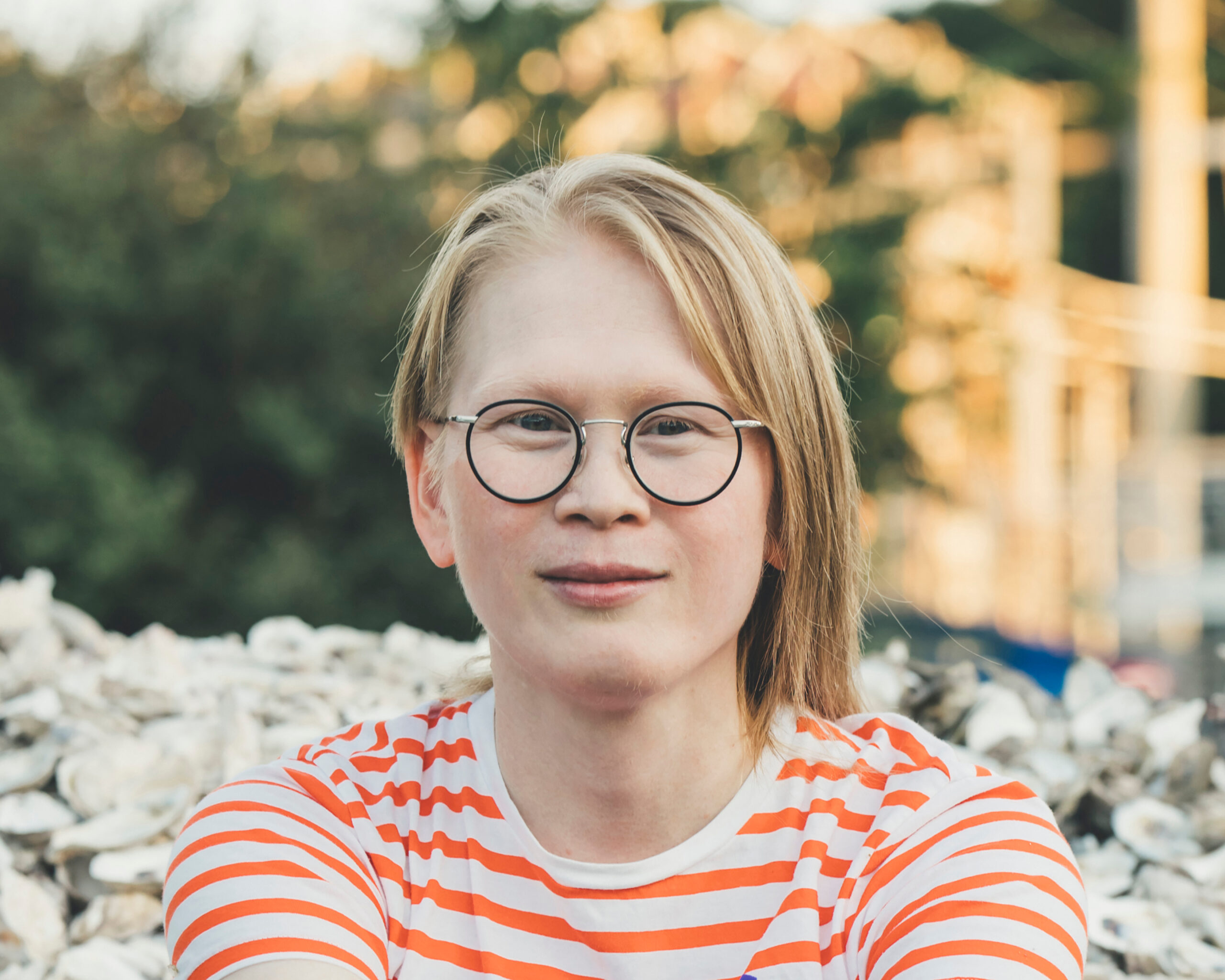
Meredith Talusan. (Photo by Albrica Tierra)
The Diplomat
Meredith Talusan, author Pronouns: they/she
Though they are best known as an award-winning journalist, Meredith Talusan has a master’s degree in fiction. Now living in the woodlands of a small town in upstate New York, Talusan is returning to that form and working on their first novel. Small-town life has been an interesting change of pace for Talusan, who previously worked in the Condé Nast building in Manhattan as executive editor at Them, the publishing giant’s LGBTQ digital magazine. Forest life might prompt culture shock for some city expats, but for Talusan, who grew up on a farm in the Philippines, it’s a respite. The biggest change, Talusan says, is getting used to conservative neighbors.
“In America, going to a rural area also means being in an area that’s a lot more white and a lot more conservative, and encountering people who are Trump supporters on a regular basis,” Talusan says. “Some people are like, ‘You’re fine,’ but they don’t like trans people in general. And there’s something important about that, about being around people who get to know you as a person, so hopefully you’re having an impact.”
Talusan’s first book, Fairest, came out in May. The well-reviewed memoir examines what it means to be “an outcast among outcasts” as a trans immigrant with albinism. It’s with that kind of intersectional lens that Talusan looks forward to the next year. “I am worried that we would feel complacent in a Democratic administration,” Talusan says. “It’s very important for us to continue to advocate and be activists for our concerns.”
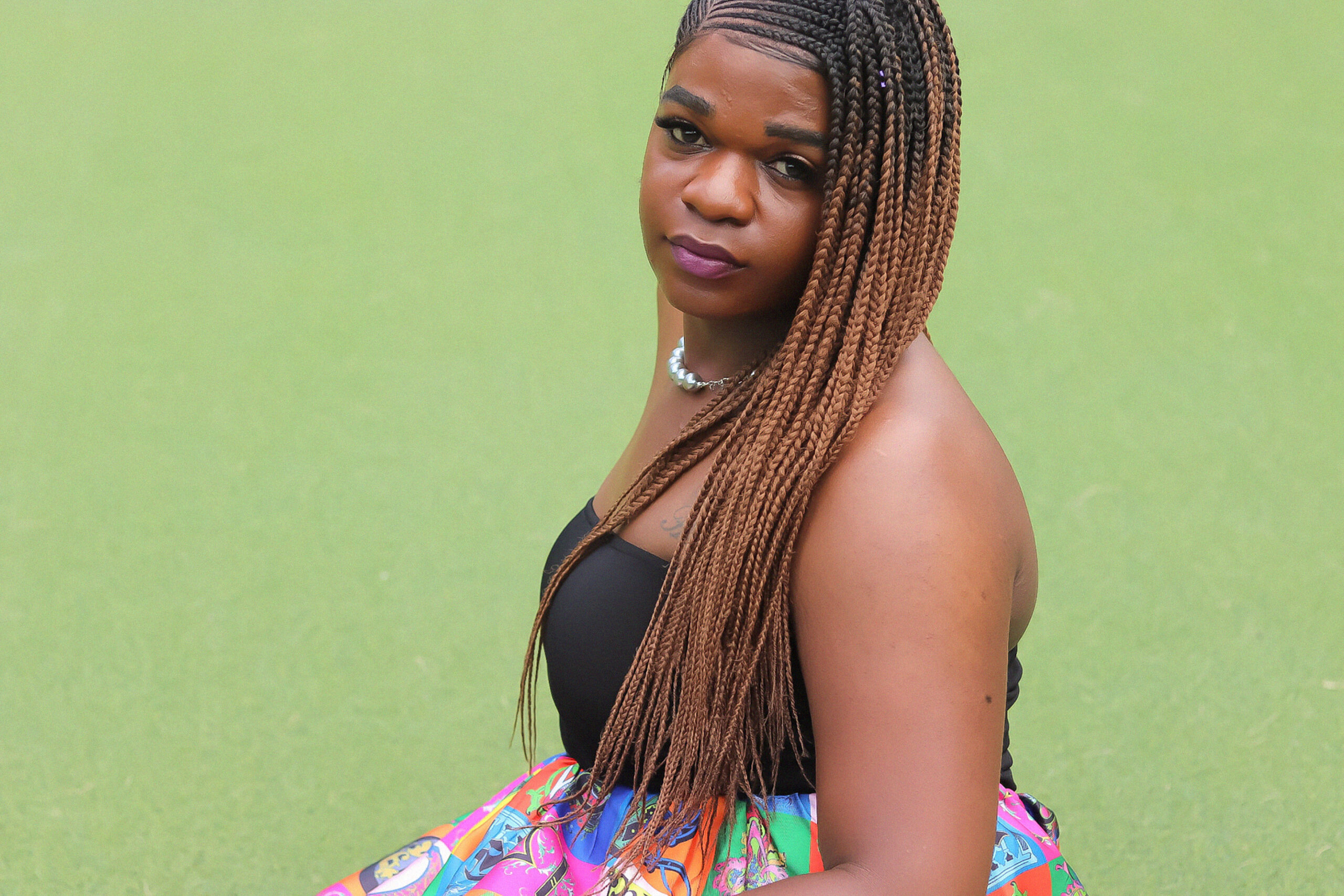
Kayla Gore. (Photo by TC Caldwell)
The Champion
Kayla Gore, community organizer Pronouns: she/her
Kayla Gore might be one of the busiest people in Tennessee. She’s the Southern regional organizer at the Transgender Law Center, the lead plaintiff in a lawsuit challenging the state’s policy against trans people changing the gender on their birth certificates, and the co-founder of My Sistah’s House, a Memphis nonprofit that coordinates shelter services for trans people in need.
For much of the past year, Gore has been fund-raising to build a tiny-house community and introduce homeownership to the mostly Black transgender women the organization serves. So far, My Sistah’s House has raised nearly two-thirds of its $450,000 goal. Gore says the pandemic hit the community especially hard. “They were out of work, the unemployment system was jammed and a lot of people got evicted before the moratorium,” she says. “We started to think, How can we avoid this happening again?”
Gore’s work is essential. Things many people take for granted, like safe housing and accurate birth certificates, can be life-saving for Black trans women. “There have been at least 34 murders of transgender people this year,” Gore says. “These are lives lost, and there’s nobody really doing anything about it.”
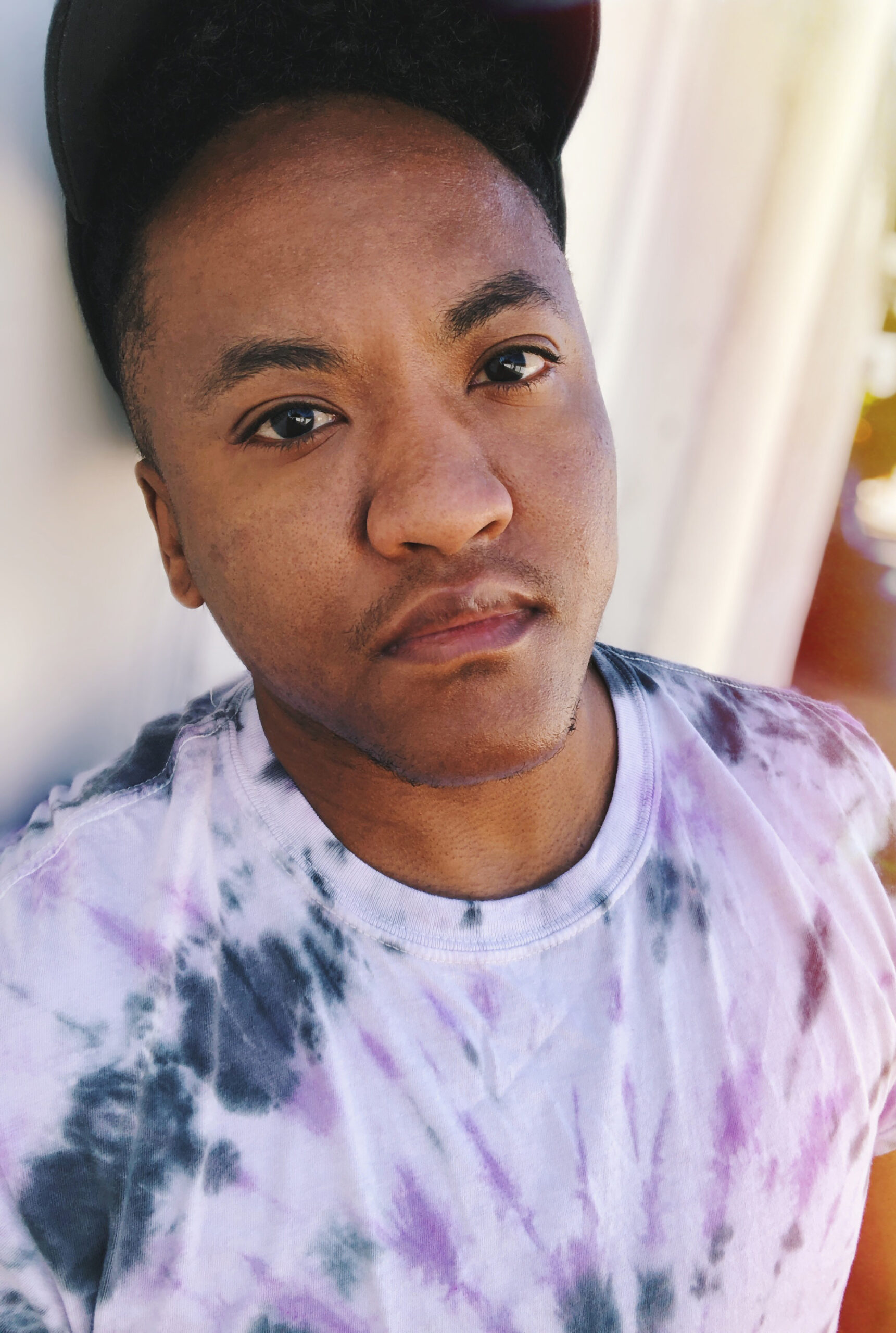
Kai Choyce. (Photo courtesy Kai Choyce)
The Trickster
Kai Choyce, comedian Pronouns: he/him
With the pandemic and resulting closure of live venues, it hasn’t exactly been the easiest year for stand-up comedians. Kai Choyce may be the exception. The rising funnyman carved out some major 2020 highlights, thanks to some really good Covid jokes. Dwayne “The Rock” Johnson shared one of them with his 15 million Twitter followers, and the rest went into Choyce’s upcoming online quarantine special, Coronation.
What’s the funniest thing to come out of the pandemic so far? “Definitely the week when a bunch of monkeys escaped a lab with samples of Covid, and it was somehow just a blip in the news cycle for 24 hours,” he says. Choyce is preparing for another year of nightmares like “Covid-20” and “stronger, faster murder hornets.”
The pandemic has been hard on everyone, but pain is what feeds good comedy. “I have no shortage of worries,” Choyce says. “It’s what keeps me motivated to get shit done.”
Although comedy has traditionally been an old (white, cisgender) boy’s club, trans visibility in general has been growing—making it easier to “just create your own lane,” Choyce says. He’s been doing just that, in part through his popular weekly podcast, *Women Who Kill,* where guests discuss a different “murderer who happens to be a lady” each episode. And, of course, in part by being hella funny on the internet.
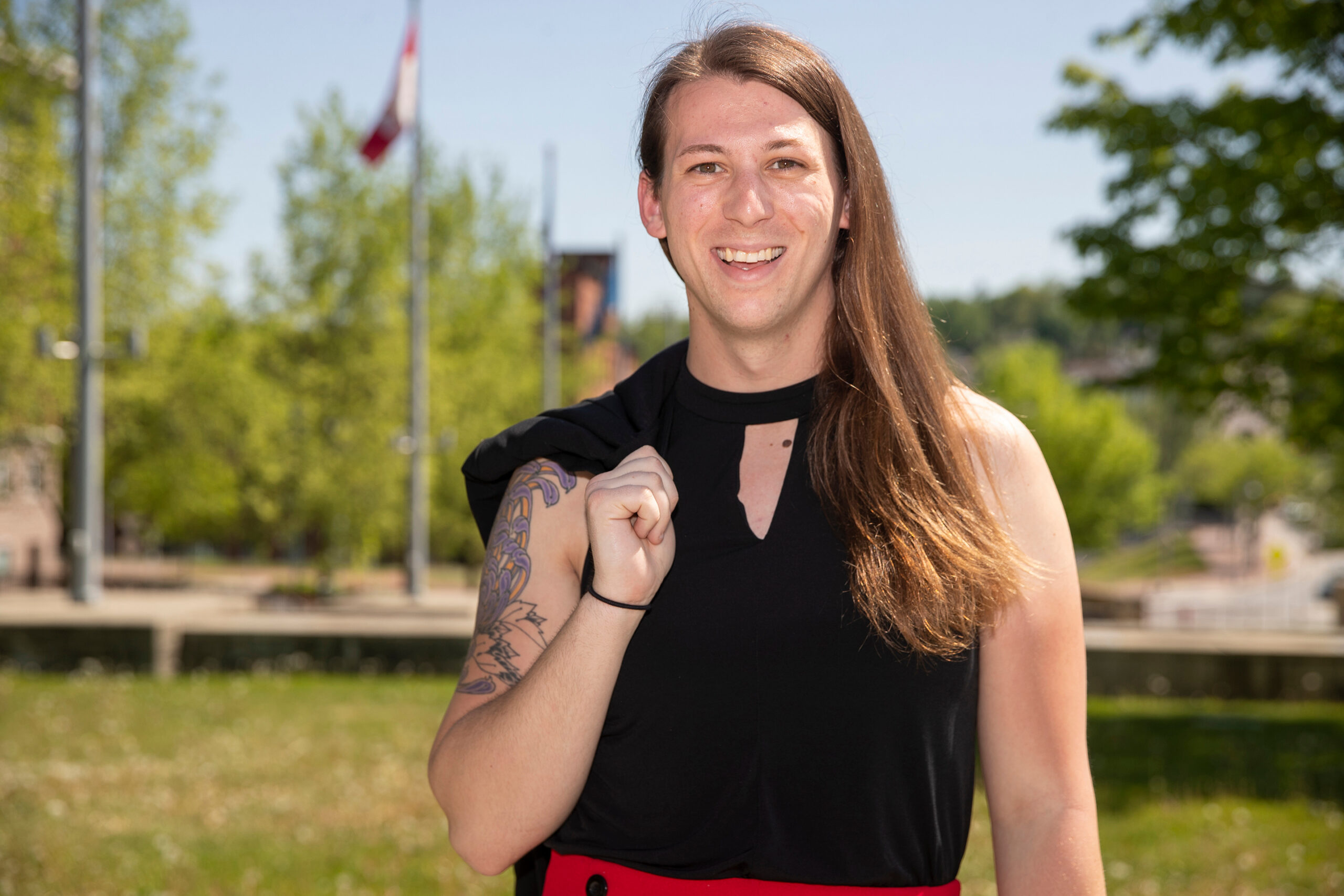
Taylor Small. (Photo by James Buck)
The Upstart
Taylor Small, Vermont state legislator Pronouns: she/her
Four years ago, Taylor Small had just graduated from college. By day, she was running the health and wellness program at the Pride Center of Vermont; by night, she performed as local drag sensation Nikki Champagne. She’d considered a career in politics, but imagined it would come later in life. Fast forward to November 3, when Small became not only the first transgender person elected to Vermont’s state legislature, but also one of the youngest state legislators in the nation, at just 26 years old.
“What is most exhilarating is the impact I’m hearing from young people, including young trans and gender nonconforming youth,” Small says. “[They] are saying, ‘Not only do I see a future for myself after years of discrimination, but I also see a path forward for myself into elected office.’”
Being a first-time candidate campaigning during a global pandemic was “like building a plane while flying it,” Small says. Now that she’s won a literal seat at the table, Small is focused on ensuring health care access for all—especially in light of the Supreme Court’s current review of the Affordable Care Act.
“We have seen our communities here in Vermont losing their jobs and their access to health insurance,” Small says. “Health care is a human right and should not just be a privilege.”
Kit Yan. (Photo by Jess X. Snow)
The Scribe
Kit Yan, playwright and poet Pronouns: they/he/she
This was supposed to be a big year for Kit Yan and their writing partner, Melissa Li. The two playwrights had debuted their musical, Interstate, on March 6 to rave reviews and sold-out houses. But after only about eight performances, the theater world shut down completely thanks to coronavirus. “Our next production was supposed to be in L.A.,” hoping for a commercial path toward Broadway, Yan says. Instead, Yan’s career—largely dependent upon live performance venues and travel—came to a sudden halt.
But the unexpected break has allowed Yan to focus on their own humanity outside the nonstop work that theater demands. “I might get a hysterectomy—a gender-confirming surgery—during the interim, and it wasn’t something I would have been able to do if we’d still gone full-speed ahead,” Yan says.
They’ve also been reconnecting with the roots of their commitment to trans storytelling. All Yan’s plays and musicals feature transgender characters and actors.
“Putting trans stories and trans people on stage humanizes the trans experience in different ways than TV and film,” they say. “When you’re in a physical space watching a live performance, watching trans people speak, sitting among queer and trans people—it’s a singular experience.”
You May Also Like…
More From Playboy
Sports
Aaron Judge’s Bat Continues to Help Yankees Through Jazz Chisholm Jr. Where are the runs going to come from with Aaron Judge on the Injured List? This is a question that has plagued the Yankees at times throughout the years. Well, Jazz Chisholm Jr. has three home runs in eight contests. Two of those have come with Judge's bat.
Celebrities
20 Questions with Young Miko The Puerto Rican star talks "Late Checkout," personal growth, and getting back outside.