Your bag is empty.
Recognized the world over, the Bunny costume may be the most famous uniform ever created
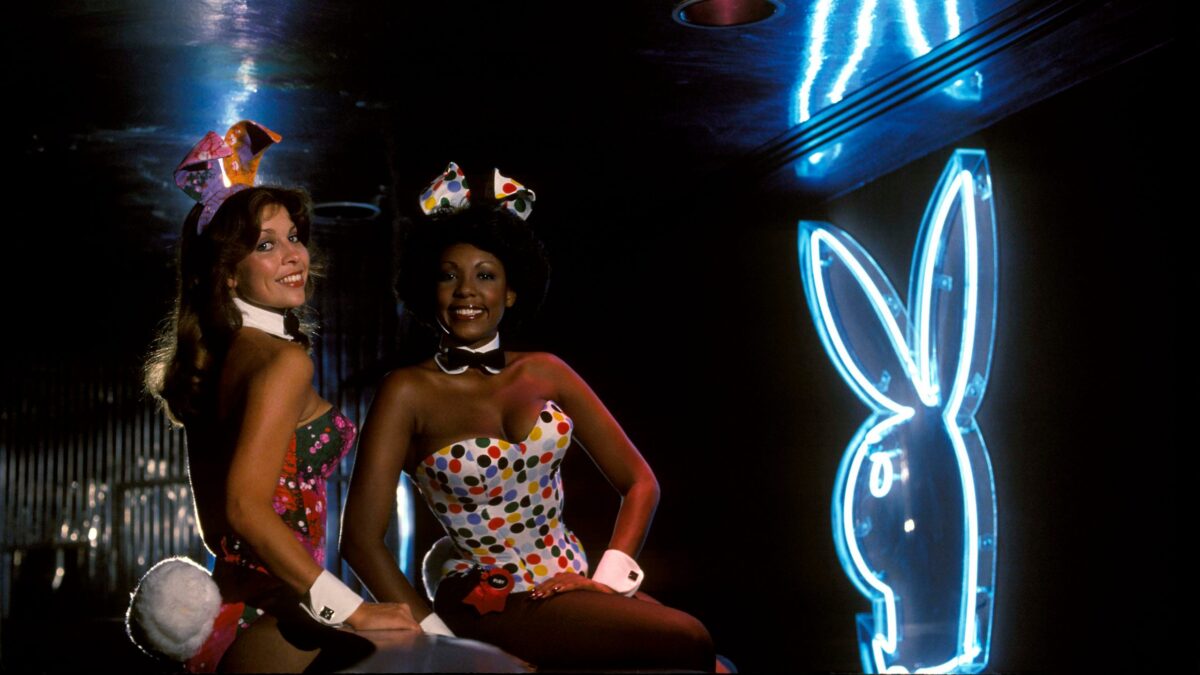
Like many aspects of Playboy history, the Bunny suit owes much of its success to women—and not just those who wear it.
Founder Hugh Hefner originally wanted silky negligees as the club uniform but was talked out of the impractical idea by Victor Lownes, the promotions manager who was instrumental in the development of the clubs. Instead Lownes brought Hef a better idea—one Lownes got from his girlfriend, actress Ilsa Taurins (whose name is spelled variously as Ilze and Ilse). As former Bunny Kathryn Leigh Scott reports in The Bunny Years, Taurins suggested the costume be rabbit-based, a play on the magazine’s emblem. Although Hefner had already considered and spurned the idea as too masculine, Taurins created a one-piece design with an attached tail and separate ears, according to Scott. Taurins’s seamstress mother then assembled the prototype, which Lownes showed to Hef. The costume wasn’t quite daring enough for Hefner’s vision, but with minor alterations it formed the basis for the world-famous outfit that debuted at the Chicago Playboy Club in 1960.
Quality of craftsmanship in addition to the risk-taking fashion surely also helped the costume’s legacy. According to New York University director of costume studies Nancy Deihl, the clubs commissioned talented women to custom-build the suits, including Zelda Wynn Valdes, who fabricated them for the New York club that opened in December 1962.
“The Bunny costume has withstood the test of time because of its simplicity,” says Kristi Beck, a Playboy senior manager and part of a group responsible for overseeing Bunny selection and training.
Small changes to the hare-raising getup have been made over the decades: the addition of the tuxedo collar and cuffs and a name-tag rosette, a tweak to the high-cut leg, a slight redesign of the ears, more accommodating cup sizes—but the Bunny remains as recognizable as ever.
By the time the suit turned 20, various versions were in use alongside the solid-color satin classic: suits with psychedelic patterns inspired by Emilio Pucci, a VIP suit in velvet, a lacy (and short-lived) cabaret version and a fur-trimmed green or red Christmas look. And not all Bunnies wore the famous suit; season, location and responsibility also dictated their attire, with non-corset-based outfits for Ski Bunnies, Croupier Bunnies, Beach Bunnies and others.
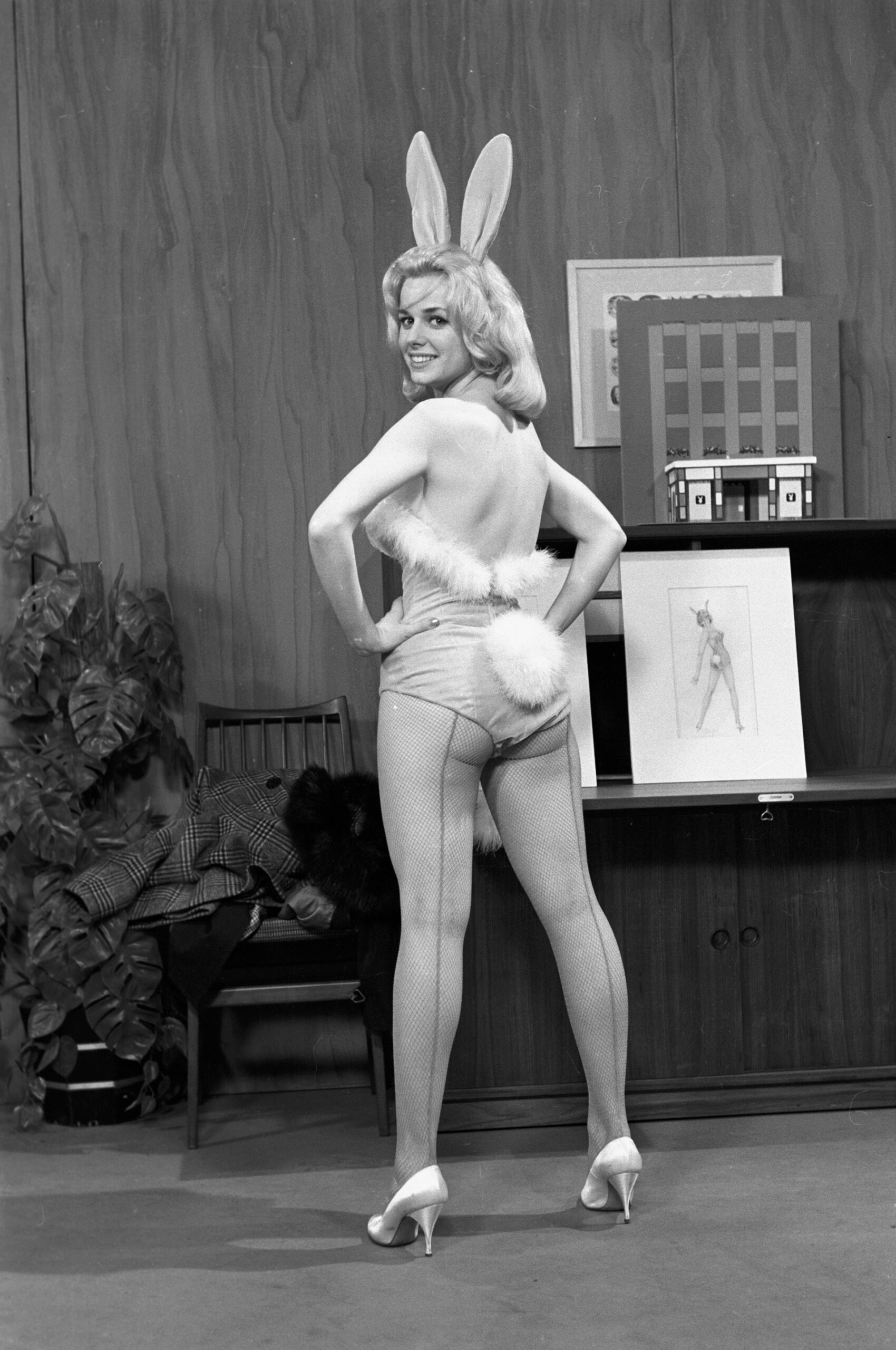
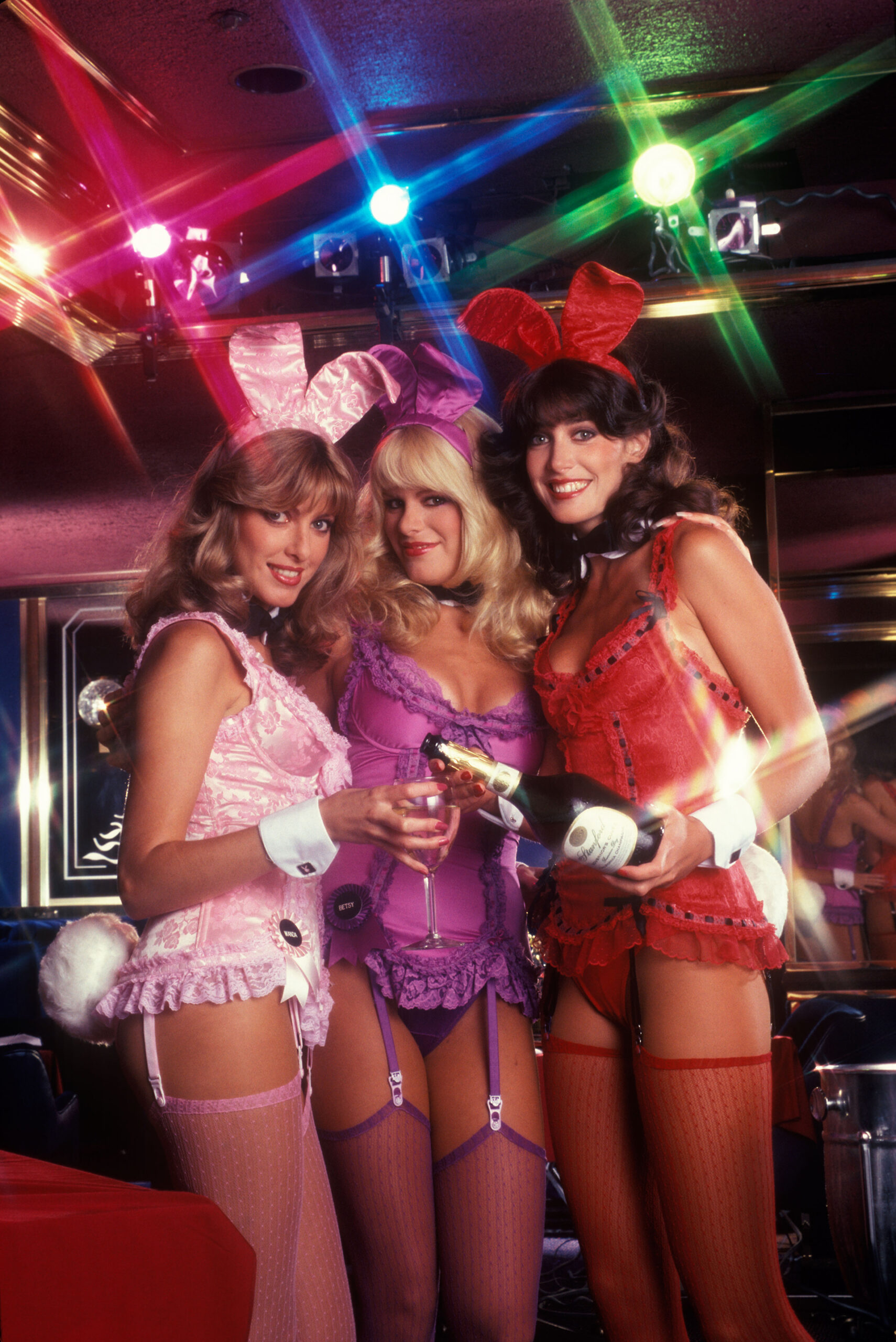
Today Playboy Club servers wear suits that were updated in 2005 with accessories by designer Roberto Cavalli. In 2018 Bunnies at the Coachella music fest wore a new green-leaf-patterned suit, but the original 1960 silhouette remains intact.
Since its appearance six decades ago, the Bunny suit has woven its way into the fabric of American culture, donned by everyone from Dolly Parton to Flip Wilson to Kate Moss. It was the first service uniform ever registered with the U.S. Patent and Trademark Office, and a complete Bunny costume can be found in the collection of the Smithsonian. Like other cultural mainstays, how it’s seen often depends on who’s looking at it, including the Bunnies themselves.
“Bunnies like wearing it for different reasons,” says Beck, who sometimes fits new Bunnies into their suits. “Some see it as playful and nostalgic; others see it as badass empowerment. We don’t need to define it for them.”
Reporting by Tori Lynn Adams and Michele Sleighel.