Your bag is empty.
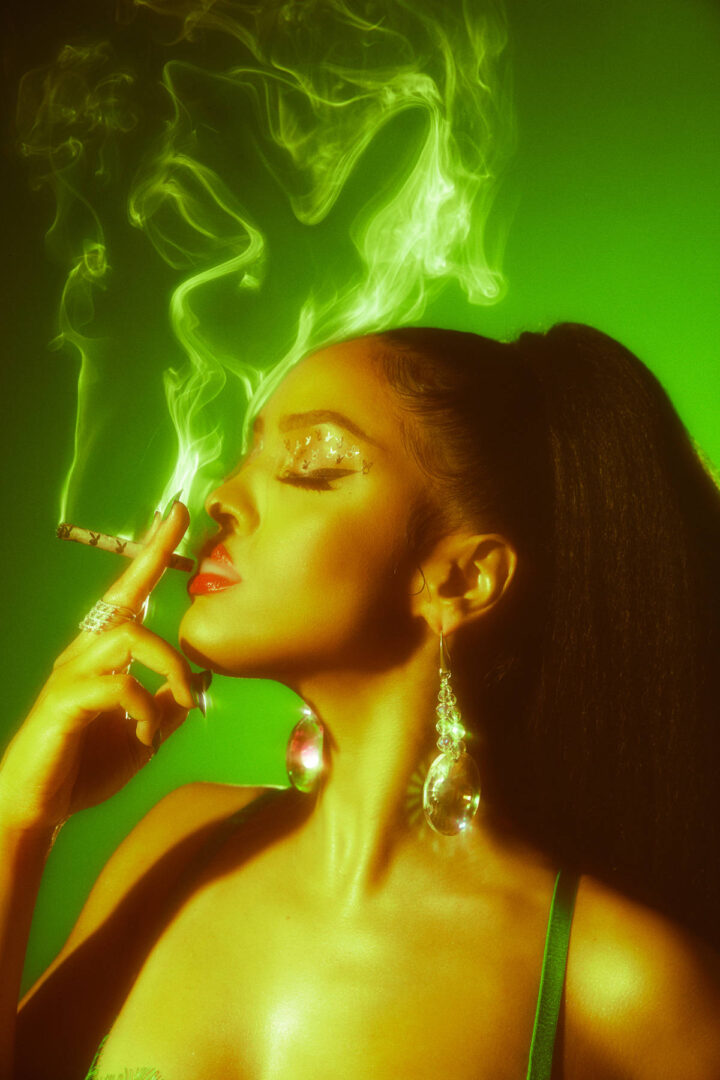
The ever-growing legalization of cannabis is blazing a new trend in the style industry
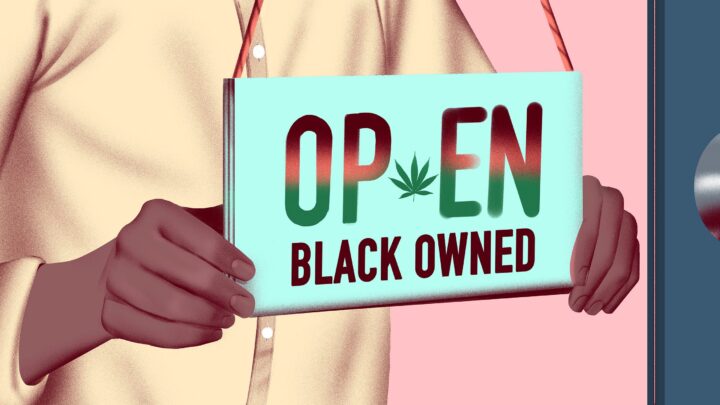
Not long ago, cannabis fashion was limited to pot-leaf-emblazoned hoodies and “Bud”-adorned belt buckles. During the age of prohibition, when virtually all aspects of the cannabis industry operated in the shadows, luxury weed goods took a back seat to activism, science and policy change. Slowly, as one state after another legalized the herb for medical and adult use—currently, pot is legal in some capacity in 33 states—the stigma around consumption decreased and cannabis emerged as both a lifestyle and a lifestyle product.
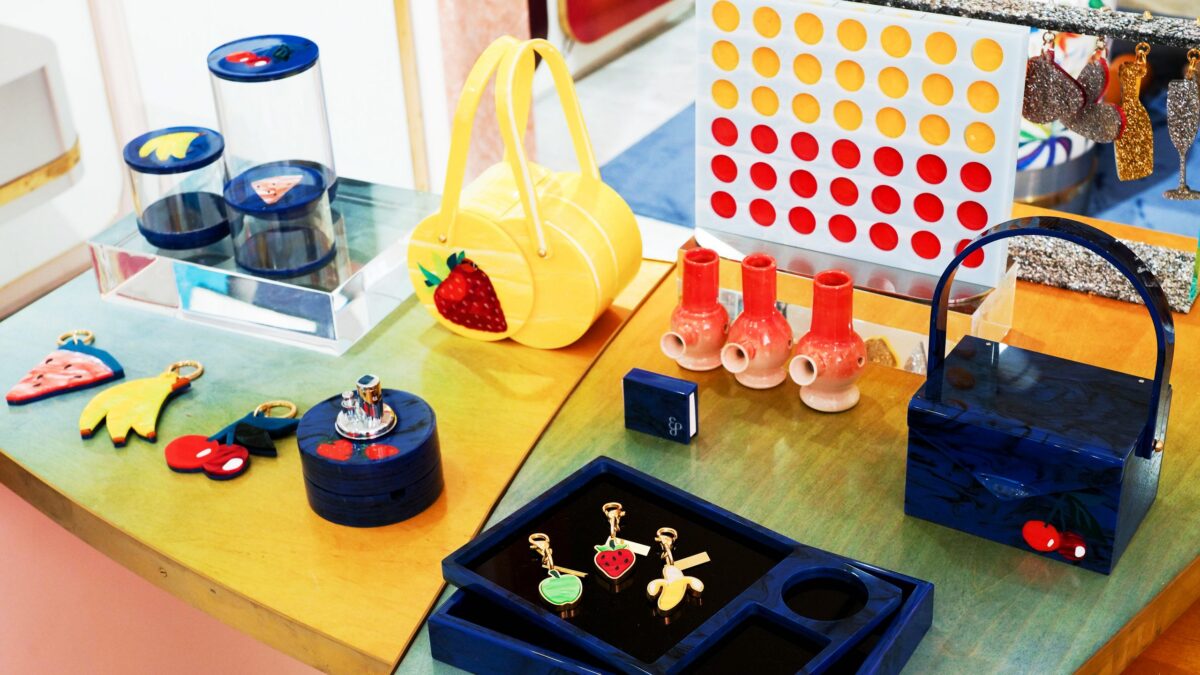
The legal cannabis industry is expected to bring in $17 billion in overall sales this year, according to cannabis insights firm New Frontier Data—and a maturing industry breeds expansion into other markets. Labels including Edie Parker Flower, Mister Green and Sundae School, plus outlets such as Barneys’ high-end Beverly Hills head shop the High End, bring luxury cannabis product lines to lifestyle-minded consumers, with a focus on aesthetics and function. By redefining how a head shop looks, and the quality of products it sells, these brands are making weed fashionable.
Pot’s foray into fashion follows its rebranding from an illicit substance to a way of life. Drawing on its long-standing connection to the wellness industry—and its well-documented health benefits—brands and consumers have capitalized on the plant’s ability to impact mood and experiences, broadening its usership. Companies like Dosist and LucidMood market their strains and vapes based on the desired effect. CBD has trickled into beauty products, supplements and beverages, and chefs are incorporating cannabis into their cuisines.
“This whole legal world allows for more products and more communication around products—that it’s not only killer flower that people want,” says Lisa Gabor, who leads the newly launched cannabis division of New York communications firm BPCM.
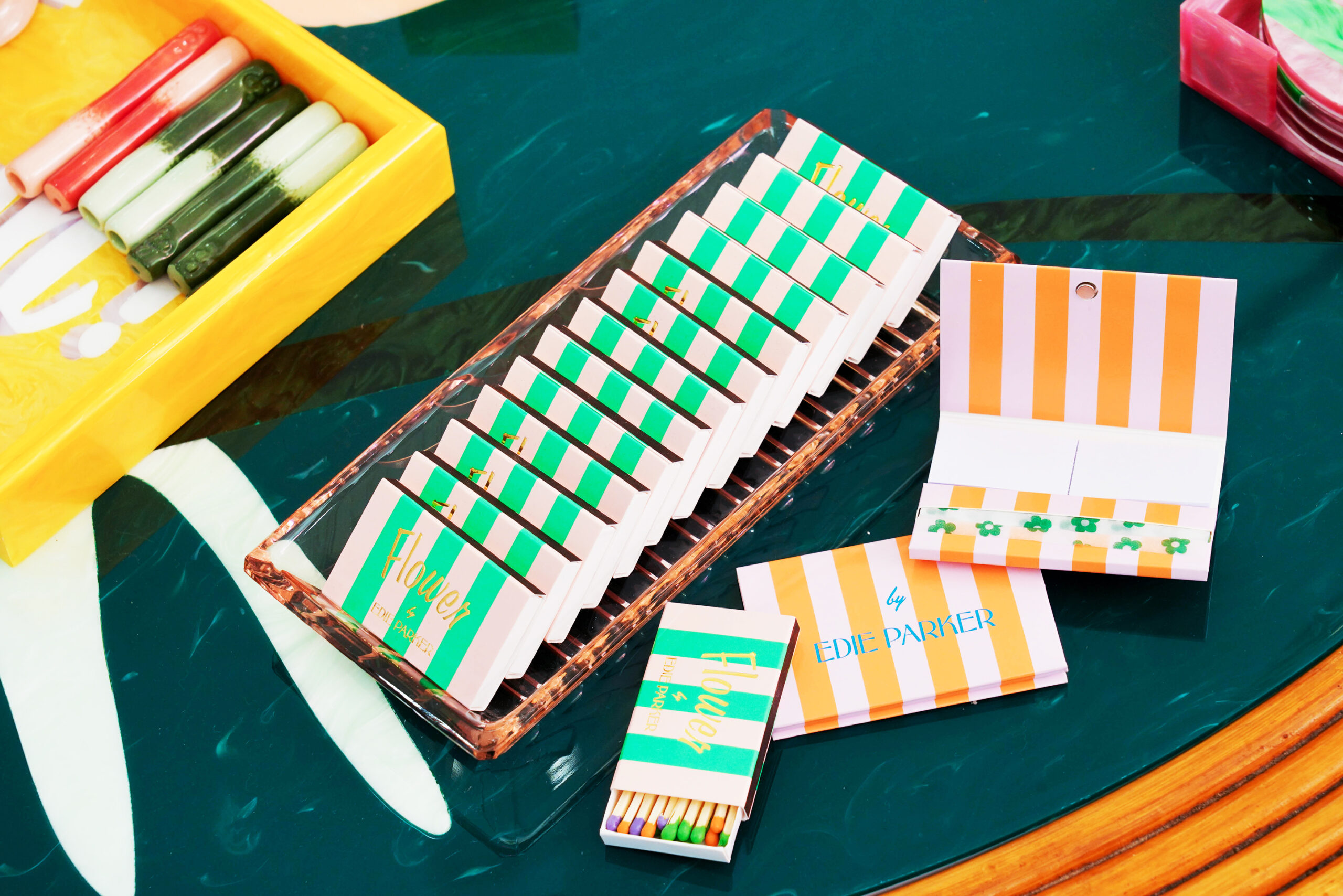
Like luxury watches, jewelry and cars, cannabis fashion accessories marry function and aesthetics. After Edie Parker, the handbag brand whose clutches are prized among Hollywood red-carpet walkers, launched its home goods collection in 2016, founder and creative director Brett Heyman sought to put a fashionable spin on smoking paraphernalia. The Flower line, introduced in May 2019, brings the brand’s signature acrylic and hand-blown-glass materials to tabletop lighters, glass pipes, rolling trays and other practical accoutrements.
“Our products, whether it’s bags or home items, are never really that utilitarian,” Heyman says. “They have function, of course, but they’re really art pieces that you carry around or display on your table, and we wanted to look at smoking and stash accessories in the same way.”
Which isn’t to say Heyman wasn’t met with confusion as she developed the collection. “The roadblock was people saying, ‘Oh, I’m sorry, you make those expensive bags with people’s names on them and now you’re making cannabis accessories,’” she says.
While views around cannabis have shifted considerably in the United States—two thirds of Americans now support legalization—some still perceive it as taboo. But according to Gabor, when any industry intersects with another, labels can breed confidence in their consumers by maintaining brand integrity.
“Years ago, when fashion brands started getting into the beauty arena, it was considered odd or weird,” she says. “Then you saw how Chanel translated the concept of what Chanel stood for in fashion and quality and thoughtfulness into a beauty line with the same sensibilities. In the same way, cannabis is becoming a lifestyle product.”
To Heyman, the luxury-cannabis consumer doesn’t fit one mold. While longtime weed fans may have yearned for accessories and clothes from fashion brands, high-end products also usher more lifestyle-minded consumers into pot appreciation: Those who consume for health and wellness purposes may want to experiment with high-end weed accessories. Newer consumers “can now discover cannabis and find something beautiful to put it in,” Heyman says, in the same way people have sought out aesthetically pleasing bar-cart fixings.
As pot continues to converge with other aspects of life—fashion, sexual pleasure, even wine—more brands will come into the fold, naturally. This diversification allows each company to focus on areas where it excels, whether that’s handbags or smokewear.
“Cannabis is for our girl,” Heyman says. “It’s for the girl who wants to buy a bag that’s a little more expensive because it’s handmade by skilled artisans and it’s a modern heirloom, and she’s also curious about cannabis. And I can speak to her. I think as an industry grows, everybody gets to participate and you don’t have to solve everybody’s needs. One cannabis brand doesn’t have to be for everybody.”