Your bag is empty.

The outspoken director eyes Oscar buzz and mainstream success with the buzzy period drama
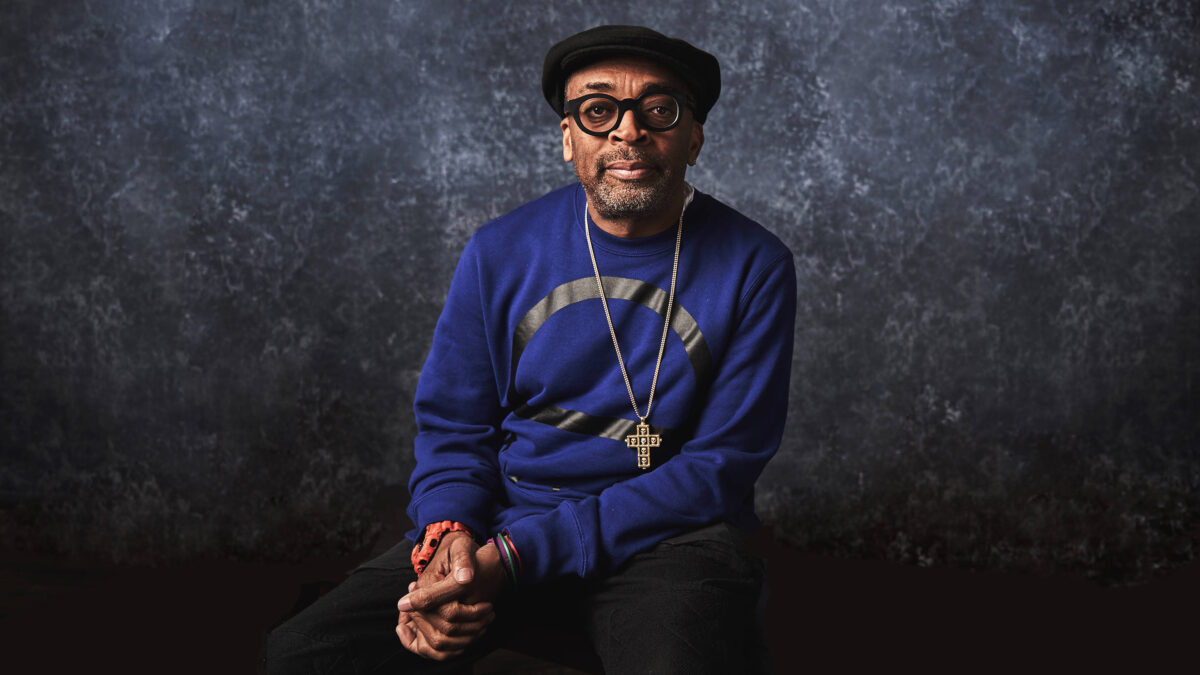
Throughout director Spike Lee’s 30-plus years as a public figure, he’s taken on several different personas—indie darling, political provocateur, Nike pitchman, sideline heckler and Hollywood scold. But one role he’s never played (with the exception of his 2006 hit heist film, Inside Man) is popular mainstream auteur. That may begin to change with his latest offering, the racially charged 1970s-set crime film BlacKkKlansman, which has been met with his best reviews in years, and some of his first bonafide Oscar buzz in recent times, too.
The film, which retells the unbelievable, true story of a black Colorado detective who verbally duped the Ku Klux Klan into believing he’s one of them, opened in the top five at the box-office over the weekend. His movie represents a potential breakthrough for the 61-year-old filmmaker, who’s earned more headlines in the past decade for his public outbursts (including attempting to share the address of Trayvon Martin’s killer on social media, which led to a lawsuit) than his work behind the camera.
Of course, the always outspoken Lee bristles at the notion that he is in the midst of some sort of comeback. “What’s the famous Mark Twain quote? ‘My demise has been greatly exaggerated’? A couple [people] had written me off: I’m done. Over! Not relevant!” Lee said in a recent interview. “But you know what? They don’t know! Count me out, if you want to! Come on, I’m in Brooklyn! We go hard!”
When he first burst onto the scene in the late 1980s, he was the biggest African-American name in the directing game, and his slew of early films (including Do the Right Thing, Malcolm X and the recently rebooted She’s Gotta Have It), while not blockbusters, were widely viewed as his most seminal, influential work. His hot streak continued well into the ‘90s and early 2000s, where each film seemed to court controversy alongside strong critical notice. And for his part, Lee seemed to relish his polarizing impact on audiences, frequently calling out his peers in the industry for their prejudice and problematic movies.
But in recent years, while his work on smaller documentaries has been consistently praised, his feature films —projects like Red Hook Summer, the Kickstarter-financed Da Sweet Blood of Jesus and his Oldboy remake—have been poorly received or largely ignored. Even for longtime, devoted fans, it started to feel like Lee’s high-profile clashes with his fellow filmmakers—including Clint Eastwood, Quentin Tarantino and Tyler Perry—would start to eclipse the memory of what made him such a movie icon in the first place.
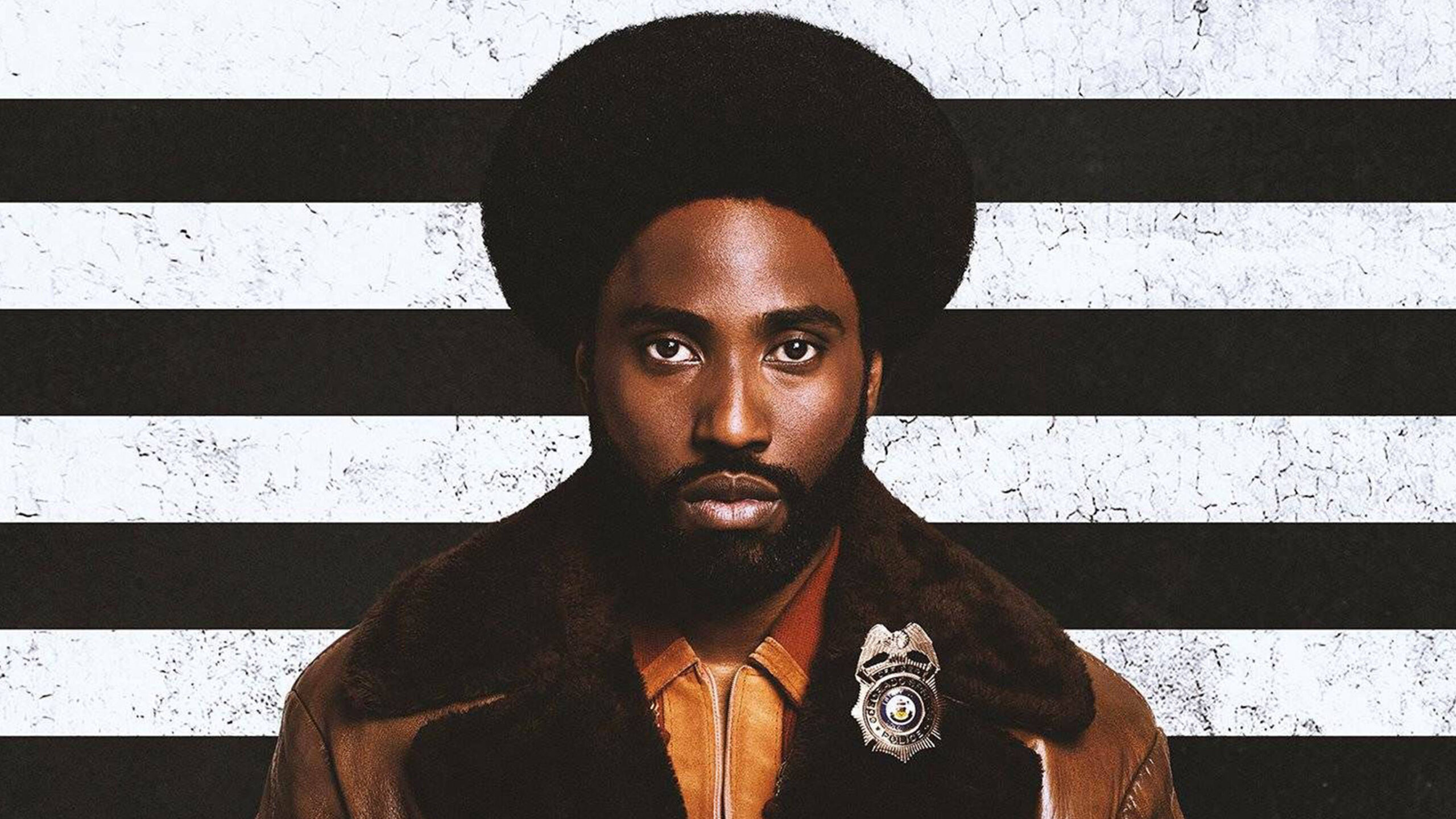
Meanwhile, a bevy of major black filmmakers have come in his wake—Ava DuVernay, Steve McQueen, Ryan Coogler, Barry Jenkins, Dee Rees and Jordan Peele, just to name a few—all of whom have enjoyed more mainstream acceptance (and Oscar recognition) than Lee did in his heyday. In fact, Peele may be the key collaborator on BlacKkKlansman. Peele is listed as a producer on this film, and while it’s unclear just how much impact he had on the script and direction, it’s apparent that the movie tries walk the same delicate balance that his Get Out did, blending racial social satire with tense thrills, and it does so without alienating a wider audience.
But the other ace up Lee’s sleeve may just be the current political climate, as regular headlines are devoted to coverage of police brutality, white supremacy and other themes that his period film tackles. His new movie deliberately links its retro narrative to the Trump era, culminating with footage of the president’s widely condemned statements equating white nationalists in Charlottesville, Va., with their counter-protesters last summer.
“I believe that what happened in Charlottesville was a pivotal moment in American history where an American president had a chance to denounce hate groups like the Klan, the KKK, neo-Nazis, the alt-right, and chose not to do so,” Lee told the Associated Press in a recent interview. “The stories will write that this guy in the White House was on the Wrong side of History, with a capital W for ‘Wrong’ and a capital ‘H’ for ‘History.’ Wrong. And I believe this film is on the right side of history.”
An ace up Spike Lee’s sleeve may just be the current political climate, as regular headlines are devoted to coverage of police brutality, white supremacy and other themes that BlacKkKlansman tackles.
And it’s not just recent history that Lee is interested in dissecting. BlacKkKlansman also aims to take down sacred cinematic cows like Gone With the Wind and The Birth of a Nation, which he believes have been responsible for glorifying the pro-slavery Confederacy for decades. Lee has been waging this battle over representation his entire career, even way back when he was a film student at NYU, and one of his first scripts was a satire about a black man hired by the KKK to write a remake of director D.W. Griffith’s anti-Reconstruction epic.
In a 2013 sit-down interview with pop star Pharrell Williams, Lee revealed that his project almost got him booted out of the prestigious program for offending his white classmates and professors. “At NYU, they showed [The Birth of a Nation], talked about the great innovations that D.W. Griffith came up with … Well, they never talked about how this film was used as a recruiting tool for the Klan and was responsible for black people getting lynched,” said Lee. “The faculty took it like I was attacking the father of cinema, so they kicked me out. Someone stopped this, however. Someone said, ‘We can’t kick him out because we gave him an assistantship for next year already.’”
And Lee has been pushing buttons ever since by covering incendiary topics and characters in all his films, with BlacKkKlansman being no exception to the rule. However, for perhaps the first time in years, Lee may have a bigger audience that is ready and willing to embrace his take on history.