Your bag is empty.
Problems abound after the actor's account of his previous plan for racial violence
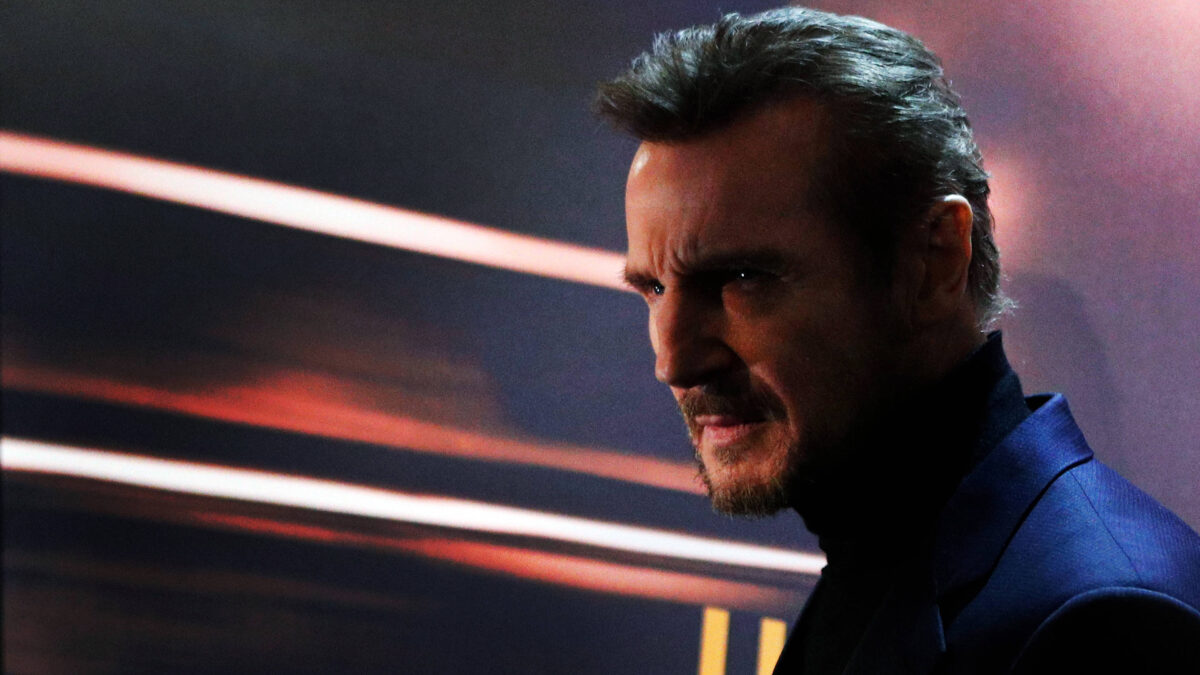
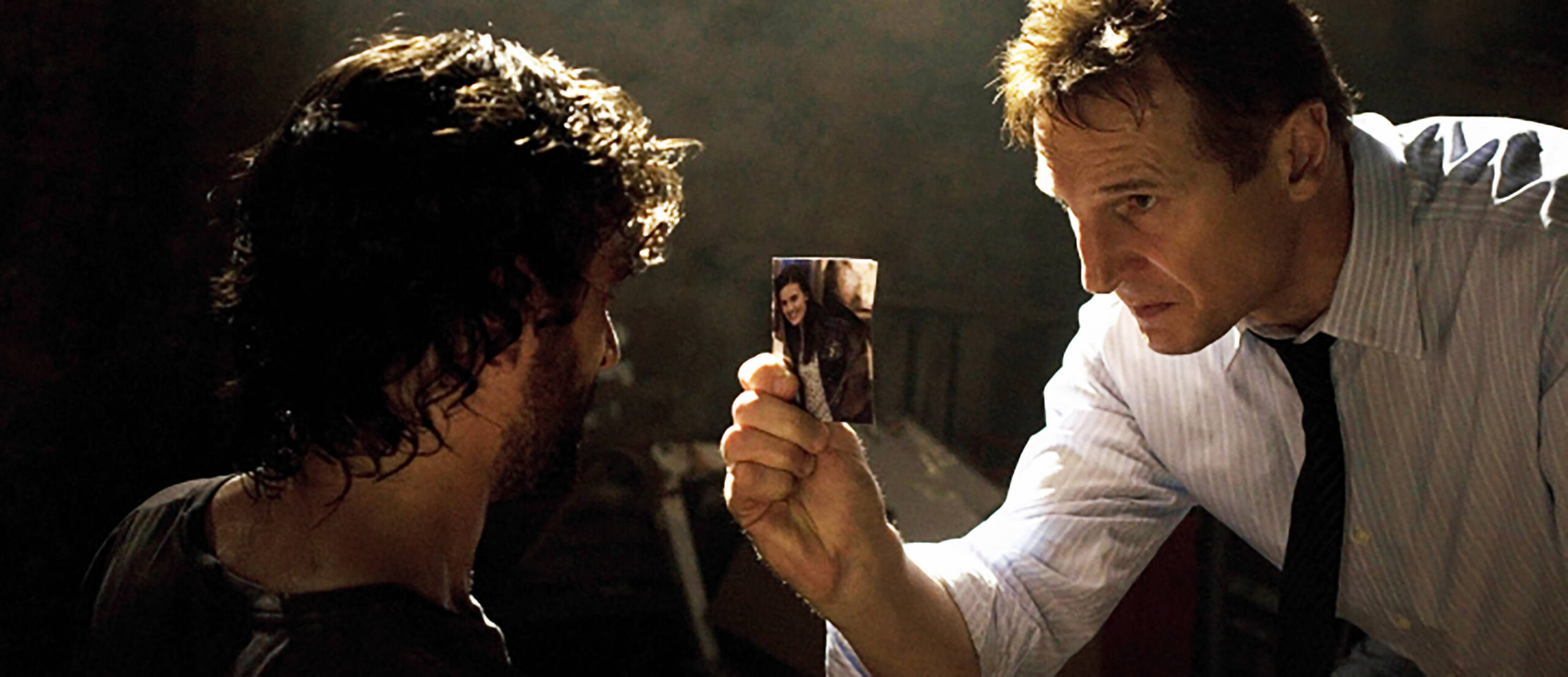
Liam Neeson, the 66-year-old Taken star, is facing much criticism for suggesting he wanted to kill any “black bastard” after learning of a close friend’s rape. During an interview with The Independent—to talk about his latest film, Cold Pursuit—Neeson described how he could connect with his character’s anger because of the previous rage he felt decades ago in wanting to avenge the crime.
Over the past few days, social media has been set ablaze with mostly two responses to Neeson’s initial comments and subsequent response to Good Morning America that he is “not racist.” Some users have denigrated Neeson for his obviously racist thoughts and actions; another perspective is that of Terry Crews, who was perceived as defending Neeson by describing his “fork in the road,” an expression often used for a decisive moment in life or history when a major choice is required. The problem with the second argument is that Neeson did choose how to avenge his friend’s crime, and he chose evil.
Neeson admitted to taking steps to engage in a hate crime against a black person who could have found themselves at the wrong place and wrong time. Neeson did not want to merely target his friend’s rapist—which some may consider understandable or “primal”—but instead was ready to attack any black person who “would come out of a pub and have a go at me about something.” Neeson clearly knows what he’s saying, and how shocking it is, how appalling. “It took me a week, maybe a week and a half, to go through that,” the Oscar-nominated star said. “[My friend] would say, ‘Where are you going?’ and I would say, ‘I’m just going out for a walk.’ You know? ‘What’s wrong?’ ‘No no, nothing’s wrong.’”
Neeson’s comments were published less than a week after Jussie Smollett, star of Fox’s Empire, was attacked in Chicago by two people who yelled racist and homophobic epithets and tied a noose around his neck. Neeson’s remarks also arrive during Black History Month, a month-long celebration of black people’s contributions to the world’s past and present, and a recognition of our future progress. The comments give us a clearer picture of how often black people are hunted, and how those actions are then justified.
The actor is no hero for admitting past transgressions that could have cost black people our lives. Neeson’s efforts to seek revenge call to mind Trayvon Martin, who was shot to death seven years ago this month. In 2012, as the teen was walking home, George Zimmerman chased down and eventually killed Martin, who would have celebrated his 24th birthday yesterday.
Neeson’s comments also remind me of the black lives taken by law enforcement—people like Philando Castile, who was killed in front of his child and girlfriend, and Deborah Danner, who suffered from schizophrenia—none of which led to significant change. Just as some law-enforcement and elected officials appear to view black people and our lives as disposable, Neeson’s remarks reflect a similar mindset.
Not only were Neeson’s comments unnecessary, they did not move race relations forward a scintilla. His admission that he contemplated killing a black person is not brave but cowardly. The fact that anyone can call his statements and subsequent actions anything but racist speaks to the danger of white privilege. Neeson’s conclusion was not that he was once a racist individual who was actively seeking to engage in a hate crime, but rather an understanding that revenge is not worth it.
What black people need is accountability—and that requires remorse, a genuine apology, atonement and then hope for forgiveness.
We’ve seen this all before. I am reminded of actor Mark Wahlberg and his friends attacking people of color with rocks and racial epithets during a field trip in Boston in 1986; Wahlberg, who was 15, was issued a civil-rights injunction. And in 1988, Wahlberg assaulted two Vietnamese men while trying to steal beer; he pleaded guilty to assault and served 45 days of his two-year sentence. The star recently requested a pardon for this racial violence but dropped the request amid a public outcry.
This is not just about Wahlberg or Neeson, but about the way whiteness can operate against people of color. That’s why we can’t pretend Neeson’s racist confession is somehow progressive or otherwise helpful in describing his past vengeance. What could have been helpful is if Neeson had checked in with his friend to ensure she feels safe and secure, as opposed to immediately asking personal or racial questions related to a perpetrator. And next time, Neeson should not commit to engaging in a hate crime for an unfortunate incident suffered by a loved one.
It is impossible to have any hope of moving forward if we are going to use individual experiences as justification to commit violence against already-marginalized communities. What black people need is accountability—and that requires remorse, a genuine apology, atonement and then hope for forgiveness. It also takes changed behavior and not mere words, along with responsibility rather than justification.